Freebasing is a method of using cocaine that makes an already dangerous drug even more risky. So what is freebasing exactly? It generally refers to converting cocaine hydrochloride, the powdered salt form of cocaine, into a smokable cocaine base. Smoking the drug allows it to pass rapidly through the lungs and reach the brain within seconds. Because freebase cocaine delivers such an intense, rapid high, it carries a high risk of compulsive use, addiction, and overdose. If you or a loved one is caught in this dangerous cycle, our cocaine addiction treatment program can help you break free. This guide explains what freebasing is, how cocaine freebasing works, and the serious dangers involved.
Understanding Freebase Cocaine
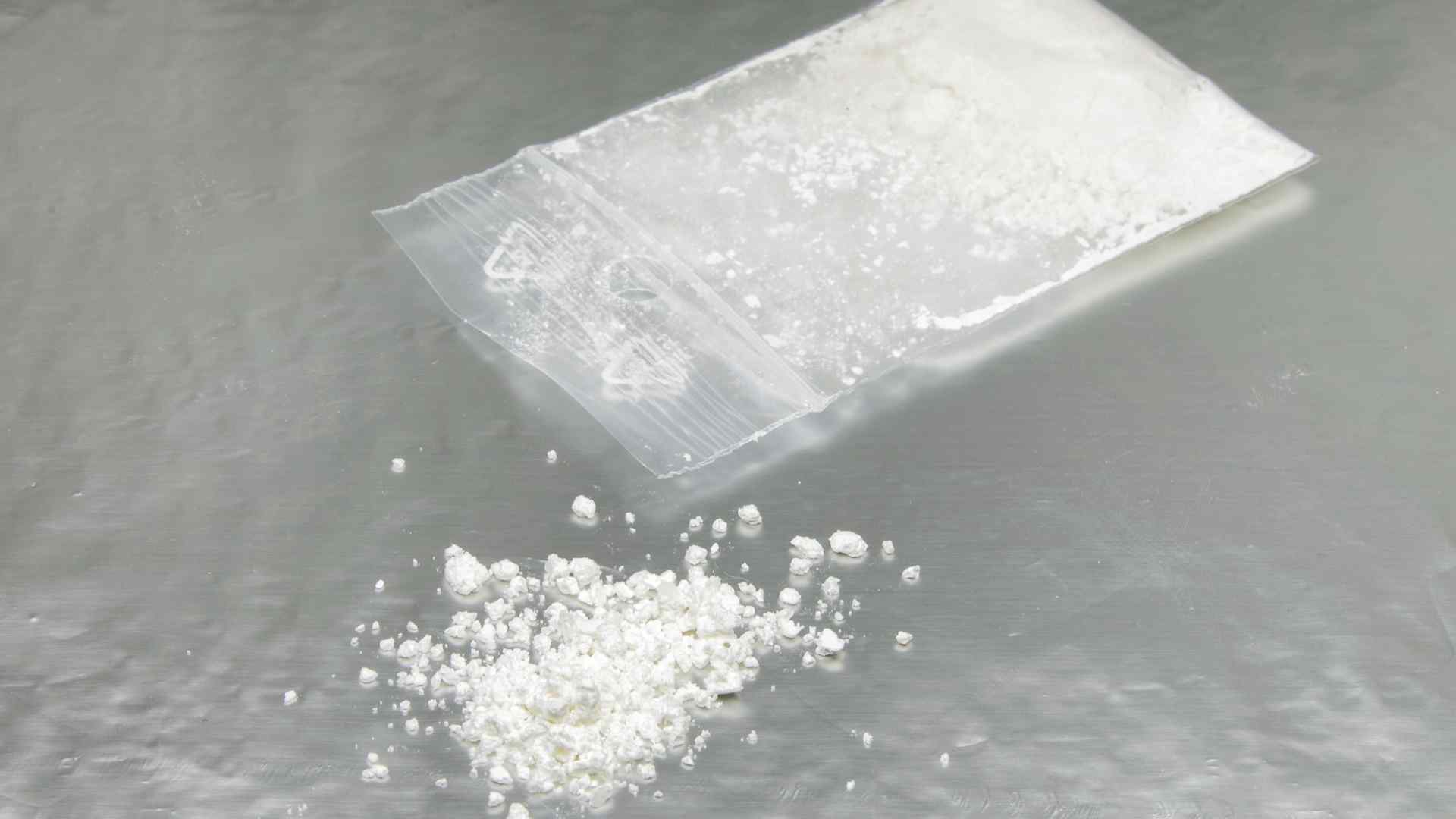
Freebase cocaine is a smokable base form of the drug. Unlike cocaine hydrochloride, the water-soluble powdered form that is commonly snorted or dissolved for injection, cocaine base can be heated so its vapor or smoke is inhaled. For people who need more than weekly appointments, our Cedar Rapids treatment center provides continuous support.
The term “freebase” describes the drug’s chemical form. It does not mean that the substance is necessarily pure. Illicit freebase cocaine can contain contaminants, processing residues, or other substances.
Traditional freebasing generally refers to converting cocaine hydrochloride into cocaine base using a chemical base and a volatile organic solvent. Solvents such as ether can ignite or explode when exposed to heat or flame, creating serious fire and burn hazards during preparation.[1] Crack cocaine is also a form of cocaine base, but it is commonly produced through a different process that does not use the traditional ether extraction method.
Smoking cocaine may carry greater addiction potential than snorting it because the drug reaches the bloodstream and brain much more rapidly. The effects of smoked cocaine can begin within seconds and are usually brief. However, freebase cocaine is not automatically more potent than powdered cocaine. The active drug is still cocaine, and the intensity of the experience is largely related to rapid absorption, dose, purity, and the route of administration.[2]
Our article on whether crack and meth are the same explores related smokable stimulants, and our overview of the key differences between stimulants and depressants adds helpful context.
Talk With Radix Recovery Today
Get confidential guidance and learn whether flexible, structured outpatient treatment is the right next step for your recovery.
Intensive Outpatient Program in IowaHow Cocaine Freebasing Works
Cocaine freebasing is a chemical conversion that changes cocaine hydrochloride into cocaine base. Traditional freebasing may involve ammonia and a volatile solvent, while crack cocaine is commonly produced with sodium bicarbonate and water.
These methods should not be treated as interchangeable. Traditional solvent-based freebasing creates an additional risk of fires, explosions, chemical exposure, and severe burns. Illicit processing may also leave chemical residues or introduce contaminants.
The cocaine base is heated, and the resulting vapor or smoke is inhaled. This route delivers cocaine rapidly through the lungs. The finished substance is not automatically stronger or purer than cocaine hydrochloride, but smoking can produce a faster and more intense effect than snorting.
Freebase Cocaine vs Crack Cocaine
People often confuse freebase cocaine with crack cocaine. Crack is a type of cocaine base and is sometimes broadly described as freebase cocaine. Traditional freebase and crack may be made differently, but both are smokable forms of the same active drug.
Crack cocaine is generally produced using sodium bicarbonate and water, forming hard rocks. Traditional freebasing has historically involved ammonia and an organic solvent. Smoking crack and smoking traditional freebase cocaine both produce a rapid, intense, and short-lived high. For a deeper comparison, see our guide on crack versus cocaine.
The widespread emergence of crack cocaine significantly influenced public health, communities, and federal drug policy during the 1980s. Whether smoked as crack or another form of cocaine base, the drug reaches the brain rapidly and can encourage repeated use.
The Effects of Freebasing Cocaine
The effects of freebasing cocaine can begin within seconds. People may feel a surge of energy, alertness, confidence, or intense euphoria, followed by a sharp crash. The high is brief, often lasting approximately 5 to 10 minutes, although effects may vary according to the dose, purity, and person.
Unlike depressants, cocaine speeds up activity in the central nervous system, as our guide on whether marijuana is a stimulant or a depressant. The effects of freebasing cocaine can include elevated blood pressure, a rapid or irregular heartbeat, constricted blood vessels, increased body temperature, sweating, and agitation.
Because the pleasurable effects fade quickly, some people repeatedly use the drug in an attempt to maintain the high. This pattern can contribute to bingeing, compulsive drug-seeking behavior, and cocaine use disorder.
Short-Term Effects of Freebasing
The short-term effects can include euphoria, alertness, increased energy, and a false sense of confidence or power. They can also include dangerous symptoms such as chest pain, panic, agitation, severe anxiety, and paranoia.
Freebase cocaine use can cause excessive sweating, tremors, muscle tension, a pounding or irregular heartbeat, and elevated blood pressure. Smoking cocaine can also cause coughing, wheezing, shortness of breath, bleeding in the lungs, or acute lung injury, sometimes called crack lung.
SAMHSA identifies cardiovascular, respiratory, cerebrovascular, muscular, kidney, and psychiatric complications among the serious consequences of stimulant use. Acute cocaine complications can include heart attack, stroke, seizures, hyperthermia, psychosis, and sudden death, while withdrawal may produce cravings, fatigue, depression, anxiety, agitation, and sleep disturbances.[3] Our article on how long chest pain from cocaine use lasts explains why cardiac symptoms matter.
Health Risks of Freebasing
The health risks of freebasing cocaine are severe. Cocaine can cause immediate cardiac problems, including dangerously high blood pressure, irregular heartbeat, reduced blood flow to the heart, heart attack, and cardiac arrest. It can also cause seizures, stroke, dangerously high body temperature, and sudden death.
Smoking cocaine adds route-specific respiratory risks. These can include coughing, wheezing, chest pain, shortness of breath, bronchospasm, bleeding in the lungs, pneumonia, barotrauma, and acute lung injury. Severe intoxication or lung injury can interfere with breathing and require emergency treatment.
Freebasing cocaine can increase overdose risk because smoking produces a rapid rise in cocaine levels and encourages frequent redosing. Illicit cocaine may also contain fentanyl or be combined with opioids, which substantially increases the risk of fatal overdose.
In 2023, nearly 60,000 US overdose deaths involved cocaine and/or psychostimulants with abuse potential, primarily methamphetamine. Approximately 30,000 deaths specifically involved cocaine. These figures include all routes of cocaine use and many deaths involving more than one drug, so they should not be interpreted as freebasing-specific deaths.[4]
Signs of cocaine toxicity include:
| Body system | Warning signs of cocaine toxicity |
|---|---|
| Heart | Chest pain, very fast or irregular heartbeat, fainting, or cardiac arrest |
| Lungs | Shortness of breath, coughing blood, severe chest pain, or difficulty breathing |
| Brain | Seizures, confusion, severe agitation, hallucinations, or stroke symptoms |
| Whole body | Excessive sweating, severely elevated blood pressure, or dangerously high body temperature |
Call 911 immediately if someone develops chest pain, difficulty breathing, a seizure, severe confusion, loss of consciousness, stroke symptoms, or dangerously high body temperature after using cocaine. These are signs of cocaine toxicity and require immediate medical attention.
Testing can also be confused by other medications, as our piece on false positive cocaine test results shows. Unexpected initial screening results should be evaluated with confirmatory laboratory testing.
Freebasing and Cocaine Addiction
Freebase cocaine has a high potential for addiction. Smoking produces a rapid high and a fast crash, which can encourage frequent redosing and binge patterns. However, there is no reliable timeline showing that freebasing cocaine causes addiction within a specific number of hours, days, or weeks.
The development of cocaine use disorder varies from person to person. Risk is affected by frequency, dose, route of use, genetics, mental health, environmental factors, trauma, other substance use, and access to support.
Cocaine use disorder may involve:
- Intense cravings
- Tolerance
- Repeated failed attempts to stop
- Compulsive cocaine use
- Continued use despite health or relationship problems
- Neglect of work, school, or family
- Withdrawal symptoms when use stops
Smoking cocaine can create a rapidly escalating pattern of use, but addiction should be identified through symptoms and behavior rather than an assumed timeline. This kind of drug abuse may not improve without support, especially when severe cravings, psychiatric symptoms, or an unsafe environment make stopping difficult.
Signs of Freebasing Addiction
Freebasing addiction can develop more quickly than many people expect, but the timing varies. Common signs include intense cravings, secrecy, financial trouble, and neglected responsibilities. Physical symptoms such as weight loss, burns on the fingers or lips, coughing, chest pain, or breathing problems may also appear.
No single sign confirms freebasing or cocaine addiction. A pattern of physical, psychological, and behavioral changes should be assessed by a healthcare or addiction professional.
- Intense cravings and compulsive drug-seeking behavior
- Continuing to use freebase cocaine despite clear harm
- Repeated unsuccessful attempts to reduce or stop use
- Burns on the fingers or lips from hot smoking equipment
- Severe mood swings, paranoia, or other psychiatric symptoms
- Pulling away from family, work, school, or friends
- Spending substantial time obtaining, using, or recovering from cocaine
Recognizing this addiction early can help a person receive care before the medical and social consequences become more severe.
Cocaine Withdrawal and Detox

When someone stops repeated cocaine use, cocaine withdrawal can begin. Withdrawal symptoms commonly include strong cravings, fatigue, depression, anxiety, irritability, agitation, increased appetite, sleep disturbances, and reduced ability to feel pleasure.
Cocaine withdrawal is not usually medically dangerous in the same way as severe alcohol or benzodiazepine withdrawal. However, severe depression, suicidal thoughts, paranoia, persistent psychosis, or agitation can require urgent medical or psychiatric attention. Withdrawal from alcohol, opioids, or sedatives at the same time may create additional risks.
A medically supervised detox or residential program is not automatically necessary for everyone. A clinical assessment can determine whether the person needs outpatient care, residential treatment, medical monitoring, or psychiatric stabilization. Professional support can help manage cravings, mood symptoms, sleep disruption, and relapse risk.
For a look at the timeline, read our guide on cocaine detox and recovery. Residential treatment may then help people develop the coping skills and support needed for lasting change when that level of care is clinically appropriate.
Long Term Health Consequences of a Dangerous Practice
The long-term health consequences of freebasing can be serious. Repeated cocaine use can contribute to persistent or potentially irreversible complications involving the heart, blood vessels, lungs, and brain. The likelihood and severity of these complications vary among individuals.
Long-term freebasing can contribute to:
- Damage to the heart and blood vessels
- Increased risk of irregular heartbeat, heart attack, and stroke
- Lung injury and chronic breathing problems
- Memory, attention, and decision-making problems
- Anxiety, depression, paranoia, and mood disturbances
- Psychosis or other severe psychiatric symptoms
- Possible sexual functioning problems
- Increased risk of injury and premature death
Beyond the body, freebasing cocaine can worsen existing mental health disorders. It may trigger severe psychological distress, paranoia, hallucinations, or psychosis. Cravings and mood symptoms may continue after acute withdrawal, particularly after prolonged or heavy use.
Mixing cocaine with other substances increases uncertainty and danger. Using cocaine and alcohol together produces cocaethylene, which can add cardiovascular toxicity. Combining cocaine with opioids, sedatives, other stimulants, or unknown street drugs also increases the risk of overdose and other serious complications.
Treatment and Getting Help
Recovery from freebasing addiction is possible with appropriate treatment. Treatment should begin with an individualized assessment of cocaine use, medical complications, mental health, other substance use, housing, relationships, and safety.
Contingency management is the best-supported behavioral treatment and is considered the current standard of care for stimulant use disorders. It uses structured incentives to reinforce treatment participation and progress. Cognitive behavioral therapy, community reinforcement, motivational interviewing, family therapy, recovery planning, and peer support may also help.
There is currently no FDA-approved medication specifically for cocaine use disorder. Medications may still be used to treat depression, anxiety, sleep problems, or other co-occurring conditions. Withdrawal care focuses on managing symptoms, monitoring psychiatric risks, and helping the person remain engaged in treatment.[5]
A structured residential treatment program may be appropriate for people with severe addiction, repeated relapse, psychiatric instability, polysubstance use, or an unsafe home environment. Other people may receive suitable care through partial hospitalization, intensive outpatient treatment, or standard outpatient services.
Support groups such as Narcotics Anonymous can provide community and accountability, while professional therapy addresses the factors contributing to drug use and drug abuse. If you are unsure where to start, our guide on how to tell if someone is using a stimulant can help.
Our stimulant addiction guide offers more resources; reading about what pink cocaine is made of can clarify related drugs, and our meth detox timeline shows what stimulant recovery can look like. Seeking professional help is a sign of strength.
Not sure which level of support fits your situation? Our guide to the levels of care in addiction treatment walks through each option.
What Is Freebasing? Frequently Asked Questions
How long does a freebasing high last?
The high from smoking freebase cocaine is brief and often lasts approximately 5 to 10 minutes, although published estimates range more broadly. The exact duration depends on the dose, purity, route, and person. Because the effects fade rapidly, people may repeatedly use cocaine in an attempt to maintain the high.
Is freebasing more dangerous than snorting cocaine?
Smoking cocaine generally produces a faster and more intense effect than snorting it. This can increase compulsive redosing and certain acute risks. However, no form or route of cocaine use is safe. Snorted, smoked, or injected cocaine can cause addiction, overdose, heart attack, stroke, seizures, and sudden death.
Can you get addicted to freebasing quickly?
Freebasing can increase the risk of cocaine addiction because smoking produces a rapid, strongly reinforcing high. Some people may develop an escalating pattern of use quickly, but addiction cannot reliably be predicted to develop within a specific number of hours or days. Early assessment and treatment can help prevent continued harm.
Sources
- U.S. Department of Justice, Office of the Inspector General. “The Cocaine Industry: Freebase Cocaine.” Supports the distinction between traditional freebase production and crack, including the historical use of ammonia and volatile organic solvents.
https://oig.justice.gov/sites/default/files/archive/special/9712/appb.htm - National Institute on Drug Abuse. “Cocaine.” Supports the chemical distinction between cocaine hydrochloride and cocaine base, routes of administration, rapid absorption through smoking, addiction risk, toxicity, and fentanyl contamination.
https://nida.nih.gov/research-topics/cocaine - Substance Abuse and Mental Health Services Administration. “Treatment for Stimulant Use Disorders, Chapter 3: Medical Aspects of Stimulant Use Disorders.” Supports onset and duration by route, acute and chronic medical complications, pulmonary injury, psychiatric effects, withdrawal symptoms, and cocaine-alcohol risks.
https://www.ncbi.nlm.nih.gov/books/NBK576550/ - Centers for Disease Control and Prevention. “Stimulants.” Supports the 2023 stimulant and cocaine-involved overdose death statistics and explains that overdose deaths frequently involve multiple substances.
https://www.cdc.gov/overdose-prevention/about/stimulant-overdose.html - American Society of Addiction Medicine and American Academy of Addiction Psychiatry. “Clinical Practice Guideline on the Management of Stimulant Use Disorder.” Supports individualized withdrawal management, level-of-care decisions, contingency management, behavioral treatments, psychiatric monitoring, and recovery planning.
https://downloads.asam.org/sitefinity-production-blobs/docs/default-source/quality-science/stud_guideline_document_final.pdf