When people compare crack vs cocaine, they often assume the two are completely separate drugs. In reality, both crack and powder cocaine come from the same source and contain the same active drug. The real differences lie in how each form is made, how it is used, and how quickly it reaches the brain. Understanding these differences can help families recognize the risks and find the right care. If you or someone you love is struggling, our crack addiction treatment program can support recovery from either form. This guide breaks down the difference between crack and cocaine, the health risks of each, and the treatment options available.
What Is Cocaine Hydrochloride?
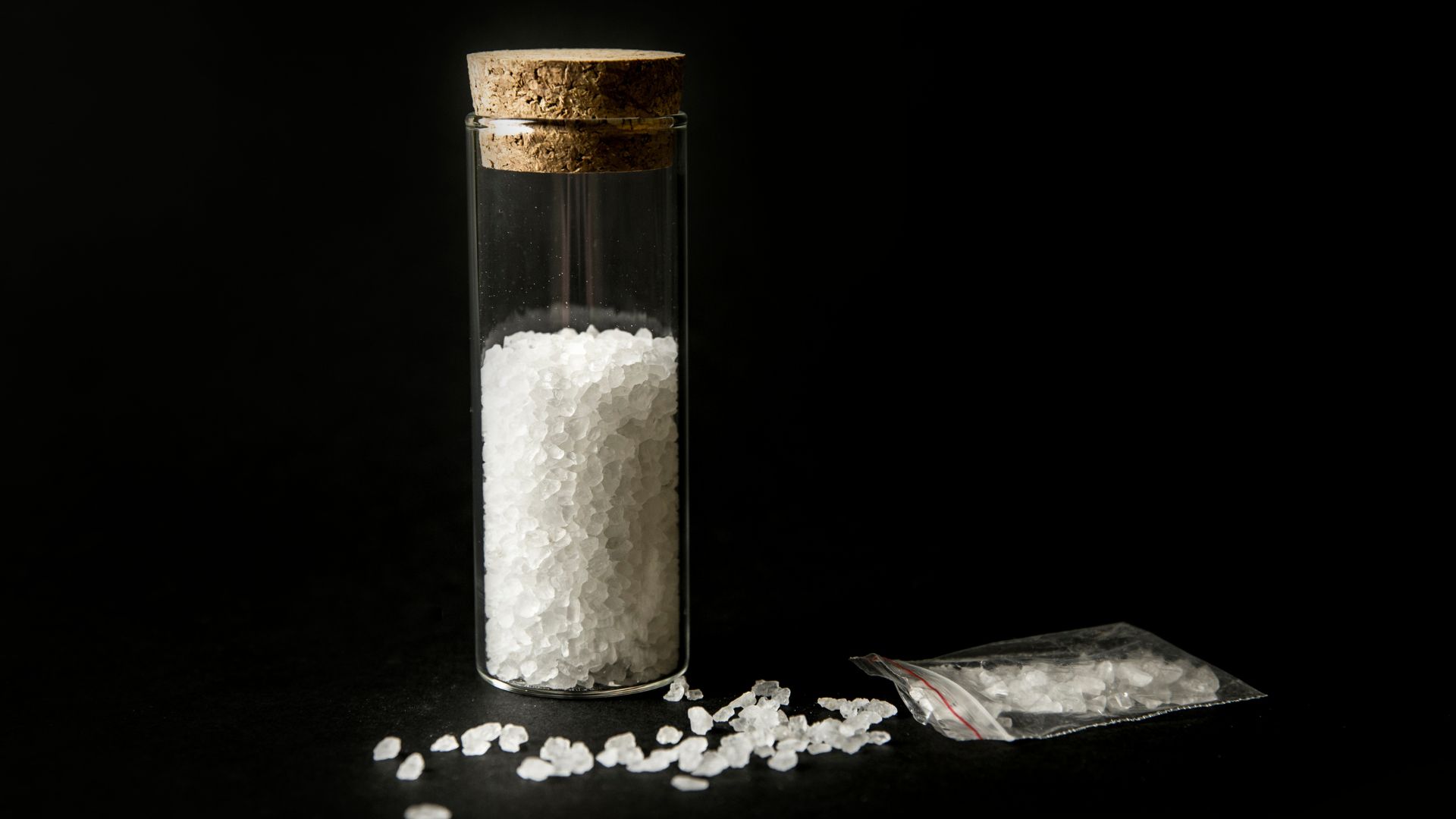
Powder cocaine, known chemically as cocaine hydrochloride, is a water-soluble powder form of cocaine. Cocaine hydrochloride is the hydrochloride salt form of the drug, produced from the leaves of the coca plant. The coca plant grows mainly in South America, where the leaves are chemically processed into a fine white powder. This powder cocaine is usually snorted or dissolved for injection. Radix Recovery offers inpatient addiction treatment for people who need distance from daily triggers.
As a powerful stimulant drug, cocaine hydrochloride raises energy, alertness, and confidence for a short time. Powder cocaine effects generally last 15 to 30 minutes when snorted. Snorted cocaine takes several minutes to produce effects, while injected cocaine reaches the bloodstream much more rapidly. Because it is a hydrochloride salt, cocaine powder dissolves in water, which is why it can be injected as well as snorted. For a broader view of how stimulants work, see our guide on the key differences between stimulants and depressants.
What Is Crack Cocaine?
Crack cocaine is made from powder cocaine. Crack is commonly processed with water and baking soda into a cocaine base rock form. This chemical change turns the hydrochloride salt into a form that can be vaporized and smoked. Crack cocaine is much less soluble in water than cocaine hydrochloride and is usually smoked.
Crack gets its name from the crackling sound it can make when heated. Crack is primarily smoked, allowing rapid absorption, and crack cocaine effects can be felt within seconds. Smoking crack delivers cocaine to the brain more rapidly than snorting cocaine, producing an intense high that fades quickly.[1]
Crack cocaine commonly produces a high lasting approximately 5 to 10 minutes, although the duration can vary. By comparison, the high from snorted powder cocaine generally lasts approximately 15 to 30 minutes.[2]
Talk With Radix Recovery Today
Get confidential guidance and learn whether flexible, structured outpatient treatment is the right next step for your recovery.
Intensive Outpatient Program in IowaThe Main Difference Between Crack and Powder Cocaine
The main difference between crack and powder cocaine is not the active drug, since both deliver cocaine. The difference between crack and powder cocaine comes down to chemical form, delivery, and speed. Powder cocaine is typically snorted, while crack is typically smoked, and those two routes behave differently once the drug reaches the body.
| Feature | Powder Cocaine | Crack Cocaine |
|---|---|---|
| Chemical form | Cocaine hydrochloride | Cocaine base |
| Appearance | Fine white powder | Hard, off-white rocks |
| How it is used | Typically snorted or dissolved for injection | Typically smoked |
| Onset | Within minutes when snorted; faster when injected | Within seconds when smoked |
| Duration of high | Approximately 15 to 30 minutes when snorted | Approximately 5 to 10 minutes |
| Typical cost | Varies by location, quantity, and purity | Varies by location, quantity, and purity; historically sold in smaller, lower-cost units |
Because smoking crack delivers cocaine to the brain so quickly, the intense high and the crash both happen faster. Rapid routes of drug administration, including smoking and injecting, may increase addiction potential compared with slower routes such as snorting. This does not mean powder cocaine is safe or only mildly addictive.[3] For a related comparison, see our guide on whether crack and meth are the same..
How Crack and Cocaine Affect the Body
Both crack and cocaine act on the brain’s reward system. Cocaine blocks the normal reuptake of dopamine, causing dopamine to accumulate in areas involved in reward and motivation. This creates intense euphoria and a rush of energy. Repeated use can lead to tolerance, meaning some people begin using larger or more frequent doses. Both forms can also raise heart rate, blood pressure, and body temperature, placing significant strain on the cardiovascular system.[4] That stimulant effect stands in sharp contrast to depressants, as our guide on whether marijuana is a stimulant or a depressant explains.
The way each form is used shapes its specific risks. Snorting cocaine can cause nosebleeds, loss of smell, chronic nasal irritation, swallowing problems, and damage to the nasal septum. Smoking crack can cause coughing, wheezing, chest pain, shortness of breath, worsened asthma, and acute lung injury, sometimes called crack lung.[5] Burns on the fingers or lips can also occur from hot smoking equipment. Persistent chest pain is another warning sign, which our article on how long chest pain from cocaine use lasts explains in detail..
Health Risks of Cocaine Use
The health risks of cocaine use are serious for both forms. Both forms of cocaine can cause severe cardiovascular problems, including irregular heartbeat, heart attack, and stroke. Cocaine overdose can lead to seizures, cardiac arrest, and sudden death.
The overdose and medical risks can increase when cocaine is combined with alcohol, opioids, or other stimulants. Combining cocaine and alcohol produces cocaethylene, a metabolite that may increase toxicity to the heart. Cocaine contaminated with fentanyl or combined with other opioids can also cause a fatal opioid overdose.[6]
- Severe cardiovascular problems such as heart attack and cardiac arrest
- Damage to blood vessels along with raised blood pressure
- Lung injury and crack lung from smoking crack cocaine
- Nasal irritation and septal damage from snorting cocaine
- Psychological symptoms such as paranoia, anxiety, and depression
- Seizures, stroke, overheating, and sudden death
Chronic use of either form can lead to severe psychological issues. These psychological symptoms include paranoia, anxiety, depression, irritability, and mood changes that affect mental health. Because the methods of administration for crack and powder cocaine create different health risks and social implications, the physical toll can look different even though both forms deliver the same drug. Some factors can also complicate drug testing, as our piece on false positive cocaine test results shows.
Signs of Crack Use
Recognizing crack use early can help someone receive timely care. Common signs may include burns on the fingers or lips, sudden weight loss, restlessness, sleep loss, and money troubles. Because people may binge on crack due to its short-lived effects, patterns of disappearing for hours, repeated smoking, and sharp mood swings may also occur.
No single sign confirms crack use. These warning signs should be considered together and discussed with a qualified healthcare or addiction professional. If you notice these signs, learning how to tell if someone is using meth can help too, since stimulant use often shares warning signs.
Understanding Cocaine Addiction
Both cocaine and crack have a high potential for addiction. Cocaine addiction develops through changes in reward, motivation, decision-making, and learned behaviors associated with repeated drug use. Intense cravings can trigger compulsive use patterns, particularly when the rapid high and crash encourage frequent redosing.
Crack is often considered to have greater addiction potential than snorted powder cocaine because smoking produces a faster onset and a shorter high. However, powder cocaine addiction is also common and serious, and injected cocaine also reaches the brain rapidly.
Both crack and cocaine can lead to cocaine use disorder, tolerance, withdrawal symptoms, and severe cravings. Over time, these effects can make quitting difficult without help. Cocaine abuse and crack addiction affect not only the body but also relationships, work, finances, and mental health. Substance abuse involving either form deserves professional care. To see how another stimulant compares during recovery, our meth detox timeline guide is a helpful reference.
Warning signs of cocaine addiction and crack addiction often include:
- Using larger amounts of crack cocaine or powder cocaine over time
- Needing cocaine to feel normal, which may reflect tolerance, withdrawal, or addiction
- Repeated failed attempts to quit despite increasing health risks
- Neglecting work or family because of ongoing substance abuse
- Continuing to use despite mounting legal and money problems
- Spending substantial time obtaining, using, or recovering from cocaine
- Experiencing strong cravings or compulsive patterns of use
The Legal History of Cocaine and Crack

Crack became widespread in the mid-1980s as a smokable form of cocaine that was often sold in small quantities. Because crack cocaine use produced an intense but brief high, it attracted significant public and political attention. This history helps explain why crack drug abuse became the focus of unusually harsh federal drug laws.
Both forms are classified as Schedule II controlled substances under US federal law. The Anti-Drug Abuse Act of 1986 established a 100-to-1 quantity ratio for certain federal crack and powder cocaine trafficking penalties. Under the previous law, trafficking 5 grams of crack triggered the same five-year mandatory minimum sentence as trafficking 500 grams of powder cocaine.
The Fair Sentencing Act of 2010 reduced the federal crack-to-powder quantity disparity from 100-to-1 to 18-to-1, but it did not eliminate the disparity. Federal crack penalties therefore remain different from powder cocaine penalties at equivalent drug weights. [7]
In the UK, crack cocaine and powder cocaine are both classified as Class A drugs and are subject to the same statutory maximum penalties. The actual sentence depends on factors such as the amount, the specific offense, the person’s role, and their criminal history.[8]
Cocaine Withdrawal and Detox
When someone stops using cocaine after repeated use, withdrawal symptoms can begin. Common withdrawal symptoms include fatigue, depression, increased appetite, sleep disturbances, reduced ability to feel pleasure, difficulty concentrating, and intense cravings.
Cocaine withdrawal is not usually life-threatening in the same way as severe alcohol or benzodiazepine withdrawal. However, severe depression, suicidal thoughts, paranoia, agitation, or psychosis can require urgent medical or psychiatric care. Withdrawal from alcohol, opioids, benzodiazepines, or other substances at the same time may also create additional risks.
A clinical assessment can determine whether a person needs outpatient support, residential care, medical monitoring, or psychiatric stabilization. Supervised withdrawal support can provide monitoring, nutrition, sleep support, counseling, and a rapid response if serious psychiatric symptoms develop.[9]
For a deeper look at the timeline, our guide on what to expect during cocaine withdrawal walks through each stage. Detox or withdrawal stabilization is only the first step of the recovery journey, not the whole of it.
Cocaine Addiction Treatment Options
Lasting recovery requires more than detox. Effective treatment combines behavioral therapies, counseling, peer support, recovery planning, and treatment for any co-occurring mental health conditions. A personalized treatment plan should address each person’s cocaine use patterns, living situation, medical needs, and recovery goals.
Contingency management has the strongest evidence for treating stimulant use disorders. Cognitive behavioral therapy, relapse prevention, community reinforcement, and motivational interviewing may also help people change the thoughts, habits, and situations connected to drug use. There are currently no FDA-approved medications specifically for cocaine use disorder.[10]
A structured residential treatment program can surround people with support as they work toward a drug-free future, particularly when addiction is severe or the home environment is unsafe. Other people may receive appropriate treatment through partial hospitalization, intensive outpatient, or standard outpatient programs. Addiction is a treatable health condition, not a moral failing, and long-term recovery is a realistic goal.
Our stimulant addiction guide offers more resources, and reading about what pink cocaine is made of or what freebasing is can deepen your understanding of these substances.
Crack vs Cocaine Frequently Asked Questions
Is crack more dangerous than powder cocaine?
Both forms carry serious health risks and a high potential for addiction. Crack’s rapid onset and brief high can encourage frequent redosing, while snorting cocaine can damage the nose and nasal septum. Neither form is safe, and both can cause severe heart problems, seizures, stroke, and overdose.
Are crack and cocaine the same drug?
Both forms deliver cocaine, but they have different chemical forms. Powder cocaine is generally cocaine hydrochloride, while crack is cocaine base processed into a smokable rock. The key differences involve physical form, route of administration, absorption speed, and duration of the high.
How is cocaine addiction treated?
Cocaine addiction treatment usually begins with a clinical evaluation and withdrawal support when needed. Treatment commonly includes contingency management, cognitive behavioral therapy, relapse prevention, counseling, support groups, and a personalized treatment plan. The appropriate level of care may be residential, partial hospitalization, intensive outpatient, or standard outpatient treatment.
Sources
- National Institute on Drug Abuse. “Mind Matters: The Body’s Response to Cocaine.”
https://nida.nih.gov/research-topics/parents-educators/mind-matter-series/cocaine - Substance Abuse and Mental Health Services Administration. “Treatment for Stimulant Use Disorders, Exhibit 3.2: Effects of Route of Use.”
https://www.ncbi.nlm.nih.gov/books/NBK576550/box/ch3.b3/ - National Institute on Drug Abuse. “Drugs, Brains, and Behavior: The Science of Addiction.”
https://nida.nih.gov/publications/drugs-brains-behavior-science-addiction/drug-misuse-addiction - Drug Enforcement Administration. “Cocaine Drug Fact Sheet.”
https://www.dea.gov/factsheets/cocaine - Restrepo, C. S., et al. “Pulmonary Complications of Illicit Drug Use.”
https://pmc.ncbi.nlm.nih.gov/articles/PMC3665975/ - National Institute on Drug Abuse. “Cocaine.”
https://nida.nih.gov/research-topics/cocaine - United States Sentencing Commission. “Materials on Federal Cocaine Offenses.”
https://www.ussc.gov/policymaking/amendments/materials-federal-cocaine-offenses - UK Government. “Penalties for Drug Possession, Supply and Production.”
https://www.gov.uk/penalties-drug-possession-dealing - American Society of Addiction Medicine and American Academy of Addiction Psychiatry. “Clinical Practice Guideline on the Management of Stimulant Use Disorder.”
https://www.asam.org/quality-care/clinical-guidelines/stimulant-use-disorders - Substance Abuse and Mental Health Services Administration. “Treatment for Stimulant Use Disorders: Approaches to Treatment.”
https://www.ncbi.nlm.nih.gov/books/NBK576540/