Ritalin (methylphenidate) is a commonly prescribed stimulant medication used primarily to treat attention-deficit/hyperactivity disorder (ADHD) and narcolepsy. Coffee, on the other hand, is one of the most widely consumed beverages worldwide, prized for its caffeine content and stimulating effects. Many people wonder whether it is safe or advisable to combine these two stimulants. For people who need more than weekly appointments, our inpatient program in Cedar Rapids provides continuous support.
This article explores the effects, risks, and considerations of mixing Ritalin and coffee.
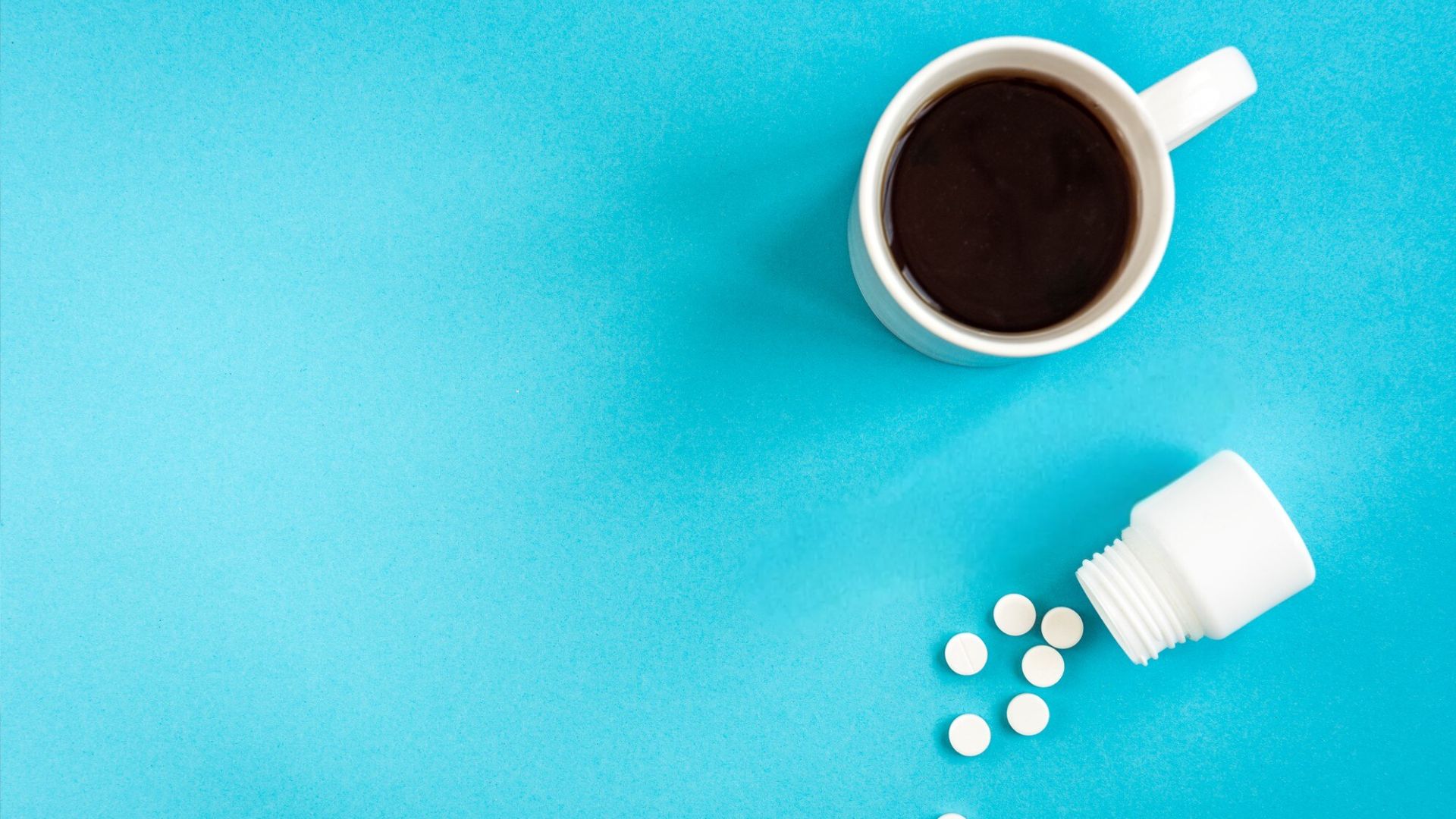
Understanding Ritalin and Caffeine
Ritalin works by increasing dopamine and norepinephrine levels in the brain, which helps improve focus, attention, and impulse control in people with ADHD. That stimulating action is exactly why Ritalin is classified as a stimulant, placing it in the same broad category as caffeine.
Common potential side effects of Ritalin include insomnia, increased blood pressure and heart rate, anxiety, appetite loss, and headaches. Concerta, another brand name for methylphenidate, has a similar profile, has similar effects, and is used for the same conditions.
However, because Ritalin affects the brain’s reward system, it carries a risk of dependence or addiction, especially when misused. Individuals struggling with Ritalin dependence may benefit from seeking help at a specialized addiction treatment center.
Caffeine, found in coffee, energy drinks, tea, and some medications, stimulates the central nervous system by blocking adenosine, a neurotransmitter that promotes drowsiness. The effects of caffeine may include increased alertness, improved cognition, and enhanced mood, but high doses of caffeine can cause jitteriness, anxiety, insomnia, palpitations, and increased heart rate and blood pressure. Both belong to the wider range of substances covered in our stimulant addiction guide, which explains how these compounds act on the nervous system.
What Happens When You Mix Ritalin and Caffeine?
Both Ritalin and caffeine are stimulants, so combining them may intensify their effects on the body and brain. Because both are stimulants, it helps to understand the key differences between stimulants and depressants and why combining two drugs of the same class magnifies their effects.
Potential Drug Interactions and Risks
Increased Stimulant Effects
Drinking coffee and methylphenidate together stimulates the central nervous system, which may amplify side effects such as anxiety, restlessness, and insomnia.
Cardiovascular Concerns
Combining Ritalin and caffeine may increase heart rate and blood pressure, raising concerns for those with high blood pressure or heart conditions.
Individual Responses
Some people with ADHD may tolerate the combination well, while others may experience significant discomfort or adverse reactions. It is important to be aware of potential side effects and monitor how your body responds.
Reduced Medication Effectiveness
In rare cases, excessive caffeine intake may interfere with the benefits of taking Ritalin, possibly masking fatigue or causing mood swings. These shifts can extend to mood as well, and understanding how Ritalin affects mood and emotions is worth doing before adding caffeine to the mix.
Dependence and Addiction
Ritalin carries a potential for misuse and addiction, especially when combined with other stimulants like caffeine. Overuse may lead to physical and psychological dependence, highlighting the importance of medical supervision and responsible use. The same misuse risk applies to related medications, so recognizing the symptoms of Adderall addiction can help you spot a developing problem early.
How Ritalin Compares to Other Prescription Stimulants
Ritalin is often weighed against amphetamine-based medications, and patients commonly ask whether Adderall is a depressant given how differently the two can feel. Emotional side effects come up with both drugs, which is why some people research whether Adderall makes you emotionally numb over long-term use. Prescription stimulants can also complicate drug testing, since a number of medications are linked to false positives for cocaine on routine screens.
Clinical Guidelines and Medical Advice
There is limited research specifically on the interactions between caffeine and Ritalin, but clinical guidelines generally recommend caution. If you take Ritalin or Concerta, always talk to your doctor or pharmacist before combining stimulant medications with caffeine. Your healthcare provider can help you weigh the risks of increased side effects and the benefits, considering your health history, dosage, and any other medications you may be taking.

Stimulants, Depressants, and Other Drug Classes
Not every substance fits neatly into the stimulant category, and many people wonder whether marijuana is a stimulant or a depressant. Others sit well outside it, such as PCP, whose side effects and addiction signs look very different from those of Ritalin or caffeine.
Practical Tips for Safe Use
- Start Low, Go Slow: If you decide to take caffeine and methylphenidate together, begin with a low amount of caffeine and monitor for side effects like jitteriness, anxiety, or palpitations.
- Avoid Late-Day Caffeine: To reduce the risk of insomnia, avoid caffeinated drinks in the afternoon or evening.
- Monitor Heart Rate and Blood Pressure: Be especially careful if you have a history of high blood pressure, heart disease, or anxiety disorders.
- Tell Your Doctor: It’s important to tell your doctor or healthcare provider about all medications and supplements you take, including caffeine, so they can help you manage potential drug interactions and side effects.
When to Avoid Combining Ritalin and Caffeine
Pre-existing Heart or Mental Health Conditions
People with serious heart problems, high blood pressure, or anxiety disorders should avoid combining Ritalin and caffeine, as the combination may increase the risk of side effects like palpitations, nervousness, or even serious heart complications.
Experiencing Side Effects
If you notice increased anxiety, insomnia, or other unwanted effects, reduce your caffeine intake and consult your healthcare provider.
High Doses
Avoid high doses of caffeine or energy drinks when taking stimulant medications like Ritalin and Concerta, as this may increase the risk of side effects and drug interactions.
Cocaine, Crack, and Their Different Forms
Illicit stimulants raise their own questions, beginning with the difference between crack and cocaine. Street drugs are also frequently adulterated, which is why it helps to know what pink cocaine is made of. How a drug is prepared matters too, and freebasing is one method that speeds cocaine’s effect on the brain.
The Health Effects of Cocaine Use
Cocaine’s physical toll can be serious, and many users ask how long chest pain from cocaine use lasts. Quitting after regular use brings challenges of its own, so knowing what cocaine withdrawal feels like helps people prepare for recovery.
Recognizing and Treating Methamphetamine Use
Methamphetamine is another potent stimulant, and people often ask whether crack and meth are the same even though they are distinct drugs. Catching a problem early matters, so it helps to learn how to tell if someone is on meth. For those ready to stop, a realistic meth detox timeline sets expectations for recovery.
Final Thoughts from Radix Recovery
Combining methylphenidate and caffeine may intensify stimulant effects, increasing the risk of side effects like insomnia, anxiety, increased heart rate, and high blood pressure. While some adults with ADHD may tolerate moderate caffeine intake, individual responses vary, and the risk of side effects should not be ignored.
Recognizing the signs of Ritalin dependence or addiction is the first step toward getting meaningful help. What may begin as misuse can quickly lead to dependency and addiction without proper intervention. At Radix Recovery in Cedar Rapids, Iowa, our Ritalin addiction treatment programs address the physical, emotional, and psychological challenges of stimulant use, and our compassionate, evidence-based care can help guide the way to lasting recovery.