Drug testing, particularly urine drug screens, is a common practice in workplaces, medical settings, and legal environments. Accurate test results are critical to making informed decisions about an individual’s health or employment status. However, false positive results can occur and cause unnecessary stress, confusion, or consequences. This is especially important when it comes to cocaine testing. For people who need more than weekly appointments, inpatient treatment in Cedar Rapids provides continuous support.
This article will look into how certain medications and substances may cause a false positive on a cocaine urine drug test, why false positives happen, and the importance of confirmatory testing to ensure accurate interpretation of results.
Mechanisms of False Positive Cocaine Test Results
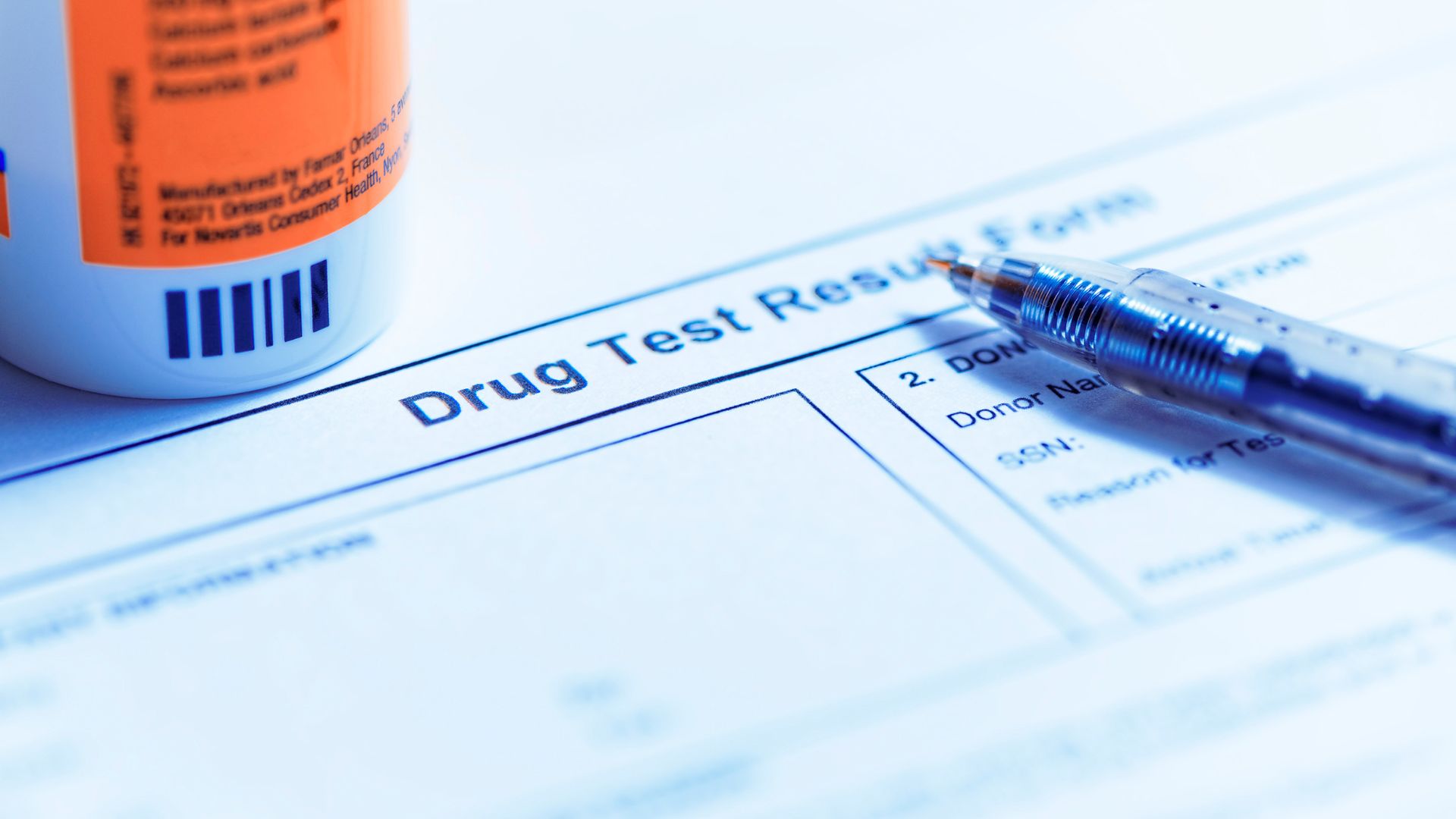
A false positive drug test result occurs when a urine drug screen indicates the presence of cocaine or its metabolites, but the person has not used illicit drugs. Immunoassay drug tests, commonly used for initial cocaine screening, detect specific metabolites like benzoylecgonine in urine samples. However, these tests can cross-react with chemically similar substances, which can produce false positive results.
Factors influencing a result include:
- the sensitivity and specificity of immunoassay testing
- the type of drug test used
- the temperature and condition of the urine sample
- individual metabolism.
Since immunoassay drug tests are designed for speed and broad screening, they can produce negative results, which is why a more specific second test, such as Gas Chromatography-Mass Spectrometry (GC-MS), is essential for confirmation.
While false positive results due to factors detected in urine drug screens can occur because of the cross-reactivity of certain medications, it is important not to overlook the serious need for comprehensive cocaine addiction recovery when specific drug use is confirmed. Cocaine addiction profoundly affects the brain, body, and emotional health, necessitating a multifaceted treatment approach that includes medical detox, therapy, and ongoing support.
Genuine cocaine use can also produce alarming physical symptoms, and many people wonder how long chest pain from cocaine use lasts after a heavy episode.
For anyone whose confirmed results do reflect actual use, knowing what cocaine withdrawal looks like can help them prepare for the earliest stage of recovery.
Cocaine is just one of many substances covered in our broader guide to stimulant addiction, which explains how these drugs affect the body and why they carry such a high risk of dependence.
Medications That May Cause False Positive Results
Certain prescriptions and over-the-counter medications have been reported to cause positive results in drug tests for cocaine. These products may cause cross-reactivity or interfere chemically with the assay, resulting in an inaccurate positive test result.
Local Anesthetics
Medications like lidocaine, procaine, and novocaine, which are local anesthetics commonly used in dental and minor surgical procedures, have a chemical structure similar to cocaine. Because of this similarity, they can trigger a false positive for cocaine. Individuals who recently underwent dental work or medical treatment involving these anesthetics may get a false positive test result for cocaine despite no drug use.
Prescription Medications Linked to False Positives
Several prescribed medications may cause false positive results on urine drug tests for cocaine:
- Bupropion (Wellbutrin): An antidepressant that can test positive for amphetamines and, in some cases, for cocaine due to chemical overlap.
- Certain Antidepressants: Other medications such as fluoxetine (Prozac) are occasionally reported to produce false positives, though less commonly for cocaine tests.
- Quetiapine (Seroquel): An antipsychotic medication that may interfere with immunoassay drug testing and cause a false positive drug test outcome.
- Decongestants: Over-the-counter drugs containing pseudoephedrine, while more commonly linked to false positives for amphetamines, can sometimes contribute to false positives in general drug screens.
It’s important to note that not everyone taking these medications will yield an inaccurate result. Sensitivity varies based on the type of immunoassay drug test and individual factors.
Over-the-Counter Products and Other Substances
Consuming coca leaf tea or other products containing natural cocaine alkaloids can directly result in positive urine drug screens. Though rare, this is an example where a false positive for an illicit drug actually reflects ingestion of a natural substance.
Other common products and supplements are less frequently associated with cocaine false positives but can lead to inaccurate results in drug testing for other substances, adding to the complexity of urine drug screen interpretation. Adulterated street drugs add another layer of complexity, since a substance like pink cocaine is often a mixture of several compounds rather than cocaine at all.
Prescription Stimulants and Drug Testing
Prescription stimulants deserve special attention, and many patients ask whether Adderall is a depressant given how strongly it affects focus and energy. Long-term use raises other concerns, including the symptoms of Adderall addiction that can develop even with a valid prescription. Some people also report emotional side effects and wonder whether Adderall makes you emotionally numb over time. Ritalin is another commonly prescribed option, and it helps to know whether Ritalin is a stimulant and how it is classified. Its effects reach beyond concentration, which is why some patients look into how Ritalin affects mood and emotions during treatment. Everyday habits can amplify those effects, so it’s reasonable to ask whether you can safely mix Ritalin and coffee.
Cocaine and Related Forms
Because cocaine comes in different forms, it helps to understand the difference between crack and cocaine when interpreting any drug screen. People also frequently confuse these drugs with methamphetamine, so it’s worth clarifying whether crack and meth are the same thing, since they are chemically distinct stimulants. The way a drug is prepared matters too, and freebasing is one method that changes how quickly cocaine reaches the brain.

Confirmatory Testing and Interpreting Drug Test Results
Because immunoassay drug tests can yield false negative results, confirmatory tests are vital. Techniques like Gas Chromatography-Mass Spectrometry (GC-MS) or Liquid Chromatography-Tandem Mass Spectrometry (LC-MS/MS) are more specific and sensitive, able to distinguish cocaine metabolites from other substances that may cause cross-reactivity.
If you receive a positive urine drug test result for cocaine but believe it to be a false positive, it’s important to request a second test that’s more specific. Medical review officers and healthcare professionals will evaluate prescription medications, over-the-counter products, and other factors that could influence test results before making clinical or employment decisions.
Understanding the possibility of false positives emphasizes the importance of confirmatory testing to ensure accurate diagnosis, so individuals receive appropriate treatment without delay or misjudgment.
Cocaine is not the only panel prone to cross-reactivity; we also explain what can cause a false positive benzodiazepine test.
Practical Considerations for Avoiding False Positives
- Disclose all medications: Before urine drug screening, be sure to inform the testing provider about all prescribed medications, supplements, and over-the-counter products you are taking.
- Understand limitations: Know that immunoassay drug tests are screening tools prone to false positives and negatives. Positive results warrant further confirmatory testing.
- Legal and workplace policies: False positive drug test results in workplace drug testing or pre-employment screenings can have serious implications. Advocating for confirmatory testing safeguards against unfair outcomes.
- Frequency of drug use and test timing: Occasional drug users, or those exposed to certain medications, might trigger positive results depending on the drug’s metabolic window and urine testing sensitivity.
Beyond cocaine, families often need to know how to tell if someone is on meth, including the warning signs and the right next steps. And for those entering treatment, a clear meth detox timeline sets realistic expectations for the days ahead.
Understanding Stimulants vs. Other Drug Classes
Interpreting any screen is easier once you understand the key differences between stimulants and depressants and how each class acts on the nervous system. That distinction gets murky with certain substances, which is why many people ask whether marijuana is a stimulant or a depressant. Other drugs fall outside these categories entirely, such as PCP, whose side effects and addiction signs deserve their own attention.
Final Thoughts from Radix Recovery
Some medications and products can trigger false positives for cocaine on urine drug tests. Initial screening methods, like immunoassays, may cross-react with certain prescriptions, making confirmatory testing essential for accurate results. Always disclose any medications you’re taking, and remember that proper interpretation helps prevent misunderstandings and ensures fair outcomes.
At Radix Recovery, we understand that overcoming cocaine addiction is a multifaceted journey that demands consistent support and dedication. Our cocaine addiction treatment programs in Cedar Rapids, Iowa, are designed to guide individuals through every phase of recovery using evidence-based methods and a structured, compassionate approach. Whether you’re seeking help for yourself or someone close to you, we offer the tools and guidance needed to build lasting change and sustain sobriety.