
Pink cocaine, often called “tusi,” is an illicit party-drug mixture that has spread through the club scenes of the United States, Latin America, and Europe. Despite the name, it rarely contains any cocaine at all. It is usually a powdered cocktail of several drugs dyed bright pink and marketed as a premium designer experience. Knowing what pink cocaine is actually made of helps users, families, and clinicians understand why it is so dangerous. If you or someone you love is struggling with it, our cocaine addiction treatment program can help. This guide is part of our larger stimulant addiction resource library.
What Is Pink Cocaine?
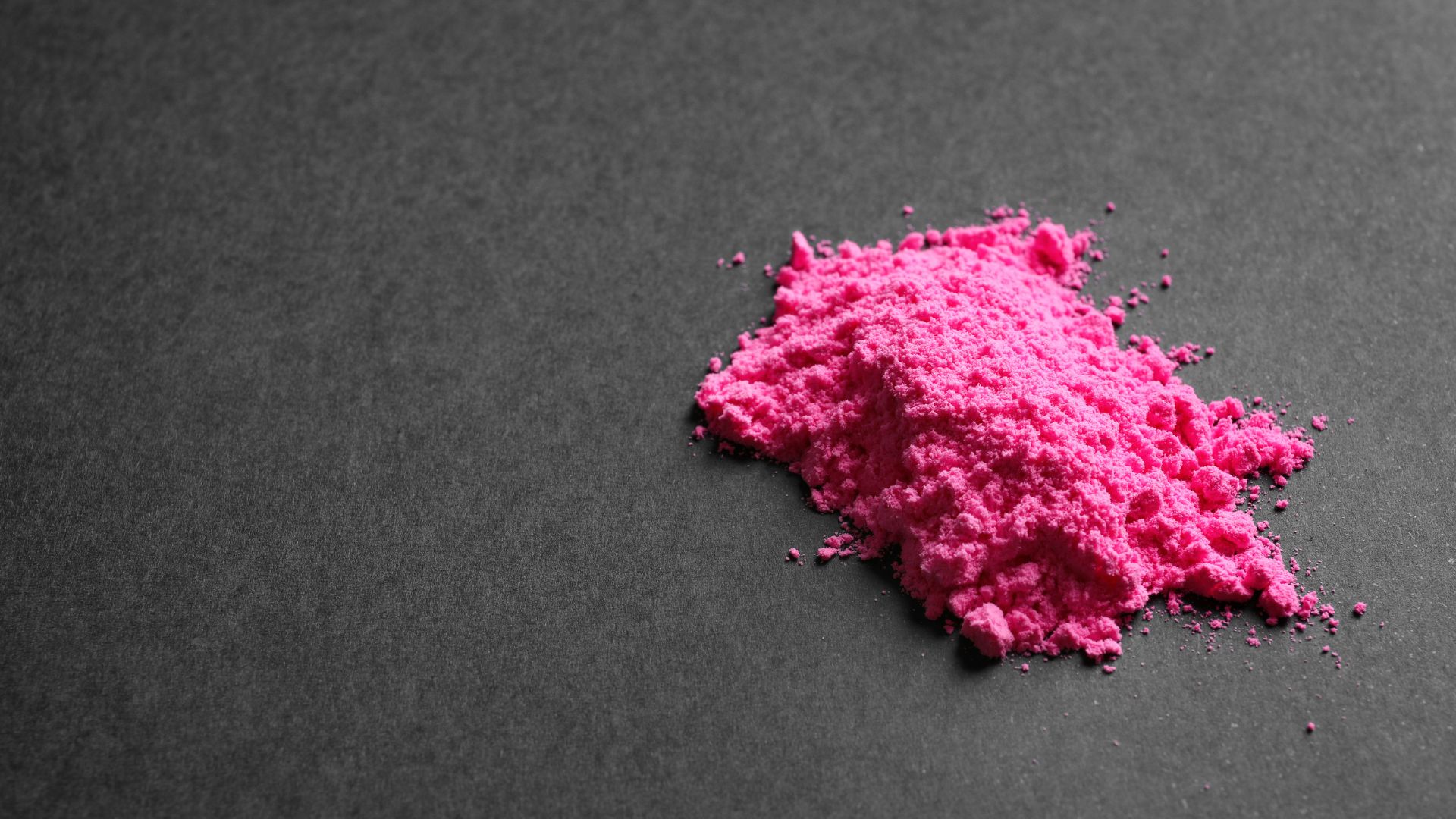
The name “tusi” comes from the Spanish pronunciation of 2C-B, a synthetic psychedelic first created by chemist Alexander Shulgin in the 1970s. Over time, as 2C-B became harder to source, dealers began selling pink-dyed mixtures under the same name, so most street samples today contain little or no 2C-B [1]. The pink dye is primarily for branding. It makes the product recognizable but tells a buyer nothing about what is inside. Radix Recovery offers inpatient rehab in Iowa for people who need distance from daily triggers.
Because it is sold as a single named product, many people assume pink cocaine is one consistent drug, much like they might compare crack and powder cocaine. In reality, it has no standard recipe. Each batch is a different blend, which is exactly what makes it so risky.
What Pink Cocaine Is Made Of
Pink cocaine is a mixture rather than a single substance. Laboratory testing shows the contents shift from batch to batch, but commonly reported components include:
- Ketamine: a dissociative anesthetic that causes numbness, detachment, and perceptual changes
- MDMA (ecstasy): an empathogen and stimulant that produces euphoria, warmth, and energy
- Caffeine: a common filler and stimulant
- Methamphetamine: a powerful stimulant that has been detected in some batches
- 2C-B: the original psychedelic associated with the name, now rarely present
- Dyes and additives: pink coloring used primarily for marketing
DEA laboratory analysis has found pink powders containing combinations such as ketamine and MDMA, methamphetamine with ketamine and MDMA, cocaine mixed with fentanyl, and fentanyl combined with xylazine [2]. These findings show how widely the contents can vary, not that every combination is equally common. Typical tusi samples most often contain ketamine and MDMA, frequently with caffeine [3]. The table below breaks down substances that may be detected.
| Component | Drug Class | Effect on the Body |
|---|---|---|
| Ketamine | Dissociative anesthetic | Numbness, detachment, confusion, and perceptual changes |
| MDMA | Empathogen and stimulant | Euphoria, raised heart rate, and increased body temperature |
| Methamphetamine | Stimulant | Alertness, agitation, elevated heart rate, and high addiction potential |
| Caffeine | Stimulant | Increased heart rate and energy |
| Fentanyl | Opioid | Sedation and dangerous respiratory depression |
Because meth may appear in some batches, some users mistakenly think tusi is interchangeable with other stimulants, though, as we explain in Is Crack and meth the Same, these drugs are not the same.
Talk With Radix Recovery Today
Get confidential guidance and learn whether residential treatment is the right next step for lasting recovery.
Inpatient Rehab in IowaWhy Pink Cocaine Is So Unpredictable

The core danger of pink cocaine is simple: no one using it can know what is in it or how much. One dose might be mostly ketamine, while the next contains MDMA, methamphetamine, cocaine, fentanyl, or another substance. This combination of different drug classes in a single powder places enormous strain on the body, and it is a clear example of why the differences between stimulants and depressants matter.
Mixing stimulants, dissociatives, and depressants does not make their effects cancel out. Instead, the substances can mask warning signs, create overlapping toxic effects, and make heart, brain, and breathing complications harder to predict.
The possible presence of fentanyl is especially alarming. Even a small, hidden amount can cause a fatal overdose in someone who has no idea an opioid is present [2]. Batches are often mixed in unregulated settings, so potency and contents can vary widely.
Effects of Pink Cocaine on the Body
Because it may blend stimulants, a dissociative, and sometimes opioids, the effects are erratic and can escalate quickly. Common effects and warning signs include:
- Rapid heart rate, high blood pressure, and chest discomfort
- Euphoria followed by agitation, paranoia, or emotional instability
- Dissociation, hallucinations, and confusion
- Nausea, dehydration, and dangerous overheating, especially in hot venues
- Elevated body temperature that can progress to hyperthermia
- Sedation or slowed breathing if opioids are present
If the mixture contains MDMA, combining it with other substances, including some prescription medications, can increase the risk of serious adverse effects. MDMA can raise blood pressure and cause a dangerously steep increase in body temperature, especially in warm, physically active environments [4]. Stimulant strain on the heart can also trigger chest pain, a symptom explained in our article on how long chest pain from stimulant use lasts. Agitation, paranoia, and hallucinations can also look similar to other stimulant use, as described in our guide on how to tell if someone is on meth.
Risks and Overdose Dangers
Overdose is a real and serious threat with pink cocaine. Because doses are unpredictable, a person can take far more of a substance than they realize. Depending on the substances involved, overdose can cause severe hyperthermia, dangerously fast or irregular heart rhythms, seizures, profound sedation, respiratory depression, or coma [4]. When fentanyl or other opioids are present, the risk of fatal respiratory failure rises sharply.
Repeated use can lead to substance use disorder and longer-term physical or mental health effects, although the exact risks depend on which substances are repeatedly consumed. The dissociative and hallucinogenic ingredients carry their own risks, which we cover in our overview of PCP side effects and addiction signs. If you suspect someone has overdosed on pink cocaine, call 911 immediately, since fast medical care can save a life.
Getting Help and Treatment
Recovery from pink cocaine use begins with a clinical assessment to determine which substances may be involved and whether medically supervised withdrawal management is needed. From there, treatment addresses the specific drugs involved, whether stimulants, dissociatives, or opioids, along with any co-occurring mental health conditions. For the wider context, see our in depth stimulant addiction guide.
When methamphetamine or another stimulant is part of the mix, recovery may involve symptoms similar to those we outline in our meth detox timeline guide. Evidence-based therapies, structure, and support give people the best chance at lasting recovery.
Because tusi so often combines several drug classes, our article on why detox for polysubstance use requires a different approach explains what that means for treatment.
What Is Pink Cocaine Made Of? Frequently Asked Questions
Does pink cocaine actually contain cocaine?
Usually not. Despite the name, most pink cocaine contains little or no cocaine. Laboratory testing commonly finds a mix of ketamine, MDMA, and caffeine, while some tested pink powders have contained methamphetamine, cocaine, fentanyl, xylazine, or other additives. The pink dye is only for marketing and reveals nothing about the contents.
Why is pink cocaine so dangerous?
Its contents and potency change from batch to batch, so users cannot know what they are taking. It commonly combines more than one psychoactive substance, often including ketamine and MDMA, and some tested pink powders have contained fentanyl or other unexpected drugs. This unpredictability increases the risk of poisoning and overdose.
What is the difference between tusi and 2C-B?
2C-B is a specific synthetic psychedelic, and the name “tusi” developed from the Spanish pronunciation of 2C-B. Today, most tusi, or pink cocaine, contains little or no 2C-B. Instead, it is a variable cocktail of other drugs, so the two names no longer describe the same thing.
Final Thoughts from Radix Recovery
Pink cocaine reflects a broader reality of synthetic, unregulated street drugs, where users rarely know what they are actually taking. That uncertainty is the greatest danger of all. At Radix Recovery, we understand the unique challenges these mixtures create. Our addiction treatment programs in Cedar Rapids, Iowa offer comprehensive, medically supervised support for people recovering from stimulant and polysubstance use, helping them reclaim their health with compassionate, evidence-based care.
Sources
- Palamar JJ, et al. “An Update on the Epidemiology of Tusi (‘Pink Cocaine’).” Current Addiction Reports. https://doi.org/10.1007/s40429-025-00706-y
- U.S. Drug Enforcement Administration (DEA), “Pink Cocaine.” https://www.dea.gov/pink-cocaine
- Palamar JJ, et al. “Tusi: A New Ketamine Concoction Complicating the Drug Landscape.” International Journal of Drug Policy. https://pmc.ncbi.nlm.nih.gov/articles/PMC12616815/
- National Institute on Drug Abuse (NIDA), “MDMA (Ecstasy or Molly).” https://nida.nih.gov/research-topics/mdma-ecstasy-or-molly