Crack and meth are often lumped together as street drugs, so people ask, is crack and meth the same? No. Both are powerful stimulant drugs that act on the central nervous system, but they differ in origin, chemical composition, and duration. These distinctions matter for anyone weighing treatment options, like a cocaine addiction treatment program.
Crack cocaine and crystal meth both carry significant risks, including addiction, overdose, and lasting harm to mental and physical health. Both have high addiction potential, particularly because they can produce intense effects and reinforce repeated use. Our inpatient rehab team combines clinical care with a full daily schedule.
This guide covers what each substance is, the key differences between crack and meth, the health risks, and treatment options for long-term recovery. It also notes the difference between stimulants and depressants.
What Are Crack Cocaine and Crystal Meth?
Before comparing crack vs meth, it helps to know what each is. Both crack cocaine and illicit crystal meth are stimulants that speed up activity in the brain and body, unlike debated substances such as whether marijuana is a stimulant or a depressant.
Understanding Crack Cocaine
Crack cocaine is a form of cocaine base derived from the coca plant. It commonly appears as small, irregularly shaped white or off-white rocks and is usually smoked. Crack is commonly made by processing powdered cocaine with water and baking soda or another alkaline substance, then heating it into solid rocks. It is commonly referred to as crack because of the crackling sound it can make when heated [1].
Crack is typically smoked, and crack’s intense high often lasts only 5 to 10 minutes [1]. That short, powerful rush gives crack cocaine a high addiction potential and can drive binge use, frequent redosing, and intense cravings. Crack is related to, but not identical to, other freebase forms of cocaine.
Talk With Radix Recovery Today
Get confidential guidance and learn whether flexible, structured outpatient treatment is the right next step for your recovery.
Intensive Outpatient Program in IowaWhat Is Crystal Meth?
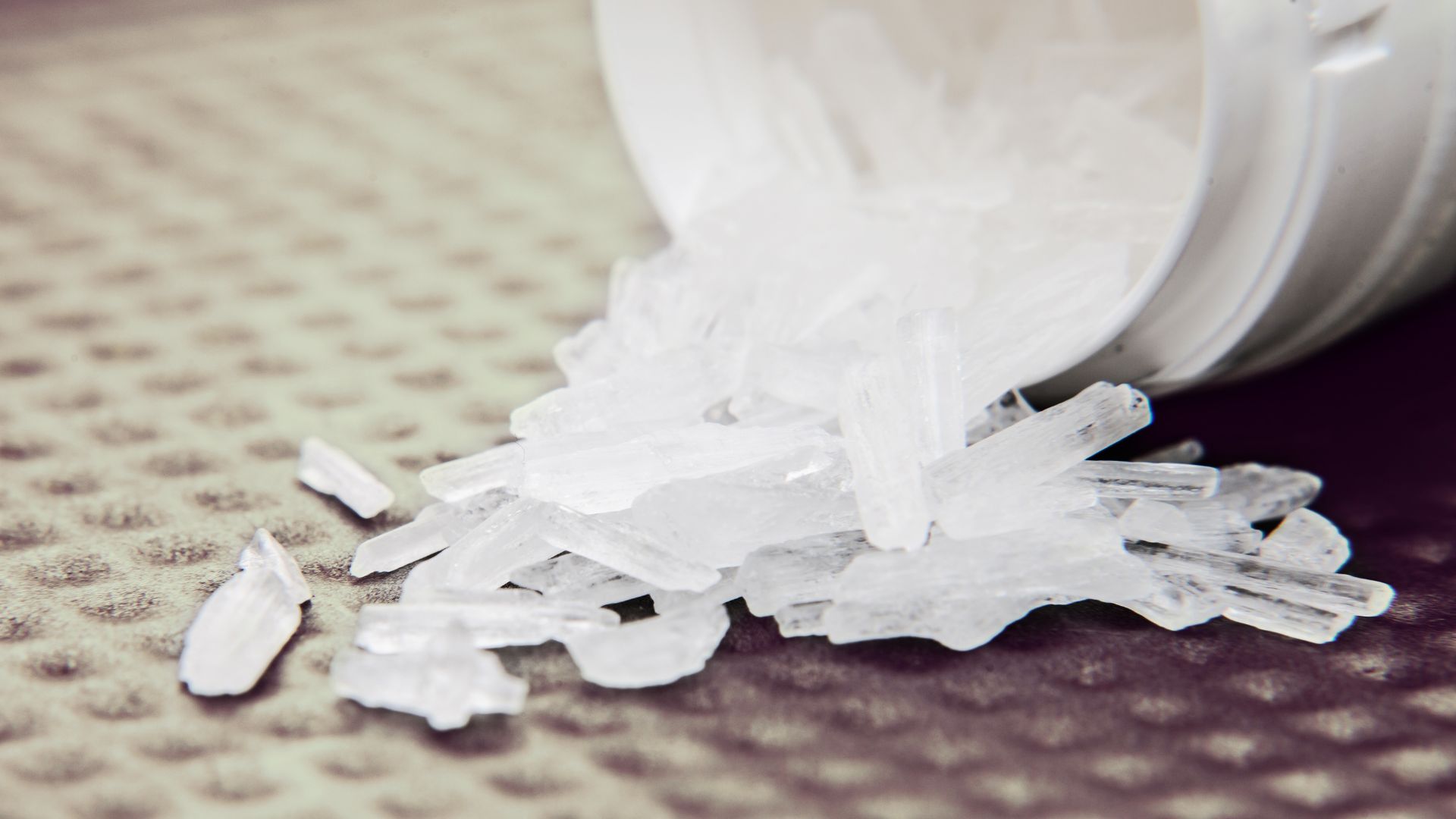
Methamphetamine, commonly called crystal meth, is a synthetic stimulant drug. Unlike crack, meth is not plant-based. Meth is manufactured using chemical precursors. Some production methods use pseudoephedrine, while others use different precursor chemicals [2]. Crystal meth commonly appears as clear or bluish-white crystals that resemble glass fragments.
Meth can be smoked, snorted, swallowed, or injected, and it is sometimes pressed into pill form. Because meth produces longer-lasting effects than crack, meth use can fuel prolonged use and sleep deprivation. Its stimulant effects can continue for many hours, depending on the dose, route, purity, and individual [2].
How Crack and Meth Are Similar
Despite their significant differences, crack and meth share traits. Both are highly addictive stimulants that sharply increase dopamine signaling in brain reward pathways. Cocaine primarily prevents dopamine from being recycled, while methamphetamine increases dopamine release and interferes with normal dopamine signaling. These effects produce euphoria and reinforce repeated drug-seeking behavior [1][3].
Both raise reward-system activity and can trigger anxiety, agitation, and paranoia. Both drugs can be highly addictive and carry serious risks, including overdose. Mixing either with other substances or using a product contaminated with fentanyl raises the danger further.
Why Both Are Highly Addictive Stimulants
Stimulant addiction develops as the brain adapts to repeated changes in dopamine and other signaling systems. The rapid, intense effect of smoked crack can encourage repeated dosing, while meth’s longer duration can contribute to prolonged use and sleep deprivation. Repeated use of either drug can strengthen compulsive patterns, but the speed at which stimulant addiction develops varies from person to person.
Key Differences Between Crack and Meth
While both are dangerous, the key differences between meth and crack come down to chemistry, appearance, methods of use, and duration. Since crack is a form of cocaine, our breakdown of crack vs. cocaine and how they differ is a useful companion for understanding where crack fits among stimulants.
Chemical Composition and Origin
The clearest contrast is chemical composition and origin. Crack contains cocaine base derived from the coca plant and is commonly produced from powdered cocaine using an alkaline substance. Methamphetamine is a separate synthetic compound manufactured using chemical precursors, which may or may not include pseudoephedrine [1][2]. This plant-derived versus synthetic distinction is one of the most significant differences. Lab-made substances like pink cocaine blur these lines.
How Each Drug Is Used
Duration is another significant difference. A crack high often lasts about 5 to 10 minutes, while meth’s stimulant effects can continue for many hours [1][2]. Crack cocaine is primarily smoked, while methamphetamine can be smoked, swallowed, snorted, or injected. Meth’s longer duration can cause prolonged wakefulness, sleep deprivation, and worsening psychiatric symptoms.
Crack vs Meth: A Side-by-Side Comparison
The table below shows how these two addictive drugs compare.
| Feature | Crack Cocaine | Crystal Meth |
|---|---|---|
| Origin | Derived from the coca plant | Synthetic stimulant made with chemical precursors |
| Chemical composition | Cocaine base, commonly produced using an alkaline substance | Synthetic methamphetamine |
| Appearance | White or off-white rocks | White powder or clear or bluish-white crystals |
| Common methods of use | Primarily smoked | Smoked, snorted, swallowed, or injected |
| Duration of high | Often about 5 to 10 minutes | Effects can continue for many hours |
| Main long-term risks | Respiratory injury, cardiovascular complications, and stroke | Severe dental disease, cognitive problems, cardiovascular harm, and psychosis |
Crack vs meth is not about one being harmless. Both are dangerous stimulant drugs, and people experiencing compulsive use, severe withdrawal symptoms, or safety concerns should seek a professional assessment rather than trying to manage the problem without support.
Health Risks of Crack and Meth
Both pose serious health risks, though some health complications differ. The toll on physical and mental health is why help matters, and the long-term consequences can reach nearly every part of daily life.
Cardiovascular and Physical Health Risks
Both crack and meth carry cardiovascular risks such as elevated heart rate, high blood pressure, heart attack, and stroke. Smoking crack can also cause respiratory and lung problems. If you notice chest pain from cocaine use, seek emergency medical care [1].
Meth users face their own long-term health consequences. Long-term meth use is associated with severe dental disease known as meth mouth, skin sores, memory problems, weight loss, and cardiovascular damage [3]. Crack smoking carries particular respiratory risks, while meth use is strongly associated with severe dental damage. Neither drug can be considered physically safe.
Mental Health Risks
The mental health toll is heavy. Long-term or heavy meth use can contribute to cognitive difficulties, memory loss, anxiety, paranoia, hallucinations, and psychosis [3]. Repeated crack cocaine use can alter brain systems involved in reward, mood, judgment, and impulse control, and some effects may persist after use stops [1].
Both drugs are tied to mental health issues and mental health problems such as extreme anxiety, depression, agitation, and paranoia. These symptoms strain personal relationships and erode mental well-being. The damage to mental and physical health shows why early treatment counts.
Recognizing Crack Addiction and Meth Abuse
Recognizing the signs early can save lives. Crack abuse and meth abuse both erode health, finances, and relationships, though patterns differ.
Recognizing Crack Addiction
Crack addiction often appears as an inability to stop despite harm. Warning signs include intense cravings, money trouble, neglected responsibilities, and continued use despite physical or emotional consequences. Because the high is short, drug abuse can spiral into repeated dosing during one session.
Testing is not always clear-cut, and some substances may produce false positive cocaine test results. An unexpected cocaine-positive screening result may require confirmatory laboratory testing, especially when the result conflicts with the person’s medication history or reported substance use.
Crack Abuse and Meth Abuse Warning Signs
Meth abuse may show up as prolonged wakefulness, weight loss, skin sores, anxiety, and paranoia, while crack abuse can involve cycles of rapid highs and frequent redosing. Increasing doses, frequent redosing, unpredictable purity, and mixing substances can all raise overdose risk. Spotting the signs someone is using meth helps families act sooner.
Common warning signs of stimulant addiction include:
- Intense cravings and compulsive drug-seeking behavior
- Withdrawal symptoms when use stops
- Neglect of personal relationships and responsibilities
- Rising tolerance or increasing doses
- Declining physical health and mental well-being
- Continuing to use despite clear harm
Addiction Potential: Two Highly Addictive Drugs
Both rank among drugs with high addiction potential, yet their patterns of use differ. Crack’s rapid, intense high can drive repeated dosing, while meth’s long duration may sustain prolonged use and sleep deprivation. Repeated use of either drug can change brain systems involved in reward, motivation, stress, and decision-making, making quitting difficult without support. This holds across many stimulant drugs, even prescription ones, as with Adderall addiction symptoms.
Withdrawal Symptoms From Crack and Meth

People who stop these drugs may experience withdrawal symptoms as the brain and body readjust. Symptoms can include fatigue, depressed or dysphoric mood, anxiety, intense cravings, sleep disturbances, increased appetite, and difficulty concentrating. Detoxing from crack and meth can also involve agitation or slowed movement, and withdrawal from crack and meth is often emotionally challenging [4].
Some users may experience suicidal thoughts, psychosis, or severe depression during withdrawal. Because these symptoms can create serious safety concerns, professional care may be needed to manage withdrawal symptoms safely [4].
Common withdrawal symptoms from crack and meth include:
- Fatigue and low energy
- Depression and anxiety
- Intense cravings
- Sleep problems and disrupted rest
- Increased appetite
- Trouble concentrating
- Suicidal thoughts in severe cases
For a day-by-day picture of what stopping meth involves, our chapter on detoxing from meth walks through each phase.
Treatment Options for Crack and Meth Addiction
Recovery is possible with support. Effective treatment addresses compulsive use, physical and mental health, psychological triggers, other substance use, and the person’s recovery environment.
Medical Detox and Inpatient Care
Treatment begins with an assessment of stimulant use, physical and mental health, withdrawal symptoms, other substance use, and the safety of the person’s environment. Some people need inpatient or medically monitored care, particularly when they have severe depression, suicidal thoughts, psychosis, cardiovascular symptoms, polysubstance withdrawal, or an unsafe home. Others can begin treatment in an outpatient setting [4].
For severe addiction or major safety concerns, inpatient rehab provides 24/7 care. A medically supervised drug detox can make this transition safer when close monitoring is clinically appropriate.
Behavioral Therapies and Long-Term Recovery
Behavioral therapies drive lasting change. Contingency management, which uses structured incentives to reinforce treatment goals, should be a primary component of treatment for stimulant use disorder when available. Cognitive Behavioral Therapy (CBT) can help change harmful thought patterns and coping behaviors. Long-term recovery may also include support groups, community reinforcement, mental health care, and relapse prevention planning [4].
Comprehensive treatment blending therapy, peer support, and appropriate medical care supports long-term recovery.
Is Crack and Meth the Same? Frequently Asked Questions
Is meth worse than crack?
Neither drug is safe, and both carry severe risks. Meth’s effects last much longer, often continuing for many hours and contributing to prolonged wakefulness and severe dental damage. Crack’s high is shorter, but its rapid cycle can drive frequent use. The greater danger depends on the person, dose, route, frequency, drug purity, underlying health, and pattern of use.
Can you get addicted to crack or meth quickly?
Both drugs can reinforce repeated use quickly, particularly when smoked or injected. However, there is no set number of uses or fixed timeline after which addiction develops. Risk rises with frequent use, larger doses, rapid routes of administration, and individual vulnerability.
What does treatment for crack or meth addiction involve?
Treatment usually begins with a clinical assessment. Some people need medically monitored withdrawal support or inpatient care, while others can start in outpatient treatment. Comprehensive treatment may combine contingency management, cognitive behavioral therapy, peer support, mental health care, and long-term recovery planning.
Final Thoughts
So, are crack and meth the same? No. They are two distinct but serious addictive drugs with different origins yet overlapping dangers. Both threaten physical and mental health and respond to professional care. If you or a loved one is struggling, our drug detox program in Cedar Rapids can help determine the safest first step.
Sources
- National Institute on Drug Abuse (NIDA), “Cocaine.” https://nida.nih.gov/research-topics/cocaine
- U.S. Drug Enforcement Administration (DEA), “Drug Fact Sheet: Methamphetamine.” https://www.dea.gov/sites/default/files/2025-01/Methamphetamine-Drug-Fact-Sheet.pdf
- National Institute on Drug Abuse (NIDA), “Methamphetamine.” https://nida.nih.gov/research-topics/methamphetamine
- American Society of Addiction Medicine and American Academy of Addiction Psychiatry, “The ASAM/AAAP Clinical Practice Guideline on the Management of Stimulant Use Disorder.” https://downloads.asam.org/sitefinity-production-blobs/docs/default-source/quality-science/stud_guideline_document_final.pdf