
PCP is a powerful dissociative drug with a reputation for unpredictable medical and behavioral effects. Understanding these side effects and the signs of addiction can help families step in before serious harm occurs. Known on the street as angel dust, PCP can distort reality, memory, and emotion, and repeated use can damage both mind and body. If you or someone you love is struggling with PCP, a PCP addiction treatment program offers a path toward recovery. This guide covers the effects of PCP, the warning signs of PCP abuse, and the treatment options that support lasting change. Our round the clock inpatient care combines clinical care with a full daily schedule.
What Is PCP? Angel Dust and Other Street Names
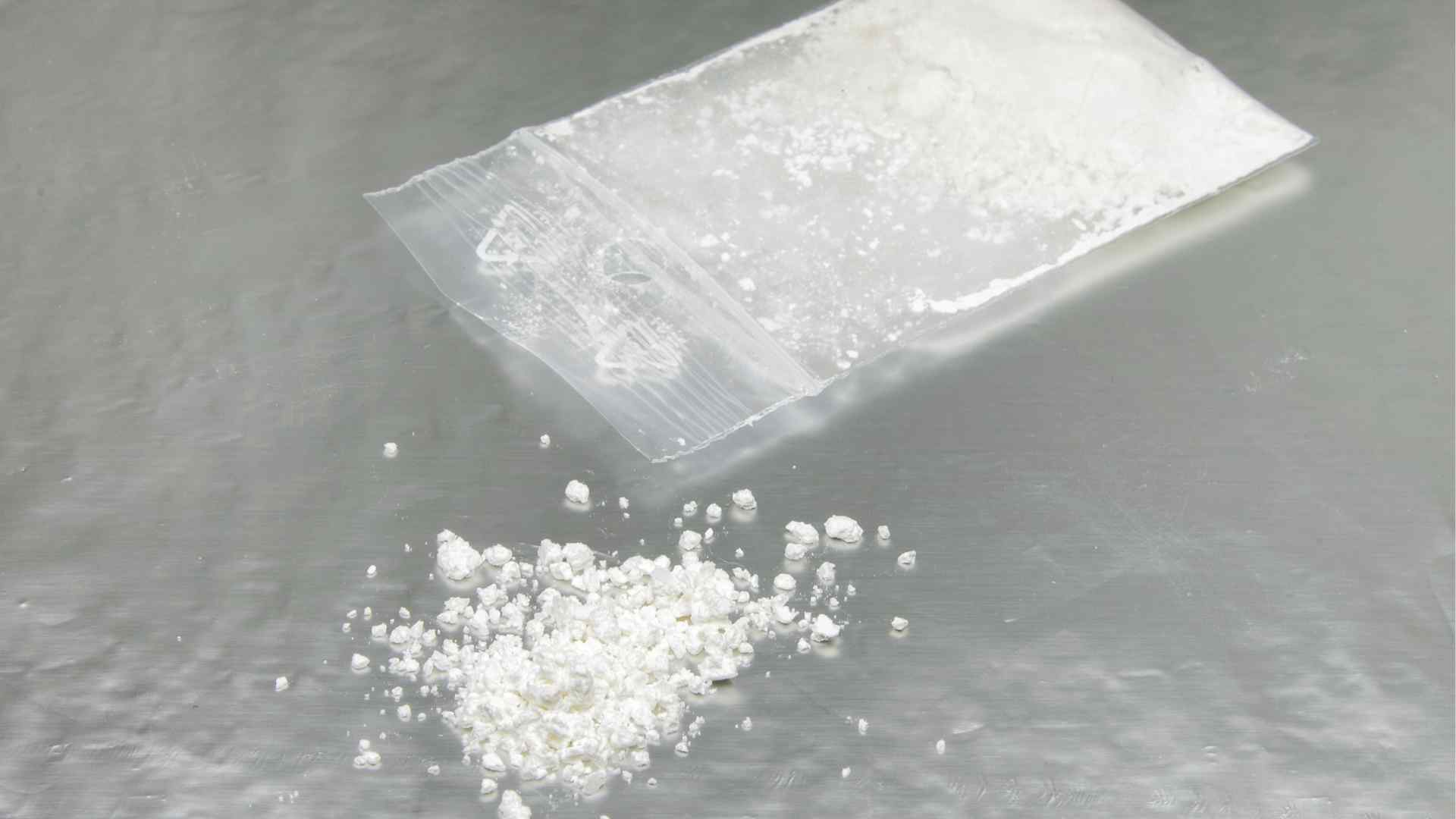
PCP, short for phencyclidine, is an illegal street drug that was first developed in the 1950s as an intravenous anesthetic. Because the drug caused some patients to experience severe or prolonged agitation, hallucinations, and delirium, it was withdrawn from human medical use. PCP was later used as a veterinary anesthetic before that use was also discontinued. It became widely used as an illicit drug during the late 1960s and 1970s and remains dangerous today.[1]
Today, PCP is sold under street names such as angel dust, rocket fuel, peace pill, embalming fluid, hog, killer weed, love boat, ozone, and super grass. Street names vary by region and do not reliably identify the drug’s form, strength, or contents.
PCP usually appears as a white crystalline powder that can be dissolved in water or alcohol. It may be sold as a powder, liquid, tablet, or capsule. PCP can be snorted, swallowed, injected, or smoked. Liquid PCP may also be applied to tobacco, marijuana, or other plant material before it is smoked.
Federal regulations classify phencyclidine as a Schedule II controlled substance.[2] Illicitly manufactured PCP and its nonmedical use remain illegal. For a sense of how street drugs get compared, see our guide on whether crack and meth are the same.
| Form or presentation | Common description | How it may be used |
|---|---|---|
| White crystalline powder | White or off-white powder | Snorted, swallowed, dissolved, or injected |
| Liquid form | PCP dissolved in water, alcohol, or another liquid | Applied to cigarettes or plant material, swallowed, or injected |
| Tablet or capsule | Illicit pills or capsules with uncertain strength | Swallowed |
| PCP-treated plant material | Tobacco, marijuana, parsley, or other leaves treated with PCP | Smoked |
How PCP Affects the Central Nervous System

PCP acts on the central nervous system as a dissociative drug, meaning it can produce a sense of separation from the body, surroundings, or reality. It belongs to a group of drugs commonly described as hallucinogens, though it works differently from classic psychedelics.
As a mind-altering drug, PCP primarily blocks NMDA glutamate receptors in the brain. It also affects other brain signaling systems. These actions can produce detachment, numbness, pain relief, hallucinations, amnesia, confusion, and distorted senses.
Originally developed as a human anesthetic and later used in veterinary medicine, PCP has strong dissociative and pain-blocking properties. A clinical and pharmacological review has documented how PCP disrupts normal signaling in the central nervous system, leading to effects that can vary sharply by dose and setting. Because it is a hallucinogen, some people compare it with cannabis, though our overview of whether marijuana is a stimulant or a depressant shows how different these substances really are.
Talk With Radix Recovery Today
Get confidential guidance and learn whether flexible, structured outpatient treatment is the right next step for your recovery.
Intensive Outpatient Program in IowaCommon Effects of PCP
The effects of PCP vary with the dose, route of administration, other substances involved, and the person. When smoked, PCP’s effects generally begin within two to five minutes and may peak within 15 to 30 minutes. Swallowed PCP usually has a slower onset. At low to moderate doses, the effects of PCP may include euphoria, numbness, poor coordination, and a sense of detachment.[3]
Because PCP has pain-blocking properties, a person may not recognize the severity of an injury. This reduced awareness of pain is one of the drug’s most dangerous adverse effects.
Physical symptoms can appear quickly. Common physical effects of PCP use include sweating, elevated blood pressure, increased heart rate, increased body temperature, blurred vision, poor coordination, and side-to-side eye movements called nystagmus. PCP can cause dangerously high body temperature, or hyperthermia, which may escalate quickly. A racing or irregular heart rate can also occur, and our article on how long chest pain from drug use lasts explains why cardiac symptoms should never be ignored.
- Hallucinations and a strong sense of detachment
- Increased body temperature and high blood pressure
- Numbness, slurred speech, and poor coordination
- Side-to-side eye movements, or nystagmus
- Agitation, paranoia, delusions, or disorganized behavior
- Confusion and impaired memory
Short and Long Term PCP Effects
In the short term, PCP’s effects can feel euphoric, but the experience may shift to fear, paranoia, confusion, or agitation. PCP can cause delusions and psychotic symptoms, and some people become aggressive or engage in risky behavior. These reactions are possible but do not occur in every person who uses PCP.
Over the long term, frequent PCP use increases the risk of persistent health complications. Chronic PCP use may lead to memory problems, difficulty thinking, speech problems, depression, anxiety, and other psychiatric symptoms. Some symptoms may continue for weeks, months, or longer after the person stops using the drug. It is more accurate to describe these problems as persistent or potentially long-lasting rather than assuming that cognitive impairment is always permanent.
Signs of PCP Abuse
Recognizing PCP abuse early can help someone receive care before the consequences become more serious. PCP abuse may appear as erratic behavior, paranoia, impaired coordination, unexplained injuries, or sudden periods of confusion. Repeated PCP use can develop into tolerance, compulsive use, and addiction.
Signs of PCP abuse and drug abuse in general can overlap. Common red flags may include secrecy, financial trouble, withdrawal from loved ones, and neglect of responsibilities. However, no single behavioral change proves that someone is using PCP. Concerning patterns should be discussed with a qualified healthcare or addiction professional.
If you notice possible substance use, our guide on how to tell if someone is using a stimulant may offer additional information about starting a conversation, although PCP is a dissociative drug rather than a stimulant.
- Using PCP despite clear harm to health or relationships
- Compulsive behavior and strong cravings for the drug
- Needing more PCP to feel similar effects
- Neglecting work, school, or family because of drug use
- Repeatedly trying and failing to stop
- Spending significant time obtaining, using, or recovering from PCP
Recognizing PCP Addiction
PCP addiction can develop with repeated use. It may involve psychological dependence, cravings, tolerance, withdrawal symptoms, compulsive behavior, and loss of control over use. A person may continue using PCP even when it is damaging their health, relationships, finances, or ability to meet responsibilities.
PCP withdrawal can also produce physical and psychological reactions, so it is misleading to describe the addiction as entirely psychological. A person may have difficulty recognizing the severity of their use or may delay seeking help.
Recovery from PCP addiction often requires structured support. Our stimulant addiction guide outlines broader addiction treatment principles, although PCP is classified as a dissociative drug rather than a stimulant.
PCP Use and Mental Health
The link between PCP use and mental health is significant. PCP can cause severe anxiety, paranoia, hallucinations, agitation, and psychotic symptoms. Repeated use has also been associated with depression, anxiety, memory problems, and psychiatric symptoms that continue beyond the period of intoxication.
PCP-induced hallucinations and psychosis can resemble symptoms of a primary mental health disorder. A thorough evaluation is needed to determine whether symptoms are caused by intoxication, withdrawal, an underlying mental health condition, or a combination of factors.
Psychological effects can include suicidal thoughts or behavior. Suicidal thoughts require immediate help. In the United States, call or text 988 for crisis support. Call 911 when there is immediate danger, a suspected overdose, severe agitation, a seizure, or loss of consciousness.
PCP Overdose and Emergency Risks
A PCP overdose is a medical emergency. High doses can lead to seizures, coma, altered consciousness, psychosis, severely elevated blood pressure, respiratory problems, or death. A person may also develop severe hyperthermia, muscle rigidity, muscle breakdown, heart rhythm problems, or kidney failure.[4]
Even a single large or unexpectedly concentrated dose can be dangerous. Because illicit PCP varies in strength and may contain other substances, a person may not know how much they have taken.
A historical SAMHSA Drug Abuse Warning Network estimate identified 75,538 PCP-related emergency department visits in 2011. This figure describes 2011 and should not be interpreted as a current annual estimate.[5]
Emergency medicine teams may need to treat severe agitation, monitor blood pressure, temperature, breathing, and heart rate, and manage seizures or other complications. If someone appears severely agitated after possible PCP use, do not approach or physically restrain them unless necessary to prevent immediate harm. Call 911 and follow the dispatcher’s instructions.
Some cases may also involve unexpected drug screening results, which our piece on false positive drug test results helps explain. helps explain. Initial screening results may require confirmation through more specific laboratory testing.
PCP Withdrawal and Detox
Stopping repeated or heavy PCP use can trigger withdrawal symptoms. Reported symptoms include anxiety, agitation, irritability, confusion, hallucinations, cravings, muscle twitching, increased body temperature, weight loss, and, in severe cases, seizures.
The intensity and duration of PCP withdrawal vary. Persistent hallucinations, severe anxiety, suicidal thoughts, seizures, or dangerous agitation require immediate medical or psychiatric attention.
Medical detoxification or residential monitoring is not automatically necessary for every person. A clinical assessment can determine whether someone needs outpatient support, residential treatment, medical monitoring, or psychiatric stabilization. Supervised care may be appropriate when symptoms are severe, other substances are involved, or the person cannot remain safe at home.
Our overview of what to expect during cocaine withdrawal and our meth detox timeline describe withdrawal from other substances, although PCP withdrawal follows a different course.
PCP Intoxication vs Other Drugs
PCP intoxication looks different from intoxication with many other drugs. Characteristic signs may include dissociation, numbness, hallucinations, poor coordination, nystagmus, confusion, high blood pressure, and agitation. Aggressive behavior can occur in some cases but should not be treated as an inevitable effect.
PCP affects several brain systems at once and can produce a mixture of dissociative, hallucinogenic, anesthetic, stimulant-like, and depressant-like effects. To see how substances compare, our guide on the key differences between stimulants and depressants and our breakdown of crack versus cocaine are helpful references.
Mixing PCP with other drugs increases the uncertainty and danger. Smoking PCP may involve tobacco, marijuana, or other plant material. Combining PCP with alcohol, opioids, sedatives, stimulants, or unknown street drugs can increase the risks of impaired judgment, breathing problems, dangerous behavior, injury, and overdose. Our article on what freebasing is explains another risky method of drug use.
Treatment Options for PCP Addiction
Effective treatment options exist for PCP addiction. Treatment commonly includes behavioral counseling, recovery planning, peer or family support, and care for any co-occurring mental health conditions. Cognitive behavioral therapy may help some people identify triggers, challenge unhelpful thoughts, and develop healthier coping skills.
There is currently no medication specifically approved to block PCP’s effects or directly treat PCP use disorder. Medications may still be used to treat individual symptoms or co-occurring conditions.
A structured residential treatment program may be appropriate for someone with severe addiction, unstable mental health, repeated relapse, polysubstance use, or an unsafe home environment. Other people may receive suitable care through partial hospitalization, intensive outpatient treatment, or standard outpatient services.
Treatment options work best when they address the person’s substance use, mental health, medical needs, relationships, and living environment together. With individualized care and continued support, people who use PCP can rebuild their health and their lives.
To compare those settings side by side, our levels of care overview explains what each program looks like from day to day.
PCP Side Effects Frequently Asked Questions
What are the most common PCP side effects?
Common short-term effects may include hallucinations, detachment, numbness, poor coordination, agitation, high blood pressure, increased body temperature, and side-to-side eye movements. Repeated use can contribute to memory problems, difficulty thinking, depression, anxiety, and persistent psychiatric symptoms. At higher doses, PCP can cause seizures, coma, or other medical emergencies.
Is PCP addictive?
Yes. PCP can lead to cravings, tolerance, compulsive use, psychological dependence, and withdrawal symptoms. Repeated PCP use raises the risk of addiction, cognitive problems, psychiatric symptoms, injuries, and serious medical complications.
How is PCP addiction treated?
Treatment usually begins with a clinical assessment. Behavioral counseling, recovery support, relapse prevention, and treatment of co-occurring mental health conditions can help. Severe withdrawal, psychosis, seizures, or dangerous agitation may require medical or residential monitoring. The appropriate level of care depends on the person’s symptoms, safety, substance use history, and home environment.
Sources
- National Library of Medicine, NCBI Bookshelf. “Phencyclidine.” Supports the history of PCP as a human anesthetic, its later veterinary use, its withdrawal from medical use, its dissociative effects, and its action at NMDA receptors.
https://www.ncbi.nlm.nih.gov/books/NBK548654/ - Electronic Code of Federal Regulations. “21 CFR § 1308.12: Schedule II.” Lists phencyclidine as a Schedule II controlled substance under federal law.
https://www.ecfr.gov/current/title-21/chapter-II/part-1308/subject-group-ECFRf62f8e189108c4d/section-1308.12 - MedlinePlus, National Library of Medicine. “Substance Use: Phencyclidine (PCP).” Supports the drug’s forms, routes of administration, street names, onset when smoked, short- and long-term effects, addiction signs, withdrawal symptoms, and treatment information.
https://medlineplus.gov/ency/patientinstructions/000797.htm - MedlinePlus, National Library of Medicine. “Phencyclidine Overdose.” Supports the claims about seizures, coma, severe agitation, psychosis, high blood pressure, nystagmus, impaired coordination, emergency care, and potentially fatal PCP poisoning.
https://medlineplus.gov/ency/article/002526.htm - Substance Abuse and Mental Health Services Administration. “The DAWN Report: Emergency Department Visits Involving Phencyclidine.” Historical estimate of 75,538 PCP-related emergency department visits in 2011.
https://www.samhsa.gov/data/sites/default/files/DAWN143/DAWN143/sr143-emergency-phencyclidine-2013.htm