
Opioid addiction touches millions of families, yet it remains widely misunderstood. This guide explains what opioids do to the brain, how opioid use turns into opioid use disorder, the real risks of overdose, and the treatments that help people recover. If withdrawal is part of the picture, medically supervised drug detox at Radix Recovery makes that stage safer.
Opioids are a class of drugs that relieve pain by acting on the nervous system, and they include both prescription painkillers and illegal drugs like heroin. When used briefly and as directed, they have a real place in medicine. When opioid use continues, the same chemistry that soothes pain can pull a person toward dependence and addiction. If you or someone you love is caught in that cycle, structured opioid addiction treatment can help, and recovery is genuinely possible.
This guide is meant to be a calm, accurate starting point rather than a scare tactic. We will define opioid addiction in plain language, look at how opioid receptors shape the experience, walk through signs, risks, and overdose, and explain the medications and therapies that work.
What Is Opioid Addiction?

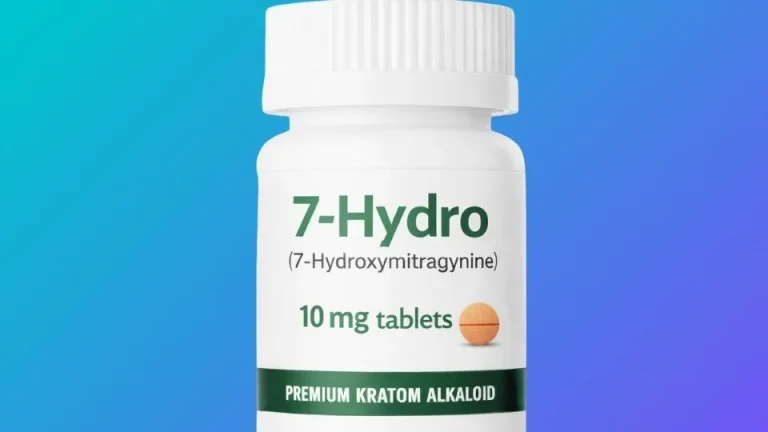
Opioid addiction, known clinically as opioid use disorder (OUD), is a treatable medical condition in which continued opioid use causes clinically significant impairment or distress. It exists on a spectrum, from mild to severe, and it can develop from prescription opioids used for acute or chronic pain as well as from illicit opioid use. Addiction is not a lack of willpower. It reflects real changes in brain circuits that govern reward, stress, and self-control. The category keeps expanding, too, as newer compounds emerge, which is why it helps to understand what 7-OH is and where it fits on the opioid spectrum.
The scale of the problem is significant. According to the Substance Abuse and Mental Health Services Administration, about 8.6 million people in the United States misused prescription pain relievers and 8.9 million misused opioids overall in 2023.[1] Federal estimates indicate that roughly 6.1 million people aged 12 or older had an opioid use disorder in a recent year.[2] The burden is global as well: the World Health Organization estimates that approximately 125,000 people die from opioid overdose worldwide each year.[3]
Understanding these numbers matters because they reframe opioid addiction as a common health condition rather than a rare personal failure. That framing is the foundation of effective, compassionate care.
Understanding Opioid Use and Opioid Misuse
There is an important difference between opioid use, opioid misuse, and addiction. Taking opioids exactly as prescribed for a defined period is medical use. Opioid misuse means taking a medication in a way other than prescribed, taking someone else’s prescription, or using an opioid to get high. Opioid misuse is a major risk factor for developing opioid dependence and, over time, opioid use disorder. How long a given opioid stays active also shapes misuse patterns, which our look at how long codeine stays in your system helps explain.
How Opioids Act on Opioid Receptors
Opioids bind to and activate opioid receptors on cells located in the brain, spinal cord, and other organs, especially those involved in pain and pleasure. When opioids attach to these receptors, they block pain messages sent from the body to the brain and trigger a surge of dopamine, the brain’s reward chemical.[4] That flood of dopamine is what makes opioids feel euphoric and what strongly reinforces taking them again. The same receptor activity also produces a range of physical effects, which our guide to the side effects of codeine lays out for one common opioid.
The Role of Mu Opioid Receptors
Most of the effects that make opioids both useful and dangerous run through the mu opioid receptors. Activating mu opioid receptors relieves pain and produces euphoria, but it also slows breathing, which is the mechanism behind fatal overdose. With repeated exposure, prolonged opioid use rewires the brain’s reward circuits, so ordinary pleasures fade, and the drug feels necessary just to feel normal. This is the biological engine of opioid dependence. Over time, these changes take a toll on the body and brain, as our breakdown of morphine’s side effects on the brain and body shows in detail. Comparing chemically distinct opioids helps too, as our guide to hydrocodone vs. codeine makes clear.
Prescription Opioid Medication and the Risk of Drug Abuse
Prescription opioids such as oxycodone, hydrocodone, morphine, and codeine are effective pain medications for acute pain and, in some cases, severe pain from cancer or surgery. Because prescription opioids are so widely dispensed, misuse often begins with pills that were legitimately prescribed. The problem is that the line between appropriate opioid therapy and drug abuse can be difficult to see from the outside. Long-term use, even as prescribed, can lead to tolerance and physical dependence, and a subset of people go on to develop addiction.
How large is that subset? Research estimates that somewhere between 3% and 12% of people treated with opioids for chronic pain develop opioid use disorder, with dependence and problematic use more common still.[5] That range is wide because studies define the outcome differently, but the takeaway is consistent: chronic opioid use carries a real, measurable risk that deserves careful monitoring. Comparing specific drugs can help you understand relative potency, as our breakdown of Percocet versus hydrocodone illustrates.
From Acute or Chronic Pain to Opioid Dependence
Physical dependence means the body has adapted to the presence of the drug and reacts when it is removed. Physical dependence causes withdrawal symptoms upon cessation of opioid use, and those opioid withdrawal symptoms are a big reason people find it so hard to stop. Dependence can occur even when someone takes opioids exactly as directed for legitimate pain treatment, which is why stopping should be planned with a clinician rather than attempted abruptly. Those symptoms vary by drug, and our guide to codeine withdrawal and how to cope safely shows what one common taper can look like.
For a deeper look at one commonly prescribed opioid, see our guide to morphine addiction.
Signs, Symptoms, and Risk Factors of Opioid Use Disorder

Clinicians diagnose opioid use disorder using the Diagnostic and Statistical Manual of Mental Disorders. A diagnosis requires meeting at least 2 of 11 criteria within a 12-month period, ranging from cravings and loss of control to continued use despite harm.[6] Common symptoms of opioid addiction include behavioral changes, intense opioid cravings, and withdrawal symptoms between doses. Behavioral changes often include neglecting responsibilities and secretive behavior around obtaining and taking opioids.
Some warning signs to watch for include:
- Taking more of the opioid, or taking it more often, than intended.
- Strong cravings and a preoccupation with the next opioid dose.
- Neglecting work, school, or family responsibilities.
- Secrecy, hiding medication, or seeking prescriptions from multiple doctors.
- Withdrawal symptoms such as muscle aches, nausea, sweating, and anxiety when the drug wears off.
- Continuing to use despite clear harm to health or relationships.
Risk factors shape who is most vulnerable. Genetics account for an estimated 40% to 60% of a person’s overall risk of addiction, roughly half the picture.[7] Environmental stressors, a history of trauma, early exposure, and co-occurring mental health disorders such as depression, anxiety, and post-traumatic stress disorder all raise risk as well. Co-occurring mental health conditions frequently overlap with opioid addiction, which is why quality care screens for both. If you are trying to name what you are seeing, our list of opioid use disorder symptoms can help. Signs can also be drug-specific, and our guide to the signs of morphine addiction covers what to watch for with one of the most potent prescription opioids.
The Danger of Opioid Overdose
Opioid overdose happens when enough of the drug is present to suppress breathing to a dangerous or fatal degree. Drug overdose deaths have reached staggering levels in the United States. More than 105,000 drug overdose deaths occurred in 2023, and synthetic opioids other than methadone, primarily illicitly manufactured fentanyl, were involved in about 72,776 of them.[8] Drug overdose, driven largely by opioids, has become a leading cause of injury death in the country. Knowing how long an opioid remains active matters for gauging risk, which our article on how long Percocet lasts in your system explains.
Fentanyl, Synthetic Opioids, and Overdose Deaths
Fentanyl is the main driver of the recent rise in synthetic opioid overdose deaths. It is a synthetic opioid up to 50 times more potent than heroin, which means a tiny amount can be lethal.[9] Because illicit drugs are increasingly contaminated with fentanyl, people often take it without knowing. Other emerging products carry their own risks, which our guide to 7-OH tablets and what to expect breaks down.
Understanding detoxification timelines can be reassuring, and our overview of how long it takes to detox from fentanyl explains what to expect. The dangers of combining opioids with other substances are equally serious, as our piece on mixing oxycodone and alcohol makes clear.
Dosing and safety
How Much Is Too Much? Understanding Opioid Dose
There is no single safe opioid dose that applies to everyone. Risk rises with higher doses, longer duration, and any combination with alcohol, benzodiazepines, or other sedatives. This is true for both prescription opioids and illicit opioids. Because tolerance builds over time, a dose that once felt manageable can become inadequate, prompting people to take more and pushing them toward opioid dependence. Recognizing the warning signs of a dose that is too high, such as extreme drowsiness or slowed breathing, can be lifesaving. Our guide to oxycodone overdose risk and dosage factors goes deeper on this point. Even seemingly mild products can be misused, as our piece on cough syrup with codeine and its abuse potential explains.
If you are prescribed opioids, a few habits meaningfully reduce your risk:
- Discuss nonopioid treatment options with your doctor before starting opioid therapy.
- Set clear treatment goals with your clinician for pain management and a plan to taper.
- Keep open communication with your doctor, which can reduce opioid risks over time.
- Avoid bringing extra opioids into your home, and store and dispose of them safely.
- Ask about naloxone, since naloxone availability is linked to reduced opioid overdose deaths.
What works
Medications for Opioid Use Disorder
Medications for opioid use disorder are a cornerstone of modern addiction medicine, and they save lives. There are three medications approved by the U.S. Food and Drug Administration for the treatment of opioid use disorder: methadone, buprenorphine, and naltrexone.[10] Used alongside counseling, medications for opioid use disorder can dramatically reduce illicit opioid use, prevent withdrawal symptoms, and lower the risk of fatal overdose. To see how this looks in practice, explore our overview of medication-assisted treatment for opioid use disorder.
Medication works best once a specific problem is named, and our guide to codeine addiction: signs, risks, and real help shows what that recognition looks like.
Methadone Treatment
Methadone is a full opioid agonist that attaches to and activates opioid receptors, easing cravings and preventing withdrawal symptoms without producing the same high when taken as prescribed. Methadone treatment is delivered through regulated opioid treatment programs and has decades of evidence behind it as a form of opioid substitution treatment.
Buprenorphine Treatment
Buprenorphine is a partial opioid agonist, meaning it activates opioid receptors only partially, which lowers the risk of misuse and overdose. Buprenorphine treatment can be prescribed in office settings, expanding access. Decades of trials comparing buprenorphine maintenance versus placebo show that it keeps people in treatment and reduces opioid use. Both methadone and buprenorphine are considered opioid replacement therapy and are highly effective for opioid use disorder treatment.
Naltrexone and Opioid Antagonists
Naltrexone works differently. As one of the opioid antagonists, it blocks opioid receptors so that opioids produce no effect, which helps a person maintain abstinence after they have already stopped using. Naltrexone does not cause dependence and is a good fit for some people, though it requires full detoxification first.
Opioid Use Disorder Medications: What to Expect
The table below compares the three FDA-approved opioid use disorder medications. The right choice depends on a person’s history, preferences, and circumstances, and it is a decision to make with a clinician.
Comparison of FDA-approved medications for opioid use disorder.
| Medication | How It Works | Main Benefit | Typical Setting |
|---|---|---|---|
| Methadone | Full opioid agonist | Eases cravings and prevents withdrawal symptoms | Regulated opioid treatment program |
| Buprenorphine | Partial opioid agonist | Reduces cravings with lower overdose risk | Office-based or clinic |
| Naltrexone | Opioid antagonist | Blocks opioid effects to support abstinence | After full detox, clinic or office |
How Addiction Medicine Approaches Treatment

Effective treatment for opioid use disorder relies on a whole-person, evidence-based approach rather than a single intervention. Detoxification alone is not sufficient for treating opioid addiction, because it addresses physical dependence but not the underlying drivers of use. In fact, long-term treatment may be more beneficial than short-term approaches, since recovery unfolds over months and years, not days. A thoughtful opioid use disorder treatment plan combines medication, therapy, and support for any co-occurring mental disorders, ideally delivered through a coordinated opioid use disorder treatment program. Our guide to the best opioid detox treatment options, our overview of why opiate withdrawal needs supervision.
For higher-risk situations, knowing how to prepare for heroin detox in an inpatient setting shows what round-the-clock care adds.
Behavioral Therapies and Whole-Person Care

Counseling and behavioral therapies complement medication treatments and are essential to lasting recovery. Behavioral therapies can improve relationships and support long-term recovery by helping people rebuild the parts of life that addiction erodes. Cognitive behavioral therapy, in particular, helps individuals recognize and cope with the triggers and stressful situations that lead to use. These approaches work best when paired with medication rather than used alone.
A strong plan usually weaves several elements together. Medication treatment stabilizes brain chemistry and reduces cravings, while cognitive behavioral therapy and other behavioral therapies build the coping skills that make sobriety durable. At the same time, good care treats any co-occurring mental health disorders, such as depression or PTSD, because these conditions and opioid use disorder feed one another. Peer and family support strengthen relationships and accountability, and a clear aftercare plan protects recovery once formal treatment ends. These pieces are far more powerful together than any one of them alone, which is why a plan built around only prescription opioids taper schedules, with no therapy or support, so often falls short.
To see how these pieces fit together, read about therapy for opioid use disorder and our approach to an opioid addiction aftercare plan. You can also read about our approach to an opioid addiction aftercare plan.
The Role of the Drug Enforcement Administration and Controlled Substances
Because opioids carry a high potential for misuse, they are regulated as controlled substances. The Drug Enforcement Administration classifies opioids under the Controlled Substances Act, with most prescription opioids listed as Schedule II given their strong potential for dependence. This regulation shapes opioid prescribing, how medications are stored and dispensed, and how opioid treatment programs operate. Sensible opioid prescribing, along with monitoring and safe disposal, is one of the clearest ways communities reduce opioid misuse before it starts.
Harm Reduction and Naloxone
Harm reduction strategies aim to minimize drug-related harm and keep people alive long enough to reach recovery. Naloxone is a life-saving medication that rapidly reverses opioid overdoses by knocking opioids off their receptors, and wider naloxone availability is linked to reduced opioid overdose deaths.[11] Carrying naloxone is a practical step for anyone close to someone who uses opioids.
Harm reduction also includes syringe services programs, which reduce HIV and hepatitis transmission among people who inject drugs, and drug-checking services, which help identify contaminants such as fentanyl in the illicit drug supply. These measures do not replace treatment, but they reduce death and disease and often become a bridge to care. Recognizing trouble early helps, and our guide to 7-OH withdrawal warning signs and safe detox options covers one newer substance people increasingly ask about.
If relapse is a concern during recovery and you desire further reading, our guide to preventing a relapse after opioid withdrawal offers practical support.
Frequently Asked Questions About Opioid Addiction
Can opioid addiction really be treated?
Yes. Recovery from opioid addiction is possible with appropriate treatment and support. The most effective care combines FDA-approved medication, behavioral therapy, and attention to co-occurring mental health conditions. Because opioid use disorder (OUD) is a chronic condition, ongoing support tends to produce better outcomes than a single short episode of care.
What happens during opioid withdrawal?
When someone physically dependent on opioids stops, opioid withdrawal can bring muscle and bone pain, nausea, diarrhea, sweating, anxiety, and intense cravings. These symptoms are rarely life-threatening on their own but are very difficult to endure, which is why medically supervised care is used to prevent withdrawal symptoms and keep people safe and comfortable.
How do medications for opioid use disorder work?
Methadone and buprenorphine attach to opioid receptors to ease cravings and prevent withdrawal, while naltrexone blocks those receptors to support abstinence. Used with counseling, these medications reduce illicit opioid use and lower overdose risk, and they are considered the standard of care in addiction medicine.
Sources and References
- Substance Abuse and Mental Health Services Administration (SAMHSA). Key Substance Use and Mental Health Indicators in the United States: Results from the 2023 National Survey on Drug Use and Health. 2024. https://www.samhsa.gov/data/report/2023-nsduh-annual-national-report
- Substance Abuse and Mental Health Services Administration (SAMHSA). 2022 National Survey on Drug Use and Health: National Report. 2023. https://www.samhsa.gov/data/sites/default/files/reports/rpt42731/2022-nsduh-nnr.pdf
- World Health Organization (WHO). Opioid overdose (Fact sheet). 2025. https://www.who.int/news-room/fact-sheets/detail/opioid-overdose
- National Institute on Drug Abuse (NIDA). Prescription Opioids DrugFacts. https://nida.nih.gov/publications/drugfacts/prescription-opioids
- Frontiers in Pain Research. Opioids and Chronic Pain: An Analytic Review of the Clinical Evidence. 2021. https://www.frontiersin.org/journals/pain-research/articles/10.3389/fpain.2021.721357/full
- American Psychiatric Association (APA). Opioid Use Disorder. https://www.psychiatry.org/patients-families/opioid-use-disorder
- National Institute on Drug Abuse (NIDA). Drugs, Brains, and Behavior: The Science of Addiction (Drug Misuse and Addiction). https://nida.nih.gov/publications/drugs-brains-behavior-science-addiction/drug-misuse-addiction
- National Institute on Drug Abuse (NIDA). Drug Overdose Deaths: Facts and Figures. 2025. https://nida.nih.gov/research-topics/trends-statistics/overdose-death-rates
- Centers for Disease Control and Prevention (CDC). Fentanyl Facts. https://www.cdc.gov/stop-overdose/caring/fentanyl-facts.html
- U.S. Food and Drug Administration (FDA). Information about Medications for Opioid Use Disorder (MOUD). https://www.fda.gov/drugs/food-and-drug-administration-overdose-prevention-framework/information-about-medications-opioid-use-disorder-moud
- Substance Abuse and Mental Health Services Administration (SAMHSA). Overdose Prevention and Response Toolkit. 2025. https://library.samhsa.gov/product/overdose-prevention-response-toolkit/pep23-03-00-001