- Cedar Rapids, Iowa
Addiction Therapy in Iowa
Addiction therapy changes the thinking, behavior, and relationships driving substance use, and at Radix Recovery it is included in every program we offer.

24/7
Admissions
Your clinician builds a plan from evidence-based modalities, and adjusts it as you progress. Therapy is never a separate purchase here.
Trusted in-network insurance partnerships
- Wellmark BCBS
- TriWest Healthcare Alliance
- Midlands Choice
- Cigna Healthcare
- Health Choices
- Medical Associates
- Clinically Reviewed By

- Clinical and Medical Review Record
Last Reviewed
July 2026
- Medically Reviewed By
- Included, Not Extra
Therapy Is Built Into Every Radix Program, Not Sold Separately
Some centers treat therapy like add-ons bolted onto a base program. We built Radix Recovery the other way: therapy is the spine of every program, and it runs through every level of care, from detox support through alumni aftercare.
Medical Alcohol Detox
Therapy begins as soon as you are medically stable, often within days. Motivational work and supportive counseling start here.
Medical Drug Detox
Therapy begins as soon as you are medically stable, often within days. Motivational work and supportive counseling start here.
Residential Inpatient
The most therapy-dense level: daily groups, weekly individual counseling, family sessions, and the full holistic schedule.
Partial Hospitalization (PHP)
Full clinical days built almost entirely from therapy: group process, individual sessions, skills training, and family work.
Intensive Outpatient (IOP)
Structured therapy around work and family, with skills practiced in real life and brought back to group.
Relapse Prevention
Weekly individual and group therapy that keeps recovery skills sharp and catches small slips early.
Alumni & Aftercare
Alumni groups, recovery events, and a clinical team that already knows your story if you ever need to step back in.
- Why Evidence-Based Therapy Is the Core
Does Therapy Help With Addiction?
- Without therapy
Patterns return
Detox alone removes the substance, but the thoughts, triggers, and relationships that drove use remain.
- With therapy
Patterns change
Therapy changes the thinking and coping patterns underneath, so recovery holds after detox is over.
- 01
No single treatment works for everyone
One of NIDA’s core principles of effective treatment. It is why we maintain distinct modalities instead of one curriculum, and why your plan is built from a clinical assessment, not a template.
- 02
Effective treatment attends to the whole person
- Types of Addiction Therapy We Provide
Therapies Inside Every Radix Program
Tap any group to explore, then any therapy to learn more.
Core Clinical Therapies
- 01
Counseling
- 02
Cognitive Behavioral Therapy (CBT)
Identify the thought patterns driving substance use and practice replacing them with healthier responses. CBT is one of the most studied and most effective therapies in addiction treatment.
[5]- 03
Dialectical Behavior Therapy (DBT)
- 04
Motivational Enhancement Therapy (MET)
A focused, short-term approach that strengthens your internal motivation to change by resolving the ambivalence that keeps recovery just out of reach.
- 05
Motivational Interviewing (MI)
A collaborative, conversational approach that resolves ambivalence and strengthens your own reasons for change, without pressure or confrontation.
Group and Relationship Therapies
- 01
Process-oriented groups where Residents work through recovery alongside peers under the guidance of a clinician, learning that the experiences they thought were unique are shared by others.
- 02
Repair, rebuild, and re-establish the family relationships addiction has strained, with structured sessions that include the people who matter most to your recovery.
Experiential and Holistic Therapies
- 01
Action-based modalities that surface emotions and patterns talk therapy can miss, using role-play, guided activity, and movement to make hidden material accessible.
- 02
Holistic Therapy
Whole-person modalities that address the body, mind, and spirit alongside clinical care, woven into your treatment plan to support deeper, lasting healing.
- 03
Guided mindfulness and meditation practices that teach the nervous system how to settle without substances and build the inner stillness recovery requires.
- 04
Recreational Therapy
Purposeful activity-based therapy that reintroduces healthy sources of dopamine, connection, and play, restoring the simple joys addiction often steals.
- 05
Yoga Therapy
Trauma-sensitive yoga practiced under clinical supervision to support nervous system regulation, body awareness, and physical recovery in early sobriety.
- 06
Internal Family Systems (IFS)
Parts work that treats the part of you that uses as a protector with a job, not an enemy, so the trauma underneath can finally heal.

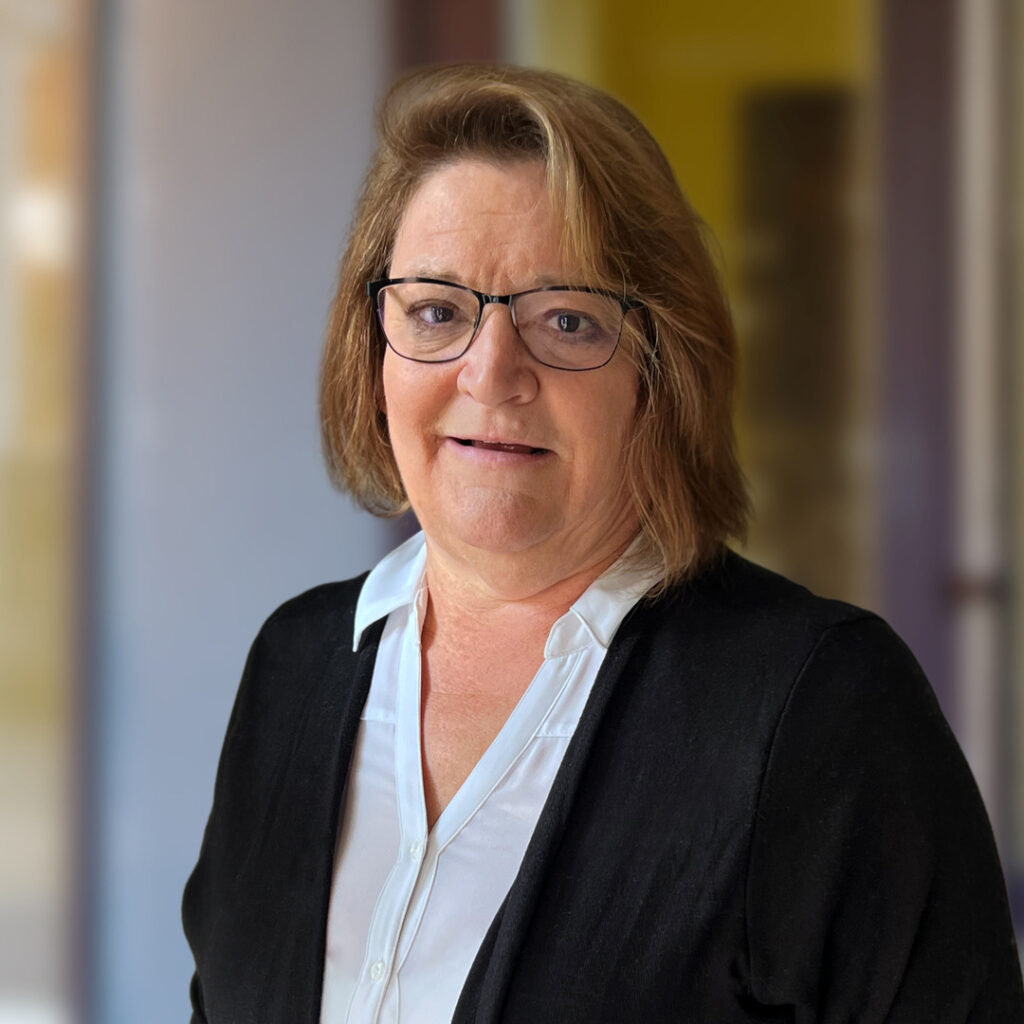
Chief Clinical Officer, Radix Recovery
- Your Treatment Plan
No two Residents receive the same therapy mix
When you arrive, a comprehensive clinical assessment maps your substance use history, mental health, trauma, family situation, and goals. From that, your clinician builds a plan from the modalities on this page, then adjusts it as you progress. No one is run through a template.
- What your clinician maps at arrival
- Substance Use History
- Co-Occurring Conditions
- Trauma History
- Family System
- Goals for Treatment
- Three Residents. Three different plans.
- One Resident
CBT and DBT might form the spine of the plan
- Another Resident
Might lean heavily on family and group therapy
- A Third Resident
Might need yoga and meditation early on to settle a dysregulated nervous system before deeper trauma work begins
Clinical Assessment
A comprehensive biopsychosocial assessment identifies your actual drivers, not generic ones.
- Arrival
Individualized Plan
Your clinician assembles the right mix of modalities and formats from the therapies.
- Day One
Therapy Integrated
Therapy runs through every level of care, delivered by the same clinical team.
- Throughout
Ongoing Adjustment
Plans are reviewed continually and shift as your needs change through discharge and beyond.
- Discharge +
- Coverage
Therapy Is Included in Your Program
- Admissions
Start with a two-minute insurance check. Our admissions team answers 24/7.
Therapy at Radix is delivered as part of your program, never billed separately or sold as an add-on. Enter any level of care and the full therapy program comes with it.
- Who Delivers Your Therapy
Licensed Clinicians, Not Just Talk
Every therapist holds a state license or certification, LMHC, LISW, or CADC, under Chief Clinical Officer Kayla Borja Frost, LMHC. Therapy treats substance use and co-occurring conditions together.
CBT
DBT
Build distress tolerance, emotional regulation, and interpersonal skills for the moments when cravings, painful emotions, and difficult relationships collide.
MET
- Motivational Enhancement Therapy
Individual Therapy
- One-on-One With a Licensed Clinician
- Process-Oriented Peer Group
- Serving all of Iowa
Addiction Therapy for Residents Across Iowa
- Eastern Iowa
Our Location
~10 min
~30 min
~1.5 hrs
~1.5 hrs
An Iowa Rehab Facility built for getting well
Move through the facility one room at a time, the living spaces, the gathering rooms, and the grounds where residents reconnect with themselves.
- Why trust Radix
Addiction & Dual Diagnosis Treatment Credentials
You Can Verify
- STATE LISTED

Listed by the State of
Iowa
Radix is a listed treatment provider on Your Life Iowa, the official addiction-help resource run by the Iowa Department of Health & Human Services.
- Clinical leadership
Years of combined
clinical experience
Across the Radix clinical leadership team, from the founding partners to the chief clinical officer.
- Client rating

Excellent Rating on
Google
Across client reviews of admissions, counseling, detox, and residential care.
- Accreditation
Joint Commission
Accredited
The national standard for safety, treatment quality, and staff training in healthcare.
- Real Stories
Why Families Trust Radix Recovery
- FAQ
Frequently Asked Questions About Addiction Therapy
What is addiction therapy?
Addiction therapy is the structured clinical work a licensed therapist does to change the thoughts, behaviors, and relationships that keep substance use in place, along with any underlying anxiety, depression, or trauma. At Radix it is included in every program.
Does therapy help with addiction?
Research shows behavioral therapy reduces substance use, builds coping skills, and lowers relapse risk. Addiction is sustained by learnable patterns of thought and behavior, and therapy is the tool that changes them.
What therapy is best for addiction?
Which addiction treatment option combines a variety of therapy techniques?
An integrated treatment program. At Radix, one plan blends multiple evidence-based modalities, from CBT and DBT to family and holistic therapies, assembled by your clinical team after assessment.
Are these therapies included or sold separately?
Included. You do not buy sessions a la carte or pay extra for family or holistic therapy. When you enter any Radix level of care, the full therapy program comes with it.
Does insurance cover addiction therapy?
In most cases, yes. Because therapy is included in your program rather than billed separately, it is covered the same way your level of care is. Radix is in-network with major insurers and verifies benefits in under an hour.
Who delivers the therapy at Radix?
Licensed clinicians, not coaches. Every therapist holds a state license or certification, LMHC, LISW, or CADC, under Chief Clinical Officer Kayla Borja Frost, LMHC, with Iowa Department of Public Health licensure and Joint Commission accreditation.
Can family participate in therapy?
Yes. Family therapy is one of our three core formats. Structured sessions help loved ones understand addiction, rebuild communication, and support recovery, available in person across Iowa.
Is therapy available in outpatient and after residential?
Yes. Therapy runs through every level, from residential to PHP, IOP, continuing care, and alumni aftercare. The same clinical team follows you across levels, so there is no gap and no starting over.
- Ready When You Are
Start the Work That Actually Changes Things
- 100% CONFIDENTIAL
- FREE ASSESSMENT
- NO COMMITMENT
- AVAILABLE 24/7
Primary clinical sources
- Federal agencies & national guidelines only