Prozac is one of the most widely prescribed antidepressants in the United States, commonly used to treat major depressive disorder, anxiety, and related mental health conditions. Despite clear medical guidance, many people wonder whether having a drink while on this medication is truly risky.
The short answer is that mixing Prozac and alcohol carries documented dangers. Both substances influence brain chemistry, and combining them can reduce how well the medication works, worsen depression, and create new safety concerns. For anyone struggling with both drinking and depression, seeking help through an alcohol detox program can be a critical first step toward safer recovery.
This guide breaks down the safety risks, who faces the greatest danger, and what to do if you or someone you love needs support.
What Happens When You Mix Prozac and Alcohol?

Prozac and alcohol influence the brain in different but overlapping ways. When active in the body simultaneously, they can interfere with each other and produce unpredictable outcomes.
Alcohol can counteract the benefits of Prozac, increasing the risk of side effects. Rather than supporting recovery, mixing Prozac and alcohol often leaves people feeling worse physically and emotionally.
How Prozac Works as a Selective Serotonin Reuptake Inhibitor
Prozac (fluoxetine) is a selective serotonin reuptake inhibitor, or SSRI. It works by increasing serotonin levels in the brain, which helps stabilize mood and improve emotional balance. Doctors prescribe it to treat depression, anxiety, panic disorder, and obsessive-compulsive disorder.
Most people begin noticing improvements during the first few weeks, though full results take longer. This early period is when the brain is most sensitive to disruptions from substances like alcohol. Since Prozac is often prescribed alongside other anxiety treatments, it’s vital to check if it is safe to drink on beta-blockers before combining these substances with alcohol
The Role of Alcohol as a Central Nervous System Depressant
Alcohol is a central nervous system depressant. It slows activity in the brain, leads to impaired judgment, and tends to worsen feelings of sadness and hopelessness over time.
While Prozac is not a central nervous system depressant, combining it with alcohol can still amplify side effects such as dizziness, fatigue, and impaired judgment. This overlap is one of the main reasons providers advise caution when mixing alcohol with this medication. While mixing SSRIs with alcohol is dangerous, the risks of central nervous system depression become even more severe when combined with opioids, as explored in our guide on the dangers of mixing painkillers with drinking
Side Effects of Drinking Alcohol While Taking Prozac
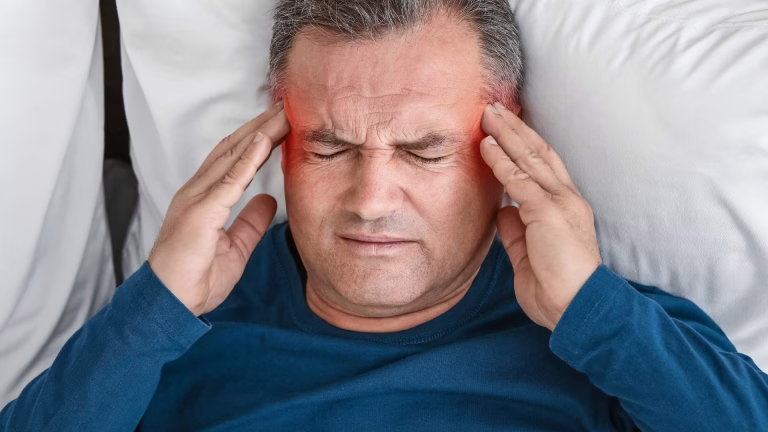
Drinking alcohol while on Prozac can trigger a range of side effects, from mild drowsiness to more serious complications. These effects tend to be stronger than what either substance causes alone.
Mixing Prozac and alcohol can exacerbate problems like dizziness, fatigue, and unsteadiness, making even small amounts of alcohol potentially risky for some individuals on this medication.
Extreme Drowsiness and Impaired Coordination
Combining Prozac with alcohol can lead to increased sedation, causing drowsiness even with a small amount of alcohol. This can result in potentially dangerous situations such as impaired driving or falls.
Impaired coordination is one of the most immediate effects people notice. Alcohol mixing with Prozac also heightens the risk of accidents during everyday activities.
Worsened Anxiety Symptoms and Depression
The combination can worsen mental health symptoms, including increased feelings of depression and anxiety. People taking Prozac for anxiety symptoms often find that drinking alcohol temporarily intensifies those very symptoms once the initial effects fade.
Over time, alcohol tends to deepen depressive symptoms and create more negative emotions, reinforcing a cycle that becomes harder to break. Understanding co-occurring conditions is important for anyone in this situation. Also, for those managing multiple health conditions, understanding metabolic interactions is key, particularly the warnings found in our analysis of Metformin and alcohol safety.
Reduced Medication Effectiveness
Alcohol can interfere with the benefits of Prozac, potentially causing symptoms of depression and anxiety to worsen. Reduced medication effectiveness means that treatment may not deliver the intended results. This disruption makes it harder to treat depression successfully and can set back months of progress.
Prozac can increase the risk of GI bleeding when paired with common NSAIDs, so it is crucial to know how long after taking ibuprofen you can drink alcohol to avoid complications
How Does Alcohol Affect Prozac?
Regular drinking doesn’t just create short-term side effects. It can undermine the entire purpose of taking Prozac and produce negative effects on mental health treatment overall.
Because both alcohol use and many medications involve liver metabolism, individuals with heavy alcohol use or liver concerns should speak with a healthcare provider about how Prozac may affect them.
Alcohol Interactions With Antidepressants
Alcohol interactions with antidepressants are well-documented. When taking antidepressants, adding alcohol introduces harmful interactions that extend beyond simple drowsiness.
Alcohol can worsen mood symptoms and side effects while taking SSRIs, which can undermine treatment. In rare cases, serotonin syndrome, a life-threatening condition, can occur with Prozac, especially when combined with other serotonergic substances. Because Prozac has a long half-life and stays in the body for weeks, spacing alcohol around doses does not eliminate potential interaction concerns.
Prozac isn’t the only antidepressant that requires caution; you can compare these interactions with our overview of Zoloft and alcohol side effects and risks to see how other SSRIs behave.
Risk Factors Table
| Risk Factor | Effect When Mixing Prozac and Alcohol |
|---|---|
| Sedation | Drowsiness, even with small amounts |
| Coordination | Motor function problems |
| Mental health | Worsened depression and anxiety |
| Medication efficacy | Reduced effectiveness |
| Liver health | Considerations for those with liver concerns |
| Judgment | Impaired decision-making |
| Serotonin | Potential for imbalance in certain cases |
Why Even an Occasional Drink Can Be Risky
Because Prozac stays in the system for weeks, there is no simple timing strategy that guarantees alcohol will not worsen side effects. An occasional drink may feel harmless, but increased alcohol sensitivity can occur when mixed with Prozac, leading to a stronger feeling of intoxication than expected.
Patients are often advised to avoid or limit alcohol while taking Prozac due to the risk of interactions, even with small amounts.
Why You Should Avoid Alcohol on Prozac
For anyone currently on Prozac, the safest choice is to avoid alcohol entirely. If stopping feels difficult, exploring strategies to cut back on drinking or speaking with a provider about next steps can help.
These factors are why medical professionals urge patients to use caution when drinking alcohol while on this medication.
Dangerous Drug Interactions
Interactions between Prozac and alcohol can produce symptoms from worsened depression to excessive drowsiness and impaired coordination. Adding alcohol to a Prozac regimen compounds effects that neither substance would cause alone, and this applies to other antidepressants as well.
These drug interactions create an increased risk of harm, which is the primary reason every prescribing guide includes a warning. Anyone taking Prozac should discuss their treatment plan with a provider before consuming any amount of alcohol.
Increased Risk of Suicidal Thoughts
Prozac can increase the risk of suicidal thoughts and behaviors, particularly in young adults. The FDA label for Prozac specifically warns of the risk for this behavior in children, adolescents, and younger adults. Alcohol, which lowers inhibitions and intensifies negative emotions, may lead to someone acting on impulsive behavior or thoughts of self-harm.
Suicidal thoughts are a recognized concern during the first few weeks of antidepressant treatment. Adding alcohol during this sensitive period creates a higher risk situation. For anyone needing immediate structure and safety, inpatient support can provide the right environment.
Alcohol Addiction and Mental Health
The relationship between alcohol and mental health issues is deeply intertwined. Many people who struggle with alcohol abuse also experience depression or anxiety, and each condition tends to worsen the other.
Prolonged or heavy drinking can lead to alcohol-induced depression, which often improves with sustained abstinence. Some individuals use alcohol to self-medicate, creating a cycle where alcohol use leads to worsened mental health, which then drives more drinking. Resources about the stages of alcoholism help identify when this pattern has progressed.
The Connection Between Alcohol Consumption and Depression
Alcohol is a depressant that can worsen depression over time. For those already on Prozac for severe depression, regular drinking directly undermines recovery and may worsen symptoms significantly.
People dealing with alcohol use disorder alongside depression face compounding challenges that require integrated care. Understanding alcohol-related brain fog shows just one way alcohol disrupts cognitive and emotional health.
Co-Occurring Disorders and Dual Diagnosis Care
When someone struggles with alcohol addiction and a condition like depression, it’s known as co-occurring disorders. These situations require an integrated approach that addresses substance use and the underlying mental health concerns together.
Dual diagnosis care programs are designed for these complex cases. Rather than treating alcohol dependence and depression separately, they address how the conditions interact. Recognizing the signs you may need dual diagnosis treatment is an important early step.
Effective treatment for co-occurring disorders often includes:
- Medical detox to safely manage withdrawal symptoms
- Therapy addressing depressive symptoms alongside substance use
- Medication management to support mental well-being
- Relapse prevention planning tailored to both conditions
- Ongoing aftercare and structured step-down programs
How Alcohol and Prozac Impact Brain Function
While Prozac works to rebalance serotonin and improve mood, alcohol disrupts that process. Mixing the two means introducing a depressant into a system that is actively trying to stabilize itself, which can worsen depression and compromise physical well-being.
When to Talk to Your Healthcare Provider
If you’re on Prozac and have questions about alcohol use, your healthcare provider is the best resource. They can evaluate your individual risk, adjust your plan, and connect you with support.
Contact your provider right away if you experience any of the following after combining alcohol and Prozac:
- Significant mood changes, including self-harm urges or suicidal thoughts
- Severe dizziness or confusion
- Signs of serotonin syndrome, such as rapid heart rate, muscle rigidity, or fever
Seeking professional medical advice early helps prevent small issues from becoming serious. Being transparent about your habits allows for better, safer care.
High-Risk Groups to Be Aware Of
Certain people face an elevated risk when combining alcohol with this medication. High-risk groups include younger individuals starting treatment, individuals with a history of substance abuse or alcohol abuse, and those managing multiple mental health conditions.
If you fall into these categories, the need to avoid or limit drinking alcohol while on medication is even greater.
Addiction Treatment Options for Alcohol Dependence
For those who find it difficult to stop drinking alcohol while on Prozac, addiction treatment may be necessary. Continued alcohol use puts both mental and physical health at serious risk, and untreated mental health issues tend to escalate.
Programs that offer medical detox, therapy, and structured support address the increased risk of dual conditions worsening one another. Exploring an alcohol detox program is a strong starting point.
Getting Help for Alcohol Addiction
When alcohol consumption has moved beyond control, it may be time to explore addiction treatment. Understanding the importance of detox clarifies what the first steps look like.
Treatment addressing co-occurring disorders ensures both conditions receive proper care. From learning what to expect during detox to understanding the risks of quitting cold turkey, the right program provides tools for lasting change. Those affected by trauma and addiction may benefit from specialized approaches.
FAQs About Prozac and Alcohol
Can You Have an Occasional Drink While Taking Prozac?
Most providers recommend avoiding or limiting alcohol while taking Prozac. Even a single drink may increase sedation or worsen side effects for some individuals. Prozac’s long half-life means there is no simple timing strategy that eliminates interaction risk.
What Should You Do If You’ve Been Drinking Alcohol on Prozac?
Don’t panic, but take it seriously. Watch for worsening symptoms like increased sedation or deepened depression. Contact your healthcare provider to discuss what happened honestly. They can determine whether adjustments are needed.
How Long After Stopping Prozac Can You Safely Drink?
It can take several weeks for Prozac to fully clear your system. You should speak with your provider about a safe timeline before consuming alcohol. Stopping Prozac without guidance also carries the risk of discontinuation symptoms, so this should always involve medical oversight. Learning how other medications interact with alcohol provides useful additional context.