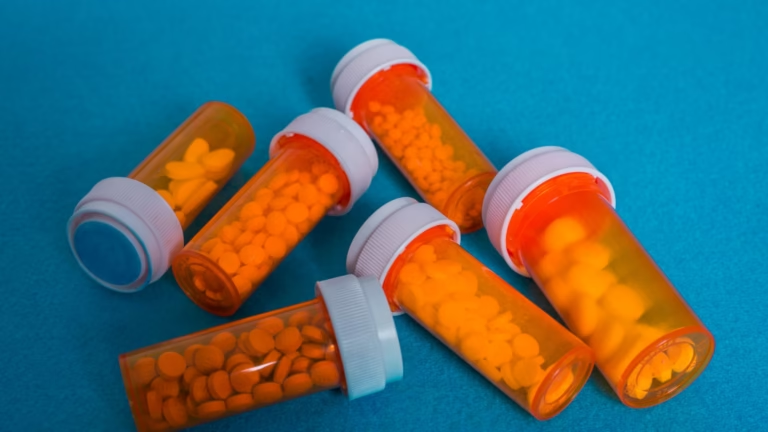
Oxycodone is one of the most commonly prescribed opioids in the United States, used to relieve severe pain after surgery, injury, or during chronic pain management. Alcohol, meanwhile, is one of the most widely consumed psychoactive substances in the country. When these two drugs overlap in someone’s system, the consequences can be life-threatening. Both oxycodone and alcohol are central nervous system depressants, meaning they can slow brain activity and breathing. Together, their combined effects are far more dangerous than either one alone.
If you or someone you know is struggling with the combination of opioid and alcohol misuse, seeking inpatient rehab can provide a structured, medically supervised environment that may support a safe recovery. Understanding exactly what happens when these drugs interact is the first step toward making informed decisions about your health.
What Happens When You Mix Oxycodone and Alcohol?

Mixing oxycodone and alcohol creates a compounding depressant effect on the brain and nervous system. Because both drugs affect overlapping pathways in the central nervous system, their combined impact can be dangerously amplified. Alcohol significantly increases the sedative properties of oxycodone, which means that even relatively small amounts of each substance taken together can produce dangerous effects.
Specifically, mixing oxycodone and alcohol can lead to respiratory depression, which can be fatal. Both drugs slow the signals that tell your lungs to breathe, and when combined, breathing can become so shallow that it stops entirely. This is one of the primary mechanisms behind opioid related deaths involving alcohol.
The combination also increases the risk of overdose, unconsciousness, and other serious medical complications. According to the Centers for Disease Control and Prevention, alcohol is frequently involved in emergency room visits and drug-related deaths where opioids or benzodiazepines are present.
Understanding the Effects of Oxycodone
Oxycodone is a semi-synthetic opioid that works by binding to opioid receptors in the brain and spinal cord. These receptors are part of the body’s natural pain management system. When oxycodone attaches to them, it can dramatically reduce pain signals and produce feelings of euphoria and relaxation. It is commonly prescribed under brand names like OxyContin and Percocet to manage moderate to severe pain.
The effects of oxycodone extend beyond pain relief, however. These drugs can cause sedation, depress respiratory function, and, in some cases, lower blood pressure. At higher doses, or when combined with other depressant drugs, these effects become more pronounced and potentially dangerous.
Oxycodone affects how the brain processes reward signals, which is a key reason these drugs carry a high potential for dependence. Over time, the brain adjusts to the presence of oxycodone, and users may require higher doses to achieve the same level of relief. This tolerance cycle can quickly lead to dependence, especially when drugs are not taken exactly as directed.
You can learn more about the symptoms of opioid use disorder to better recognize early signs.
How Taking Oxycodone Changes the Central Nervous System
When someone uses oxycodone regularly, the central nervous system begins to adapt. The brain produces fewer of its own natural endorphins and becomes increasingly dependent on the drug to manage pain and regulate mood. This means the nervous system responds differently to stimuli than it would without the drug present.
Oxycodone also suppresses the cough reflex, slows gastrointestinal activity, and can cause constriction of the pupils. These side effects are generally manageable under proper medical care and supervision, but they become unpredictable and hazardous when alcohol enters the picture.
If you are treating chronic pain and depression, you must understand the risks and side effects of Prozac and alcohol.
Why Drinking Alcohol With Painkillers Raises Danger
Drinking alcohol while using opioid painkillers is one of the most dangerous forms of polysubstance use. Alcohol is metabolized primarily by the liver, and combining it with oxycodone can increase impairment and place additional stress on the body. More importantly, both substances suppress the central nervous system and breathing, which is what makes the combination especially dangerous.
Acute alcohol ingestion, even a single episode of heavy drinking or binge drinking, can impair the body’s ability to safely handle opioids. The National Institute on Alcohol Abuse and Alcoholism has noted that combining these drugs increases the likelihood of fatal outcomes even at doses that would be considered moderate on their own. Alcohol consumption alongside prescription opioids is a pattern seen frequently in emergency department visits and overdose fatalities.
Understanding why polysubstance abuse requires a different approach to treatment can help individuals and families make better decisions about seeking help.
Respiratory Depression and Shallow Breathing
Respiratory depression is the single greatest danger when pairing oxycodone with alcohol. Both substances independently slow the rate and depth of breathing. Together, they can cause breathing to become so shallow that the body does not receive enough oxygen. This can lead to respiratory failure, brain damage, coma, or death.
Shallow breathing may not always be obvious to the person experiencing it or to those around them, especially if the individual is heavily sedated. A person may appear to simply be sleeping deeply, when in reality their breathing has slowed to a dangerous degree. This is why overdose risk is particularly high when someone falls asleep after consuming oxycodone and alcohol together.
Opioids and heart medications both impact the central nervous system, so check if it is safe to drink on beta-blockers before mixing substances.
Impaired Judgment and Slurred Speech
Beyond the physical dangers, combining these drugs produces significant cognitive impairment. Impaired judgment is one of the earliest and most noticeable effects. A person may make decisions they would not otherwise consider, including consuming more alcohol or additional oxycodone, or attempting to drive or operate machinery.
Slurred speech, poor coordination, confusion, and extreme drowsiness are also common. These symptoms can indicate that the central nervous system is being dangerously suppressed and that there is a risk of overdose. If you notice these signs in someone who has been using opioids and alcohol, it is important to seek medical help immediately.
Mixing Alcohol With Over-the-Counter Medications and Oxycodone Products
Many people do not realize that the dangers of mixing alcohol extend beyond prescription opioids alone. Several over-the-counter drugs, including certain cold and flu remedies, sleep aids, and pain relievers, contain ingredients that interact dangerously with alcohol. Antihistamines, for example, can compound the sedative effects of depressant drugs.
Additionally, some oxycodone products, such as Percocet, contain acetaminophen. Acetaminophen is widely available and is generally considered safe when used as directed. However, when taken in conjunction with alcohol, especially in individuals who consume alcohol heavily or chronically, it can increase the risk of serious liver injury.
It is also worth noting that certain medications like monoamine oxidase inhibitors, some dietary supplements, and other drugs used for mental health conditions can interact unpredictably with both oxycodone and alcohol. Always consult a physician or specialist in internal medicine before combining any substances.
Switching from narcotics to OTC options requires caution; learn how long after taking ibuprofen you can drink alcohol to prevent GI damage.
Acetaminophen, Alcohol, and Acute Liver Failure
Acetaminophen overdose is one of the leading causes of acute liver failure in the United States. Chronic heavy alcohol use can damage liver cells and increase the risk of liver injury from acetaminophen. When someone who drinks regularly also takes drugs like Percocet, even when following labeled doses, it is important to use caution and seek medical guidance if there are concerns about liver health.
Symptoms of liver injury may include nausea, abdominal pain, yellowing of the skin or eyes, and dark urine. These are signs that liver function is compromised and that immediate medical attention is needed. Monitoring liver function is a critical part of any treatment plan that involves opioids and alcohol.
For those specifically navigating oxycodone products and their dangers, this guide on oxycodone overdose risk, dosage factors, and warning signs provides additional context.
The Dangers of Mixing Oxycodone With Other Drugs
Mixing oxycodone is dangerous on its own, but the danger multiplies when other drugs are involved. Benzodiazepines, muscle relaxants, sleep aids, and other drugs that depress the central nervous system can amplify the effects of opioids. The combination of oxycodone with other drugs that affect the central nervous system can lead to an unpredictable cascade of side effects.
Mixing oxycodone with illicit drugs like heroin or methamphetamine introduces additional variables. Illicit drugs may contain unknown adulterants such as fentanyl, which dramatically increases the chance of fatal overdose. Drug abuse involving multiple substances is associated with a higher risk of emergency medical events and long-term health complications.
| Concern | Oxycodone Alone | Oxycodone + Alcohol | Oxycodone + Alcohol + Other CNS Depressants |
|---|---|---|---|
| Respiratory depression | Moderate | High | Very high |
| Overdose potential | Moderate | High | Very high |
| Impaired judgment | Mild to moderate | High | Severe |
| Liver damage | Low (unless with acetaminophen) | High (especially with acetaminophen) | Very high |
| Pulse changes | Mild | Moderate to significant | Severe and unpredictable |
| Fatal outcome likelihood | Lower at prescribed doses | Significantly elevated | Extremely elevated |
If you are using multiple drugs, understanding the complete guide to prescription drug detox can help clarify what treatment may look like.
Combining Alcohol and Opioids: Who Faces Higher Risk?
Not everyone faces the same level of danger when combining alcohol and oxycodone. Several factors influence how severely the body reacts. These include:
- Age, body weight, and overall physical health
- History of chronic alcohol use or alcohol abuse
- Tolerance levels to opioids
- Presence of liver or kidney disease
- Concurrent use of other drugs or substances
- Genetic factors that affect how the body processes these drugs
Individuals with a history of substance abuse, those with compromised liver function, and anyone using higher doses of opioids face an increased risk of a life-threatening reaction. In many cases, the greatest immediate risk comes from how strongly alcohol and oxycodone suppress breathing and sedation when used together.
Elderly People and Chronic Pain Patients
Elderly people are at a particularly higher risk when combining alcohol and opioids. Age-related changes in metabolism mean that both oxycodone and alcohol may stay in the body longer and produce stronger effects. Elderly individuals are more likely to experience sedation, confusion, and breathing problems, which means they face an increased risk of respiratory depression compared to younger individuals.
Chronic pain patients who rely on oxycodone for long-term management may also face increased danger. The temptation to drink for additional relief or to cope with the emotional toll of living with chronic pain can lead to dangerous patterns. Blood pressure fluctuations, sedation, and impaired coordination can all worsen when alcohol is added to an ongoing opioid regimen.
For more information about how opioid dependence develops and what it looks like, visit this complete guide to opioid use disorder.
Recognizing Alcohol Use Disorder and Opioid Dependence
Alcohol use disorder and opioid dependence often coexist. Someone who began using oxycodone for legitimate chronic pain may gradually increase their use while also consuming alcohol to manage sleep problems, anxiety, or muscle pain. Over time, both substances can take hold.
Signs of alcohol use disorder include inability to limit drinking, continued drinking despite negative consequences, and experiencing withdrawal symptoms when not consuming alcohol. Signs of opioid dependence may include needing higher doses, spending significant time obtaining or using drugs, and withdrawal when doses are missed.
What is Dual Diagnosis?
Mental health conditions like depression and anxiety frequently accompany substance use disorders, making it harder to recognize what is driving the behavior. An integrated approach that addresses both the drugs involved and co-occurring mental health issues is generally considered one of the most effective paths forward.
Learn more about recognizing signs that you may need dual diagnosis treatment.
Oxycodone Withdrawal: Symptoms and Timeline
When someone who has been using oxycodone regularly stops, oxycodone withdrawal symptoms can begin within 6 to 12 hours after the last dose. These symptoms tend to peak around two days later and typically settle down after about a week, although some individuals experience lingering effects for longer.
Common oxycodone withdrawal symptoms include:
- Anxiety and restlessness
- Muscle aches and muscle pain
- Insomnia and sleep problems
- Sweating and chills
- Nausea, vomiting, and diarrhea
- Runny nose and watery eyes
- Increased heart rate and blood pressure
These symptoms can range from uncomfortable to debilitating, depending on how long and how heavily the person has been using oxycodone. Medical detoxification may be helpful for safely managing withdrawal symptoms, and in some cases, it should be conducted under professional supervision to manage potential complications.
For a broader perspective, this resource on withdrawal from opiates and why detox needs supervision is helpful.
What Happens During Alcohol Withdrawal
Alcohol withdrawal can be equally dangerous. Symptoms may start within hours after the last drink and can include tremors, anxiety, hallucinations, and seizures. Chronic alcohol users face the highest chance of severe complications, including a condition called delirium tremens, which can be fatal without medical intervention.
When withdrawing from both oxycodone and alcohol simultaneously, withdrawal symptoms can intensify. The combination may produce severe anxiety, agitation, and an increased chance of seizures. This is why attempting to quit both substances without medical supervision is strongly discouraged. Learning about the timeline of alcohol withdrawal signs by day can help individuals prepare for what to expect.
The risks of quitting alcohol cold turkey are substantial, and medical guidance should always be part of the process.
Professional Treatment for Oxycodone and Alcohol Addiction
Comprehensive rehab programs can be an effective way to achieve sobriety from oxycodone and alcohol addiction. Professional treatment often begins with medically supervised detox or withdrawal management to help manage symptoms safely, followed by structured therapeutic programming designed to address the root causes of addiction.
Professional treatment provides access to care around the clock, ensures that withdrawal is monitored for complications, and offers evidence-based therapies that support long-term recovery. Without this level of support, the risk of relapse, medical emergencies, and continued use of drugs remains elevated.
Medical Detox
Medical detoxification is often a critical first step. During detox, healthcare providers may use certain medications to ease withdrawal symptoms, manage blood pressure and heart rate, and reduce pain. The goal is to stabilize the patient physically before transitioning to the therapeutic phase of treatment.
Our alcohol detox program in Cedar Rapids can offer a safe, supportive environment for individuals who need help managing the physical side of recovery from alcohol and co-occurring opioid dependence. You can also explore what to expect from medical-assisted detox in inpatient treatment.
Inpatient Rehab and Behavioral Therapy
Inpatient treatment provides 24-hour access to care and support, allowing individuals to focus on recovery without the distractions of daily life. Programs typically last from 28 to 90 days, depending on individual needs.
Behavioral therapies are crucial in addiction treatment as they help individuals understand and change their behaviors, addressing the thoughts and feelings that contribute to addiction. Cognitive behavioral therapy, motivational interviewing, and group therapy are all commonly used approaches.
For those weighing their options, understanding the differences between inpatient and outpatient opioid treatment can help clarify which level of care is most appropriate. Additionally, learning about therapy for opioid use disorder can provide insight into the specific therapeutic methods used in recovery.
Recognizing the Warning Signs and Getting Help
Recognizing when opioid and alcohol use has crossed into dangerous territory is not always straightforward. Some indicators include needing more oxycodone or alcohol to feel the same effects, experiencing withdrawal symptoms between doses, neglecting responsibilities, and continuing to use despite negative consequences.
If someone exhibits slurred speech, extreme drowsiness, confusion, or shallow breathing after using oxycodone and alcohol, this may indicate an overdose. Call emergency services immediately. Do not wait to see if the symptoms improve on their own. Any warning sign of overdose should be treated as a medical emergency.
The step toward inpatient rehab is one of the most impactful decisions someone can make for their health and future. Early intervention dramatically improves outcomes, and no one needs to face this process alone.
FAQs About Mixing Oxycodone and Alcohol
Can you have one drink while taking oxycodone?
Even a single drink can alter how the body processes oxycodone. Alcohol increases the sedative and respiratory depressant effects of the drug, which means there is no guaranteed safe amount to consume while on oxycodone. The FDA and most medical professionals advise against any alcohol consumption while using opioid drugs.
How long should you wait to drink after taking oxycodone?
Oxycodone can remain active in the body for several hours, depending on whether it is an immediate-release or extended-release formulation. Immediate-release drugs may affect the system for roughly 6 to 8 hours, while extended-release versions can remain active much longer. It is best to consult your prescribing physician about a safe timeline, as individual factors like age and metabolism play a role.
What should you do if someone has mixed oxycodone and alcohol?
If someone is showing signs of overdose, such as very slow or stopped breathing, blue-tinted lips or fingertips, unresponsiveness, or pinpoint pupils, call 911 immediately. If naloxone (Narcan) is available, administer it while waiting for emergency services. Do not try to induce vomiting or leave the person alone. Quick action can mean the difference between life and death. For longer-term support after stabilization, explore options like the drug detox timeline to understand what recovery may look like.