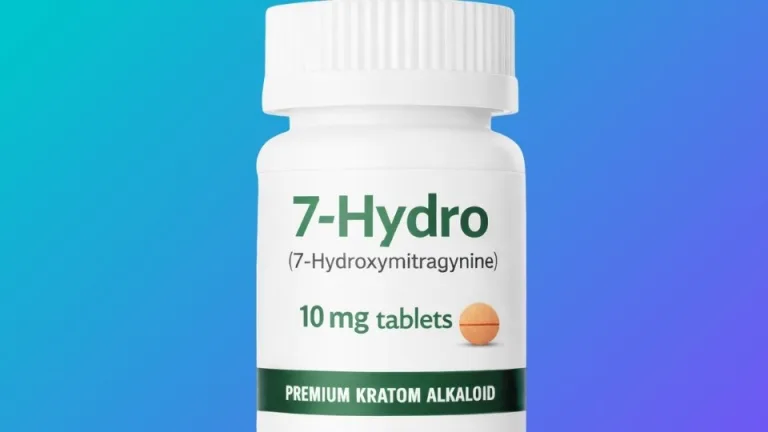
A growing number of consumers are encountering 7 OH tablets at gas stations, smoke shops, and online retailers, often marketed alongside other kratom products. These tablets contain concentrated levels of 7-hydroxymitragynine (7-OH), a potent compound derived from the kratom plant. While they may appear harmless on the shelf, the health risks associated with these products are raising serious concerns among medical professionals and regulatory agencies alike.
If you or someone you love is struggling with substance use involving 7 OH or similar opioids, professional support can make a meaningful difference. Radix Recovery’s drug detox program in Cedar Rapids provides medically supervised care to help individuals safely navigate withdrawal and begin the path toward lasting recovery.
Understanding what 7 OH tablets actually are, and what the science says about their effects, is an important step toward making informed decisions about your health.
What is 7-Hydroxymitragynine?

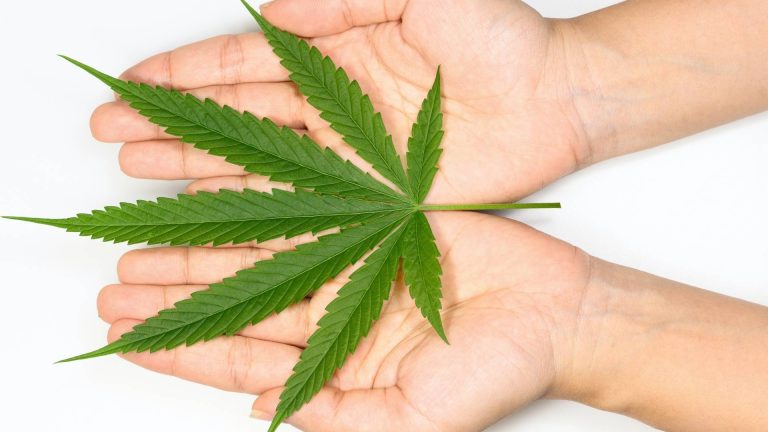
7-hydroxymitragynine is a naturally occurring alkaloid in the kratom plant and an active metabolite known scientifically as part of the plant Mitragyna speciosa. Kratom is a tropical tree native to Southeast Asia, where kratom leaves have been used traditionally for pain relief, energy, and to manage other ailments.
In its natural form, kratom leaves typically contain only trace amounts of 7-hydroxymitragynine. This compound is also produced through hepatic oxidation of mitragynine, another alkaloid present in the leaves. In trace amounts, its effects are relatively mild.
However, the 7 OH found in tablets sold today is quite different. Many of these products are semi-synthetic, meaning manufacturers isolate or chemically enhance the compound to reach high concentrations. The addition of a hydroxyl group during this process significantly increases the compound’s potency.
Some laboratory studies have reported that 7-OH is more potent than morphine in certain assays. This level of potency means that concentrated 7-OH products are far stronger than traditional kratom leaf preparations, and they carry a much higher potential for harm. Before exploring the specific effects of these tablets, you may want to build a foundation by reading What is 7-OH? A Complete Guide to This Emerging Substance.
How 7 OH Tablets Differ From Traditional Kratom Products
The distinction between standard kratom products and concentrated 7 OH tablets is critical for consumers to understand.
Traditional kratom powder requires relatively larger quantities to achieve noticeable effects. By contrast, concentrated 7 OH products can deliver potent effects in much smaller amounts, a comparison some have likened to energy drinks versus coffee.
This dramatic increase in potency is one reason health professionals and the Food and Drug Administration have raised concerns. Products sold as pills or tablets may look similar to dietary supplements, but they function much more like powerful drugs that act primarily on opioid receptors in the brain.
Many of the companies selling these tablets do not adhere to standardized dosing or quality control practices. This lack of oversight means consumers often have no reliable way to know exactly how much 7 OH they are ingesting, which increases the risk of adverse events, including accidental overdose.
How 7 OH Acts on Opioid Receptors
7-hydroxymitragynine binds to the same opioid receptors targeted by traditional opioids like morphine and heroin. When it reaches the brain, it activates mu-opioid receptors, producing effects that include pain relief, sedation, and a sense of euphoria.
Because 7-OH is highly potent at opioid receptors, even small amounts can produce significant opioid-like effects. This mechanism of action is what gives 7-OH its high potential for abuse and addiction.
The compound’s potency also explains why it can lead to tolerance development. Over time, the body requires increasing doses to achieve the same effects, a cycle that often deepens physical and psychological dependence.
Short-Term Effects of 7 OH Tablets

People who use 7 OH tablets may initially experience effects that feel similar to those of other opioids. These can include:
- Noticeable pain relief and reduced sensitivity to discomfort
- Sedation, drowsiness, or a feeling of relaxation
- Mild euphoria or improved mood
- Nausea, constipation, or dizziness
- Reduced anxiety in some individuals
While some of these effects may seem appealing, they can mask the dangerous nature of the substance. The line between a desired effect and a harmful overdose can be difficult to judge, especially given the inconsistent dosing present in many 7-OH products.
It is important to note that 7 OH is not approved for any medical use or as a dietary supplement. Products containing it cannot be lawfully added to conventional food items, and the FDA has not recognized any safe or effective medical use for these chemicals.
Health Risks and Adverse Events Linked to 7 OH
The health concerns surrounding 7 OH tablets are significant, and they extend well beyond the initial effects. Consumers face a range of potential health problems with both short-term and long-term use.
Respiratory Depression and Overdose Risk
One of the most dangerous risks associated with 7 OH is respiratory depression. High doses can cause breathing to slow dangerously or stop entirely, a life-threatening condition commonly associated with opioid overdose.
Combining 7 OH with alcohol or other drugs that depress the central nervous system significantly increases this risk. Because 7 OH tablets often lack quality control or standardized dosing, users may unknowingly take a dose high enough to trigger this response.
If you suspect someone is experiencing an overdose or severe reaction, contact the poison help line immediately. Understanding the signs of opioid use disorder can also help you recognize when substance use has become dangerous.
Liver Function and Long-Term Health Problems
Kratom-based products, including concentrated 7-OH products, have been associated with potential liver toxicity and damage from heavy or prolonged use. Impaired liver function is a serious concern, particularly for individuals who use these tablets regularly or combine them with other substances.
Additional long-term health problems may include mood disorders such as depression and anxiety, cognitive impairment, and worsening of pre-existing health conditions. The FDA has also noted reports of seizures in some individuals using kratom-based products.
Reports to poison control regarding 7-OH products have increased significantly. The Texas Poison Center Network received 192 reports of exposures involving kratom or products containing 7-OH in 2025, compared to 107 in 2024 and 122 in 2023. This sharp upward trend underscores the growing safety concern.
Can 7-OH Show Up on a Drug Test?
Many people wonder whether using 7 OH tablets will cause them to fail a drug test. Standard drug test panels typically screen for common substances like opioids, benzodiazepines, and amphetamines. While 7 OH acts on opioid receptors, it is structurally distinct from drugs like morphine or oxycodone, meaning it may not always trigger a positive result on a standard opioid screening.
However, specialized testing can detect kratom alkaloids, including 7-hydroxymitragynine. Some employers and treatment programs now include expanded panels that screen for these compounds.
The bottom line is that a standard drug test might not catch 7-OH use, but more advanced testing methods can. This is worth knowing for individuals in medication-assisted treatment for opioid use disorder or those subject to regular workplace screenings.
FDA and Drug Enforcement Administration Actions on 7 OH
Regulatory scrutiny of 7 OH has intensified in recent years. In July 2025, the U.S. Food and Drug Administration recommended that the Drug Enforcement Administration classify 7 hydroxymitragynine as a controlled substance under the Controlled Substances Act.
The FDA’s recommendation followed a significant increase in reports of health issues associated with 7-OH use. The agency has expressed concern about the substance’s high potential for abuse and the absence of any FDA-approved medical use.
Several states have already enacted bans or restrictions on kratom and its alkaloids, including 7 OH. These regulatory actions reflect a broader pattern of concern about protecting public health, particularly the safety of children who may be exposed to these products. The FDA recommends avoiding all products containing 7 OH due to their high risk of addiction and serious health consequences.
Companies that manufacture and sell 7 OH tablets currently operate in a largely unregulated space. Without approved safety standards, the burden of evaluating risk falls disproportionately on consumers, which is one reason advocacy for regulatory oversight continues to grow.
| Factor | Traditional Kratom Leaf | Concentrated 7 OH Tablets |
|---|---|---|
| 7-OH Content | Trace amounts | High concentrations |
| Potency vs. Morphine | Mild opioid-like effects | More potent in some laboratory assays |
| Typical Dose Needed | Larger quantities (grams) | Very small amounts |
| FDA Approval | Not approved | Not approved |
| Quality Control | Inconsistent | Often absent |
| Addiction Risk | Moderate with heavy use | High with regular use |
| Withdrawal Duration | Days to weeks | Days to weeks, sometimes longer |
The Risk of Addiction and Dependence
Regular use of 7 OH can lead to the development of both physical and psychological dependence.
7-OH has been shown to produce opioid-like tolerance and withdrawal symptoms in animal studies, further confirming its potential for addiction. The potency of concentrated 7-OH tablets means that dependence can develop more quickly than many users anticipate. Given that these concentrated tablets carry a high risk of dependence, we recommend reviewing our guide on 7-OH Withdrawal: Warning Signs, Symptoms, and Safe Detox Options to prepare for the recovery process.
For individuals already dealing with opioid addiction or opioid use disorder, 7 OH tablets can complicate recovery and deepen substance use patterns. Learning about the complete guide to opioid use disorder may help clarify how substances like 7 OH fit within the broader landscape of opioid dependence.
Withdrawal Symptoms and Recovery Timeline
Withdrawal from 7 OH can be particularly challenging. Concentrated 7 OH products can lead to withdrawal symptoms that may last days to weeks, with prolonged symptoms possible in some cases.
Common withdrawal symptoms may include:
- Muscle aches, joint pain, and physical discomfort
- Anxiety, irritability, and depression
- Insomnia and disrupted sleep patterns
- Nausea, vomiting, and gastrointestinal distress
- Intense cravings for the substance
- Sweating, chills, and flu-like symptoms
Because opioid withdrawal from potent substances like 7-OH can be severe, medical supervision is strongly recommended. Programs like medically supervised opiate detox provide the structured care needed to manage these symptoms safely and reduce the risk of relapse.
Understanding the drug detox timeline can help individuals prepare for what recovery may look like in practical terms.
Where 7 OH Tablets Are Sold and Why That’s a Concern
7 OH tablets are commonly found at gas stations, convenience stores, and smoke shops. They are also widely available through online retailers. This easy accessibility is one of the most significant safety concerns, particularly because these products are often sold near food items and other everyday goods, giving consumers the impression that they are safe.
The lack of age verification at many points of sale raises additional concern about children and young adults gaining access to these dangerous products. Unlike regulated drugs or even alcohol, 7 OH tablets can often be purchased without any oversight.
For those exploring healthier paths forward, understanding the differences between inpatient vs. outpatient opioid treatment can provide useful guidance on the level of care that may be appropriate.
Frequently Asked Questions About 7 OH Tablets
Are 7 OH Tablets the Same as Regular Kratom Products?
No. While both come from the kratom plant, regular kratom products contain naturally occurring alkaloids in relatively small amounts. 7 OH tablets feature concentrated or semi- synthetic forms of 7-hydroxymitragynine with dramatically higher potency. The difference in potency and risk profile between the two is substantial.
Will 7-OH Show Up on a Standard Drug Test?
A standard drug test may not detect 7-OH because it is structurally different from the opioids typically screened. However, specialized and expanded testing panels can identify kratom alkaloids, including 7-hydroxymitragynine. Testing technology continues to evolve as awareness of these substances grows.
What Should I Do if I Think I’m Dependent on 7 OH?
If you believe you have developed dependence on 7 OH, seeking professional medical support is the safest course of action. Withdrawal from concentrated 7-OH can produce serious symptoms that benefit from medical oversight. Explore opioid detox treatment options to understand the range of care available to you.
Getting Help for 7-OH or Opioid Addiction
The rising availability of 7 OH tablets is a growing public health concern that affects individuals and families across the country. Whether you are dealing with 7 OH specifically, broader opioid addiction, or the challenge of polysubstance abuse, recovery is possible with the right support.
Addiction to substances like 7-OH is a medical condition, not a moral failing. Professional treatment can help you or your loved one safely navigate withdrawal, address the underlying factors driving substance use, and build a foundation for long-term recovery. Understanding the role of therapy for opioid use disorder and having a solid aftercare plan are important parts of that process.
Taking the step to protect your health and your life is worth it. If you are ready to explore treatment, inpatient rehab in Iowa offers a supportive, structured environment where healing can begin. You can also learn more about preventing relapse after opioid withdrawal to prepare for a stronger recovery.
Radix Recovery is here to help you find the path that’s right for you. Reach out today to learn about the treatment options available and take the first step toward a healthier future.