Reaching for ibuprofen after a night of drinking alcohol may seem harmless, but combining these two substances can lead to unexpected and serious health problems. Whether you’re managing a headache, muscle pain, or general soreness, understanding how ibuprofen and alcohol interact is essential for protecting your body.
If you or a loved one is struggling with alcohol use, Radix Recovery’s alcohol detox program in Cedar Rapids offers medically supervised support to help you take the first step toward a healthier life.
Occasionally, taking the recommended dose of ibuprofen with alcohol may not cause serious problems for many healthy adults, but regular use can harm your stomach and kidneys. This article covers everything you need to know about mixing ibuprofen and alcohol safely, including timing, dosage, risks, and when to seek professional medical advice.
What Is Ibuprofen? Common Brand Names and Uses
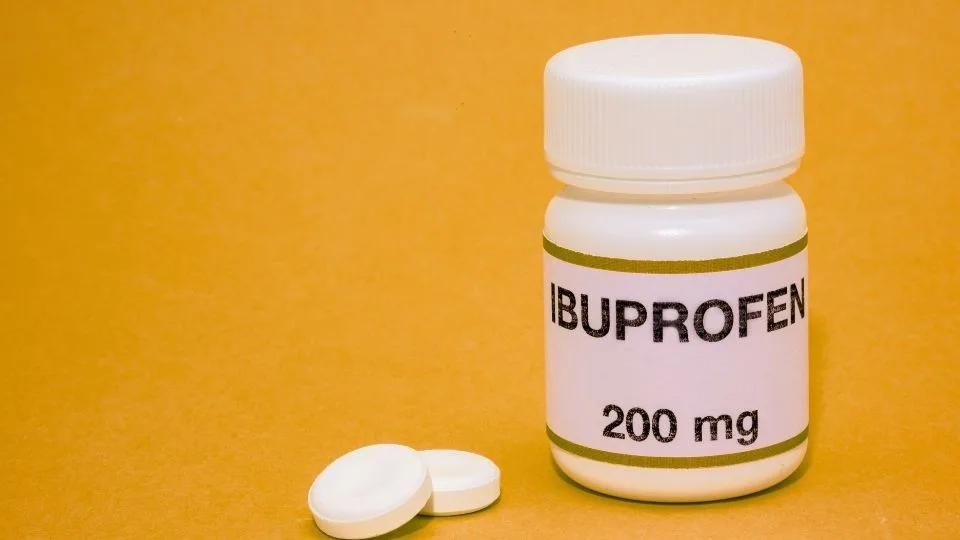
Ibuprofen is a nonsteroidal anti-inflammatory drug (NSAID) widely used to relieve pain, reduce inflammation, and lower fevers. It is available over the counter under several brand names, including Advil, Motrin, and Midol. Many people use ibuprofen for muscle pain, headaches, menstrual cramps, and joint discomfort.
As a pain reliever, ibuprofen works by blocking enzymes involved in inflammation. While it is effective for short-term pain relief and pain management, taking ibuprofen regularly or at high doses can increase the likelihood of adverse effects on digestion and kidney function.
How Ibuprofen and Alcohol Affect Your Body
Ibuprofen is mainly metabolized in the liver and cleared through the urine, while alcohol is primarily metabolized by the liver. When taken together, the better-established concern is that alcohol and ibuprofen can both irritate the stomach and increase the risk of bleeding, especially with heavy drinking or prolonged NSAID use.
Ibuprofen reduces the protective mucus layer in the digestive tract, while drinking irritates the stomach lining and increases acid production. When you combine alcohol with ibuprofen, these effects compound, placing cumulative strain on the digestive system and other organs.
Both substances can also affect kidney function, and alcohol can contribute to dehydration. Adding alcohol to an already-stressed system makes health problems more likely, particularly with long-term ibuprofen use. While many people use ibuprofen for minor aches, those managing mental health conditions should exercise additional caution and review the specific interactions detailed in our guide on Zoloft and alcohol before mixing the two
How Much Alcohol Is Safe When Taking Ibuprofen?
Moderate alcohol consumption is generally tolerated better with occasional ibuprofen use, but heavy drinking or high doses greatly elevate health risks. So, how much alcohol can you safely have?
According to the CDC, for most adults, moderate consumption means one drink per day for women and up to two drinks per day for men. If you’re only taking ibuprofen on occasion at recommended doses, having one or two alcoholic drinks may be unlikely to cause serious immediate harm for many healthy adults.
However, drinking too much alcohol while taking ibuprofen, even at standard doses, can irritate the GI tract and raise your chances of stomach bleeding and other complications. The relative risk grows substantially when either substance is used in excess.
How Much Ibuprofen Is Safe?
The recommended dosage for over-the-counter ibuprofen is typically 200–400 mg every four to six hours, not exceeding 1,200 mg per day unless directed by a healthcare provider. Prescription-strength doses can go up to 800 mg.
Higher doses of ibuprofen, particularly 600mg and 800mg, can increase the risks of gastrointestinal bleeding and renal injury, especially in people who also drink heavily or have other risk factors. Heavy ibuprofen use combined with regular alcohol drinking creates a dangerous pairing that should not be ignored.
Understanding how much ibuprofen you’re consuming is critical. Even ibuprofen, occasionally taken at moderate doses, deserves caution if you’re also consuming alcohol.
Risks of Mixing Ibuprofen and Alcohol

This combination introduces several overlapping health risks. The combined effects on the stomach lining and kidneys make this a pairing worth taking seriously.
Below are the most significant dangers to be aware of.
Gastrointestinal Bleeding and Stomach Damage
One of the most well-documented risks of mixing ibuprofen and alcohol is gastrointestinal bleeding. Ibuprofen can irritate the stomach lining, and when paired with drinking, which increases acid production, the risk of gastrointestinal damage is amplified.
Regular use of ibuprofen while consuming alcohol significantly increases the risk of gastrointestinal bleeding, particularly in individuals who drink heavily or take high doses. Upper GI bleeding can develop without obvious warning signs and may become life-threatening if untreated.
Watch for these emergency warning signs:
- Severe stomach pain or persistent stomach aches
- Vomiting that looks like coffee grounds
- Black or tarry stools
- Persistent upset stomach or stomach irritation
- Rapid heartbeat or dizziness
The risk of gastrointestinal complications, such as stomach ulcers and internal bleeding, increases significantly when ibuprofen is taken alongside drinking due to the combined irritative effects on the stomach lining. If you notice any of these symptoms, seek immediate medical attention.
Higher Risk of Kidney Damage
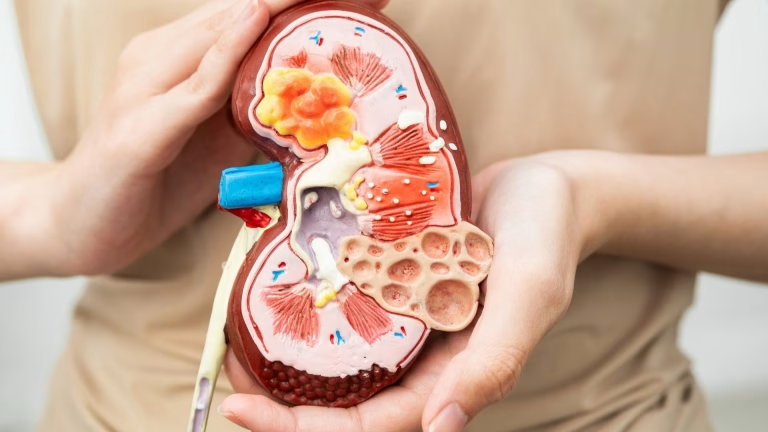
Combining ibuprofen and alcohol can increase the risk of kidney damage, especially with long-term use or in people with other risk factors. Drinking causes dehydration, and ibuprofen reduces blood flow to the kidneys, which can contribute to acute kidney injury.
Kidney issues may not produce obvious symptoms early on. Over time, long-term NSAID overuse can contribute to chronic kidney damage, and heavy alcohol use may further increase vulnerability. Individuals with existing renal or liver issues should exercise caution. Learning to recognize the signs of renal harm from drinking can help you act before problems escalate.
Risk factors for renal harm include:
- Using ibuprofen routinely while drinking
- Pre-existing renal conditions or liver disease
- Being among older adults, who are more susceptible to organ stress
- Using high doses of ibuprofen with heavy drinking
Prolonged use of either substance significantly increases the risk of kidney problems. If you have a history of renal issues, consult your healthcare professional before taking ibuprofen.
Decreased Alertness and Slowed Reaction Times
Drinking can reduce alertness and slow reaction times, which can be dangerous during activities like driving. If ibuprofen causes stomach upset or is combined with other medications, everyday tasks may become riskier.
This makes everyday tasks riskier and may contribute to accidents or impaired judgment.
Liver Impairment and Prolonged Toxicity
The liver processes both of these substances. People with pre-existing hepatic conditions or heavy alcohol use should be especially cautious with regular ibuprofen use. Both alcohol misuse and some medications can stress the liver, so adding alcohol to this medication may increase overall health risks.
Individuals with pre-existing hepatic conditions face an even greater threat. Both alcohol and ibuprofen can place strain on the body, so adding alcohol to this medication only compounds the danger.
How Long After Taking Ibuprofen Can You Drink Alcohol?
One of the most common questions is how long after taking ibuprofen can you drink alcohol safely. There is no widely accepted official waiting-time rule from major health authorities, and risk depends more on your dose, how much alcohol you drink, how often you use ibuprofen, and your overall health.
How long you should wait depends on several factors, including your dose, body weight, and overall health. If you’re unsure about timing, asking a healthcare provider is always the safest approach.
Can You Drink After Taking Ibuprofen? Timing and Alcohol Consumption
For occasional use, having one to two drinks may be tolerated better with low doses of ibuprofen, but timing and individual risk factors still matter to avoid harmful interactions.
There is no standard rule requiring a full day wait after having alcoholic drinks before taking ibuprofen. If you take ibuprofen occasionally and plan on drinking alcohol later, the safest approach is to avoid taking ibuprofen during or soon after heavy drinking, especially if you have stomach, kidney, or liver risk factors.
Ibuprofen Dosage and Its Effect on Alcohol Use Risk
Taking higher doses of ibuprofen, such as 600mg or 800mg, while drinking can lead to a compounded risk of gastrointestinal complications, including ulcers and stomach bleeding. The higher the dose, the more the digestive tract is affected.
Risk generally rises with higher doses, longer use, heavier alcohol intake, and personal risk factors such as older age, ulcer history, kidney disease, or dehydration.
Taking higher doses while drinking alcohol significantly increases the risk of gastrointestinal bleeding. Always follow safe dosing limits and avoid mixing ibuprofen with alcohol whenever possible.
Alcohol Use and Long-Term Health Consequences
Chronic drinking on its own can damage multiple organ systems. When paired with regular ibuprofen use, the long-term consequences may be compounded. Stomach bleeding, organ damage, and other serious health problems are among the most serious outcomes.
Regular use of ibuprofen raises the risk of stomach and intestinal bleeding in people who drink. The digestive system bears much of the burden, but the kidneys are also at increased risk.
People who find themselves frequently mixing alcohol and pain relievers may want to evaluate their relationship with drinking. Beyond physical health concerns, heavy consumption can also strain personal connections. Understanding how drinking impacts loved ones may offer further motivation to make changes. If cutting back on drinking feels difficult or if you recognize early signs of problematic drinking, reaching out for support can make a significant difference.
Risk Factors That Increase Complications
Certain risk factors elevate the dangers of this combination. Older adults are more vulnerable to stomach bleeding and kidney issues because their organs process substances less efficiently. Those with a history of stomach ulcers, kidney disease, or liver disease should be especially careful.
Other contributors include using ibuprofen regularly at high doses, drinking alcohol heavily, and taking other medications that affect the stomach or kidneys. If any of these apply, seeking professional medical advice is strongly recommended.
When to Seek Help: Addiction Treatment Options
If you find it difficult to stop drinking alcohol despite knowing the risks, this may point to a deeper issue with alcohol use. Addiction treatment can provide the structure, medical supervision, and support needed to address problematic drinking.
Emergency warning signs of complications from this combination include severe abdominal pain, persistent vomiting, and black or tarry stools. If you experience any of these symptoms, seek immediate medical care.
For those struggling with ongoing drinking, inpatient rehab in Iowa provides a supportive environment for recovery. Radix Recovery offers medically supervised detox treatment along with comprehensive recovery programming to help individuals build lasting sobriety.
If you’re unsure whether you need help, exploring the stages of problematic drinking or learning about withdrawal timelines can offer a valuable perspective. Understanding the importance of detox is a helpful first step toward recovery.
Support resources like family education programs and aftercare planning can also be essential parts of the recovery journey. Whether you’re dealing with kidney concerns related to drinking or looking for guidance on how to detox safely, professional help is available. You can also learn about the risks of quitting abruptly and why medically assisted detox is often the safest path forward.
How Long After Taking Ibuprofen Can You Drink Alcohol? Frequently Asked Questions
How Long After Taking Ibuprofen Can You Drink Alcohol Safely?
There is no official universal waiting rule. The safest choice is to avoid combining ibuprofen with heavy alcohol use and to be more cautious if you have GI, kidney, or liver risk factors. If you’ve taken a higher dose, caution is especially important.
Can You Combine Alcohol and Ibuprofen Occasionally Without Harm?
Occasional ibuprofen at the recommended dosage with moderate alcohol may not cause serious harm for many healthy adults. However, even occasional mixing carries some increased risk of stomach irritation and digestive system discomfort. If you have any pre-existing conditions, consult a healthcare professional first.
What Are the Signs of Drinking Alcohol While on Ibuprofen?
Common warning signs include stomach pain, nausea, vomiting (especially material resembling coffee grounds), dark or tarry stools, dizziness, and rapid heartbeat. These symptoms can indicate internal bleeding or other serious complications and warrant immediate medical attention.
Final Thoughts
Taking ibuprofen while drinking is a combination many people encounter without fully appreciating the risks. While both substances may seem routine, using the two drugs together, especially at high doses or over extended periods, can lead to stomach bleeding, renal harm, and other serious health problems.
The safest approach is to avoid combining ibuprofen with drinking altogether. If that isn’t realistic, use extra caution, stick to the recommended dosage, and pay attention to how your body responds. For anyone concerned about their alcohol use, seeking addiction treatment is a courageous and potentially life-saving step.