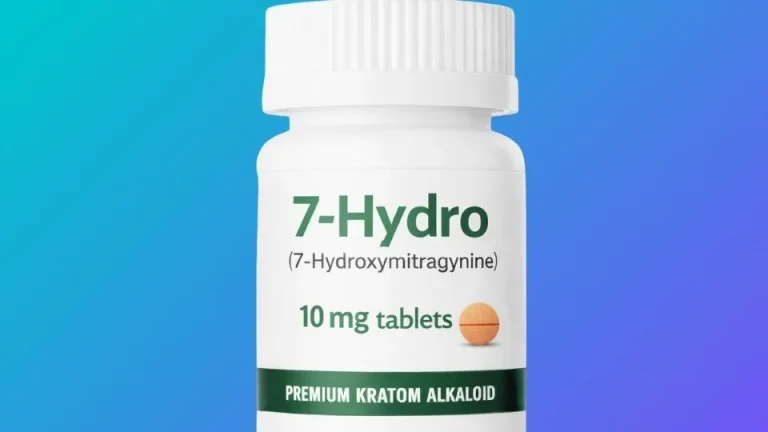

If you or someone you care about has been using 7 OH products purchased at gas stations or smoke shops, you may already be noticing that stopping isn’t simple. 7-hydroxymitragynine (7-OH) is a potent alkaloid found in kratom that can cause significant health problems, including addiction, anxiety, depression, and gastrointestinal distress. Because these products are often marketed as dietary supplements, many people underestimate how physical dependence can develop. For those who need clinical supervision, our inpatient drug rehab program is available in Cedar Rapids.
Understanding the warning signs of 7 OH withdrawal is the first step toward getting help. A structured drug detox program provides the medical supervision and support necessary to navigate withdrawal safely. This guide breaks down what to expect, the health risks involved, and the treatment options that lead to better recovery outcomes.
What Is 7 OH, and Why Does It Cause Dependence?
7 OH is an opioid-like chemical found naturally present in the leaves of the kratom plant. While kratom leaves contain several active compounds, 7-hydroxymitragynine is the most potent alkaloid responsible for the substance’s pain relief and sedating effects. Research has shown that this compound binds to the same brain receptors as traditional opioids.
Products sold at smoke shops and gas stations often contain concentrated forms of 7-OH. The U.S. Food and Drug Administration has warned that products containing 7-OH have not been proven safe or effective for any medical use.
How 7 OH Interacts With Mu Opioid Receptors
7 OH binds directly to mu opioid receptors in the brain, triggering the same reward pathways activated by drugs like morphine. This binding produces feelings of euphoria and pain relief, but also leads to tolerance.
When someone stops using 7 OH, those opioid receptors are suddenly left without stimulation. The result is a cascade of physical and psychological withdrawal symptoms that can mirror opioid withdrawal in both intensity and duration.
Recognizing 7 OH Withdrawal Symptoms
Withdrawal symptoms from 7-hydroxymitragynine can include muscle aches, anxiety, insomnia, nausea, and restlessness, closely mirroring those of opioid withdrawal. The intensity of 7 OH withdrawal symptoms depends on factors such as dosage, duration of use, individual metabolism, and usage patterns.
Not all symptoms appear at the same time. Recognizing early symptoms is key to seeking help before complications arise. To better understand the chemical properties of the substance causing these withdrawal symptoms, refer to our article: What is 7-OH? A Complete Guide to This Emerging Substance.
Early Physical Symptoms
The earliest signs of OH withdrawal tend to be physical. Symptoms may begin within hours to a day of the last dose. During this initial phase, you may notice:
- Muscle aches and muscle cramps throughout the body
- Runny nose and watery eyes
- Excessive sweating and chills
- Gastrointestinal distress, including nausea and diarrhea
- Restlessness and difficulty sitting still
These early symptoms can feel similar to a severe case of the flu. However, they signal a process that often requires medical attention.
In cases of heavy, long-term use, 7 OH can lead to severe reactions requiring medical attention. Respiratory depression and liver toxicity are among the most serious adverse events reported, particularly with concentrated formulations. The severity of these symptoms is often heightened for those using high-potency extracts; for more information on these products, see our guide on 7-OH Tablets: Effects, Risks, and What to Expect.
Psychological and Emotional Withdrawal Symptoms
Many people find that the psychological effects are equally challenging. Common withdrawal symptoms include anxiety, restlessness, insomnia, and emotional symptoms like irritability and severe depression, which can last for weeks or months.
Mood disorders during withdrawal make it difficult to maintain motivation. Mental health conditions simultaneously present alongside substance use disorder treatment needs can complicate recovery without proper support from a healthcare provider.
The 7 OH Withdrawal Timeline

Understanding the withdrawal timeline can reduce fear and help you prepare. Symptoms often peak during the first several days, with subsequent phases of improvement and persistent psychological effects in some cases.
| Phase | Timeframe | Common Symptoms |
|---|---|---|
| Onset | Within hours to 24 hours after your last dose | Muscle aches, anxiety, runny nose, restlessness |
| Peak | First several days | Nausea, muscle cramps, insomnia, depressed mood, cravings |
| Subacute | Days 4–7 | Gradual improvement in acute symptoms, fatigue, mood instability |
| Post-Acute (PAWS) | Weeks to months | Gradual improvement in acute symptoms, fatigue, and mood instability |
Prolonged psychological symptoms can occur among people recovering from 7-OH dependence. During this extended phase, psychological symptoms may come and go unpredictably, which is why ongoing aftercare is so important.
When Do OH Withdrawal Symptoms Peak?
For most individuals, peak withdrawal severity occurs during the first few days. This is when physical symptoms are most intense, and the risk of complications is highest. Severe withdrawal during this window can include elevated blood pressure, dehydration, and worsening mood symptoms.
The peak period is the most critical time to have medical supervision available. Attempting to push through without support increases both health risks and relapse risk.
Risks of Quitting Cold Turkey
Tapering off 7 OH is often recommended over quitting cold turkey, as it can reduce withdrawal severity and lower the risk of complications. While some people believe stopping abruptly is the fastest path to recovery, it often causes unnecessary suffering.
Stopping suddenly without supervision can lead to dehydration, elevated blood pressure, and severe depression. Withdrawal discomfort becomes the dominant experience, and without support, many people return to use.
A medically supervised taper, often part of a medical detox program, minimizes adverse events and makes the process far more manageable.
How Kratom Withdrawal Compares to 7-OH Withdrawal
Because 7-OH is derived from the kratom plant, many assume that kratom withdrawal and withdrawal from 7-OH are identical. Standard kratom products contain a broader mix of alkaloids with lower 7-OH concentrations. Concentrated 7-OH products deliver a much more potent dose to opioid receptors, leading to more intense physical dependence and more severe withdrawal.
Kratom withdrawal symptoms tend to include similar complaints but may be milder. Both types benefit from evidence-based detox treatment.
Kratom Dependence and Escalation to 7 OH
Kratom dependence often serves as a gateway to stronger 7-OH products. A person may initially use kratom for pain relief, only to find that tolerance builds over time. As effects diminish, some users switch to concentrated 7-OH products at smoke shops and gas stations.
This escalation mirrors patterns seen with opioid use disorder and opioid addiction more broadly. Federal agencies have expressed concern about these products, often sold as dietary supplements, and their potential for drug abuse.
Why Professional Treatment Matters
Withdrawal from 7 OH can trigger symptoms such as pain, gastrointestinal distress, anxiety, and depression. Moderate to severe withdrawal often warrants professional treatment at a qualified treatment center.
Medical detoxification is often recommended for individuals withdrawing from 7 OH, as it helps manage serious health risks under the care of healthcare professionals. A medical detox program provides monitoring, medication management to ease withdrawal symptoms, and immediate access to emergency care.
Professional treatment also addresses the underlying causes of substance use. The Substance Abuse and Mental Health Services Administration emphasizes that integrated approaches to substance use disorder treatment produce better long-term results. Understanding the difference between detox and rehab helps set realistic expectations.
Medical Detox Under Supervision
Medical supervision during withdrawal means complications such as severe dehydration, worsening mood symptoms, or other adverse events are caught and treated promptly. Your healthcare provider can adjust treatment in real time as symptoms change.
Clients benefit from the structure and safety of an inpatient rehab environment during the most difficult phase. Removing access to 7 OH products while providing intensive support greatly improves early outcomes.
Medical detox also serves as the foundation for continued care. Once the acute phase is complete, individuals can transition into outpatient services or extended programming.
Medication-Assisted Treatment Options
Medication-assisted treatment (MAT) can ease withdrawal symptoms from 7-OH, with medications like buprenorphine and clonidine showing effectiveness in managing discomfort and stabilizing mood. MAT is a cornerstone of addiction medicine for opioid-related conditions.
Buprenorphine helps reduce cravings, while clonidine addresses autonomic symptoms such as elevated heart rate and anxiety. Sleep aids may also be prescribed short-term. Medication-assisted treatment is most effective when combined with behavioral therapy, as outlined in MAT protocols for opioid use disorder.
Your Recovery Journey After Detox
Completing detox is a meaningful milestone, but recovery continues beyond the acute phase. Behavioral health support is a critical component of treatment, helping individuals manage both physical symptoms and mental health challenges during recovery.
Supportive interventions like behavioral therapy and counseling are recommended to handle psychological withdrawal symptoms. Without ongoing support, the risk of returning to use remains high. This is why aftercare planning is essential.
Ongoing Behavioral Health Support
Long-term recovery depends on continued engagement with mental health services. Support groups, individual therapy, and group counseling help individuals maintain progress. Addressing co-occurring mental health conditions is particularly important, as many people with 7 OH dependence also manage anxiety or mood disorders.
Ongoing support includes practical recovery tools like identifying triggers, managing stress, and building healthy routines. Mindfulness practices and journaling are evidence-informed strategies that support long-term recovery.
For individuals with opioid addiction or broader substance abuse history, community resources help prevent relapse and reinforce progress.
Insurance Coverage for 7 OH Detox
Most major insurance plans provide some level of coverage for substance use disorder treatment, including medical detox and inpatient care. Most insurance plans obtained through the ACA marketplace are required to cover mental health and addiction treatment services.
If you’re unsure what your plan covers, the admissions team at Radix Recovery can verify your insurance coverage and explain your options. Learn more about how insurance applies to detox.
When to Seek Professional Help
You should seek professional guidance if you experience any of the following:
- Withdrawal symptoms that worsen after 72 hours
- Signs of respiratory depression, such as shallow breathing
- Signs of liver damage, including yellowing skin or abdominal pain
- Intense depressive episodes or thoughts of self-harm
- Inability to keep fluids down
- Concurrent use of other substances alongside 7 OH
If you suspect an adverse reaction, contact the poison help line at 1-800-222-1222 or call 911. The National Institute on Drug Abuse and local providers can also connect you with resources. Early intervention typically produces the best recovery outcomes.
FAQs About 7 OH Withdrawal
How Long Does 7 OH Withdrawal Last?
The acute phase of 7 OH withdrawal often lasts several days, with the worst discomfort commonly occurring during the first few days. Prolonged psychological symptoms can extend for weeks or months.
Is 7 OH Withdrawal Dangerous Without Medical Help?
While not always life-threatening, 7 OH withdrawal can involve serious health risks. 7 OH products can lead to severe health issues, including seizures and liver toxicity, particularly with concentrated products. Without medical supervision, complications may go unnoticed.
Can I Detox From 7 OH at Home?
Home detox may be possible for mild dependence, but it is generally not recommended. The unpredictability of withdrawal severity and potential for adverse events make medical oversight the safer choice. Discuss your situation with a healthcare provider who understands.
Take the Next Step
Withdrawing from 7 OH is a real medical challenge, not a matter of willpower. The combination of physical dependence, psychological symptoms, and wide availability of these products at gas stations and smoke shops makes recovery difficult without the right support.
Contact the admissions team at Radix Recovery to learn about treatment options, verify your benefits, and start your recovery journey with the intensive support you need.