When managing pain after surgery or injury, doctors often prescribe opioids like Percocet or hydrocodone. Both treat moderate to severe pain, and a common question is which one is stronger. The short answer is that oxycodone, the opioid in Percocet, is modestly more potent milligram for milligram than hydrocodone, but the real strength depends on the dose prescribed. Both carry serious risks of dependence and overdose. This guide breaks down the differences clearly.
If opioid use has become hard to control, our drug detox program can help. This article is part of our broader opioid addiction resource library.
What Are Percocet and Hydrocodone?
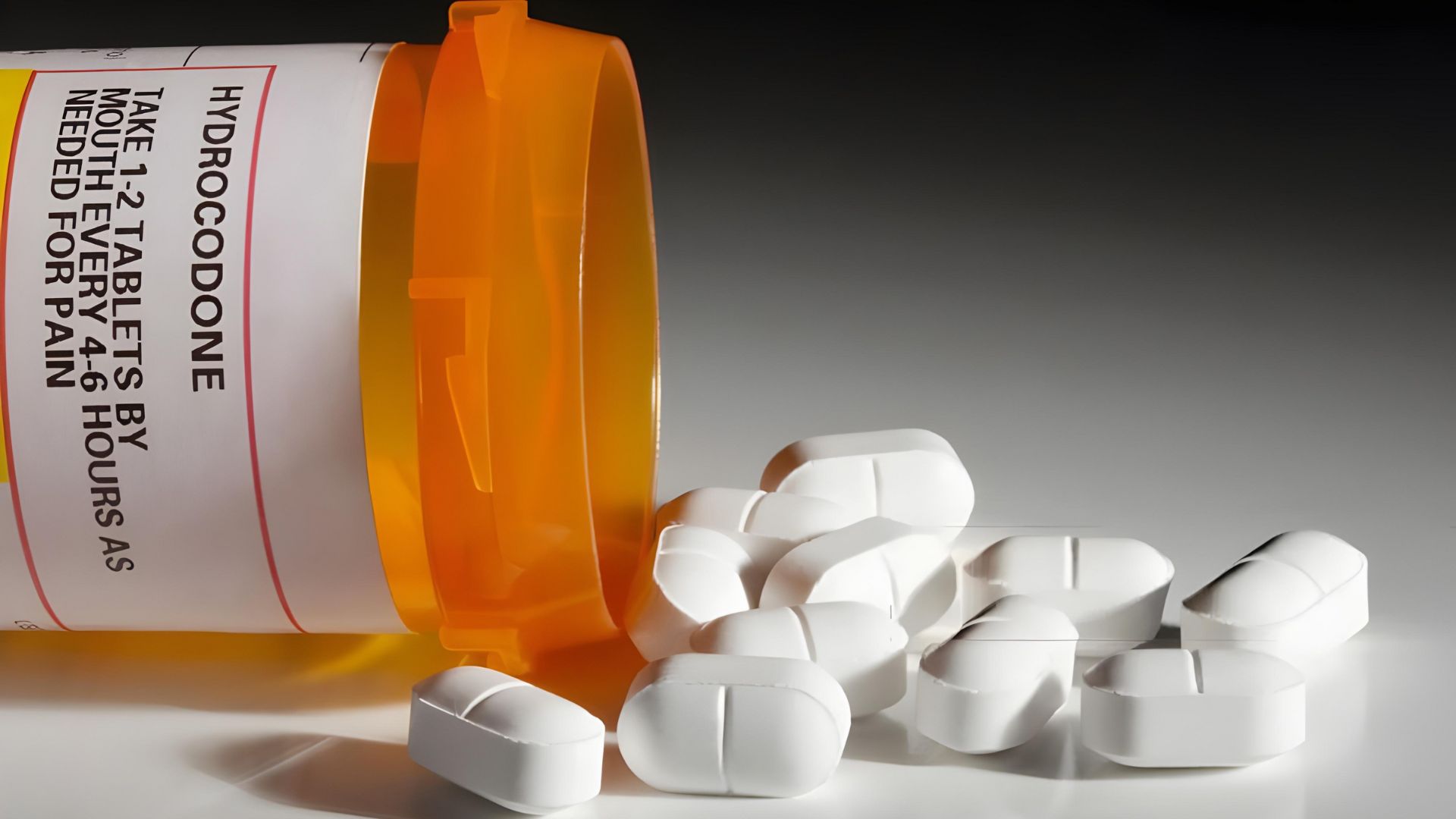
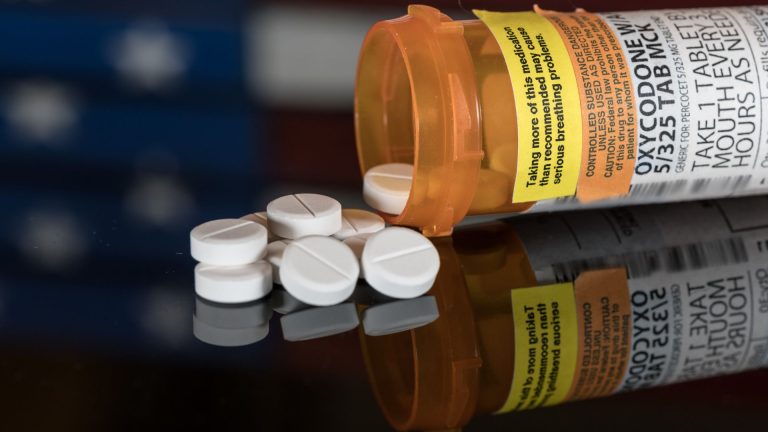
Percocet is a prescription combination medication that contains oxycodone, a potent opioid, plus acetaminophen, which adds pain relief and reduces fever [1]. It is often prescribed short-term for pain after surgery, injury, or dental work. Hydrocodone is a separate opioid that is also commonly combined with acetaminophen, under brand names like Vicodin and Norco. Both work by binding to opioid receptors in the brain and spinal cord to block pain signals, and both are used for moderate to severe pain. Radix Recovery provides supervised detox support for people across Iowa who need medical support to stop.
The key difference is the opioid itself. Percocet’s active opioid is oxycodone, while the other product’s is hydrocodone. Everything else, including the acetaminophen component and the general side-effect profile, is broadly similar.
Which One Is Stronger?
Oxycodone is generally considered somewhat more potent than hydrocodone on a milligram-for-milligram basis. In the morphine milligram equivalent (MME) system that clinicians use to compare opioids, oxycodone has a conversion factor of about 1.5 while hydrocodone is 1, meaning oxycodone is, as a clinical approximation, roughly one and a half times as strong per milligram [2]. In practice, that means a smaller dose of oxycodone can match the pain relief of a larger dose of hydrocodone.
That said, “stronger” is not the whole story. Both drugs relieve moderate to severe pain effectively when dosed appropriately, and the actual strength a person feels depends on the specific dose prescribed, their metabolism, and their tolerance. The table below compares the two at a glance.
| Feature | Percocet | Hydrocodone Products |
| Active opioid | Oxycodone | Hydrocodone |
| Relative potency (per mg) | About 1.5 MME | About 1 MME |
| Common companion ingredient | Acetaminophen | Often acetaminophen |
| Controlled substance schedule | Schedule II | Schedule II |
| Typical use | Moderate to severe pain | Moderate to severe pain |
For a closer look at how long the effects and traces of one of these drugs last, see our guide on how long Percocet lasts in your system.
Talk With Radix Recovery Today
Get confidential guidance and learn whether medically supervised drug detox is the right first step toward a safer, more stable recovery.
Drug Detox Program in Cedar RapidsThe Acetaminophen Factor
Because both medications usually contain acetaminophen, there is an added risk that has nothing to do with the opioid. Taking too much acetaminophen can cause serious liver damage, and combination opioid products have been linked to cases of acute liver failure from unintentional overdose [3]. For this reason, the amount of acetaminophen in these combination products is now limited to no more than 325 mg per tablet or capsule. Anyone taking Percocet or a hydrocodone combination should be careful not to add other acetaminophen-containing medicines.
Both Are Schedule II Controlled Substances
Oxycodone and hydrocodone are both classified as Schedule II controlled substances, the category for drugs with an accepted medical use but a high potential for misuse and dependence [4]. Physical dependence can build even when these medications are taken as directed, and the risk of addiction rises with higher doses and longer use. This is why they are prescribed carefully and monitored closely. If you are worried about misuse, our overview of the 8 opioid use disorder symptoms can help you recognize the warning signs.
If dependence has already set in, our chapter on supervised opiate withdrawal explains what safe detox from either medication looks like.
Effects and Overdose Risk

Because they are both opioids, Percocet and hydrocodone share a similar set of side effects, including:
- Drowsiness and sedation
- Constipation
- Nausea and dizziness
- Slowed breathing
The most serious danger is respiratory depression. Even a single large dose of an opioid can slow breathing enough to be fatal, and the risk rises sharply when opioids are combined with alcohol or sedatives [5]. Mixing an opioid with drinking is especially dangerous, as we explain in our article on oxycodone and alcohol. Warning signs of a possible overdose include:
- Very slow, shallow, or stopped breathing
- Blue-tinged lips or fingertips
- Extreme drowsiness or inability to wake up
- Limp body and pinpoint pupils
If you suspect an overdose, call 911 immediately and give naloxone if it is available. For more detail on dose-related danger, see our guide to oxycodone overdose risk and warning signs.
Choosing Between Them for Pain
Whether Percocet or a hydrocodone product is the better choice depends on the type and severity of pain, medical history, and how a person responds to each medication. A prescriber weighs the stronger per-milligram potency of oxycodone against a person’s individual risk factors. Anyone with a history of substance use or certain mental health conditions faces a higher risk of addiction, so the decision should always be made with a licensed medical provider, who may also suggest non-opioid options when appropriate.
Treatment for Percocet and Hydrocodone Addiction
Opioid addiction is treatable, and help is available whether the struggle involves Percocet, hydrocodone, or another opioid. Treatment usually begins with a medically supervised taper or detox to manage withdrawal safely, followed by counseling and long-term support. Evidence-based care often combines medication-assisted treatment with therapies like cognitive behavioral therapy and relapse prevention planning. Our guides on medication-assisted treatment for opioid use disorder and the best opioid detox treatment options explain what recovery can look like. Because opioids differ in strength, comparisons like hydrocodone versus codeine can also help you understand where a given medication fits.
Percocet vs. Hydrocodone Frequently Asked Questions
Is Percocet stronger than hydrocodone?
Milligram for milligram, the oxycodone in Percocet is somewhat more potent than hydrocodone, with an MME conversion factor of about 1.5 versus 1. In practice, both relieve moderate to severe pain, and the strength a person feels depends on the prescribed dose, tolerance, and individual metabolism.
Are Percocet and hydrocodone equally addictive?
Both are Schedule II opioids with a high potential for dependence and addiction. Physical dependence can develop even with directed use, and the risk grows with higher doses and longer duration. Neither is clearly safer, so both require careful medical supervision to reduce the risk of misuse.
What makes mixing these opioids with alcohol dangerous?
Both opioids and alcohol slow the central nervous system, including breathing. Combining them multiplies the risk of severe respiratory depression, overdose, and death. There is no safe amount of alcohol with these medications, so the combination should be avoided entirely unless a doctor advises otherwise.
Final Thoughts from Radix Recovery
Both Percocet and hydrocodone are effective pain relievers, and while oxycodone is modestly stronger per milligram, both carry a high risk of dependence, overdose, and, with their acetaminophen component, liver harm. The right choice depends on individual needs and should always involve a medical provider. At Radix Recovery in Cedar Rapids, Iowa, we specialize in evidence-based treatment for opioid addiction, offering compassionate, clinically guided care to help people regain their health and build lasting recovery.
Sources
- MedlinePlus (U.S. National Library of Medicine), “Oxycodone Combination Products.” https://medlineplus.gov/druginfo/meds/a625053.html
- Centers for Disease Control and Prevention (CDC), “Clinical Practice Guideline for Prescribing Opioids: Morphine Milligram Equivalents.” https://www.cdc.gov/overdose-prevention/hcp/clinical-guidance/index.html
- National Institutes of Health, LiverTox (NCBI Bookshelf), “Oxycodone.” https://www.ncbi.nlm.nih.gov/books/NBK547955/
- U.S. Drug Enforcement Administration (DEA), “Oxycodone.” https://www.dea.gov/factsheets/oxycodone
- National Institute on Drug Abuse (NIDA), “Prescription Opioids DrugFacts.” https://nida.nih.gov/publications/drugfacts/prescription-opioids