Percocet is a prescription pain reliever used for pain severe enough to require an opioid when alternative treatments are inadequate, including some cases of pain after surgery. If you take it, you may wonder how long its effects last, how long it stays in your body, and how long a drug test can detect it. Those are different questions with different answers, and the timing varies from person to person. This guide breaks down Percocet’s half-life, its detection windows, and the factors that change how quickly it clears. If Percocet use has become hard to control, our Percocet addiction drug program can help.
For those who need clinical supervision, inpatient drug detox is available in Cedar Rapids.
What Is Percocet?

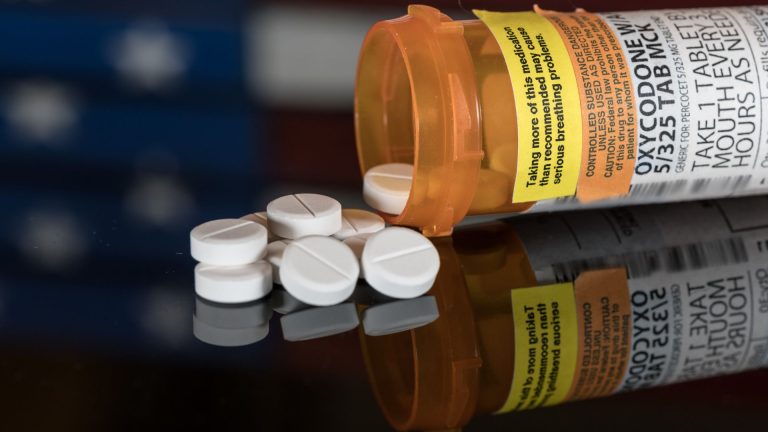
Percocet is a combination medication containing oxycodone, a full opioid agonist that acts mainly at mu-opioid receptors to change how the brain and spinal cord process pain, and acetaminophen, a non-opioid pain reliever that works through a different, largely central mechanism [1]. Each tablet pairs 325 milligrams of acetaminophen with 2.5 to 10 milligrams of oxycodone. Together, oxycodone and acetaminophen provide opioid and non-opioid pain relief through different mechanisms. Percocet is an immediate-release oxycodone and acetaminophen combination, so its effects begin and wear off more quickly than extended-release oxycodone such as OxyContin [2]. See also our guide on Percocet versus hydrocodone.
This article is part of our broader opioid addiction resource library.
How Long Do the Effects Last?
Percocet usually begins working within about 10 to 30 minutes, and pain relief typically lasts around 3 to 6 hours [3]. That is why Percocet is generally prescribed every 6 hours as needed, although patients should follow the exact instructions on their prescription [1]. Feeling the effects wear off is not the same as the drug being fully eliminated; it can remain detectable well after the pain relief fades.
Percocet’s Half-Life
A drug’s half-life is the time it takes for the body to clear half of a dose. Immediate-release oxycodone has an elimination half-life of about 3 to 5 hours, and the acetaminophen component about 1.25 to 3 hours in healthy adults [3]. After roughly five half-lives, about 97 percent of the parent drug has been eliminated, so for many healthy adults about 97 percent of the oxycodone from a single dose is gone within about 15 to 25 hours, although metabolites may remain detectable longer. Oxycodone is broken down in the liver mainly by CYP3A enzymes, with CYP2D6 producing the active metabolite oxymorphone, and it is then removed by the kidneys through urine [3].
How Long Is Percocet Detectable?
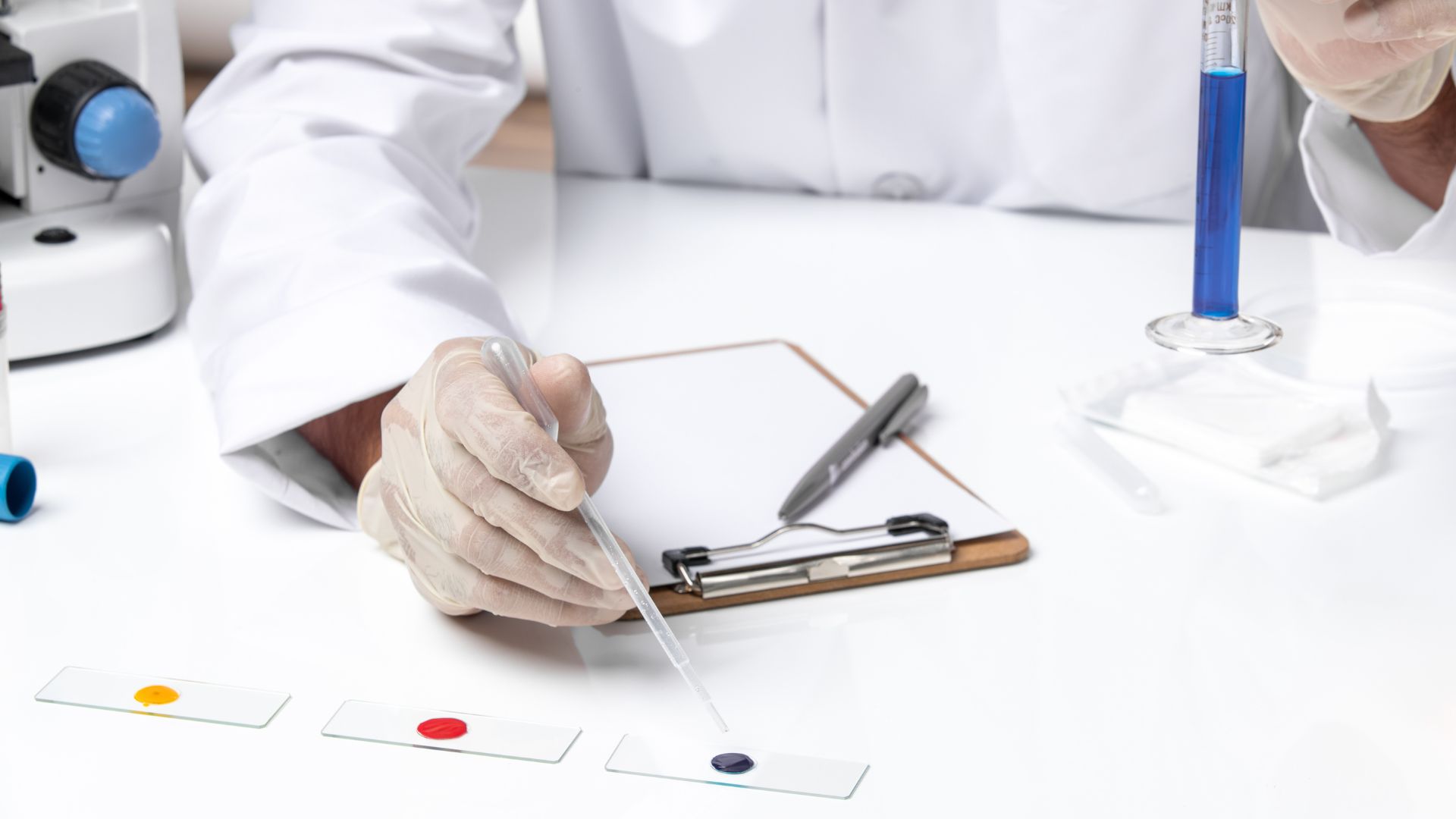
How long a test can detect Percocet depends on the specimen, the laboratory method and cutoff, the dose, and the pattern of use, so the ranges below are general estimates rather than guaranteed cutoffs [4].
| Test | Approximate Detection Window |
| Urine | About 1 to 2 days after a single dose, sometimes 3 days or longer with repeated or heavy use |
| Blood | Several hours to about 1 day, potentially longer with sensitive testing or repeated use |
| Saliva (oral fluid) | Often about 1 to 2 days, but highly test-dependent |
| Hair | Commonly up to about 90 days when roughly 1.5 inches of scalp hair is tested; not useful for very recent use |
Detection also depends on the dose, frequency of use, specimen, cutoff, metabolism, and organ function. One practical point: many basic opiate immunoassays primarily detect morphine and codeine and can miss oxycodone because of its different structure, so a test that specifically includes oxycodone, or confirmatory mass-spectrometry testing, is more reliable [4]. For a closer look at dose-related risks, see our guide to oxycodone overdose risk and warning signs.
What Affects How Long Percocet Stays in Your System?
Several factors shape how long Percocet lasts:
- Metabolism and genetics: CYP3A activity strongly affects oxycodone levels, while CYP2D6 differences influence how much oxymorphone is produced, so genetics, drug interactions, and individual liver-enzyme activity can change oxycodone’s effects and elimination
- Age and organ health: older adults and people with liver or kidney impairment tend to clear it more slowly
- Dose and frequency: higher doses and repeated use build up in the body and lengthen the detection window
- Other medications: CYP3A4 inhibitors can raise and prolong oxycodone levels while inducers can lower them, so do not start or stop interacting medications without consulting a prescriber or pharmacist
- Overall health and physiology: hydration, liver and kidney function, age, illness, and other individual factors can affect drug concentrations and test results
Once tolerance has dropped, a return to use is far more dangerous; our chapter on staying safe after opioid detox explains how to protect yourself.
Risks, Dependence, and Withdrawal
Percocet is a Schedule II controlled substance, the category for drugs with accepted medical use but a high potential for misuse and dependence [5]. Even taken as prescribed, regular use can lead to physical dependence, which is a physiological adaptation and does not by itself mean addiction. Misuse raises the risk of opioid use disorder and overdose, and the danger climbs sharply when Percocet is combined with alcohol, benzodiazepines, or other central nervous system depressants, which can cause profound sedation, respiratory depression, coma, and death [6]. Our guide on oxycodone and alcohol covers that combination.
Percocet also contains acetaminophen, which carries a separate danger. Taking more than prescribed, or combining it with other products that contain acetaminophen, can cause acute liver failure, transplant, or death. Check labels for “acetaminophen” or “APAP” and never exceed the daily limit your provider gives you [2].
Because oxycodone is short-acting, withdrawal in someone who is dependent often begins about 8 to 24 hours after the last dose [7]. Common withdrawal symptoms include:
- Restlessness, anxiety, and trouble sleeping
- Muscle aches and sweating
- Nausea, stomach cramps, and diarrhea
- Runny nose and watery eyes
Opioid withdrawal is usually not directly life-threatening in otherwise healthy adults, but dehydration, other medical conditions, severe distress, and overdose after returning to use can make it serious. Do not stop abruptly after regular use without medical guidance, and because tolerance drops during any break, returning to a former dose can cause a dangerous overdose, so keep naloxone available whenever overdose risk is present.
Talk With Radix Recovery Today
Get confidential guidance and learn whether residential treatment is the right next step for lasting recovery. The rest of the picture is covered in our full opioid addiction resource.
Inpatient Rehab in IowaGetting Help and Treatment
If Percocet use has become difficult to control, help is available. Care begins with a clinical assessment, and depending on the person’s needs, it may include medically supervised withdrawal management or direct initiation of ongoing medication treatment. For opioid use disorder, buprenorphine, methadone, and naltrexone are evidence-based; methadone and buprenorphine reduce withdrawal and cravings and have strong evidence for reducing overdose deaths, while naltrexone blocks opioid effects after an opioid-free period. Detox alone is not considered adequate treatment because of the high risk of returning to use [7]. Counseling, cognitive behavioral therapy, peer support, pain care, and treatment for co-occurring conditions can provide additional individualized support alongside medication. Our guides on medication-assisted treatment for opioid use disorder, the 8 opioid use disorder symptoms, and why opiate detox needs supervision explain the path forward.
Frequently Asked Questions
How long does Percocet stay in urine?
A single dose of Percocet is often detectable in urine for about one to two days, and repeated or heavy use may extend that to three days or longer. The exact time depends on the dose, frequency, metabolism, and the test’s cutoff, so it is an estimate.
Does Percocet show up on a standard drug test?
Not always automatically. Many basic opiate panels primarily detect morphine and codeine and can miss oxycodone unless the test specifically includes it. A panel designed to detect oxycodone, or confirmatory mass-spectrometry testing, is more reliable, so whether Percocet shows up depends on the specific panel used.
How long until Percocet is completely out of your system?
In many healthy adults, about 97 percent of the oxycodone from a single immediate-release dose is eliminated within about 15 to 25 hours. That does not guarantee a sensitive test will be negative, because metabolites can remain detectable longer, and heavy use extends the timeline.
Final Thoughts from Radix Recovery
How long Percocet lasts in your system depends on its half-life, your dose and frequency of use, your metabolism, and your overall health. Its pain-relieving effects generally last three to six hours; about 97 percent of the oxycodone from one dose may be eliminated within about a day, and drug tests may detect oxycodone or its metabolites for longer. At Radix Recovery in Cedar Rapids, Iowa, our compassionate team provides or coordinates evidence-based treatment for Percocet and other opioid use, including access to medication for opioid use disorder when clinically appropriate, to support lasting recovery.
Sources
- MedlinePlus (U.S. National Library of Medicine), “Oxycodone Combination Products.” https://medlineplus.gov/druginfo/meds/a625053.html
- U.S. Food and Drug Administration (FDA), “Percocet (Oxycodone and Acetaminophen Tablets) Prescribing Information.” https://www.accessdata.fda.gov/drugsatfda_docs/label/2018/040330s052lbl.pdf
- StatPearls (NCBI Bookshelf), “Oxycodone.” https://www.ncbi.nlm.nih.gov/books/NBK482226/
- StatPearls (NCBI Bookshelf), “Drug Testing.” https://www.ncbi.nlm.nih.gov/books/NBK459334/
- U.S. Drug Enforcement Administration (DEA), “Drug Scheduling.” https://www.dea.gov/drug-information/drug-scheduling
- National Institute on Drug Abuse (NIDA), “Prescription Opioids DrugFacts.” https://nida.nih.gov/publications/drugfacts/prescription-opioids
- Substance Abuse and Mental Health Services Administration (SAMHSA), “Medications for Opioid Use Disorder, TIP 63” (NCBI Bookshelf). https://www.ncbi.nlm.nih.gov/books/NBK535270/