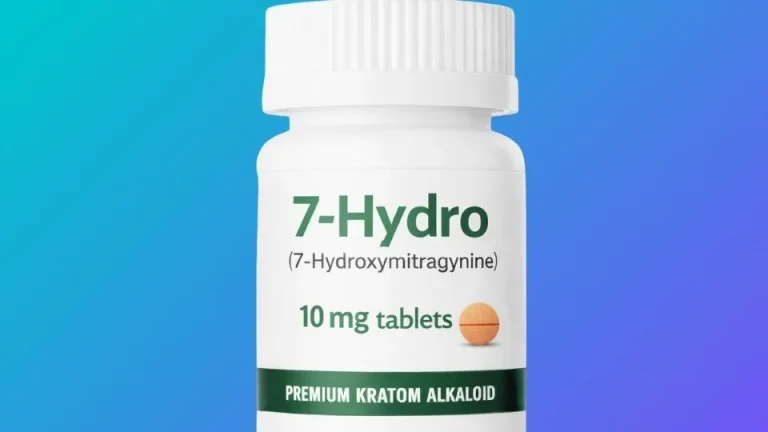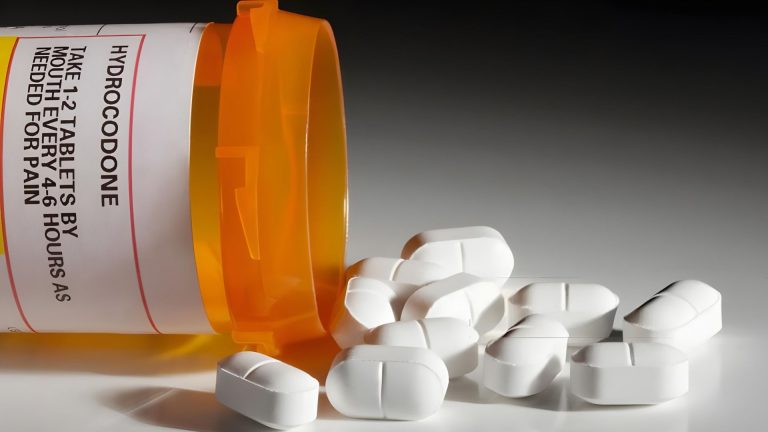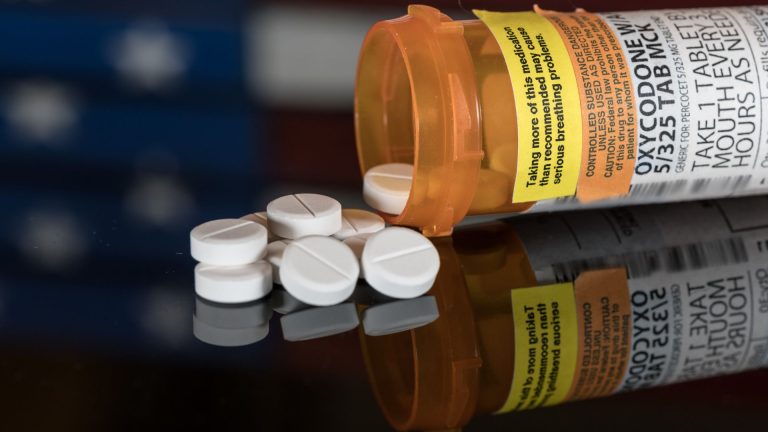

Opioids are powerful painkillers, and the biology that makes them effective is what makes stopping them so hard. When someone who has been taking opioids becomes physically dependent and then suddenly stops or cuts the dose, the body can react, and that reaction is opioid withdrawal. Not everyone who takes opioids develops significant withdrawal; the likelihood and severity depend on the opioid, the dose, how long it was used, and individual health. Understanding the science can ease the fear and help people plan a safer path with professional opioid addiction treatment. Our drug detox in Cedar Rapids gives people a monitored place to get through the hardest days.
This guide covers why withdrawal happens, what the symptoms look like, how long they last, and which treatment options help. It is education, not medical advice, so anyone facing this should work with health professionals rather than going it alone. Our opioid addiction resource hub collects related guides in one place.
What Happens During Opioid Withdrawal

Opioids attach to receptors in the brain and nervous system, easing pain and producing a calming effect. With repeated use of the drug, the body adjusts and comes to expect it. This is physical dependence, and it can develop even when opioids are taken exactly as prescribed. When the opioid level falls, those adaptations produce excessive nervous-system activity, the cluster of symptoms we recognize as withdrawal.
Why Withdrawal From Opiates Happens
Withdrawal from opiates is not a sign of weakness; it is a predictable biological process. Once a person is physically dependent, the brain has adapted around a steady opioid dose, so taking that dose away leaves the body needing time to readjust. This is why people who stop taking opioids after an extended period feel so unwell. For people using opioids for pain, a gradual, individualized taper is usually gentler than stopping abruptly, while people with opioid use disorder may instead start methadone or buprenorphine to stabilize rather than tapering to zero. Telling ordinary dependence apart from a deeper problem matters here, and recognizing the symptoms of opioid use disorder helps clarify which path fits.
Opioid Withdrawal Syndrome: The Body’s Response
Opioid withdrawal, sometimes called opioid withdrawal syndrome, occurs when someone reduces or stops opioid intake after enough regular use to produce physical dependence, and the withdrawal syndrome reflects the nervous system swinging into overdrive. It can also be precipitated suddenly when an antagonist such as naloxone or naltrexone blocks the opioid, or when buprenorphine starts before a full opioid agonist has cleared. The specific symptoms depend on the opioid, the dose, how long it was taken, and individual factors, so no two people experience it the same way.
Common Opioid Withdrawal Symptoms

Opioid withdrawal symptoms are wide-ranging and involve both physical and psychological symptoms. The severity of these withdrawal symptoms depends on the opioid, the dose, and the length of opioid use. Many people describe the early stage as feeling like a bad flu combined with a stomach upset, often with nausea. The physical symptoms are uncomfortable, and while opioid withdrawal is usually not directly life-threatening in otherwise healthy adults, some people experience withdrawal symptoms severe enough to need medical care, and complications such as dehydration can be dangerous. Risk is higher during pregnancy, with serious heart or other conditions, or when withdrawal from alcohol or benzodiazepines is also possible.
Early Symptoms of Opioid Withdrawal
Common early opioid withdrawal symptoms tend to appear first, and these withdrawal symptoms include:
- Anxiety, restlessness, and irritability
- Muscle aches, muscle pain, and joint pain
- Sweating and hot and cold flushes
- Runny nose, watery eyes, and yawning
- Disturbed sleep and strong cravings
A fast heartbeat and high blood pressure often become more noticeable as withdrawal intensifies.
Later Physical and Psychological Symptoms
As opioid withdrawal builds, later withdrawal symptoms often include:
- Nausea, vomiting, and stomach cramps
- Abdominal pain and diarrhea
- High blood pressure and a raised pulse
- Dilated pupils and goosebumps
- Anxiety and low mood, which can feel like depression
Because vomiting and diarrhea cause fluid loss, staying hydrated helps manage symptoms in milder cases, but persistent vomiting, severe diarrhea, faintness, or an inability to keep fluids down warrants prompt medical evaluation. Symptoms also vary by drug, and our guide to codeine withdrawal and how to cope safely shows how one common opioid’s timeline plays out in practice.
The Opioid Withdrawal Timeline
The withdrawal timeline depends heavily on the type of opioid. Short-acting opioids and fast-acting opioids leave the body quickly, so symptoms start sooner. Longer-acting opioids clear more slowly, so symptoms are delayed but can last longer. In general, short-acting opioid withdrawal symptoms become fully developed within one to three days and settle over about 7 to 10 days, while longer-acting opioids peak later and can last up to two weeks or more. These are general ranges, not guarantees: formulation, dose, duration of use, fentanyl exposure, metabolism, and other drugs can change the timeline. [1] Fentanyl in particular behaves differently from other opioids, so our look at how long it takes to detox from fentanyl is worth reading if it may be involved.
| Opioid type | Symptoms often begin | Fully developed or peak | Approximate duration |
|---|---|---|---|
| Short acting opioids (for example heroin, immediate-release oxycodone) | About 8 to 24 hours after the last dose | About 1 to 3 days | Usually 7 to 10 days |
| Longer acting opioids (for example methadone, extended-release forms) | About 1 to 3 days after the last dose | About 3 to 8 days | Often two weeks or longer |
For a broader look at how different substances compare, see our guide to which substances have the hardest withdrawal, and for a day-by-day view, our detox timeline guide.
How Opiate Withdrawal Differs From Alcohol Dependence Withdrawal
Acute opiate withdrawal is rarely directly life-threatening in otherwise healthy adults, unlike alcohol dependence and benzodiazepine withdrawal, where the withdrawal itself can cause seizures, delirium, and death. The right level of care depends on severity: some cases suit outpatient care, while high-risk withdrawal needs close monitoring. That does not make opioid withdrawal risk-free. Dehydration from vomiting and diarrhea, the strain of high blood pressure and a fast heartbeat, and the danger of relapse can all cause harm, and rare severe complications have been reported. [2] Tolerance also drops quickly during withdrawal, so returning to a former high dose raises the risk of overdose, which is why naloxone and overdose education matter, and continuing medication for opioid use disorder afterward is linked to lower overdose mortality. This is why the drop in tolerance is so dangerous, a risk our guide to oxycodone overdose warning signs breaks down in detail.
Our article on why opiate detox is safer with medical supervision explains this further.
Opioid Withdrawal Management and Treatment
Effective opioid withdrawal management usually combines medical support, medications, and supportive care, and structured opioid addiction treatment brings these together. Withdrawal management can be an important early step in recovery from opioid dependence, but it is not always required and is not adequate treatment for opioid use disorder by itself, since methadone or buprenorphine can be started without a separate detox. The right medications can dramatically reduce how severe opioid withdrawal symptoms feel. Clinicians often gauge severity with the Clinical Opiate Withdrawal Scale, an 11-item, clinician-administered tool that measures how mild or severe the withdrawal symptoms are to help guide treatment. [3] For higher-risk situations, knowing how to prepare for heroin detox in an inpatient setting explains what round-the-clock monitoring adds.
Opioid Medicines Used in Withdrawal
Several opioid medicines and related medications can ease the process. Their roles differ:
Methadone, a long-acting opioid, reduces withdrawal symptoms and cravings and can be continued as long-term treatment rather than only a short taper. Buprenorphine, a partial agonist, is effective for moderate to severe opioid withdrawal because it eases symptoms and cravings. Standard buprenorphine initiation begins once withdrawal has started, to avoid precipitated withdrawal, though specialized low-dose approaches are sometimes used under supervision. Methadone and buprenorphine are opioid medicines; naltrexone is different. Naltrexone is a non-opioid blocker that does not treat acute withdrawal, and it can only begin after an opioid-free interval, generally at least seven days after short-acting opioids and 10 to 14 days after longer-acting opioids. [4] These medications for opioid use disorder are often continued well beyond withdrawal. For a deeper look, see our overview of medication-assisted treatment and the best opioid detox treatment options.
Supportive and Symptomatic Care
Alongside the main medicines, symptomatic medications target specific symptoms: loperamide can help diarrhea, anti-nausea medicine can settle the stomach, and simple pain relievers can reduce pain from muscle aches. Loperamide should only be used at recommended doses, because taking far more than directed can cause serious heart problems. Clonidine, a blood pressure medicine, is often used to relieve anxiety, sweating, and muscle pain and to calm the overactive nervous system, though it can lower blood pressure and cause drowsiness. [5] Rest, fluids, nutrition, and supportive care round out symptomatic treatment. These non-opioid medications ease pain and other opioid withdrawal symptoms without acting on opioid receptors themselves. Because anxiety and low mood are common, therapy helps people manage the emotional distress of withdrawal. Our medical detox process guide walks through it step by step.
Tapering and Opioid Dependence
For many people taking opioids for pain management, a slow taper is the safest way to stop. Tapering means you gradually reduce the dose in planned steps so the body adjusts with fewer withdrawal symptoms, and the right plan depends on the opioid type and how long it has been used. Anyone thinking about lowering a chronic opioid dose should consult a doctor first. Unless there is an immediate life-threatening concern, long-term opioid therapy should not be stopped abruptly. Short courses may not need a taper at all, and anyone with signs of opioid use disorder should be evaluated for methadone or buprenorphine rather than a taper alone. [6]
Life After Acute Withdrawal
The acute phase is not always the end. Some people experience prolonged symptoms, including disturbed sleep, low mood, anxiety, and cravings, for weeks or months. This is sometimes called post-acute withdrawal, though the term is not consistently defined, and such symptoms can also reflect a co-occurring mental health condition, chronic pain, or another cause worth a professional review. These lingering psychological symptoms keep relapse risk elevated after the physical symptoms fade, and continuing medication for opioid use disorder can substantially lower relapse and overdose risk. Building skills for preventing a relapse after opioid withdrawal and following an aftercare plan help protect progress. For more on lingering symptoms, therapy for opioid use disorder can support long-term recovery.
Science of Withdrawal From Opiates: Frequently Asked Questions
How long do opioid withdrawal symptoms last?
For most short-acting opioids, people experience withdrawal symptoms that often begin within about 8 to 24 hours of the last dose, become fully developed over one to three days, and ease over roughly 7 to 10 days. Longer-acting opioids start later and can last two weeks or several weeks. Some psychological symptoms, such as poor sleep and cravings, may linger longer. The exact course varies from person to person.
Is opioid withdrawal dangerous?
Acute opioid withdrawal is usually not directly life-threatening for otherwise healthy adults, but it can still be risky. Severe symptoms are more likely with a high dose or long opioid use, and risk also depends on the opioid, pregnancy, age, dehydration, other illness, and any concurrent alcohol or sedative withdrawal. Because tolerance drops during withdrawal, relapse can lead to overdose, so naloxone and overdose education matter.
Can medications make withdrawal easier?
Yes. Opioid medicines such as methadone and buprenorphine reduce withdrawal symptoms and cravings and can continue as long-term treatment for opioid use disorder, while clonidine and other symptomatic medications target specific symptoms like anxiety, nausea, muscle pain, and diarrhea without treating the underlying disorder. A clinician adjusts the dose, and with supportive care, these medications make withdrawal symptoms far more manageable and safer.
Getting Help
Withdrawal from opiates is challenging but temporary, and a person does not always need to complete an unmedicated detox before recovery can begin. Depending on the situation, care may involve an individualized taper, medically supported withdrawal, or prompt initiation of methadone or buprenorphine, and no one has to face it alone. With the right medical support, medications, and a plan built around the individual, the process becomes safer and more comfortable. If you or someone you love is thinking about stopping opioids, reaching out for professional treatment for opioid addiction is a strong first step toward lasting recovery.
Sources
- World Health Organization, Clinical Guidelines for Withdrawal Management and Treatment of Drug Dependence (NCBI Bookshelf): https://www.ncbi.nlm.nih.gov/books/NBK310652/
- Kugasia IR, Shabarek N. Opiate Withdrawal Complicated by Tetany and Cardiac Arrest, a case report of a rare severe complication (Case Reports in Critical Care, NCBI/NIH): https://www.ncbi.nlm.nih.gov/pmc/articles/PMC4082874/
- Wesson DR, Ling W. The Clinical Opiate Withdrawal Scale (COWS), Journal of Psychoactive Drugs (PubMed): https://pubmed.ncbi.nlm.nih.gov/12924748/
- Dydyk AM, et al. Opioid Use Disorder: Evaluation and Management (StatPearls, NCBI Bookshelf): https://www.ncbi.nlm.nih.gov/books/NBK553166/
- Shah M, Huecker MR. Opioid Withdrawal (StatPearls, NCBI Bookshelf): https://www.ncbi.nlm.nih.gov/books/NBK526012/
- Centers for Disease Control and Prevention, Continuing Opioid Therapy (Overdose Prevention): https://www.cdc.gov/overdose-prevention/hcp/clinical-care/continuing-opioid-therapy.html