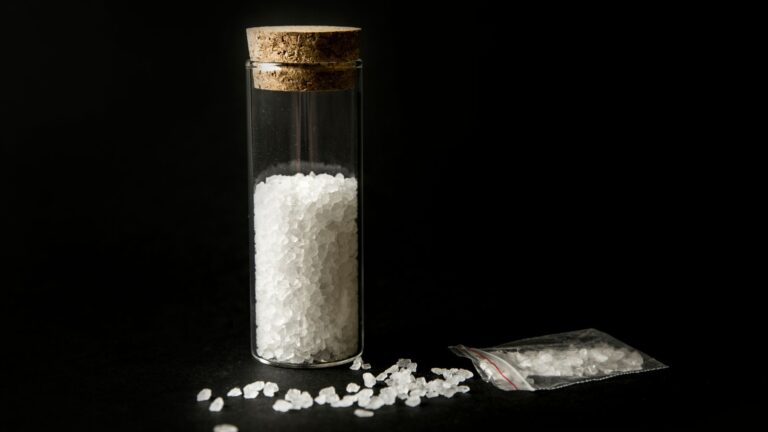
Crack and cocaine are two forms of the same stimulant drug that come from the same plant. While they share chemical similarities, their differences in form, method of use, and effects create distinct risks for users. Understanding the difference between the two is crucial for recognizing how these substances impact individuals, their addictive potential, and why seeking help is essential.
This article outlines the main distinctions, health consequences, and addiction risks associated with both forms.

Origins and Chemical Makeup
Both substances originate from leaves of the coca plant. The powdered form, also known as cocaine hydrochloride, is produced by refining the leaves into a fine white powder. Crack, on the other hand, is created by processing this further with baking soda or ammonia to form solid, rock-like crystals. This distinction in form is crucial, as it influences how the drug is consumed and how quickly it impacts the body.
Chemically, both deliver the same active compound to the brain, but their potency and method of ingestion create stark differences in their effects. These variations also help explain why some individuals progress from experimentation to dependency, making timely treatment for cocaine addiction an important step toward recovery.
Methods of Use
The powder form of cocaine is most commonly snorted, though it can also be dissolved and injected. Snorting results in a slower onset of effects, typically within a few minutes, as the substance is absorbed through the nasal tissues. Injection creates an almost immediate high but comes with heightened health risks such as infections and bloodborne diseases.
Crack is usually smoked. When heated, the crystals release vapors that are inhaled into the lungs, allowing the compound to enter the bloodstream almost instantly. This rapid delivery system makes it particularly addictive, as the intense high comes on within seconds.
Effects on the Brain and Body
Both drugs stimulate the central nervous system, increasing levels of dopamine in the brain’s reward pathway. This leads to feelings of euphoria, heightened energy, and alertness. However, the way the body absorbs the substance shapes the intensity and duration of these effects.
Snorted powder cocaine produces a high that lasts 15 to 30 minutes, while smoking crack delivers a more intense but much shorter high, typically lasting 5 to 10 minutes. This shorter duration often causes users to take repeated doses in a short period, increasing the risk of addiction and harmful health effects.
Physical effects include increased heart rate, elevated blood pressure, constricted blood vessels, and heightened body temperature. Psychological impacts may include anxiety, paranoia, irritability, and, in some cases, hallucinations.
Addictive Potential
Both variations of the drug lead to addiction, but crack cocaine carries an especially high risk due to how rapidly it enters the brain. The sudden spike in dopamine levels creates powerful reinforcement for repeated use. Because the effects wear off quickly, individuals often binge to maintain the high, which reinforces how highly addictive this pattern of use can become. It can quickly erode physical and mental health stability, making it one of the most dangerous patterns of substance use.
Powdered form also carries significant risks. Its slower onset and slightly longer-lasting effects may make the pathway to addiction seem less immediate compared to smoking crack, but regular cocaine use can still lead to tolerance, cravings, and dependency. Both variations can result in withdrawal symptoms and long-term health consequences.

Health Risks and Consequences
Each substance can cause cardiovascular complications, such as heart attacks, arrhythmias, and strokes. Neurological issues like seizures, headaches, and cognitive decline are also possible.
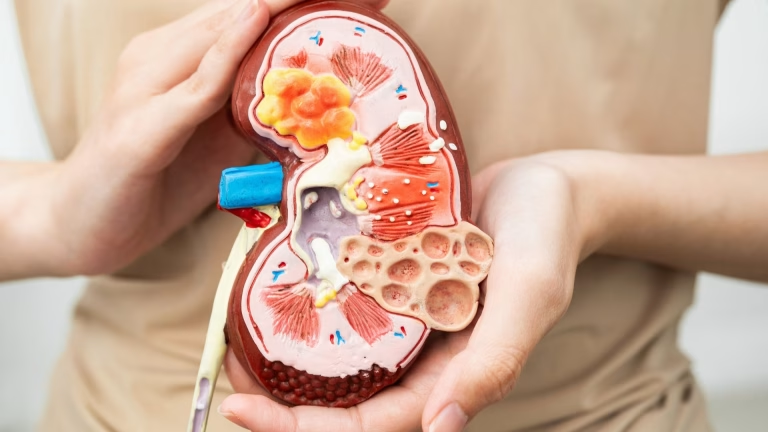
Long-term effects of cocaine can damage vital organs, including the heart, lungs, liver, and kidneys. Psychological consequences often include mood disorders, increased aggression, and impaired judgment. For those who smoke, the risk of respiratory problems such as chronic cough, lung damage, and chest pain is higher due to the method of intake.
Social and legal consequences also differ. Crack use has historically been associated with harsher legal penalties and greater stigma, even though both versions of the drug carry similar dangers.
Treatment and Professional Support
Treatment for crack or cocaine addiction often involves more than addressing physical cravings. Professional care provides structured support for both the body and mind, helping individuals manage dependency while developing healthier coping strategies. Detox programs, behavioral therapies, counseling, and support groups all contribute to reducing the risk of relapse.
For people with co-occurring disorders, integrated treatment ensures that substance use and mental health challenges are addressed together. Seeking help from qualified professionals through structured treatment programs is often the most effective step toward recovering from stimulant dependence.
Final Thoughts from Radix Recovery
The key difference between crack and cocaine lies in their composition, method of use, and how quickly they affect the brain. One delivers an intense but short-lived high, highlighting the dangers of crack addiction, while powder produces a longer yet less immediate effect. Both carry significant health risks and can quickly lead to dependence.
At Radix Recovery, we understand the complexities of stimulant addiction and the challenges it presents to individuals and families. Our outpatient cocaine rehab program in Cedar Rapids, Iowa, is designed to address both the physical and psychological aspects of recovery, offering evidence-based treatment that promotes long-term healing and stability.