
Oxycodone is a prescription opioid used for pain severe enough to require an opioid analgesic when alternative treatments are inadequate. The dose, formulation, and treatment duration should be individualized. Alcohol is widely used, and when the two overlap in the body, the results can be life-threatening, because both suppress the central nervous system and breathing. This guide explains what happens when they mix, who is most at risk, and how to get help. If opioid and alcohol use have become hard to control, our alcohol rehab Iowa can help. This article is part of our broader opioid addiction resource library.
What Happens When You Mix Oxycodone and Alcohol?
Combining oxycodone and alcohol adds their respiratory-depressant and sedating effects, and because both act on the central nervous system, the impact can be dangerously amplified even at low doses, so relatively small amounts taken together can be hazardous. FDA prescribing information warns that concomitant use of oxycodone with alcohol or other central nervous system depressants may cause profound sedation, respiratory depression, coma, and death, and it instructs patients not to drink alcohol while taking the medication [1]. Anyone weighing that step can start with our detox unit in Iowa and a full clinical assessment.
The most serious risk is respiratory depression, when breathing slows so much that the body does not get enough oxygen. NIAAA estimates that alcohol played a role in about 16 percent of opioid-overdose deaths in the United States in 2022 [2]. There is no reliably safe way to drink while taking oxycodone.
What Is Oxycodone?
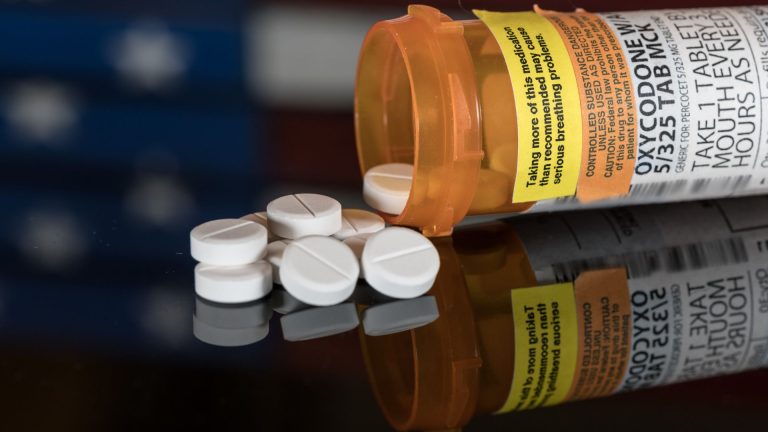
Oxycodone is a semisynthetic opioid and full opioid agonist that primarily activates mu-opioid receptors, changing how pain is perceived. It can also cause sedation and, particularly when misused, euphoria. Repeated use may cause physical dependence or tolerance in some people, but these differ from addiction, or opioid use disorder, which involves impaired control, craving, and continued use despite harm. It is a Schedule II controlled substance, the category for drugs with accepted medical use but a high potential for misuse, with risks of physical dependence, opioid use disorder, overdose, and death [3].
The specific product matters: OxyContin is extended-release oxycodone, while Percocet is immediate-release oxycodone plus acetaminophen, and they differ in dosing and behavior. See our guides on Percocet versus hydrocodone and how long Percocet lasts in your system.
Respiratory Depression and Overdose Risk
Respiratory depression is the single greatest danger of mixing oxycodone with alcohol. Severe sedation can make an overdose look like deep sleep, which may delay recognition while breathing becomes dangerously slow or stops [4]. Warning signs of an overdose include:
- Very slow, shallow, or stopped breathing
- Blue-tinged lips or fingertips
- Unresponsiveness or inability to wake up
- Limp body and pinpoint pupils, though the absence of pinpoint pupils does not rule out an overdose
If you see these signs, call 911 and give naloxone if available, repeating every two to three minutes if the person does not respond, and monitor them until help arrives. Naloxone reverses oxycodone’s opioid effects but not alcohol poisoning, so emergency care is still essential. For more detail, see our guide to oxycodone overdose risk and warning signs.
The Acetaminophen Factor
Some oxycodone products, including Percocet, also contain acetaminophen, which adds a separate danger. Excessive acetaminophen can cause acute liver failure, and most serious cases involve more than 4,000 mg a day or several acetaminophen-containing products at once [5]. Heavy drinking compounds this: the FDA warns that severe liver damage may occur in people who have three or more alcoholic drinks every day while using acetaminophen [6]. Acetaminophen toxicity can begin with mild or no symptoms, so after a suspected overdose, do not wait for nausea, jaundice, or dark urine; contact Poison Control or seek emergency care immediately.
| Combination | Principal Risks |
| Oxycodone alone | Sedation, respiratory depression, overdose, dependence |
| Oxycodone plus alcohol | Greater sedation, impaired judgment, respiratory depression, overdose |
| Oxycodone, alcohol, and another CNS depressant | Further respiratory suppression, coma, falls, and fatal overdose |
| Acetaminophen-containing oxycodone plus heavy alcohol use | Potentially increased liver-injury risk, especially with excessive acetaminophen |
Who Faces Higher Risk?
Some people face greater danger when the two are combined. Higher-risk situations include:
- Opioid-naive patients, or anyone recently started on oxycodone or moved to a higher dose
- Older, debilitated, or chronically ill patients, who may have greater sensitivity, reduced respiratory reserve, and more risk of falls or confusion
- COPD, sleep apnea, asthma, or other conditions that reduce respiratory reserve
- A previous overdose, or a history of heavy alcohol use
- Use of other depressants such as benzodiazepines, muscle relaxants, or sleep aids
- Medications that raise oxycodone levels, including some CYP3A4 inhibitors
- Recent abstinence or detox, which lowers opioid tolerance
Sedation and breathing problems are most concerning when oxycodone is first started, after a dose increase, or when another depressant is added, not simply from long-term use. Counterfeit pills sold as oxycodone may contain illicitly manufactured fentanyl, further increasing the danger of a fatal overdose.
Because benzodiazepines are the depressant most often added to this mix, our complete guide to benzodiazepines explains how they compound the risk.
Oxycodone Withdrawal
Withdrawal from immediate-release oxycodone may begin about 8 to 24 hours after the last dose, become most intense over the next several days, and last about 7 to 10 days. Extended-release oxycodone withdrawal may begin later and last longer [7]. Symptoms resemble a severe flu and include:
- Anxiety, restlessness, and trouble sleeping
- Muscle aches and pains
- Sweating and chills
- Nausea, vomiting, and diarrhea
- Runny nose and watery eyes
Opioid withdrawal is usually not life-threatening in otherwise healthy adults, but dehydration, pregnancy, serious medical illness, or simultaneous withdrawal from alcohol or benzodiazepines can create serious risks. Because tolerance drops after stopping, returning to a previously usual dose can cause a fatal overdose. Alcohol withdrawal in particular can bring seizures or delirium tremens, so anyone potentially dependent on both should get prompt clinical assessment rather than stopping alone, as our guide on why opiate detox needs supervision explains.
Treatment for Oxycodone and Alcohol Addiction
Addiction is treatable, and detox alone is not adequate treatment for opioid use disorder because of the high risk of returning to use and overdose. Evidence-based care includes buprenorphine, methadone, or extended-release naltrexone, with the strongest mortality evidence for methadone and buprenorphine, both of which can be started during withdrawal management. Naltrexone is different: it requires an opioid-free period and can precipitate severe withdrawal if started too soon, so SAMHSA advises waiting at least seven days after short-acting opioids and 10 to 14 days after long-acting ones [8]. Counseling should be offered per individual needs, but limited counseling access should not delay medication. You can find the full picture in the complete guide to opioid addiction.
Alcohol use disorder should also be assessed and treated; FDA-approved medications include naltrexone, acamprosate, and disulfiram, used with behavioral therapy, mutual-support resources, and care for co-occurring conditions [9]. Our guides on medication-assisted treatment for opioid use disorder, and the 8 opioid use disorder symptoms explain what recovery can look like.
Oxycodone and Alcohol Frequently Asked Questions
Can you have one drink while taking oxycodone?
FDA-approved oxycodone labeling advises patients not to drink alcohol while taking the medication. Even a single drink can unpredictably increase sedation, impair coordination, and worsen respiratory depression. Because reactions vary and the combination can be fatal, the safest choice is to avoid alcohol entirely during oxycodone treatment.
How long should you wait to drink after taking oxycodone?
There is no single safe waiting period that fits every oxycodone product or person. Do not drink during oxycodone treatment. After the medication is stopped, ask your prescriber or pharmacist when alcohol would be safe, based on the dose, formulation, dosing schedule, and your medical history.
What should you do if someone mixes oxycodone and alcohol and stops breathing?
Give naloxone and call 911 immediately. If the person is not breathing normally, begin rescue breathing or CPR if trained, and repeat naloxone every two to three minutes if they do not respond. Place them on their side once breathing. Naloxone does not reverse alcohol.
Final Thoughts from Radix Recovery
Mixing oxycodone and alcohol is never safe. Both suppress the central nervous system and breathing, and serious harm can occur even when the quantities do not seem large, since individual responses are unpredictable. If you are combining the two or struggling to stop either one, help is available. At Radix Recovery in Cedar Rapids, Iowa, our team provides or coordinates evidence-based treatment, including access to medications for opioid use disorder when clinically appropriate, to support a safe and lasting recovery.
Sources
- DailyMed (U.S. National Library of Medicine), “Oxycodone Hydrochloride Tablets: FDA Prescribing Information.” https://dailymed.nlm.nih.gov/dailymed/drugInfo.cfm?setid=a5162476-1217-41c0-bc7e-0a0f123f069f
- National Institute on Alcohol Abuse and Alcoholism (NIAAA), “Alcohol-Related Emergencies and Deaths in the United States.” https://www.niaaa.nih.gov/alcohols-effects-health/alcohol-topics-z/alcohol-facts-and-statistics/alcohol-related-emergencies-and-deaths-united-states
- U.S. Drug Enforcement Administration (DEA), “Drug Scheduling.” https://www.dea.gov/drug-information/drug-scheduling
- National Institute on Drug Abuse (NIDA), “Prescription Opioids DrugFacts.” https://nida.nih.gov/publications/drugfacts/prescription-opioids
- National Institutes of Health, LiverTox (NCBI Bookshelf), “Oxycodone.” https://www.ncbi.nlm.nih.gov/books/NBK547955/
- U.S. Food and Drug Administration (FDA), “Don’t Overuse Acetaminophen.” https://www.fda.gov/consumers/consumer-updates/dont-overuse-acetaminophen
- World Health Organization, “Clinical Guidelines for Withdrawal Management and Treatment of Drug Dependence in Closed Settings” (NCBI Bookshelf). https://www.ncbi.nlm.nih.gov/books/NBK310652/
- Substance Abuse and Mental Health Services Administration (SAMHSA), “Medications for Opioid Use Disorder, TIP 63” (NCBI Bookshelf). https://www.ncbi.nlm.nih.gov/books/NBK535270/
- National Institute on Alcohol Abuse and Alcoholism (NIAAA), “Understanding Alcohol Use Disorder.” https://www.niaaa.nih.gov/publications/brochures-and-fact-sheets/understanding-alcohol-use-disorder