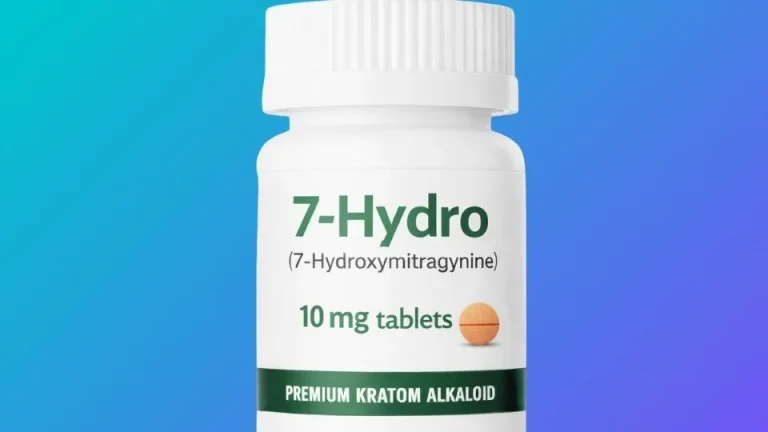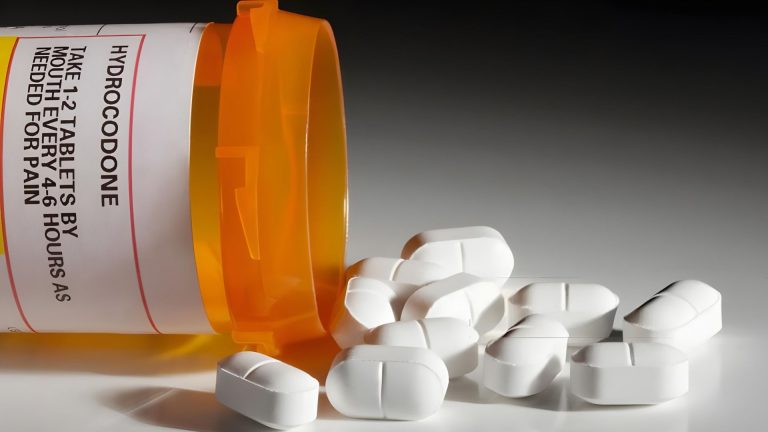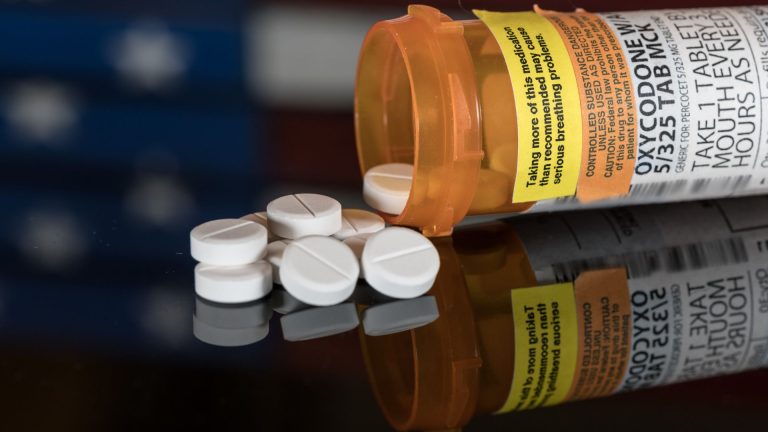

Morphine is a powerful opioid used in medicine to treat severe pain, including pain after surgery or serious injury, cancer pain, and other conditions when other options are not enough. It works well for pain relief, but the same qualities that make it effective also carry recognized risks of misuse, tolerance, and dependence. Recognizing the early signs of morphine addiction can help patients and families act before the situation becomes dangerous, and reaching out for structured opioid addiction treatment early can make recovery far more manageable. Radix Recovery provides a medical detox program for people across Iowa who need medical support to stop.
Morphine misuse does not follow a single path. Some people develop problems after a legitimate prescription, while others first use opioids nonmedically. Prescription opioids remain widely misused in the United States, and the Substance Abuse and Mental Health Services Administration estimates that roughly 8.6 million people misused a prescription pain reliever in 2023, a category that includes morphine along with many other opioid medications. [1] This guide explains how morphine addiction develops, what the signs of morphine addiction look like, and where to find help. For broader context on related opioids and recovery, our opioid addiction resource hub gathers detailed guides in one place.
What Is Morphine Addiction?

Morphine addiction is a form of opioid addiction, a chronic condition characterized by compulsive use despite negative consequences. Clinicians diagnose it as opioid use disorder, which the Diagnostic and Statistical Manual (DSM-5) identifies when at least two criteria appear within a 12-month period, such as loss of control, strong cravings, and continued use despite harm. Morphine addiction can involve physical and psychological dependence, but tolerance and physical dependence may also develop during appropriate medical treatment and do not by themselves establish addiction.
Morphine addiction is not a moral failing. Morphine changes brain chemistry in ways that make stopping genuinely difficult, which is why recognizing morphine addiction early gives a person the best chance at a smoother recovery. For a deeper look at how the condition develops, see our complete guide to morphine addiction.
How Morphine Works in the Brain and Body
Morphine is derived from the opium poppy and acts mainly on mu-opioid receptors. Morphine binds to these opioid receptors throughout the brain and spinal cord, where it changes how the body transmits and perceives pain signals rather than simply switching them off. This is how it delivers pain relief for severe pain, and it also slows several key body functions.
By activating these opioid receptors, morphine can indirectly increase dopamine activity in the brain’s reward system, producing euphoria and a sense of calm. That reinforcing feeling is part of why morphine carries real addiction risk. Because morphine also suppresses the brainstem control of breathing, high doses can cause respiratory depression, the mechanism behind most cases of opioid overdose. Our article on how morphine affects the brain and body breaks down both short-term and long-term changes.
Recognizing the Signs of Morphine Addiction
The signs of morphine addiction show up across physical, behavioral, and psychological areas, though it helps to know that some of these overlap with ordinary medication effects and intoxication. No single sign confirms a problem, and the behavioral and functional patterns map most directly to a clinical diagnosis. The table below groups common signs of morphine addiction and separates them from the emergency signs of an opioid overdose.
| Category | What It May Indicate |
|---|---|
| Medication effects or intoxication | Pinpoint pupils, drowsiness or nodding off, chronic constipation, flushed skin |
| Possible opioid use disorder | Taking more than intended, unsuccessful efforts to cut back, strong cravings, neglecting responsibilities, continued use despite harm |
| Physical dependence | Needing higher doses over time, withdrawal symptoms when use stops |
| Overdose emergency (call emergency services and give naloxone if available) | Very slow or stopped breathing, inability to wake up, limp body, choking or gurgling, blue or gray lips or skin |
Physical Signs and Symptoms
Physical symptoms are often the first thing families notice, but on their own they reflect morphine’s effects or excessive dosing rather than proving morphine abuse. Common physical signs include:
- Pinpoint pupils, one of the most recognizable physical signs of opioid use
- Excessive sleepiness or “nodding off” at unusual times
- Chronic constipation and digestive discomfort
- Slowed or shallow breathing
- Needing higher doses to feel the same effect, a sign the body has begun to develop tolerance
These physical signs matter most when they appear alongside impaired control, cravings, and continued use despite harm. As a person continues to develop tolerance and take larger amounts, the risk of opioid overdose climbs, especially when morphine is combined with alcohol, benzodiazepines, or other depressants, and long-term use can affect breathing and other body systems. The same principle applies to other opioids, as our guide to the dangers of mixing painkillers with drinking explains, since alcohol compounds respiratory depression in ways that sharply raise overdose risk.
Behavioral Signs of Morphine Abuse
Behavioral changes often reveal morphine abuse before physical symptoms become obvious. A person may take more than prescribed, run out of medication early, or spend a lot of energy obtaining morphine. Visiting multiple doctors to secure extra prescriptions, sometimes called doctor shopping, can be a warning sign, though on its own it may also reflect fragmented or specialist care rather than addiction. Repeatedly taking more than intended, unsuccessful attempts to cut back, and neglecting responsibilities at work, school, or home are more telling, and they overlap with the symptoms described in our guide to the symptoms of opioid use disorder.
Psychological Signs and Mental Health Changes
Morphine addiction can also take a toll on mental health. Psychological symptoms may include mood swings, irritability, anxiety, and a growing preoccupation with the drug. These feelings are worth taking seriously, but they are nonspecific: they can stem from withdrawal, chronic pain, sleep loss, or a co-occurring mental health condition rather than addiction alone. When morphine use and a mental health condition occur together, coordinated care that addresses both, including any underlying mental health issues, tends to work best.
From Morphine Use to Drug Abuse and Opioid Addiction
The path from regular use to drug abuse is not the same for everyone. Morphine produces feelings of euphoria that can increase the likelihood of continued use, and regular use over time often leads to physical dependence. Physical dependence does not automatically turn into addiction, though. For some people, opioid addiction develops gradually, for others more quickly, and it can follow either prescribed or nonmedical use.
Chronic pain patients show how risk can appear even with careful medical use. A widely cited 2015 systematic review estimated that among people taking opioids long term for chronic pain, roughly 21 to 29 percent misuse them and about 8 to 12 percent develop an opioid use disorder. [2] Those are averages, and the underlying studies varied widely in their definitions and methods, so the figures describe a population rather than the odds for any one patient.
Physical Dependence Versus Opioid Dependence
One of the most important distinctions in addiction medicine is that physical dependence is not the same as addiction. Physical dependence on opioids can occur without addiction. A person can become physically dependent on morphine, meaning their body will experience withdrawal symptoms if the drug stops, while still using it exactly as prescribed and without compulsive behavior.
The two are related but separate. A person can have opioid use disorder without prominent tolerance or withdrawal, and someone can have substantial physical dependence without any compulsive use. Watching both the physical dependence and the behavioral changes helps families avoid two mistakes: panicking over ordinary dependence, or dismissing real warning signs. Opioid use disorder is diagnosed when compulsion, cravings, and loss of control appear over time, not from medically expected tolerance or withdrawal alone.
Morphine Withdrawal Symptoms
Because morphine causes physical dependence, stopping suddenly can trigger intense withdrawal symptoms. For short-acting morphine, clinical withdrawal management guidance notes that symptoms often begin within about 8 to 24 hours of the last dose and peak over the next two to three days before easing across roughly 7 to 10 days. [3] The timing shifts with the formulation, the dose, how long morphine was used, and individual factors, so extended-release morphine can follow a slower course.
Common opioid withdrawal symptoms include:
- Anxiety, irritability, and restlessness
- Muscle aches and joint pain
- Sweating, chills, and goosebumps
- Nausea, vomiting, and diarrhea
- Intense cravings for the drug
The most severe symptoms are rarely life-threatening for otherwise healthy adults, but they are hard to endure and a frequent reason people relapse. Clinical assessment and medication can help manage withdrawal symptoms and make the process safer and more comfortable, and while many people benefit from a supervised setting, some can be managed as outpatients after evaluation, as our article on why opiate detox needs medical supervision explains. Our overview of which substances have the hardest withdrawal offers useful comparison.
One caution: tolerance drops quickly during withdrawal, so returning to a previous dose afterward raises the risk of opioid overdose, which is one reason withdrawal alone is not a complete treatment. Understanding opioid overdose risk, dosage factors, and warning signs helps explain why this post-withdrawal window is so dangerous and what to watch for.
Morphine and the Opioid Crisis in the United States
Morphine addiction is one piece of a larger opioid crisis that reshaped public health across the country, and broad opioid prescribing played a major role. As historical context, health care providers in the United States wrote about 259 million prescriptions for opioid pain medication in 2012 [4], and the total amount of opioids prescribed peaked at 782 morphine milligram equivalents per capita in 2010 before a long decline. [5] Those figures cover opioid prescribing overall, not morphine alone.
The crisis later shifted toward far more potent drugs. Illicitly made fentanyl, a synthetic opioid that the Centers for Disease Control and Prevention reports is 50 to 100 times more potent than morphine, now drives most opioid overdose deaths. [6] For perspective on how detox differs with stronger opioids, see our guide on detox timelines for potent opioids like fentanyl.
What the Centers for Disease Control Report
Data from the Centers for Disease Control show how central opioids have been to overdose deaths, even as the picture is improving. Opioids were involved in about three-quarters of United States overdose deaths in 2023, and in 2024 that share fell to roughly two-thirds as opioid-involved deaths dropped from 79,358 to 54,045. [7] Disease control efforts, including revised prescribing guidance and wider access to naloxone, are part of that decline.
The Role of the Drug Enforcement Administration
Morphine is a Schedule II controlled substance, meaning the Drug Enforcement Administration recognizes its accepted medical use while classifying it as having a high potential for misuse and dependence. That classification subjects morphine to strict prescribing, dispensing, recordkeeping, and monitoring rules meant to preserve access for people who need to treat severe pain while reducing misuse and diversion.
Risk Factors and Co-Occurring Disorders
Some people face a higher chance of developing morphine addiction than others. These risk factors are associated with higher risk rather than direct causes, and none predicts who will develop a problem.
- A personal or family history of substance abuse
- Long-term use of prescription opioids for chronic pain
- Starting opioid use at a young age
- Untreated mental health conditions
- A history of trauma
Co-occurring disorders are especially common. Conditions such as depression, anxiety, and post-traumatic stress disorder frequently appear alongside substance use disorders, and each can worsen the other. Because of that, individualized screening matters more than any single risk factor, and when mental disorders and morphine addiction occur together, integrated care that treats both the addiction and the underlying mental health issues tends to produce better outcomes.
Treatment: Addiction Medicine and Recovery Options
Morphine addiction is treatable, and the field of addiction medicine offers several evidence-based paths to recovery. Effective care is usually layered, combining medical support with therapy and long-term planning. Professional opioid addiction treatment brings these pieces together in one coordinated plan.
Medically Supervised Detox
For many people, care begins with stabilization and withdrawal management. A medically supervised detox helps a person get through acute withdrawal more safely, with clinicians available to manage withdrawal symptoms and reduce the risk of complications. Our walkthrough of the medical detox process covers it step by step. Detox is not always a required first step, though. Methadone or buprenorphine can be started as part of stabilization without completing a separate abstinence-based program first, while naltrexone requires an opioid-free period beforehand. Detox alone is also not a cure, so our overview of opioid detox treatment options explains what should come next.
Medication Assisted Treatment
Medications for opioid use disorder, often delivered through medication-assisted treatment (MAT), pair FDA-approved medications with counseling and support. There are three FDA-approved medications used for opioid use disorder, and they work in different ways: methadone is a full opioid agonist that eases withdrawal and craving, buprenorphine is a partial agonist that does the same with a ceiling on respiratory effects, and naltrexone is an antagonist that blocks opioid effects after an opioid-free start. [8] By steadying brain chemistry and reducing cravings, these medications lower illicit opioid use, and methadone and buprenorphine in particular are strongly linked to lower overdose death rates and better treatment retention. Our guide to medication-assisted treatment explains how each option works.
Behavioral Therapies and Counseling
Counseling and behavioral therapies strengthen recovery for many people. Approaches such as cognitive behavioral therapy help people identify triggers, manage stress, and build coping skills, and they pair well with medication to address both the behavioral and emotional sides of morphine addiction. Support should match individual needs, though, and access to methadone or buprenorphine should not be delayed just because counseling is hard to find, since untreated opioid use disorder carries a serious overdose risk. Our overview of therapy for opioid use disorder shows how counseling fits into a full plan, and steps like preventing relapse after withdrawal and building an aftercare plan help protect long-term progress.
Signs of Morphine Addiction Frequently Asked Questions
What are the earliest signs of morphine addiction?
The clearest early signs of morphine addiction are behavioral: repeatedly taking more than intended, being unable to cut back, strong cravings, spending a lot of time getting or using morphine, and continued use despite clear harm. Needing a higher dose can also happen, but on its own it often reflects tolerance or worsening pain rather than addiction, so it is best assessed by a professional.
Is physical dependence the same as morphine addiction?
No. Physical dependence means the body has adapted to morphine and will experience withdrawal symptoms if it stops, which can happen even with proper medical use. Addiction adds compulsive use and loss of control despite harm. A person can be physically dependent without being addicted.
Can morphine addiction be treated successfully?
Yes. Morphine addiction is treatable, and care should be individualized rather than a fixed sequence. Many people do best with medication for opioid use disorder, behavioral support, and ongoing aftercare, with medically supervised withdrawal used when it is clinically appropriate rather than always first. Because opioid use disorder is chronic, treatment may continue long-term.
Getting Help for Morphine Addiction
Spotting the signs of morphine addiction is the beginning, not the end, of the story. Opioid use disorder remains a major public health problem that can lead to disability, overdose, or death when it goes untreated, even though overdose deaths in the United States fell sharply in 2024. The encouraging part is that recovery is realistic with the right care. If you recognize these warning signs in yourself or someone you love, reaching out for compassionate treatment for opioid addiction can open the door to a healthier life.
Sources
- Substance Abuse and Mental Health Services Administration, 2023 National Survey on Drug Use and Health: https://www.samhsa.gov/data/sites/default/files/reports/rpt47095/National%20Report/National%20Report/2023-nsduh-annual-national.htm
- Vowles KE, et al. Rates of opioid misuse, abuse, and addiction in chronic pain: a systematic review and data synthesis (PAIN, 2015): https://pubmed.ncbi.nlm.nih.gov/25785523/
- World Health Organization, Clinical Guidelines for Withdrawal Management and Treatment of Drug Dependence (NCBI Bookshelf): https://www.ncbi.nlm.nih.gov/books/NBK310652/
- Centers for Disease Control and Prevention, CDC Guideline for Prescribing Opioids for Chronic Pain, 2016 (MMWR): https://www.cdc.gov/mmwr/volumes/65/rr/rr6501e1.htm
- Centers for Disease Control and Prevention, Vital Signs: Changes in Opioid Prescribing in the United States, 2006 to 2015: https://pubmed.ncbi.nlm.nih.gov/28683056/
- Centers for Disease Control and Prevention, Fentanyl (Overdose Prevention): https://www.cdc.gov/overdose-prevention/about/fentanyl.html
- National Center for Health Statistics, Centers for Disease Control and Prevention, Drug Overdose Deaths (FastStats, 2024 data): https://www.cdc.gov/nchs/fastats/drug-overdoses.htm
- National Institute on Drug Abuse, Medications to Treat Opioid Use Disorder: https://nida.nih.gov/publications/research-reports/medications-to-treat-opioid-addiction