Oxycodone is a prescription opioid pain reliever commonly used to treat moderate to severe pain. While effective when taken as directed, oxycodone also carries a high risk of dependence and overdose. For those who need clinical supervision, medically managed withdrawal is available in Cedar Rapids.
This article explains how this opioid works, its dosage-related risks, and how to spot the early warning signs of overdose to help prevent potentially fatal outcomes.
If you or a loved one need help detoxing from opioids, reach out to Radix Recovery’s admission team today.
How Oxycodone Works and Typical Dosage
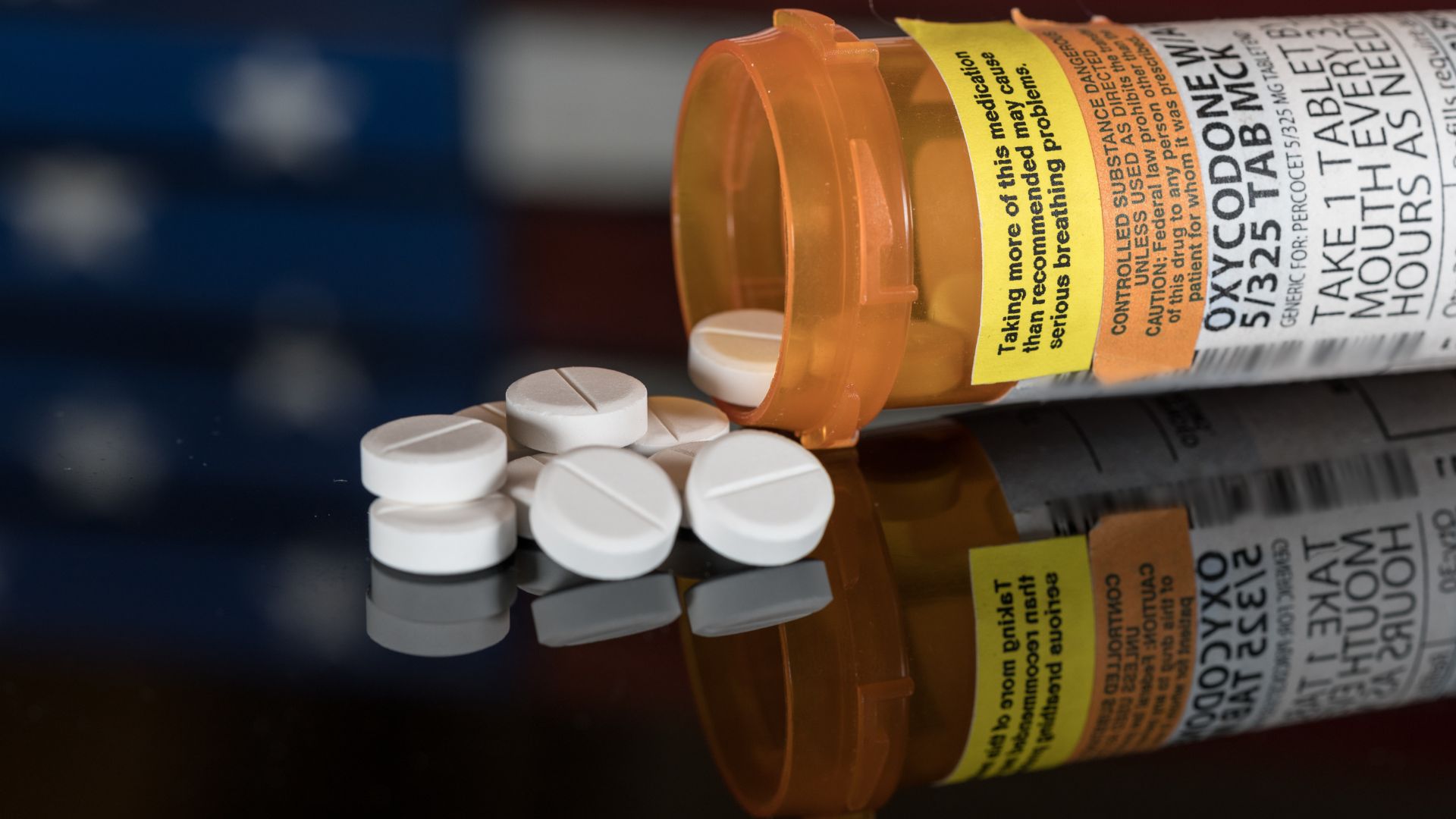
Oxycodone, a synthetic opioid analgesic, acts on the central nervous system (CNS) by binding to mu-opioid receptors in the brain and spinal cord, effectively reducing pain perception while inducing feelings of relaxation or euphoria. It is commonly prescribed for moderate to severe pain and is available in both immediate-release and extended-release formulations, marketed under brand names such as OxyContin and Roxicodone.
Typical starting doses for pain management range from 5 to 15 mg every 4 to 6 hours for immediate-release tablets, while extended-release versions are generally taken every 12 hours. However, misuse, such as taking higher doses, altering the form of the medication, or combining it with other depressants, can lead to dependence, addiction, or even a fatal outcome.
Individuals struggling with misuse or dependence will benefit greatly from Radix Recovery’s OxyContin addiction treatment, which provides medical supervision, withdrawal management, and behavioral therapies to address both the physical and psychological aspects of addiction.
If your prescription is Percocet, our chapter on how long Percocet lasts explains how the immediate-release form is absorbed and cleared.
Dosage and Overdose Risk
Overdose risk is closely tied to the amount of oxycodone taken and how long it is used. The CDC categorizes opioid prescriptions exceeding 50 morphine milligram equivalents (MME) per day as presenting increased risk, and doses over 90 MME/day are linked to a substantially higher likelihood of overdose.
The danger also intensifies when this medication is combined with other CNS depressants such as benzodiazepines, alcohol, or sedatives, which can cause respiratory suppression. The alcohol combination is especially common and especially deadly, as our guide to the dangers of mixing painkillers with drinking explains in detail. Even medically supervised users may face risks if they experience tolerance and take more than prescribed. Individuals who crush or inject pills to enhance the drug’s effects are at particularly high risk for respiratory failure and death.
Key Factors That Increase Overdose Risk
Older adults are particularly vulnerable because their bodies metabolize opioids more slowly, allowing the drug to build up to dangerous levels. Statistically, males have higher rates of opioid overdose, which may be linked to greater prescription frequency and risk-taking behavior related to pain management.
Co-occurring mental health conditions, such as depression, anxiety, or post-traumatic stress disorder, can further heighten the likelihood of misuse, especially when opioids are used as a form of emotional relief. When combined with other central nervous system depressants like benzodiazepines, alcohol, or sleep aids, the danger increases significantly, as all of these substances suppress breathing.
Patterns such as obtaining prescriptions from multiple doctors, using several pharmacies, or engaging in non-medical administration methods like snorting or injecting are strong indicators of escalating misuse. These behaviors are often associated with painkiller addiction, which greatly magnifies the risk of overdose and other serious health complications. Recognizing the broader symptoms of opioid use disorder can help you catch this escalation before it reaches a life-threatening point.
Warning Signs and Symptoms
Recognizing when someone has taken too much of the substance is critical for saving a life. Common warning signs include:
- Severely slowed or stopped breathing
- Extreme drowsiness or unresponsiveness
- Pinpoint pupils
- Cold, clammy, or bluish skin
- Weak pulse or low blood pressure
Behaviorally, a person may appear confused, unable to speak, or difficult to wake. If any of these signs appear, emergency action should be taken without delay.

What to Do If You Suspect an Overdose
The first step is to call 911 immediately. If naloxone (Narcan) is available, administer it as directed. Naloxone rapidly reverses opioid effects by displacing opioids from their receptors, restoring normal breathing within minutes.
While waiting for medical help, place the individual in the recovery position, on their side, to prevent choking and monitor breathing. Continue to provide rescue breaths or CPR if necessary until emergency responders arrive. Even if the person appears to recover after naloxone, professional medical evaluation is essential, as this analgesic drug’s effects can outlast naloxone’s duration.
Preventing Oxycodone Overdose
Prevention begins with safe and informed use. Always take the medication exactly as prescribed and avoid increasing the dosage without consulting your healthcare provider. Mixing opioids with alcohol or other sedatives should be strictly avoided due to the high risk of respiratory suppression.
Regular medical checkups allow providers to assess dosage, tolerance, and potential interactions with other medications. Proper storage and disposal of unused opioids can also prevent accidental ingestion or misuse by others in the household. For anyone already struggling with misuse, exploring therapy for opioid use disorder is often the most effective way to prevent a future overdose rather than just react to one.
Education plays a major role in prevention. Patients and families should learn to recognize when an excessive or even fatal amount of the drug has been taken, and understand how to access naloxone. Many U.S. states have standing orders that allow pharmacies to dispense naloxone without a prescription.
Final Thoughts from Radix Recovery
Oxycodone can be an effective medication for managing moderate to severe pain, but its potential for misuse makes it a drug that requires careful medical supervision. Even individuals taking prescribed doses may face life-threatening risks, especially when combining oxycodone with alcohol, benzodiazepines, or other sedatives. Understanding the warning signs of overdose and responding quickly can mean the difference between life and death. For the wider context, see our guide to opioid addiction.
At Radix Recovery, we provide comprehensive oxycodone and painkiller addiction treatment programs in Cedar Rapids, Iowa, designed to address both the physical dependence and the psychological factors driving opioid misuse. Our approach combines evidence-based therapies, medical supervision, and personalized recovery planning to support lasting healing. Through compassionate care and structured intervention, we help individuals rebuild stability, restore health, and regain control of their lives, one step at a time.