The phrase “alcoholic personality” gets thrown around in conversations about drinking, but what does it really mean? Many people use it to describe a cluster of traits and behaviors frequently observed in those living with alcohol use disorder. While clinical research has largely abandoned the idea of a single “addictive personality” because addiction affects people from all backgrounds and personality types, certain behavioral and emotional patterns appear repeatedly in those struggling with alcohol dependence. Recognizing these patterns can guide early intervention and lead someone toward an alcohol detox program before more severe consequences develop.
Understanding the alcoholic personality is not about learning how to label people. It is about identifying warning signs in yourself or someone you care about so meaningful help can begin. This guide walks through the key traits, behavior patterns, and brain changes connected with problematic alcohol use.
What Is an Alcoholic Personality?

The term “alcoholic personality” is often used to describe a cluster of traits and behaviors frequently observed in people with Alcohol Use Disorder (AUD). It is not a formal diagnosis listed in the Diagnostic and Statistical Manual, but rather a shorthand for recognizing recurring patterns in those who develop a drinking problem.
Researchers studying addictive behaviors have moved away from the notion of one fixed personality type that leads to alcoholism. Instead, they look at how certain personality traits, environmental factors, and brain chemistry interact. Studies using the “Big Five” personality model link alcohol misuse to patterns such as lower conscientiousness and agreeableness, higher impulsivity or sensation seeking, and some neuroticism-related traits, suggesting that emotional reactivity and difficulty with self-control play significant roles in problematic alcohol use.
That said, common traits do emerge. People recognize them in friends, family members, and sometimes themselves. These certain personality traits do not predict alcoholism on their own, but they often accompany it once drinking habits become harmful.
Understanding Alcohol Use Disorder
Alcohol use disorder is a recognized mental health disorder characterized by an inability to stop or control alcohol consumption despite negative consequences. It exists on a spectrum, ranging from mild to severe, and may include physical dependence, psychological dependence, or both.
Alcohol works as a central nervous system depressant, slowing brain function and altering mood. Over time, the central nervous system adapts to repeated alcohol use, leading to tolerance and withdrawal symptoms when drinking stops. This is when alcohol dependence becomes evident, and the cycle of alcohol abuse becomes harder to break without professional help. To learn more about this stage, see our piece on the risks of quitting alcohol cold turkey.
SAMHSA data consistently show that millions of U.S. adults experience both a substance use disorder and a mental health disorder in the same year. This overlap shapes much of what we observe as the alcoholic personality, and it explains why so many people with AUD also live with anxiety, depression, or trauma. Sustained drinking can produce serious neurological damage, including wet brain (Wernicke-Korsakoff syndrome), one of the most severe long-term consequences of chronic alcohol use.
Key Traits of an Alcoholic Personality
Common patterns associated with problematic alcohol use can include high impulsivity, low frustration tolerance, and emotional instability. These key traits often surface long before alcohol dependency becomes obvious to outsiders, and they are part of what gives this personality pattern its recognizable shape. Memory loss and confusion in long-term drinkers may signal more than just intoxication; the early symptoms of wet brain describe what families should look for.
These traits often coexist with what looks like outward success; the hidden signs of a high-functioning alcoholic explain how serious drinking can blend into a normal-looking life
High Impulsivity and Risk-Taking
Impulsivity and risk-taking are consistently linked to alcohol use disorder. High impulsivity is characterized by making reckless decisions without considering long-term consequences. Alcoholics often exhibit impulsivity, acting without fully considering what their actions will cost, which can lead to heavy drinking despite knowing the potential problems.
This sensation-seeking behavior can put individuals at higher risk for dangerous situations, including drunk driving, unsafe sex, and physical confrontations. Reckless behavior associated with alcoholism can lead to job loss, financial difficulties, and legal troubles. Heavy drinking on top of impulsivity also raises the chances of mixing with other substances. For more on how impulsive choices feed alcohol addiction, see our piece on the stages of addiction denial.
Low Self-Esteem and Feelings of Worthlessness
Low self-esteem can be common among people with AUD, leading them to use alcohol as a means to escape feelings of inadequacy and unworthiness. Low self-esteem and feelings of worthlessness are often present in individuals with AUD, and many drink as a way to escape feelings of inadequacy and shame, creating a cycle that deepens their emotional wounds.
This poor self-worth can become a vicious cycle. The temporary relief alcohol provides reinforces the behavior, but the long-term effect is poor decision-making, poor judgment around important choices, and worsening mental health. Building healthier self-esteem matters in recovery, which is why we wrote about why self-esteem matters in recovery.
Emotional Instability and Mood Swings
Many people with AUD experience emotional instability or mood swings, sometimes because of intoxication, withdrawal, or co-occurring mental health conditions. These swings may stem from pre-existing mental health conditions like anxiety and depression, and they can be exacerbated by drinking.
Emotional volatility, including intense mood swings and irritability, is common among individuals with AUD. This volatility can manifest as unpredictable mood swings and irritability when sober. The result is often relationship problems, financial difficulties, and a low sense of stability across daily life. Bipolar disorder can also overlap with heavy drinking, layering more emotional turbulence on top of alcohol abuse.
Low Frustration Tolerance
Low frustration tolerance can be present in some individuals with AUD. It leads to significant distress when things do not work out quickly or during boredom.
This trait pairs with impulsivity to create a powerful drive toward alcohol. When frustration arises, drinking becomes the fastest, easiest answer, even when healthier options exist. Over time, this pattern reinforces alcohol dependency and weakens self-control.
How Alcohol Affects Brain Chemistry and Function

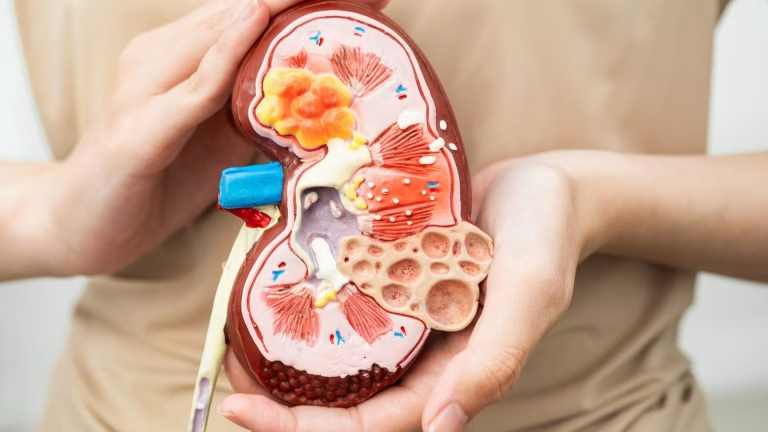
Alcohol affects more than mood. It physically reshapes the brain over time. Chronic alcohol use can cause structural and functional changes in brain tissue, some of which may improve with abstinence, while others can be lasting, leading to impairments in areas responsible for balance, memory, speech, and judgment.
Alcohol fundamentally alters brain chemistry, particularly in areas responsible for decision-making and impulse control, which explains why alcoholic behavior often seems uncharacteristic of the person’s previous personality. This shift helps explain how a kind, careful person can begin acting in ways their family does not recognize.
Research shows that alcohol can impair prefrontal cortex function, making it harder for individuals to manage emotional responses appropriately. Meanwhile, the brain’s reward system becomes wired to crave alcohol over other rewarding activities, which is part of why developing alcoholism feels so hard to interrupt without help. For more on what these changes mean during early recovery, read about alcohol-induced brain fog.
Lasting Changes in Brain Function
Lasting damage to brain function can appear in memory, judgment, and emotional regulation. Individuals with AUD may experience memory blackouts, leading to confusion when confronted about their behaviors while intoxicated. Repeated blackouts erode trust in relationships and can mask the true scale of harmful drinking patterns.
These shifts also influence how a person responds to stress, criticism, and reward. The prefrontal cortex, which usually applies the brakes on impulsive choices, can function less effectively. Drinking starts to feel necessary, even when consequences are stacking up.
Common Traits and Behavior Patterns in Alcohol Use
Behavioral patterns associated with alcoholism include emotional ups and downs, impulsivity, and using alcohol to cope with inadequacies. These patterns repeat across people with very different backgrounds and personality types. The table below shows how some of the most common traits show up day to day.
| Common Trait | How It Shows Up | Why It Matters |
|---|---|---|
| Impulsivity | Reckless decisions, drinking despite known risks | Drives heavy drinking and risky outcomes |
| Low frustration tolerance | Anger, restlessness, fast escape from discomfort | Pushes the person toward alcohol for fast relief |
| Emotional swings | Mood swings, irritability when sober | Strains relationships, blocks self-awareness |
| Denial | Minimizing or dismissing the drinking problem | Delays treatment as addiction progresses |
| Withdrawal from social life | Pulling away from hobbies and people | Deepens isolation and worsens mental health |
Alcohol as a Coping Mechanism
Alcohol becomes a coping mechanism for many people struggling with AUD. Mental health issues frequently co-occur with alcoholism, with many individuals using alcohol to self-medicate symptoms of anxiety, depression, or trauma. Alcohol dependency creates a cycle where individuals use drinking to manage negative emotions, but the substance ultimately worsens emotional balance over time, reinforcing addictive behaviors.
The temporary relief alcohol offers comes at a steep cost. Sleep suffers. Anxiety rebounds harder. To learn more about how trauma feeds this loop, see our article on trauma and addiction.
Denial and Rationalization
Denial is a fundamental defense mechanism that allows alcoholics to continue drinking despite the negative consequences, often minimizing or denying the severity of their drinking and its impact on their lives. Rationalization works alongside denial, where individuals create elaborate excuses for their drinking, often blaming external factors such as stress or relationship issues instead of taking responsibility.
The combination of denial and rationalization creates significant barriers to treatment engagement, as confronting these defense mechanisms can trigger defensiveness and hostility in those with AUD. Blaming external circumstances becomes routine, even when the link between drinking and problems is obvious to everyone else.
Secrecy and Manipulation
Secrecy, defensiveness, and sometimes manipulative behavior can emerge in individuals with AUD as a way to hide the extent of their drinking. Hidden bottles, false explanations, and shifting timelines are all part of the pattern. Continued lying and broken promises regarding drinking can create severe trust issues in relationships.
Defensiveness can manifest as anger or sensitivity when confronted about drinking. This is rarely about anger toward the person asking. It is the addiction protecting itself, and it is one of the more obvious traits for families to watch.
Social Withdrawal
Social withdrawal is a common behavior in individuals with AUD, leading to isolation from hobbies and relationships. Those with AUD may prioritize alcohol over hobbies and responsibilities, leading to a loss of control. Alcoholics often prioritize drinking over important life responsibilities, which results in significant neglect in these areas.
Alcoholic Traits in High-Functioning Alcoholics
High-functioning alcoholics often hide their drinking behind career success, family responsibilities, and a polished public image. These individuals may not show the most obvious signs of alcoholism in the way stereotypes suggest, but the same alcoholic traits and brain changes sit underneath. Impulsivity, emotional ups and downs, and reliance on alcohol as a way to cope still drive the behavior.
Family history, environmental factors, and starting drinking at an early age all increase the risk factors for developing alcoholism within this group. Because outward life looks stable, family members may dismiss concerns until the consequences appear, such as a DUI, health problems, or a relationship crisis. Our article on the difference between an alcoholic and a binge drinker goes deeper into these patterns and helps separate everyday drinking from a real problem.
Co-Occurring Mental Health Conditions
High rates of depression and anxiety often coexist with alcohol use disorder. It is common for AUD to co-occur with specific mental disorders, including depression, anxiety, bipolar disorder, and some personality disorders such as Antisocial Personality Disorder or Borderline Personality Disorder. Bipolar disorder also overlaps frequently with heavy drinking, layering more emotional swings on top of alcohol use.
The presence of co-occurring disorders complicates treatment, as both the addiction and the mental health issues must be addressed simultaneously for effective recovery. Treating only one side often leads to relapse and a return to old drinking habits. For more, see our overview of co-occurring disorders and the most common co-occurring disorders with addiction.
Addressing both sides protects long-term recovery. Therapy, medication when appropriate, and ongoing support all play significant roles in helping someone hold onto progress. Personality and mood often shift back toward baseline as the brain heals; our brain recovery from alcohol timeline walks through the changes during sobriety.
The Impact on Loved Ones and Relationships
Alcohol use is frequently a contributing factor in domestic violence and verbal aggression. Excessive drinking can lead to a lack of emotional or physical intimacy in relationships as the user becomes detached. Loved ones often experience the brunt of personality changes, broken promises, and unpredictable behavior at home.
Family members may grow exhausted from broken trust and the slow erosion of shared activities. Children, partners, and parents all carry the weight, and they often notice personality changes long before the drinker admits a problem. Read more about how alcohol use impacts loved ones and how to begin healing those wounds.
Warning Signs and Recognizing the Problem
Common warning signs of problematic drinking include changes in behavior, declining responsibilities, and increasing tolerance. Recognizing the warning signs early can prevent more severe outcomes down the road. The list below captures the most common signals to watch for:
- Drinking more or longer than intended
- Failed attempts to cut back on alcohol consumption
- Tolerance increases over time
- Withdrawal symptoms when not drinking
- Continued drinking despite relationship problems or health problems
- Preoccupation with the next drink
- Compulsive behaviors around alcohol, including hiding bottles or lying
- Irritability or pulling away from people between drinks
If several of these patterns appear, the next step is honest conversation and a professional evaluation. Our guide on how to help an alcoholic friend walks through that conversation, and our overview of the early, middle, and late stages of alcoholism helps families place what they are seeing on a timeline.
Behaviors That Often Accompany an Alcoholic Personality
The way control manifests in someone with AUD looks different from person to person, yet certain behaviors keep showing up. Watching for these behaviors helps separate ordinary stress from harmful drinking patterns:
- Blaming external circumstances for drinking decisions
- Minimizing how often or how much they drink
- Defensive reactions when alcohol comes up in conversation
- Reckless behavior linked to drinking, including driving while impaired
- Mixing alcohol with other substances, such as benzodiazepines or opioids
- Skipping family events or work responsibilities to drink
- Repeated promises to quit, followed by quick returns to old habits
When these behaviors stack up, the road to alcoholics anonymous meetings, counseling, or inpatient rehab often becomes the most effective option for breaking the cycle of alcohol addiction.
Recovery and the Path Forward
Recovery starts with recognition. Once a person sees how alcohol affects their thinking, emotions, and sense of self-worth, real change becomes possible. Treatment may combine medical detox when withdrawal risk is present, therapy, and ongoing aftercare. Each part addresses a different layer of the alcoholic personality, and together they help unwind the alcoholic personality patterns that drove the drinking.
Medical detox manages withdrawal symptoms safely, especially when the drinking has been heavy or long-term. Therapy targets the emotional patterns, triggers, and coping habits that fueled drinking, including low self-esteem, irritability, and the use of alcohol as a way to cope. Aftercare keeps the work going after formal treatment ends.
Family support also matters. Programs that include education for those close to the drinker produce better long-term results. So does building healthier coping skills, which we cover in our piece on coping skills for long-term sobriety and how to curb alcohol cravings. For people early in the process, our breakdown of the first 7 days in inpatient alcohol rehab offers a clear picture of what to expect.
When someone with these patterns finally stops drinking, withdrawal can become dangerous; the delirium tremens timeline and risks show why medical detox is so often necessary.
Alcoholic Personality: Frequently Asked Questions
Is there really one alcoholic personality type?
No. Clinical research has largely moved away from the idea of a single addictive personality. Addiction affects people from all backgrounds and walks of life. What researchers consistently find is a recurring cluster of certain traits, including high impulsivity, emotional swings, and low frustration tolerance, that appear more often in those with AUD. These shared traits help families and clinicians recognize alcohol abuse earlier.
Can a high-functioning alcoholic still need help?
Yes. A high-functioning alcoholic may keep their job, family, and outward life intact while still meeting the criteria for alcohol use disorder. The same key traits and brain changes occur, even when the outside picture looks fine. Waiting until things fall apart usually means more damage to health, relationships, and finances. Early intervention saves people from those harder outcomes.
How does alcohol change brain function and chemistry over time?
Heavy drinking alters chemistry in regions tied to decision-making, mood, and impulse control. Research shows that alcohol can impair prefrontal cortex function, which makes managing emotions harder. Long-term alcohol use also causes structural and functional changes in brain tissue, affecting memory, judgment, and balance. With proper treatment, the brain can recover meaningful ground over time.