Gabapentin has gained attention as an option for managing symptoms during alcohol withdrawal and supporting recovery from alcohol use disorder. Originally developed for seizures and neuropathic pain, gabapentin is now used off-label by some clinicians to help some people stop drinking alcohol with less anxiety, fewer sleep problems, and reduced alcohol cravings. If you or a loved one is weighing medical support to stop drinking, working with a detailed alcohol detox program can help determine whether gabapentin or other medications fit your situation.
This guide explains how gabapentin works for alcohol withdrawal, typical dosing ranges, the strength of the research behind it, and the risks worth knowing before taking gabapentin during early abstinence.
What Is Gabapentin and How Does It Work?
Gabapentin is a prescription medicine that affects the central nervous system primarily by binding to alpha-2-delta calcium-channel subunits, which can reduce excitatory neurotransmitter release. While it does not directly bind to GABA receptors, its calming effects on the brain are why clinicians have studied gabapentin for alcohol withdrawal as an alternative or supplement to standard treatment.
Gabapentin products are FDA-approved to treat partial seizures and postherpetic neuralgia, and the gabapentin enacarbil formulation is approved for restless leg syndrome. Gabapentin is not FDA-approved to treat alcohol use disorder or withdrawal, but research shows potential benefits when prescribed off-label thoughtfully under medical supervision.
Understanding Alcohol Withdrawal
When someone with many heavy drinking days suddenly stops drinking alcohol, the brain reacts to the absence of the depressant to which it had adapted. The result is a flood of excitatory chemicals that can produce a wide range of withdrawal symptoms. These can range from mild alcohol withdrawal, with anxiety and tremor, to severe withdrawal involving seizures and delirium.
Understanding what to expect is the first step toward safer recovery. Long-term heavy drinking can also produce neurological complications like wet brain (Wernicke-Korsakoff syndrome), which is why nutritional support and thiamine are part of medically supervised detox.
Also, our day-by-day alcohol withdrawal timeline walks through how withdrawal symptoms typically progress. If you’ve never thought of yourself as having a drinking problem, the hidden signs of a high-functioning alcoholic may help you decide whether medical support is worth considering.
Common Alcohol Withdrawal Symptoms
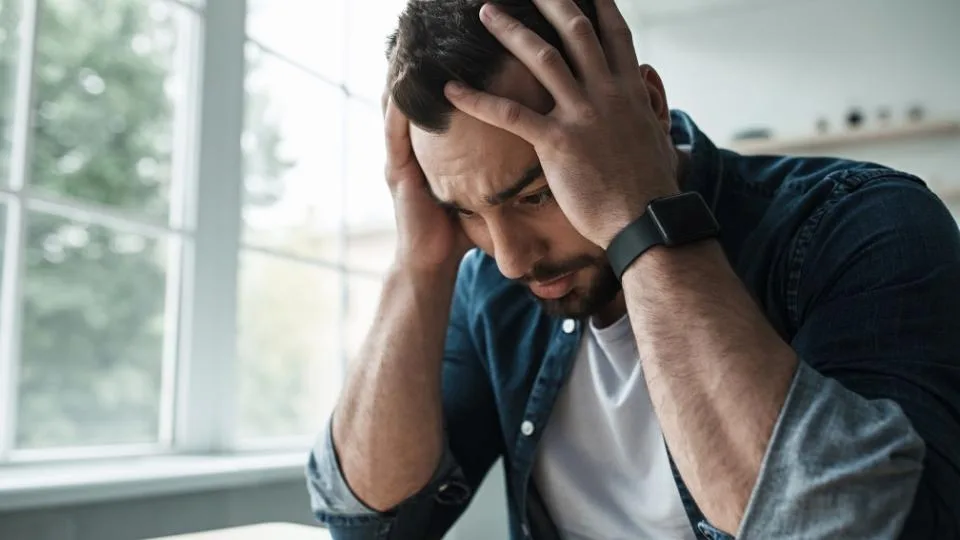
Alcohol withdrawal symptoms vary based on how heavy and how long someone has been drinking. Common alcohol withdrawal symptoms include:
- Anxiety, restlessness, and irritability
- Tremors or shakes, especially in the hands
- Nausea, vomiting, and reduced appetite
- Sweating, racing heart, and elevated blood pressure
- Insomnia and other sleep problems
- Headache and difficulty concentrating
If you notice these patterns, our overview of the common signs of detoxing from alcohol explains what to watch for and when to seek help. Persistent confusion or memory loss after detox may also point to early wet brain symptoms, separate from typical withdrawal.
When Acute Alcohol Withdrawal Becomes Dangerous
Acute alcohol withdrawal can become medically serious, particularly for people with long histories of heavy drinking. Severe withdrawal may include seizures, hallucinations, or delirium tremens, all of which require emergency care. Quitting alcohol cold turkey without supervision raises that risk, as discussed in our guide on the risks of quitting alcohol cold turkey.
Repeated detox episodes can also worsen each subsequent withdrawal because of a phenomenon called the kindling effect. Our explainer on alcohol and the kindling effect covers why every alcohol detox should be approached carefully and supervised.
Hallucinations during withdrawal may signal alcohol-induced psychosis, a serious complication that requires its own treatment approach beyond standard withdrawal management. For the most severe cases, the delirium tremens timeline and risks explain why benzodiazepines, not gabapentin, remain the gold standard for preventing life-threatening withdrawal.
How Gabapentin Works for Alcohol Withdrawal
Gabapentin works by reducing some of the excessive neuronal firing that occurs when the brain is no longer receiving alcohol. By easing this overactivity, gabapentin may help reduce anxiety, lessen mild tremors, improve sleep, and lower the intensity of alcohol cravings during early abstinence. This is why some clinicians prescribe gabapentin to help patients through the first days of stopping drinking alcohol.
Gabapentin can be an option for mild alcohol withdrawal in carefully selected patients, but it is not appropriate as monotherapy for severe withdrawal because of the risk of seizures and complications that benzodiazepines manage more reliably.
Gabapentin Dosage for Alcohol Withdrawal
Dosing should always be set by a clinician based on individual factors such as drinking history, kidney function, other medications, and overall health. Gabapentin is often prescribed in divided daily doses, commonly within the 900 mg to 1,800 mg per day range, depending on symptoms and clinical setting.
In outpatient clinical trials involving mild to moderate withdrawal, gabapentin was found to be at least as effective as lorazepam for treating alcohol withdrawal, with the 1,200 mg total daily dose associated with better outcomes for anxiety, sedation, and cravings. Even so, dose, schedule, and tapering plan should always come from a healthcare provider, not a fixed protocol you find online.
| Use Case | Typical Daily Dose Range | Notes |
|---|---|---|
| Mild alcohol withdrawal | 900 to 1,200 mg per day, divided | Often used as part of outpatient detox |
| Cravings and relapse prevention | 900 to 1,800 mg per day, divided | Studied for ongoing alcohol use disorder treatment |
| Sleep support in early abstinence | Varies; often part of divided daily dosing | Benzodiazepines remain the first-line treatments |
| Severe withdrawal | Not recommended as monotherapy | Benzodiazepines remain the first line treatments |
For a broader look at detox medications and timelines, our guide on how to detox from alcohol explains how clinicians match the treatment of alcohol withdrawal to symptom severity.
Gabapentin Versus Standard Treatment for Alcohol Withdrawal
Benzodiazepines remain the standard treatment for moderate to severe alcohol withdrawal because they reliably prevent seizures and delirium. Gabapentin is generally considered a second-line option, used when benzodiazepines are not tolerated, when patients prefer to avoid them, or as part of an outpatient plan for milder cases.
Benzodiazepines as First-Line Treatments
Medications like lorazepam, diazepam, and chlordiazepoxide are well established for acute alcohol withdrawal and remain the standard treatment in most hospital and detox settings. They prevent seizures, reduce anxiety, and stabilize the central nervous system quickly. The trade-off is that benzodiazepines carry their own dependence and sedation risks, which is one reason researchers have looked at alcohol use disorder gabapentin protocols as a potential complement.
Where Gabapentin Works Best
Gabapentin tends to work best for people with mild alcohol withdrawal who do not have a history of severe withdrawal seizures and who are good candidates for outpatient care. In a randomized clinical trial, the gabapentin group showed strong results for anxiety, sleep, and cravings, especially at the higher 1,200 mg dose. As a Cleveland Clinic Journal review summarized, gabapentin can offer a useful tool when standard treatment is not the right fit.
Alcohol Use Disorder Gabapentin Research and What It Shows
Beyond the first few days of detox, alcohol use disorder gabapentin protocols have been studied for longer-term recovery support. Some patients continue taking gabapentin for several weeks or months after acute withdrawal ends to help reduce alcohol cravings, ease lingering anxiety, and support sleep.
Reducing Alcohol Cravings
Research suggests that gabapentin can reduce cravings and lower the percentage of heavy drinking days in some people recovering from alcohol use disorder, especially those with more prominent alcohol withdrawal symptoms. For someone working hard to avoid relapse, fewer intense cravings can make daily life more manageable. Our article on how to curb alcohol cravings outlines additional behavioral strategies that pair well with medication.
Relapse Prevention With Gabapentin
In a study comparing gabapentin to a placebo, participants taking gabapentin experienced a higher rate of abstinence and a reduction in heavy drinking days. When gabapentin was combined with naltrexone, some short-term outcomes for relapse prevention were better than with naltrexone alone, with participants reporting fewer days of heavy drinking and better sleep early in treatment. These findings make gabapentin a promising option as part of a layered relapse prevention plan, especially when other treatments alone are not enough.
If relapse is a concern, our guide on what happens when an alcoholic relapses and tips on how to stop relapsing can help build a stronger plan.
Sleep Benefits in Early Abstinence
Sleep problems are one of the most common complaints during early abstinence. Insomnia, fragmented sleep, and vivid dreams can persist long after acute withdrawal ends, and poor sleep is itself a known relapse risk.
Gabapentin has been associated with improved sleep outcomes in individuals with alcohol use disorder, with a statistically significant difference in Insomnia Severity Index scores compared to placebo. In one analysis, participants taking gabapentin showed greater improvement in insomnia severity scores than those on placebo. The benefit appeared strongest among people with moderate to severe insomnia, suggesting gabapentin may particularly help that subgroup achieve better sleep.
Better sleep matters for the brain’s healing process. Our piece on why alcohol makes you tired and the article on post acute withdrawal syndrome explain how lingering sleep issues can drag on after the first week.
Key Takeaways From Recent Clinical Trials
Several clinical trials and systematic reviews, including pieces published in JAMA Intern Med and the Cleveland Clinic Journal of Medicine, have examined gabapentin for alcohol use disorder. The overall picture from these clinical trials is cautiously positive:
- Gabapentin can reduce heavy drinking days during early recovery
- Gabapentin can improve sleep and anxiety symptoms in early abstinence
- Gabapentin appears safe and well-tolerated for many patients
- Benefits may be larger in people with more prominent alcohol withdrawal symptoms
- Gabapentin combined with naltrexone may outperform naltrexone alone for relapse prevention in the short term
More research is still needed to confirm long-term outcomes and to identify exactly who responds best. For now, most experts view gabapentin as a useful option when first-line treatments are insufficient, not as a universal replacement.
Risks and Side Effects of Gabapentin Use
While gabapentin is often well tolerated, it is not free of risks. Common side effects of gabapentin include dizziness, drowsiness, headaches, and nausea. Most resolve as the body adjusts, but they can affect driving and daily functioning, particularly during the first week of taking gabapentin.
Mixing Gabapentin With Alcohol and Other Medications
Mixing gabapentin with alcohol can significantly increase dizziness and drowsiness, raising the risk of falls and accidents. Combining gabapentin with opioids is also high risk because gabapentin can potentiate the sedative effects of opioids, increasing the risk of falls, accidents, breathing problems, and opioid related deaths, particularly with moderate to high doses. People prescribed gabapentin should be honest with their clinician about every substance and other medications they use.
Gabapentin Misuse Concerns
Gabapentin misuse has become a real concern, particularly among individuals with a history of substance use disorders. Some postmortem and overdose surveillance studies have found gabapentin present in a meaningful share of fatal overdoses, usually alongside opioids or other substances. In some high-risk populations, including prescription opioid misusers and methadone-clinic samples, studies have found elevated rates of gabapentin misuse, often to enhance the effects of opioids or sedatives.
This does not mean gabapentin is unsafe for everyone. It means gabapentin should be prescribed thoughtfully, monitored closely, and avoided as a stand-alone solution for people at high risk of misuse. Our guide on polysubstance abuse and a different approach goes deeper into the risks of combining medications.
Who Should Not Use Gabapentin to Treat Alcohol Withdrawal?
Gabapentin is not the right fit for everyone. People with a history of severe withdrawal seizures, delirium tremens, or unstable medical conditions usually need inpatient care with benzodiazepines as the standard treatment. People with active opioid use disorder or current misuse of sedatives need extra caution because of the overdose risks described above.
Anyone considering gabapentin for alcohol withdrawal should talk with a clinician who can review medical history, current medications, and recovery goals. Programs like our inpatient rehab in Iowa offer that level of evaluation and ongoing supervision, which matters because a clinician can adjust the dose, watch for side effects, and help prevent seizures during higher risk windows.
How Gabapentin Fits Into Alcohol Addiction Recovery
Medication is one piece of alcohol addiction recovery, not the whole solution. Gabapentin can ease symptoms and support relapse prevention, but lasting change usually involves therapy, peer support, lifestyle changes, and a structured plan for high-stress moments. Our overview of the first seven days in inpatient alcohol rehab shows how medication, counseling, and group support work together.
Some people benefit from longer-term medication options like naltrexone or acamprosate alongside gabapentin. Others may use gabapentin alone for a defined period under a clinician’s supervision. The right combination depends on the person, the severity of their alcohol use disorder, and their other health concerns.
Building a Disorder Treatment Plan That Fits You
A strong disorder treatment plan combines medical, psychological, and social support. Gabapentin may be part of that plan, but the foundation is honest assessment and ongoing care. Our coverage of why detox is important for alcohol addiction treatment explains why this initial step matters so much for safety and outcomes.
People also benefit from understanding the bigger picture of how alcohol use disorder evolves over time. Our breakdown of the early, middle, and late stages of alcoholism helps people place their own situation in context and choose the right level of care.
If you are weighing options for ongoing treatment of alcohol use disorder, our structured alcohol detox program in Cedar Rapids can help you plan the safest path forward and decide whether gabapentin belongs in your plan. Beyond easing immediate symptoms, the goal is sustained healing; our brain recovery from alcohol timeline shows how the brain repairs itself once drinking stops.
Frequently Asked Questions About Alcohol Use Disorder Gabapentin Therapy
Is gabapentin FDA-approved to treat alcohol withdrawal?
No. Gabapentin is not FDA-approved to treat alcohol use disorder or alcohol withdrawal. Gabapentin products are FDA-approved for partial seizures and postherpetic neuralgia, and the gabapentin enacarbil formulation is approved for restless leg syndrome. Its use in alcohol withdrawal and alcohol addiction is off-label, supported by clinical trials but not by formal FDA labeling. That is why supervision by a healthcare provider is so important when gabapentin use is being considered.
How long does someone typically take gabapentin for alcohol use disorder?
There is no single answer. Some patients take gabapentin only during the first one to two weeks of acute alcohol withdrawal. Others continue for several months as part of relapse prevention. Length of treatment depends on symptom severity, sleep problems, response to other medications, and the clinician’s judgment. Researchers and clinicians generally emphasize that individualized planning produces the best outcomes.
Can I drink alcohol while taking gabapentin?
No. Drinking alcohol while taking gabapentin can significantly increase dizziness, drowsiness, and the risk of accidents. The whole point of gabapentin in this setting is to support someone trying to stop drinking, so adding alcohol back undercuts the treatment and raises medical risk. If you are struggling, talk with your prescriber rather than self-adjusting the dose.
A Final Note on Working With Professionals
Gabapentin can be a helpful tool for some people facing alcohol withdrawal and alcohol use disorder, especially when standard treatment options have not been a good fit. It is not a cure, and it is not a do-it-yourself solution. The strongest results come from supervised medical care that combines the right medications with therapy, support, and a realistic plan for life after detox.
If you or someone you love is thinking about treatment for alcohol misuse, reach out to a qualified provider who can evaluate your situation, discuss whether gabapentin or other treatments are a good match, and walk you through the next steps. With the right plan, the path away from heavy drinking days becomes a lot more manageable.