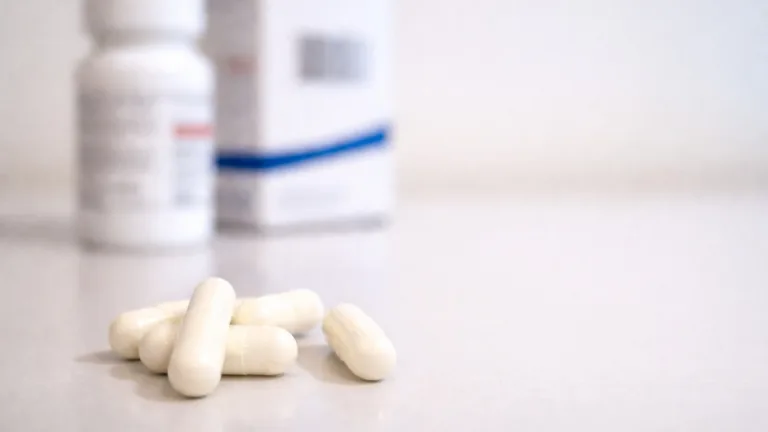
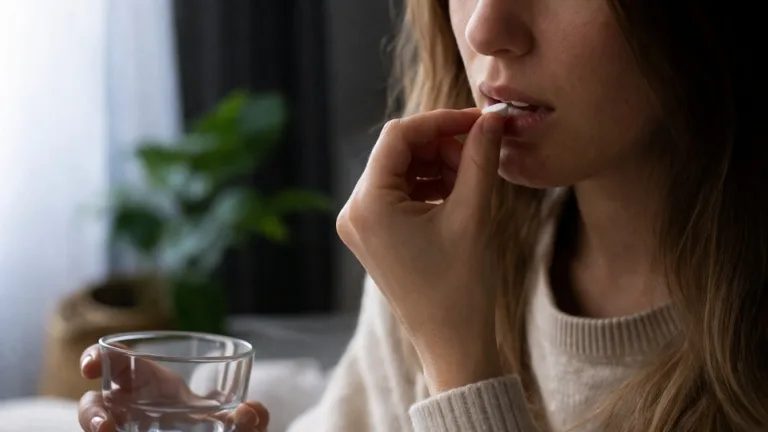
Propranolol is one of the most commonly prescribed beta blockers in the United States, used to treat high blood pressure, manage anxiety, and prevent migraines. If you take this medication, you may wonder whether it is safe to drink alcohol while taking it. Mixing propranolol and alcohol is generally not recommended and can come with real health risks.
Understanding how these substances interact is important for anyone navigating alcohol use or taking prescription medications for heart or anxiety-related conditions. Below, we cover what happens when you combine them, who faces the greatest risks, and what you can do to stay safe.
How Does Propranolol Work?

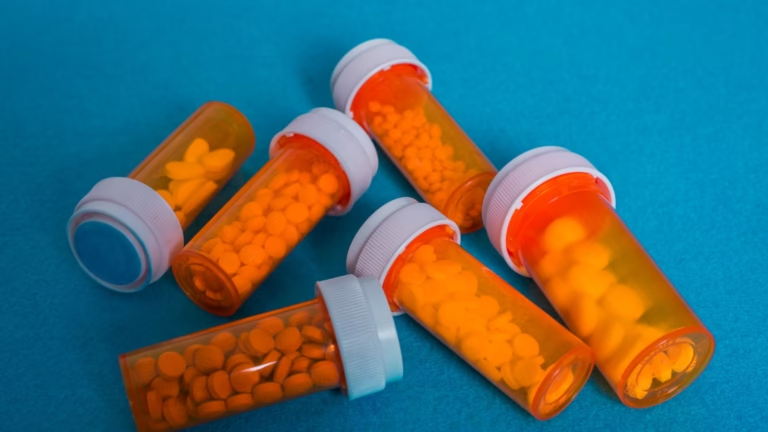
Propranolol works by blocking the effects of adrenaline on your body’s beta receptors. This slows your heart rate and lowers blood pressure. Doctors commonly prescribe propranolol to treat hypertension, manage anxiety symptoms, prevent migraines, and address irregular heartbeat.
Propranolol is available in both immediate release propranolol and extended-release formulations. Both forms belong to a group of drugs called beta blockers, which are among the most widely used heart medicines in clinical practice.
What Are Beta Blockers?
Beta blockers are a class of medications that reduce strain on the heart and blood vessels by slowing the heartbeat and lowering blood pressure. In addition to propranolol, other beta blockers include atenolol and metoprolol. Doctors may also prescribe additional treatments such as ACE inhibitors or calcium channel blockers, depending on the patient’s health conditions.
While on beta blockers, it is important to understand how lifestyle choices, including alcohol consumption, can affect the way the medicine affects your body.
Because SSRIs such as Prozac are commonly used to treat anxiety disorders, and beta-blockers may sometimes be used short-term to help with physical symptoms like tremor or palpitations, it is also important to understand the risks and side effects of drinking alcohol while taking Prozac.
The Risks of Mixing Propranolol and Alcohol
How Mixing Alcohol Affects Blood Pressure and Causes Low Blood Pressure
One of the primary concerns with mixing propranolol and alcohol is the effect on blood pressure. Both substances can lower blood pressure independently. When combined, their blood pressure-lowering effect can be amplified, potentially causing a significant drop.
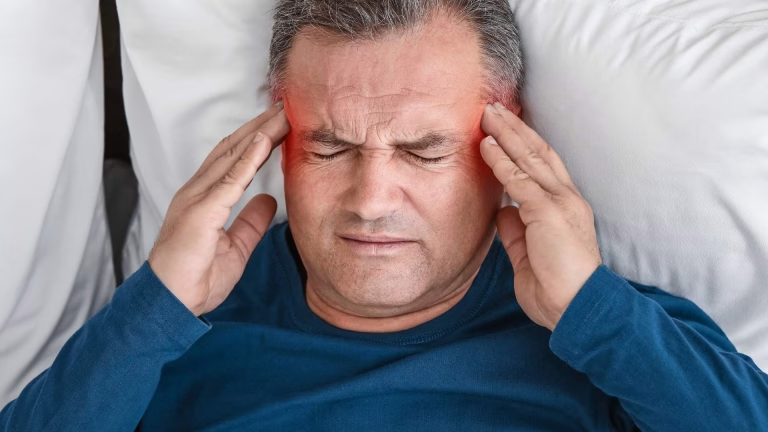
Mixing propranolol and alcohol can lead to low blood pressure, resulting in symptoms such as dizziness, lightheadedness, and fainting. This can progress to very low blood pressure in some cases. You may feel dizzy or unsteady, especially when standing up quickly. The heart-rate-lowering effects of Propranolol can become dangerously compounded when combined with other depressants, making it critical to understand the dangers of mixing painkillers like oxycodone with drinking
The Calming Impact of Combining Both Substances
Alcohol can intensify side effects such as dizziness, fatigue, and lightheadedness while taking propranolol. This combination increases the likelihood of fatigue and dizziness.
You may feel tired or drowsy beyond what you would normally experience, and this can impair coordination and judgment. This is one of the key reasons healthcare providers advise caution when mixing alcohol with blood pressure medication. While managing your heart health or anxiety, you may also be taking common over-the-counter medications; be sure to check how long after taking ibuprofen you can drink alcohol to avoid adverse reactions
Increased Sensitivity to Alcohol
Taking propranolol with alcohol may increase the intensity of side effects, causing individuals to feel more affected by alcohol than expected.
Even moderate alcohol intake could produce stronger-than-expected effects for some individuals. What previously felt manageable may lead to more noticeable impairment. Similar to other psychiatric medications, the interaction between beta-blockers and alcohol can vary, so it is helpful to compare these risks with the side effects of mixing Zoloft and alcohol
Can You Drink Alcohol While Taking Beta Blockers?
Most healthcare professionals recommend caution when it comes to alcohol use while on beta blockers. Not everyone will experience severe reactions, but the risks of combining the two are well-documented. Even small amounts may intensify side effects like dizziness, fatigue, and low blood pressure, especially when starting treatment or after a dose increase.
It is generally not recommended to drink alcohol while taking propranolol, as it can exacerbate side effects and interfere with how you feel on the medication. If you do choose to have a glass, it is essential to understand the timing and amount that may be safer.
Timing Matters: When Can You Drink Alcohol?
Immediate Release Propranolol
There is no universal safe timing rule for drinking alcohol after taking propranolol. The way the medication affects you can vary, so it is important to follow your healthcare provider’s guidance.
Extended-Release Propranolol
For extended-release propranolol, timing does not eliminate interaction risk. Because extended-release formulations remain active for longer, overlap with alcohol effects is still possible, and caution remains important.
When You Should Avoid Alcohol Entirely
It is recommended to avoid alcohol entirely when first starting propranolol or after a dose increase to understand how the medication affects you. During these adjustment periods, your body is still adapting, and the interaction may be more unpredictable. Until you understand how propranolol affects your daily experience, it is wise to avoid drinking alcohol.
For patients treating both cardiovascular issues and metabolic conditions like diabetes, it is essential to review the safety and risks of Metformin and alcohol to ensure a safe wellness plan.
Propranolol and Alcohol: A Comparison of Effects
| Effect | Propranolol Alone | Alcohol Alone | Combined |
|---|---|---|---|
| Blood pressure | Lowers moderately | Lowers temporarily | Can cause low blood pressure |
| Heart rate | Slows heart rate | Varies | Possible changes in heart rate |
| Dizziness | Possible side effect | Common at higher amounts | Increased risk |
| Sedation | Mild in some individuals | Moderate to strong | Increased drowsiness |
| Coordination | Minimal impact | Impaired | Significantly impaired |
| Fainting risk | Low at prescribed doses | Moderate with binge drinking | Increased risk |
Who Is at the Greatest Risk?
People With Certain Health Conditions
People with certain health conditions, such as low blood pressure, heart disease, liver disease, and diabetes, are at a higher risk of experiencing side effects when mixing alcohol and propranolol. Liver disease can affect how quickly your body metabolizes both substances, leading to prolonged effects.
Those with existing heart disease or a history of heart attack should be especially cautious. Mixing beta blockers with alcohol could mask important symptoms like chest pain or difficulty breathing, delaying critical medical care.
Older Adults
Older adults are more susceptible to the side effects of mixing alcohol and propranolol because their bodies process medications and alcohol differently, leading to a higher risk of severe consequences like dizziness and falls. Age-related changes in metabolism mean both substances remain active longer, and the risk of related complications increases.
People Taking Other Medications
Individuals taking other antihypertensive medications or drugs for erectile dysfunction are at an increased risk of side effects when consuming alcohol while on propranolol, as the combination can exacerbate blood pressure-lowering effects. ACE inhibitors, calcium channel blockers, and other medicines used to treat high blood pressure can compound the risks.
If you are taking propranolol alongside other prescriptions, always seek medical advice from your healthcare provider before consuming any amount. Drug use involving multiple prescriptions demands careful oversight.
Beta Blockers vs. Calcium Channel Blockers and Alcohol
Both beta blockers and calcium channel blockers are used to manage blood pressure and heart conditions, but they work differently. Calcium channel blockers relax blood vessels by preventing calcium from entering heart and artery wall cells. Mixing either class of medication with alcohol can increase the risk of low blood pressure and dizziness.
The specific interactions differ between these medication types. Regardless, alcohol consumption is a concern with both, and your healthcare professional should know your habits.
Symptoms to Watch For After Taking Propranolol With Alcohol
If you have had a drink after taking propranolol, watch for the following symptoms:
- Dizziness or lightheadedness that does not go away
- Feeling faint or actually fainting
- Very low blood pressure symptoms, such as blurred vision
- Irregular heartbeat or noticeably slow heartbeat
- Chest pain or tightness
- Difficulty breathing or shortness of breath
- Severe fatigue or feeling unusually drowsy
If you experience any of these symptoms after taking propranolol with a drink, contact your healthcare provider or seek medical care immediately. In rare cases, serious cardiovascular complications may occur, especially in individuals with underlying heart disease.
The Connection Between Alcohol, Propranolol, and Anxiety
Many people who take propranolol do so because it helps manage anxiety, particularly physical symptoms like a racing heart rate, trembling, and sweating. Alcohol may temporarily reduce anxiety, but it often worsens physical symptoms over time.
Mixing propranolol with alcohol may undermine the medication’s ability to manage anxiety effectively. Propranolol works best as part of a consistent treatment plan, and regular alcohol use can interfere with that. If you rely on propranolol to manage anxiety, consider speaking with your healthcare provider about strategies to stop drinking alcohol.
Alcohol Consumption, Heart Health, and Long-Term Risk
Long-term alcohol use carries its own cardiovascular risks. Binge drinking and chronic alcohol consumption can contribute to high blood pressure, irregular heartbeat, heart disease, and heart attack over time. When combined with propranolol, these risks may be compounded.
Drinking also affects your sex life, sleep quality, and overall well-being. For anyone taking beta blockers for blood pressure and heart conditions, reducing alcohol intake is one of the most impactful changes you can make, alongside a balanced diet, staying active, and finding ways to stay hydrated.
Tips for Staying Safe While Taking Propranolol
Here are practical steps to consider if you take propranolol:
- Talk to your doctor about your habits before starting the medication
- Abstain during the first few weeks or after a higher dose adjustment
- If you choose to drink, keep consumption low and monitor how you feel
- Stay hydrated and eat a balanced diet to support your body
- Never stop taking propranolol suddenly, as this can cause rebound symptoms
- If you take other medicines such as ACE inhibitors or heart medicines, be extra cautious
- Stop smoking if applicable, as smoking affects how this medication performs
When to Seek Professional Help for Alcohol Use
If you find it difficult to avoid alcohol while on propranolol, or if your consumption has become hard to control, it may be time to seek support. Programs like inpatient rehab provide structured environments where individuals can safely address their relationship with substances.
Recognizing the stages of problematic drinking is an important first step. Whether you are dealing with binge drinking or consistent drug use, reaching out to a treatment provider can provide a path forward.
Propranolol and Alcohol Frequently Asked Questions
Is It Safe to Drink Alcohol While Taking Propranolol?
It is generally not recommended to drink alcohol while taking propranolol. The combination can exacerbate side effects such as dizziness, lightheadedness, and drowsiness. If your doctor determines that moderate consumption may be acceptable, follow their guidance closely and monitor for symptoms.
What Happens If You Mix Propranolol and Alcohol?
Combining alcohol and propranolol can lead to a drop in blood pressure, potentially causing symptoms like fainting and changes in heart rate. Alcohol may also increase the intensity of side effects, leading to a greater risk of adverse reactions. The severity depends on dosage, tolerance, and underlying health conditions.
Who Should Completely Avoid Mixing Alcohol and Propranolol?
People with low blood pressure, serious cardiac conditions, liver disease, or diabetes should avoid alcohol while on propranolol. Those who are older and those on other medications that lower blood pressure also face increased risk. If you are unsure, seek medical advice from your doctor before consuming any amount.
Finding Support for Alcohol and Substance Use
If mixing propranolol and alcohol has raised concerns about your habits, you are not alone. Many people struggle with substance use and its impact on health and medication management. Understanding the timeline of withdrawal and the process of alcohol detox can help you make informed decisions.
Resources like medical detox programs offer supervised support during sobriety. You can also explore what to expect in early recovery or learn about mixing medications safely. If you or someone you love needs help, reaching out to a treatment provider is a worthwhile step.