If you’ve encountered products labeled “7 OH” at a store or online, you may be wondering what this substance is, and whether it’s safe. At Radix Recovery, our drug detox program in Cedar Rapids helps individuals navigate withdrawal and dependence linked to kratom, 7 OH, and similar opioid agonists. This guide covers what 7 OH is, the health risks kratom-derived products carry, and what the FDA is doing to protect consumers. This guide covers what 7 OH is, the health risks kratom-derived products carry, and what the FDA is doing to protect consumers.
What Is 7 OH?

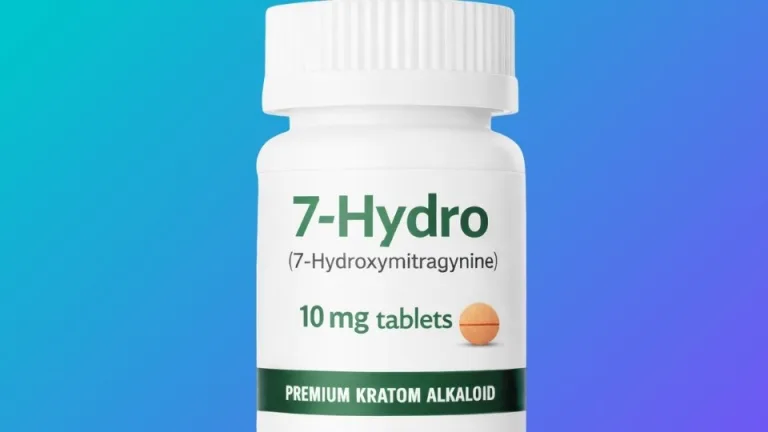
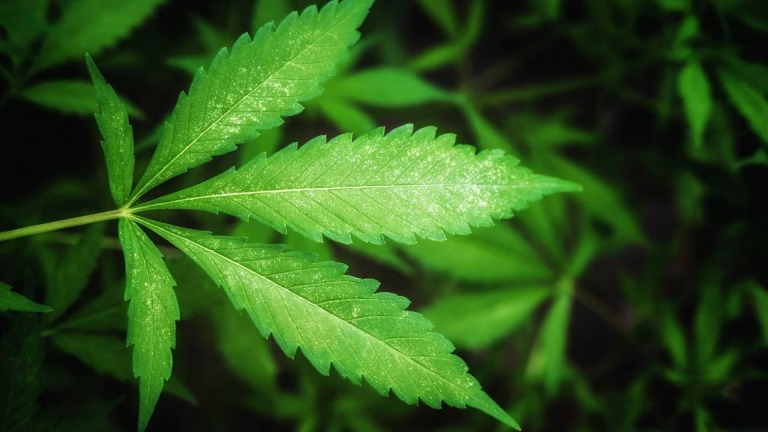
7 OH is widely used as a slang abbreviation for 7-hydroxymitragynine, a potent chemical compound derived from the kratom plant. Kratom, or Mitragyna speciosa, is a tropical tree native to Southeast Asia. While the dried leaves of this natural botanical have been used for centuries, 7 OH refers to a specific alkaloid present in trace amounts. Unlike the main alkaloid mitragynine, 7-hydroxymitragynine binds to opioid receptors with far greater intensity, and some laboratory studies suggest higher receptor activity than morphine.
Because of how powerfully 7 OH interacts with the body’s opioid system, health experts and the Food and Drug Administration have raised a major concern about its potential for abuse. Kratom alkaloids like 7-hydroxymitragynine can produce euphoria, relaxation, and sedative effects, leading to tolerance and dependence.
Origins in the Kratom Plant
Kratom use has a long history in Southeast Asia, where communities chewed the leaves of this tropical tree for energy and pain relief. The kratom plant contains several alkaloids, with mitragynine making up the majority of the total alkaloid content. 7-hydroxymitragynine, while naturally occurring, is present only in trace amounts in unprocessed kratom leaves.
From Dried Leaves to Concentrated Products
The shift from traditional kratom use, chewing dried leaves, to modern concentrated kratom products represents a significant change in risk. Some kratom products may contain elevated concentrations of 7-OH beyond what occurs naturally. These concentrated levels can be achieved through extraction and processing, creating substances that act on opioid receptors and produce opioid-like effects. Mitragynine pseudoindoxyl, another compound related to kratom alkaloids, may form during metabolism or processing, though its presence in commercial products is not well established.
Understanding 7 Hydroxymitragynine and Its Effects
7-hydroxymitragynine is an active metabolite of mitragynine that acts on opioid receptors similarly to drugs like oxycodone. Scientific data confirms it produces opioid-like effects, including pain relief, sedation, and anxiety reduction, but it also carries a potential risk of respiratory depression, a potentially life-threatening side effect associated with opioid agonists.
7 OH has been associated with serious health problems, including kratom withdrawal symptoms such as aches, profuse sweating, nausea, and significant mood disturbances. Research by Smith KE and others in addiction medicine continues to document these risks associated with kratom alkaloids.
How 7 OH Products Are Marketed

Kratom Products and High-Potency Synthetic Substances
Many kratom and 7 OH products are marketed as dietary supplements or natural remedies, sometimes described with comparisons to opioids such as “legal morphine.” This type of mitragynine pseudoindoxyl product marketing obscures the reality that these are high-potency substances with serious health concerns. Kratom products appear in tablet, gummy, drink shot, and vape form.
The Food and Drug Administration has expressed concerns about the growing availability of 7-OH products, particularly those marketed in appealing forms such as gummies and drink shots. The FDA has issued warning letters to companies illegally distributing products containing 7 OH. To see how this potent alkaloid is being manufactured and marketed today, read our detailed breakdown of 7-OH Tablets: Effects, Risks, and What to Expect
Consumers Obtaining Products at Gas Stations and Smoke Shops
One of the most alarming aspects is how easily accessible these substances are. Consumers obtaining products containing 7 OH can do so at gas stations, smoke shops, vape shops, and online with limited oversight. Due to legal loopholes, both kratom and 7 OH products are available in many states with varying levels of regulation regarding labeling, dosing, and purity.
Common retail settings where 7 OH products are sold include:
- Gas stations, convenience stores, and corner shops
- Smoke shops and vape shops
- Online retailers and supplement marketplaces
Marketed as a Dietary Supplement
Because kratom and 7-OH products are frequently marketed as dietary supplements, many consumers assume they are safe. However, unlike FDA-approved medications, supplements do not undergo rigorous testing for safety and medical use. The chemicals in these kratom products may vary widely in potency and purity, which is a major concern for public health.
Health Risks and Adverse Events
The risks of taking kratom extracts and concentrated 7-OH products are documented, though research is still evolving. Adverse events reported to poison control centers include:
- Respiratory depression and difficulty breathing
- Severe nausea, vomiting, and sweating
- Seizures and loss of consciousness
- Development of dependence or addiction
- Withdrawal symptoms include anxiety, pain, and cravings
Poison control centers have reported increasing cases of exposure to kratom and related products in recent years. Health departments recommend avoiding 7 OH products due to their potential risks and addiction potential.
The FDA has warned consumers against the use of 7 OH, citing risks of abuse, dependency, and respiratory depression.
Kratom Dependence and Withdrawal
Kratom dependence and 7-OH dependence share many characteristics with opioid use disorder. Individuals struggling with 7 OH addiction may experience withdrawal symptoms, including physical discomfort and strong cravings. These symptoms can resemble opioid withdrawal, making professional support essential.
Comparison Table
| Aspect | Traditional Kratom Use | Concentrated 7 OH Products |
|---|---|---|
| Source | Dried leaves of Mitragyna speciosa | Extracted or processed alkaloids |
| 7 OH Concentration | Trace amounts (naturally occurring) | Higher concentrations (elevated through processing) |
| Opioid Receptor Activity | Moderate | Strong opioid receptor activity (high in laboratory settings) |
| Risk of Dependence | Lower with traditional use | Elevated |
| Regulation | Varies by state | Largely unregulated; FDA recommending controls |
| Common Forms | Powder, tea, capsules | Gummies, tablets, shots, vapes |
Because of the high potency described in this guide, it is essential to understand the potential for physical dependence; learn more in our article on 7-OH Withdrawal: Warning Signs, Symptoms, and Safe Detox Options
The FDA Takes Steps to Address 7 OH
The FDA takes steps to protect consumers from the growing threat of unregulated kratom and 7 OH products. The U.S. Food and Drug Administration has previously recommended scheduling action to control certain kratom-derived compounds under the Controlled Substances Act due to their potential for abuse and health risks. Some states already classify 7 OH alongside other controlled substances. The legal landscape continues to evolve.
The FDA’s actions include issuing warning letters, publishing scientific data on these chemicals, and working to protect consumers from misleading kratom product marketing. These steps reflect a broader effort to treat 7 OH products as substances requiring closer regulation.
Treatment Options for 7 OH Addiction
If you or a loved one is experiencing substance use disorder related to 7 OH or kratom, evidence-based treatment is available. Treatment for 7 OH addiction can include medications such as buprenorphine and naloxone, which are also used for opioid-related conditions. Buprenorphine helps manage cravings and withdrawal, while naloxone can reverse an opioid overdose.
Recovery from kratom use disorder typically begins with medically supervised detox, followed by inpatient rehab in Iowa. Addiction medicine specialists address both the physical and psychological dimensions of opioid addiction. At our drug detox program in Cedar Rapids, clients receive individualized support, including buprenorphine management and therapeutic care for co-occurring anxiety and other symptoms.
If 7 OH or kratom dependence is affecting your life, reaching out for professional help is the most important step you can take to protect your health.
Frequently Asked Questions About 7 OH
Is 7-OH a Controlled Substance?
As of now, 7-OH is not federally classified under the Controlled Substances Act, though the FDA has previously recommended scheduling kratom-derived compounds. Some states have moved to classify it alongside other controlled substances like heroin. The legal landscape is evolving, so a lack of federal scheduling does not mean the drug is safe.
Can You Become Addicted to 7 OH?
Yes. Because 7-hydroxymitragynine is a potent opioid agonist, regular use can lead to tolerance, dependence, and addiction in some individuals. Individuals who develop a substance use disorder related to 7-OH often require treatment, including buprenorphine and naloxone. If you are concerned about your kratom use, speaking with an addiction medicine provider is recommended.
Where Are 7 OH Products Sold?
7 OH products are widely available at gas stations, smoke shops, vape shops, and online. They are often marketed in forms like gummies, candies, and pills, which can attract younger consumers. The Food and Drug Administration continues to take action to protect the public from misleading marketing.