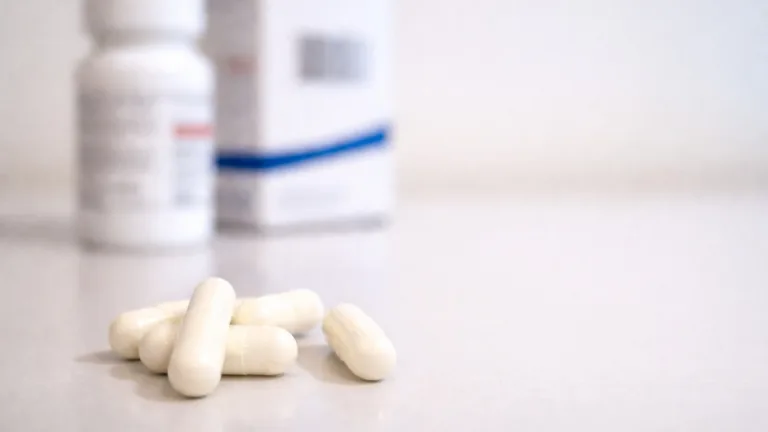
Zoloft, also known as sertraline hydrochloride, is a commonly prescribed antidepressant used to treat depression, anxiety, and other mental health conditions. Because it’s so widely used, many people wonder whether they can drink alcohol while taking Zoloft. The short answer is that medical professionals generally advise against it. Combining Zoloft and alcohol can lead to dangerous interactions, increased side effects, and setbacks in mental health treatment. If you or someone you love is struggling with alcohol use alongside medication, Radix Recovery’s alcohol detox program in Cedar Rapids provides structured, medically supervised support to help you move forward safely.
This guide breaks down the risks, side effects, what happens when you combine Zoloft and alcohol, and why addiction treatment makes sense for those who suffer from substance use disorder.
What Is Zoloft and How Does It Work?

Zoloft is one of the selective serotonin reuptake inhibitors (SSRIs), a class of medications that work by preventing the brain from reabsorbing serotonin after it’s released. This process allows more serotonin molecules to remain active in the brain, helping to stabilize mood and reduce symptoms of major depressive disorder, obsessive compulsive disorder, panic attacks, and other depressive disorders.
Understanding how Zoloft works is important because alcohol can worsen mood symptoms and interfere with treatment in unpredictable ways. Zoloft works by increasing serotonin activity in the brain, and alcohol can disrupt that balance and worsen depression or anxiety symptoms.
Why Do People Mix Zoloft and Alcohol?
Many people who take Zoloft don’t realize the potential risks of continuing to drink alcohol alongside their medication. Social pressure, habit, or using alcohol to self-medicate for anxiety and depression symptoms can all play a role. Some individuals assume that an occasional drink won’t cause harm. However, even moderate drinking can interfere with how Zoloft treatment works and may worsen symptoms over time.
The relationship between alcohol and mental health is complex. While some people may use alcohol to temporarily cope, it often leads to worsening depressive symptoms once the effects wear off.
Dangerous Interactions When You Mix Zoloft and Alcohol
Central Nervous System Effects
Alcohol is a central nervous system depressant, and Zoloft can also cause side effects such as drowsiness or impaired alertness in some people. When combined, these effects can worsen drowsiness, dizziness, impaired judgment, and reduced coordination. In severe cases, this combination can become dangerous by increasing the risk of accidents and injuries.
Serotonin Syndrome Risks
Serotonin syndrome is a potentially life-threatening condition that occurs when there is too much serotonin in the brain. This risk is most often associated with combining Zoloft with other serotonergic medications or substances, rather than alcohol itself.
Symptoms of serotonin syndrome include:
- Rapid heart rate and high blood pressure
- Hallucinations and agitation
- Muscle rigidity and loss of coordination
- Extremely high body temperature
- Sweating, fatigue, and confusion
- Seizures, which in life-threatening situations can lead to death
If you experience any of these symptoms, seek emergency medical guidance immediately.
Impaired Judgment and Increased Risk
The interaction between alcohol and Zoloft can significantly impair motor skills and judgment, making everyday tasks like driving potentially dangerous. Drinking alcohol while taking Zoloft can lead to increased memory impairment, difficulty concentrating, and impaired coordination that goes beyond what either substance might cause alone.
This combination can also create greater safety concerns for people already vulnerable to suicidal thoughts, particularly young adults and those who are new to the medication. Anyone noticing mood swings or changes in behavior after combining these substances should contact their healthcare provider right away.
Side Effects of Drinking Alcohol While Taking Zoloft
The following table outlines common and serious adverse effects that may occur when mixing alcohol with Zoloft:
| Side Effect | Severity | Description |
|---|---|---|
| Drowsiness and fatigue | Common | Amplified sedation beyond normal Zoloft side effects |
| Dizziness | Common | Increased risk of falls and accidents |
| Impaired coordination | Common | Reduced motor control affecting daily tasks |
| Mood swings | Moderate | Worsening of depression and anxiety symptoms |
| Increased memory impairment | Moderate | Significant short-term memory disruption |
| Liver stress | Serious | Chronic use raises risk of long-term liver damage, especially with heavy drinking |
| Serotonin syndrome | Emergency | Chronic use raises the risk of long-term liver damage, especially with heavy drinking |
Drinking alcohol while taking Zoloft can lead to increased side effects such as drowsiness, dizziness, and impaired coordination, which may hinder the medication’s effectiveness. Even low levels of alcohol consumption can decrease a person’s commitment to taking their medication regularly.
How Alcohol Affects Mental Health Treatment

Alcohol Can Worsen Symptoms of Depression
Alcohol is a central nervous system depressant that can worsen symptoms of depression and anxiety, directly counteracting the benefits of antidepressants like Zoloft. The FDA recommends that people taking Zoloft avoid alcohol altogether, as alcohol can worsen depression symptoms and undermine the progress that Zoloft treatment is designed to support.
Drinking alcohol can lead to a cycle where depressive symptoms intensify, making it harder for individuals to manage their mental health issues effectively. This cycle is especially concerning for individuals already being treated for mental health conditions.
Alcohol Interferes with Medication Effectiveness
Alcohol can interfere with the effectiveness of Zoloft by worsening mood symptoms and reducing the medication’s ability to manage anxiety and depression. Chronic use of alcohol while on Zoloft can also create additional health concerns on top of the mental health issues being treated. While the interactions between antidepressants and drinking are complex, you should also be aware of how common over-the-counter painkillers react with spirits, such as knowing how long after taking ibuprofen can you drink alcohol to avoid stomach irritation
How Much Alcohol Is Safe When Taking Zoloft?
Medical professionals generally advise against drinking alcohol while taking Zoloft due to the potential for dangerous interactions and increased side effects. While some individuals may drink small amounts of alcoholic beverages without noticeable issues, reactions vary widely, and many healthcare providers recommend avoiding alcohol altogether, especially during treatment.
Consulting a physician before consuming alcohol while on Zoloft is recommended for personalized advice based on your medical history and current treatment plan. The safest approach, according to most medical professionals, is to avoid alcohol altogether while on Zoloft and explore non alcoholic beverages as alternatives.
If you’re wondering whether moderate drinking is acceptable, it’s worth understanding that there is no universally safe threshold when you drink alcohol on this medication. How your body reacts depends on dosage, how long you’ve been on the medication, and your individual health profile.
Can You Drink on Zoloft? What Experts Say
Most healthcare provider recommendations align: you should not drink on Zoloft. Even an occasional drink can disrupt the balance Zoloft is working to create. The combination can worsen symptoms and lead to adverse effects that set back your recovery.
If you find it difficult to avoid alcohol while on medication, this may be a sign of a deeper issue worth exploring with a professional. Understanding the stages of alcoholism can help you assess where you stand.
Alcohol Addiction and Its Connection to Mental Health
Many individuals dealing with alcohol addiction are also managing other mental health conditions, a situation known as a dual diagnosis. Substance use disorders and conditions like major depressive disorder frequently co-occur, and mixing alcohol with medications like Zoloft can make both problems harder to treat.
Alcohol misuse can escalate quickly, especially when someone is already vulnerable due to depressive disorders or anxiety. If you recognize signs of alcohol use disorder in yourself or a loved one, early intervention through professional addiction treatment can make a meaningful difference.
Recognizing the warning signs of alcohol abuse and understanding why detox is important for alcohol addiction treatment are important first steps.
Why You Should Not Mix Antidepressants and Alcohol
The risks of combining alcohol with Zoloft extend to other SSRIs and antidepressants as well. When you mix antidepressants with alcohol, you increase the likelihood of drug interactions that can be unpredictable and potentially dangerous. Alcohol use alongside antidepressants can amplify side effects and interfere with treatment outcomes.
If you’re taking any medication for mental health, discuss potential risks with your healthcare provider before consuming alcohol. Also, those managing multiple health conditions should also understand how other maintenance medications interact with substances, particularly the unique risks outlined in our guide on metformin and alcohol: safety, side effects, and risks.
What Medical Professionals Recommend
Medical professionals generally advise the following for anyone taking Zoloft:
- Avoid alcohol while taking Zoloft unless your prescriber specifically advises otherwise
- Discuss your medical history and alcohol use openly with your doctor
- Monitor how your body reacts to the medication before considering any alcohol consumption
- Seek medical guidance if you experience withdrawal symptoms or worsening depressive symptoms
- Contact your healthcare provider immediately if you notice signs of serotonin syndrome or suicidal thoughts
If you’re finding it challenging to stop drinking while on medication, professional support through a structured program can help. Learning how to cut back on alcohol or exploring what to expect during alcohol detox can be a helpful starting point.
When to Seek Addiction Treatment
If you’re unable to stop combining Zoloft and alcohol, or if alcohol use has become difficult to control, it may be time to consider professional addiction treatment. People who mix Zoloft with alcohol regularly often need comprehensive care. Individuals dealing with alcohol addiction alongside mental health conditions often benefit most from programs that address both issues simultaneously.
Warning signs that you may need help include the inability to stop drinking despite knowing the higher risk, the need to drink more to feel the same effects, and the presence of experience withdrawal symptoms when you try to stop. Recognizing when you need help is a sign of strength, not weakness.
Understanding the alcohol withdrawal timeline and the role of medical detox can help you prepare for what’s ahead.
FAQs About Zoloft and Alcohol
Is It Safe to Drink Alcohol While Taking Zoloft?
No. Mixing Zoloft and alcohol is generally not recommended. Both substances affect the brain, and combining alcohol with Zoloft can lead to dangerous interactions, including worsened drowsiness, impaired judgment, and coordination problems. Medical professionals generally advise against drinking alcohol while taking Zoloft, as it can interfere with the medication’s effectiveness and worsen mental health symptoms.
What Happens If You Mix Zoloft and Alcohol?
When you mix Zoloft and alcohol, you may experience amplified side effects, including drowsiness, impaired coordination, and worsened depression symptoms. In more serious situations, combining these substances can create major safety risks and worsen mental health symptoms. The combination can also increase the risk of impaired judgment and risky behavior.
How Long After Stopping Zoloft Can You Drink Alcohol?
There is no one-size-fits-all answer. Zoloft can remain in your system for some time after your last dose, and some individuals may experience withdrawal symptoms during this period. Most medical professionals recommend discussing timing with your healthcare provider based on your specific medical history, especially if you are tapering the medication or have recently stopped taking it.
Finding Support for Alcohol Addiction and Mental Health
If you’re struggling to manage alcohol use while taking Zoloft or any other medication, you don’t have to navigate it alone. Radix Recovery offers comprehensive inpatient rehab in Iowa designed to help individuals address substance use disorders and co-occurring mental health conditions in a safe, supportive environment.
Taking the first step toward recovery starts with understanding the potential risks of mixing alcohol and medication and recognizing when professional help is needed. Reach out today to learn how structured addiction treatment can support your path to lasting wellness.