Deciding to stop drinking is a significant first step toward a healthier life. But after the last drink, a challenging and often concerning process begins: alcohol detox. If you’re wondering, “How long does it take to detox from alcohol?”- you’re not the only one. Millions of people struggle with alcohol use disorder every year.
The timeline can vary, but this guide offers a realistic look at what to expect. This process is the beginning of addressing an alcohol use disorder and starting on the path to recovery. We will explore the stages of withdrawal, from the initial hours to the weeks that follow, and explain why medically supervised alcohol detox is a safer approach. Understanding the detox timeline can empower you to seek the right clinical support for a successful recovery journey.
Key Points
- Initial Symptoms (6-12 Hours): The first signs of alcohol withdrawal, like anxiety and headaches, typically begin within 6 to 12 hours after your last drink-
- Peak Withdrawal (24-72 Hours): Symptoms are often most intense during this period, with risks of more severe complications, including seizures and delirium tremens (DTs)-
- Severe Symptoms: Hallucinations and delirium tremens, a severe form of alcohol withdrawal, can occur in the 48 to 96-hour window, posing life-threatening health risks that require immediate medical attention. DT is often most intense around days four or five-
- Post-Acute Phase (Weeks to Months): After the initial physical withdrawal symptoms subside, some individuals may experience post-acute withdrawal syndrome (PAWS), which includes mood changes and sleep disturbances-
- Medical Supervision is Key: Due to the potential for severe withdrawal symptoms, a medically supervised detox is the safest way to manage the process-
The Stages of the Alcohol Withdrawal Timeline

When your body has developed a dependence on alcohol, it has to readjust when you stop drinking. This readjustment process is known as alcohol withdrawal syndrome, and it unfolds in predictable stages. The symptoms of alcohol withdrawal can range from mild discomfort to severe, life-threatening complications. Factors like how long and how heavily you’ve been drinking, your overall health, and whether other substances are involved all play a role in your unique experience.
According to the National Institute on Alcohol Abuse and Alcoholism, abruptly stopping or significantly reducing alcohol consumption can trigger withdrawal. Research published by American Family Physician notes that nearly half of individuals with an alcohol use disorder will experience symptoms when they cut back, and patients should be monitored up to 5 days since their last drink. It’s important to remember that these are general guidelines, as individual experiences can differ.
First 24 Hours: The Onset of Alcohol Withdrawal Symptoms
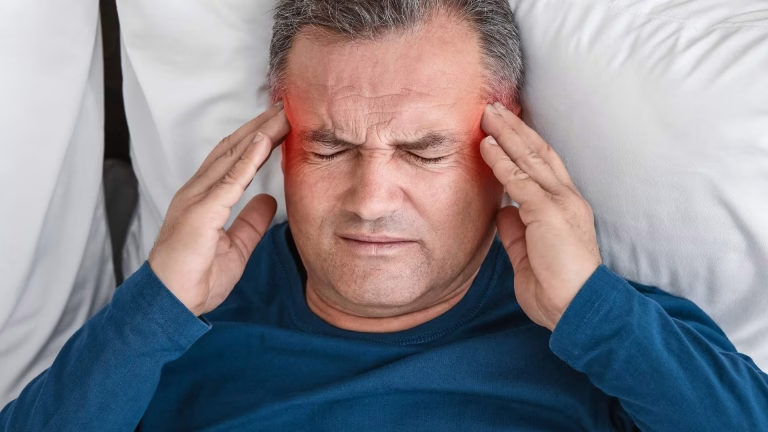
The first signs of withdrawal typically emerge between 6 and 12 hours after you drink alcohol for the last time. Initially, these symptoms may be mild and can be mistaken for a bad hangover. You might experience mild anxiety, headaches, stomach upset, and difficulty sleeping.
As the hours pass, these symptoms tend to intensify. Your central nervous system, which was suppressed by chronic substance abuse, becomes overactive. This can lead to a noticeable tremor in your hands, increased heart rate, and high blood pressure. For many, this is just the beginning of a challenging period. It’s a critical time when alcohol cravings can be particularly strong as the body signals its desire for the substance it has come to depend on.
The Peak at 48 to 72+ Hours
This window is often the most difficult and dangerous part of the alcohol detox timeline. Between 24 and 72 hours, withdrawal symptoms typically reach their peak intensity. This is when the risk for more severe complications is highest. While some may continue to experience milder symptoms, others can face significant challenges.
This is the period when severe alcohol withdrawal, such as alcohol withdrawal seizures, can occur. The most serious form of withdrawal, delirium tremens (DTs), often occurring between 48 and 96 hours, is also a major concern during this time. DTs are a medical emergency characterized by severe confusion, agitation, high body temperature, and hallucinations. These symptoms underscore why medical supervision is so crucial; healthcare professionals can provide medications and support to manage these risks and keep you safe.
Factors Influencing the Detox Timeline
Not everyone’s detox experience is the same. The duration and severity of alcohol withdrawal are influenced by multiple factors and a variety of personal risk factors. Chronic heavy drinking can lead to serious health problems, including abnormal liver function, heart conditions, and even organ damage, which can complicate the detox process. An individual’s unique body chemistry also plays a role. Long-term alcohol misuse can cause a range of medical problems, from nervous system disease to cognitive impairments and, in extreme cases, brain lesions. These pre-existing conditions are significant risk factors that can intensify withdrawal.
| Influencing Factor | Impact on Detox Timeline | Examples | Why It Matters |
|---|---|---|---|
| Duration of Alcohol Use | Longer history can lead to more severe symptoms- | Drinking heavily for 10 years vs. 1 year- | The body has had more time to adapt to alcohol’s presence- |
| Amount of Alcohol Consumed | Higher daily intake often results in a more intense withdrawal- | Consuming 10+ drinks per day vs. 4-5 drinks- | Greater physical dependence requires a more significant readjustment- |
| Overall Health | Co-existing health conditions can complicate detox- | Liver damage, heart problems, or nutritional deficiencies- | A compromised system may struggle more to cope with withdrawal stress- |
| Previous Detox Experiences | Multiple past withdrawals may increase the severity of future ones- | “Kindling effect” where the brain becomes more sensitive- | The central nervous system may react more strongly each time- |
The Role of Medical Detox in Safe Alcohol Withdrawal Treatment
Attempting to detox from alcohol on your own can be dangerous. Medically supervised alcohol detox provides a safe, controlled, and supportive environment where you can manage withdrawal symptoms effectively. At a medical facility, medical professionals are trained to treat alcohol withdrawal and reduce withdrawal symptoms using evidence-based protocols.
They monitor your vital signs, such as blood pressure and heart rate, and can administer medications to reduce risk for severe complications like seizures or delirium tremens. This level of care is essential for anyone with a history of heavy drinking or a diagnosed alcohol use disorder. This structured support is the first step in a comprehensive plan for treatment for alcohol dependence.
Life After Detox: Next Steps in Recovery

Completing detox is a monumental achievement, but it is only the first step. Long-term recovery from alcohol misuse requires ongoing support and a commitment to addressing the underlying issues related to alcohol dependence. There are many treatment options available, from inpatient care to outpatient management.
| Support Option | Description | How It Helps | Best For |
|---|---|---|---|
| Inpatient/Residential Treatment | Structured, 24/7 care in a dedicated facility- | Provides therapy, structure, and a sober environment- | Individuals needing intensive support after detox- |
| Outpatient Programs (PHP/IOP) | Flexible programs with daily or weekly sessions- | Allows clients to balance treatment with daily life- | Those with a stable home environment- |
| Support Groups | Peer-led groups like Celebrate Recovery or AA- | Offers community, shared experience, and accountability- | Ongoing, long-term maintenance of sobriety- |
A full continuum of care that transitions seamlessly from detox into further treatment offers the best chance for lasting sobriety. This can include residential treatment, outpatient programs, and ongoing therapy to build coping skills and prevent relapse.
How Long Does It Take to Detox From Alcohol? Frequently Asked Questions
Can you detox from alcohol in 3 days?
While the most intense physical symptoms often peak within 72–96 hours, full detox takes longer. Post-acute symptoms like anxiety, irritability, and sleep disruption can persist for weeks or months. Three days mark a critical window, but it is not the finish line. Continued medical support and monitoring remain essential beyond that point.
What is the most dangerous day of alcohol detox?
The most dangerous period is typically between 24 and 96 hours after the last drink. This is when seizures and delirium tremens are most likely to occur. Delirium tremens can cause a rapid heart rate, confusion, and dangerous fever. Medical supervision during this window is critical and can be life-saving for those with heavy dependence.
What can I drink to detox my body from alcohol?
No beverage detoxes alcohol from your body, only time and medical support do that. Staying hydrated with water and electrolyte drinks helps manage symptoms. Coconut water, broths, and drinks with B vitamins support recovery. However, these are supplemental, not treatments. Anyone detoxing from alcohol dependence should seek proper medical guidance before stopping.
Rebuilding Your Life with Radix Recovery
Lasting recovery is about more than just stopping alcohol use; it’s about rebuilding your life from the root up. At Radix Recovery, we provide the support and structure needed for that journey. Our on-site medical detox ensures you are safe and comfortable during withdrawal, and our integrated programs offer a seamless transition into the next phase of your treatment. We focus on evidence-based therapies and building a supportive community to help you achieve long-term stability. Visit our contact page to get started on taking control of your future.