You might be asking this question because you or someone you care about is struggling to stop using marijuana despite wanting to quit. Some people also think you can’t get addicted to cannabis, seeing it as not a big deal. So, can you get addicted to cannabis? The short answer is yes. While often viewed as less harmful than other substances, cannabis can lead to a clinically diagnosed condition known as cannabis use disorder. This article explores the reality of marijuana addiction, how it affects the brain and body, and the path to recovery. We will cut through the noise to give you clear, evidence-based information to help you make informed decisions about your health and future.
Quick Takeaways
- According to the Centers for Disease Control, approximately 30 percent of people who use marijuana may have some degree of marijuana use disorder-
- Addiction often stems from underlying issues like trauma or untreated mental health conditions, which require addressing the root cause for lasting change-
- Withdrawal symptoms are real and can include irritability, anxiety, and sleep disturbances that make quitting on your own difficult-
- Professional treatment provides a structured environment and medical supervision that significantly increases the chances of long-term recovery-
- Recovery is not just about stopping use but about rebuilding a stable life and community support system-
The Reality of Marijuana Addiction
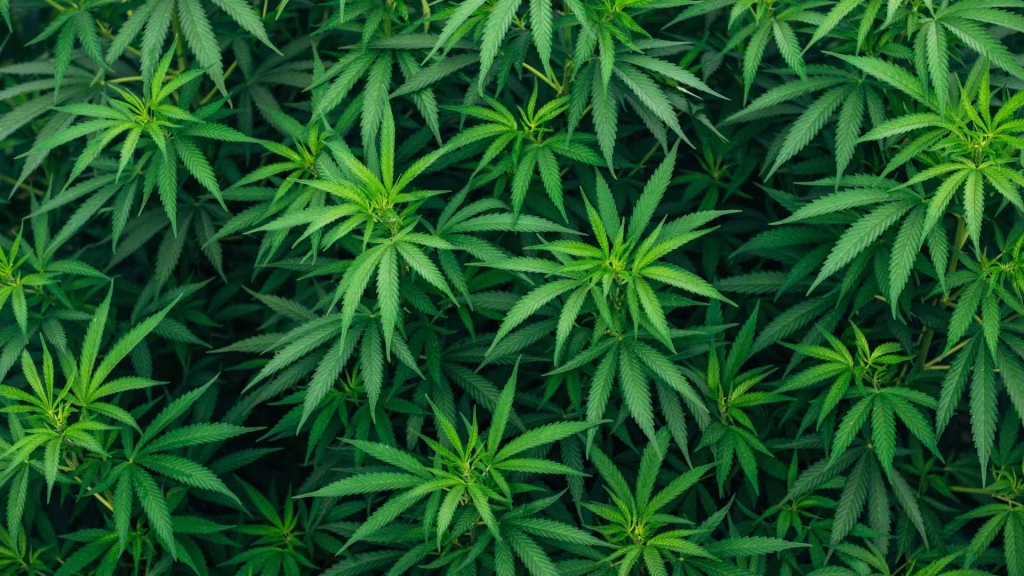
Many people believe that because cannabis is natural or legal in some places, it cannot be addictive. However, medical experts and the Diagnostic and Statistical Manual of Mental Disorders classify cannabis use disorder as a legitimate medical condition. When you use cannabis regularly, your brain adapts to the influx of THC, which can lead to dependence. Over time, you may find that you need to consume more marijuana to get the same effect or that you feel “off” without it.
This chemical dependency concerns many adults who find their cannabis use impacting their daily lives. According to the National Institute on Drug Abuse, people who begin using marijuana before the age of 18 are more likely to develop a marijuana use disorder than adults. According to the Substance Abuse and Mental Health Services Administration’s 2024 National Survey on Drug Use and Health, approximately 10 percent of underage people in the United States reported using marijuana in the past month.
What is Marijuana Vaping?
A newer trend, particularly among young users, is to vape THC rather than smoke it the traditional way. Marijuana vaping involves inhaling vaporized cannabis using an electronic device. Unlike smoking, vaping heats marijuana or concentrated oils to temperatures that release cannabinoids without combustion. This produces a vapor rather than smoke. Vape devices range from portable pens to larger desktop units, delivering THC and other compounds directly into the lungs for rapid effects.
Marijuana vaping poses significant health risks comparable to traditional cannabis use, despite its perceived safety. The concentrated THC in vape cartridges often delivers far higher potency than smoked marijuana, increasing risks of dependency, cognitive impairment, and mental health issues like anxiety and psychosis, particularly in developing adolescent brains.
The appeal to younger users stems from several factors:
- Vaping devices are discreet, producing minimal odor compared to smoking, making them easier to conceal from parents and teachers-
- Sleek, tech-forward designs resemble everyday items like USB drives or pens-
- Flavored cartridges in options like mango, mint, and bubblegum mask the harsh cannabis taste, creating a more approachable entry point-
Social media and peer influence normalize vaping culture, while misconceptions that vapor is “cleaner” than smoke provide false reassurance. The convenience of pre-filled cartridges eliminates the learning curve associated with rolling joints or packing bowls.
Risk Factors for Marijuana Vaping
Vaping-related lung injuries have emerged as a serious concern. Contaminants like vitamin E acetate in unregulated cartridges have caused severe respiratory illness. Young users often obtain products from illicit markets where quality control is nonexistent.
The developing teenage brain remains especially vulnerable to THC’s effects on memory, attention, learning, and emotional regulation. Early cannabis use correlates with increased risk of addiction and long-term cognitive deficits, making youth vaping a significant public health concern.
Recognizing the Signs of Cannabis Use Disorder
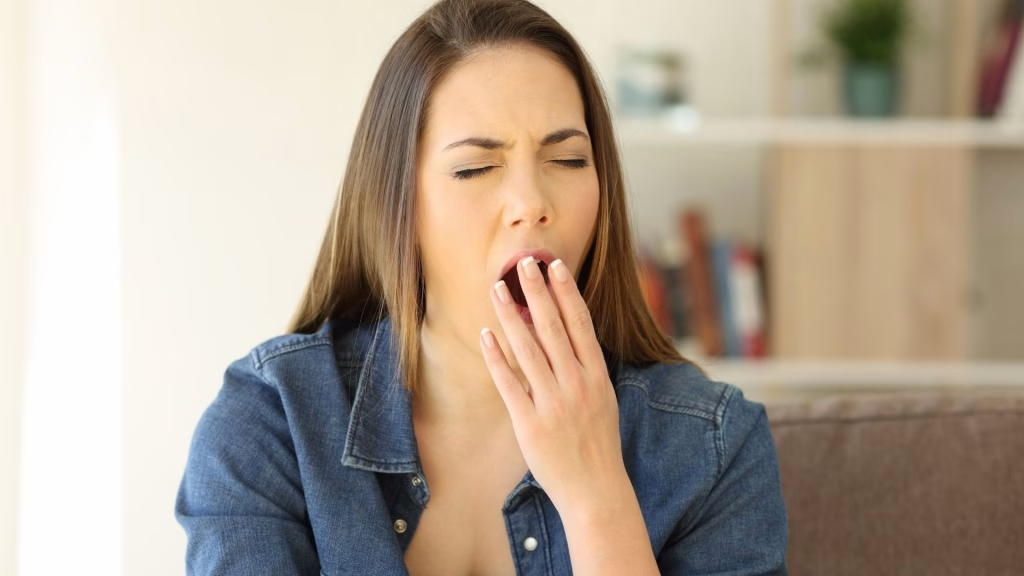
Identifying a problem is the first step toward solving it. You might notice that your cannabis use has shifted from an occasional activity to a central part of your routine. Cannabis use disorder is diagnosed when use leads to significant impairment or distress. This often manifests as failing to meet obligations at work or home or giving up important social activities because of marijuana use.
If you find yourself spending a lot of time getting, using, or recovering from the effects of cannabis, this is a major warning sign. Another key indicator is experiencing cravings or a strong desire to use cannabis that distracts you from other thoughts. Continuing to smoke marijuana despite knowing it is causing physical or psychological problems is a clear symptom of a deeper issue.
The Brain & Body: Why Detox Matters
When you stop using marijuana after a period of heavy use, your body goes through a recalibration process. The central nervous system has become accustomed to the presence of cannabinoids, and removing them abruptly can shock the system.
Many people underestimate the physical aspect of marijuana addiction. The cannabis sativa plant contains compounds that interact with your brain’s reward system. Using marijuana can directly affect the parts of the brain responsible for memory, learning, attention, and decision-making.
A safe detox environment allows your body to clear these substances while clinical staff monitor your condition and manage discomfort. This immediate continuity into treatment helps prevent relapse caused by the discomfort of withdrawal. Detox/support is useful if symptoms are severe, there are co-occurring disorders, or relapse risk is high, but thankfully but cannabis withdrawal is typically not medically dangerous
Investigating Underlying Causes: Mental Health & Trauma
Addiction rarely exists in a vacuum. Often, it is a symptom of deeper underlying mental health conditions such as anxiety, depression, or unresolved trauma.
Research shows that there is a strong association between cannabis use and psychiatric disorders like anxiety and depression, though a direct causal relationship has not been established. Treating the addiction without addressing the mental health condition often leads to a cycle of relapse. By integrating therapies like CBT and DBT, you can learn healthy coping mechanisms that replace the need to use cannabis to numb your feelings.
The Marijuana Withdrawal Timeline: What to Expect
Knowing what to expect can make the process less intimidating. Marijuana withdrawal symptoms typically begin within the first 24 to 72 hours after you stop using. You might experience irritability, restlessness, and difficulty sleeping during this initial phase. These symptoms are your body’s way of signaling that it is adjusting to functioning without the drug.
- Days 1-3: Onset of irritability, anxiety, and cravings-
- Days 4-7: Symptoms often peak, including physical discomfort like headaches or stomach issues-
- Weeks 2-3: Physical symptoms subside, but psychological symptoms like depression or mood swings may persist-
Withdrawal symptoms usually peak between days 2 and 6 and can last for up to two weeks. However, sleep disturbances can sometimes last significantly longer, up to 30 days or more. Having a professional treatment team supports you through these peaks and valleys ensures you do not have to face them alone.
How Treatment Works: From Detox to Rehab
Effective treatment is a structured journey rather than a single event. Treatment might begin with supervised detox and move seamlessly into inpatient or residential treatment, with your experience changing based on which level of care you start in. For marijuana, the risks of withdrawal are usually low compared to other drugs. However, a structured environment can still be helpful so you don’t relapse into old habits.
In residential rehab, you live at the facility and participate in 24/7 structured care focused on stabilization and therapy. This immersive environment removes you from the triggers of your daily life and allows you to focus entirely on healing.
Following residential care, you might step down to a Partial Hospitalization Program (PHP) or an Intensive Outpatient Program (IOP). These levels of care offer flexible yet structured programming that helps you reintegrate into society while still receiving robust clinical support.
| Treatment Phase | Primary Goal | Key Activities | Who It’s Best For | Typical Duration |
| Detox | Safety & Stabilization | 24/7 monitoring, symptom management, clearing toxins | People at risk of withdrawal complications or acute medical instability | 3-7 days |
| Inpatient/Residential | Foundation Building | Intensive therapy, trauma work, structured daily routine | Individuals with severe addiction, co-occurring disorders, or unstable home environments | 30–90 days (or longer) |
| PHP / IOP | Reintegration | Skill application, balancing recovery with daily life, group therapy | Those stepping down from inpatient care or needing structured support while living at home | 4–12 weeks |
| Outpatient (OP) | Maintenance | Relapse prevention, community accountability, long-term support | People with stable recovery, strong support systems, and lower relapse risk | Months to ongoing |
Helping a Loved One
Watching a family member struggle with marijuana abuse can be heartbreaking and confusing. You might feel helpless or unsure of how to bring up the subject without causing an argument. It is helpful to approach the conversation with empathy rather than accusation. Focus on the negative consequences you have observed, such as changes in their mood or lost interest in hobbies, rather than attacking their character.
Family members play a crucial role in the recovery process. Professional treatment centers often include family therapy or education to help rebuild trust and communication. Remember that you cannot force someone to seek treatment, but you can set healthy boundaries and offer support when they are ready to accept help.
Marijuana Rehab Centers: Why Professional Help Makes the Difference
Attempting to quit on your own often leads to frustration because it fails to address the behavioral and psychological aspects of addiction. A professional addiction treatment center offers more than just a place to stay; it offers a new way of living. At Radix Recovery, we use an evidence-based focus that treats clients as capable individuals rebuilding their lives, not just “addicts” .
Our program is unique because we are founder-built with a focus on integrity and compliance, ensuring you receive ethical and high-quality care . Unlike fragmented care options, our integrated model means your clinical team communicates across all levels of treatment. We also emphasize a strong recovery community, which is essential for accountability and lasting change. We help you build a life that is so full and rewarding that you no longer feel the need to escape it.
Can You Get Addicted to Cannabis? FAQs
What are the first signs of marijuana withdrawal?
The first signs typically appear within 24 to 48 hours and include irritability, anxiety, decreased appetite, and cravings. You may also experience physical symptoms like sweating, chills, or difficulty sleeping as your body adjusts to the absence of cannabis.
Does insurance cover marijuana addiction treatment?
Yes, major insurance providers, depending on coverage and plan type, will cover addiction treatment that is medically necessary, including marijuana rehab, under behavioral health benefits. Coverage levels vary, so it is important to verify your specific plan benefits for services like inpatient treatment, medical detox, and intensive outpatient programs.
Can you have withdrawal symptoms from edibles?
Yes, you can experience withdrawal symptoms from discontinuing edibles, just as you would from smoking marijuana. Because edibles often result in a stronger and longer-lasting high, the body’s chemical dependency can be significant, leading to similar withdrawal challenges like anxiety and insomnia.
How to Seek Marijuana Addiction Treatment
You do not have to let marijuana use define your future. Whether you are dealing with cannabis use disorder yourself or watching a loved one struggle, recognizing the problem is the brave first step toward freedom. At our marijuana rehab center, Radix Recovery safe, medically supervised detoxification and evidence-based treatment to rebuild your life from the root up. If you are ready to break the cycle and find long-term stability, contact us today to start your journey toward a healthier, grounded life.