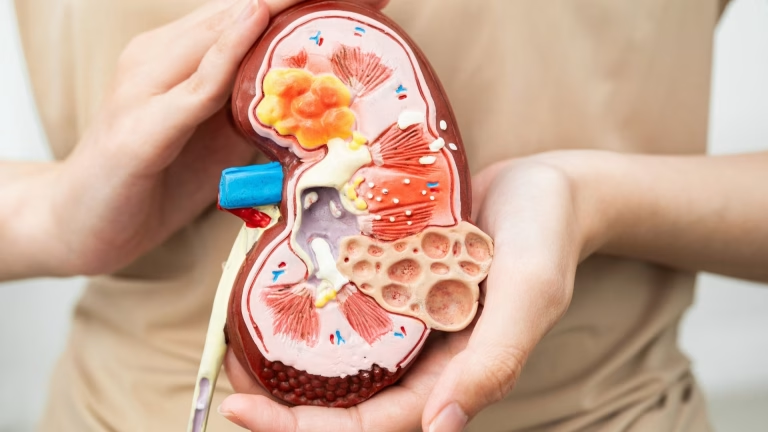
Your kidneys work around the clock, filtering roughly 150 quarts of blood every single day. They remove toxins, balance fluids, regulate blood pressure, and keep your body functioning at its best. But what happens when you add alcohol to this equation? The relationship between alcohol and kidney disease is more nuanced than most people realize. Whether you enjoy an occasional glass of wine or you are concerned about heavier drinking habits, you need to know how alcohol affects your renal health.
This guide breaks down the science, the risks, and the practical steps you can take to protect your kidneys while still enjoying life. From binge drinking dangers to chronic alcohol consumption, from blood pressure concerns to medication interactions, you will find the answers you need to make informed decisions about your kidney health. We’ll also discuss alcohol addiction and the proven ways that people overcome alcohol use disorder every year.
Quick Takeaways
- Your kidneys filter harmful substances from your blood, including alcohol, and excessive alcohol consumption forces them to work overtime while impairing their ability to regulate bodily fluids and blood pressure.
- Heavy drinking on a regular basis doubles your risk of developing chronic kidney disease, while binge drinking can trigger acute kidney injury that may require emergency dialysis.
- Alcohol raises blood pressure, and high blood pressure is one of the leading causes of kidney damage worldwide, creating a dangerous cycle that can accelerate kidney dysfunction.
- If you already have kidney disease, you may still be able to drink occasionally, but you must consider medication interactions, fluid restrictions, and your individual health circumstances.
- The kidneys can often recover from alcohol-induced damage with abstinence, though severe or prolonged abuse may cause permanent harm to kidney function.
How Your Kidneys Process Alcohol

Your kidneys are remarkable organs that perform dozens of critical functions beyond simple waste removal. They regulate bodily fluids, control blood pressure, produce hormones that stimulate red blood cell production, and maintain the delicate balance of electrolytes your body needs. When you drink alcohol, your kidneys must filter this toxin while simultaneously trying to maintain all their other essential functions.
Alcohol can cause changes in the function of the kidneys and make them less able to filter your blood. This happens because alcohol suppresses the release of vasopressin, an antidiuretic hormone that normally tells your kidneys to conserve water. Without adequate vasopressin, your kidneys produce more urine than usual, leading to dehydration that strains these vital organs.
What Counts as One Standard Drink?
One standard drink contains about 14 grams of pure alcohol. This equals roughly 12 ounces of regular beer (5% alcohol), 5 ounces of wine (12%), or 1.5 ounces of distilled spirits like vodka or whiskey (40%). Standard drinks help compare alcohol intake across different beverage types and sizes.
The Dehydration Connection
When alcohol affects your kidneys, dehydration becomes your immediate enemy. Alcohol acts as a diuretic, increasing urine output and disrupting your body’s fluid balance. Your kidneys rely on proper hydration to function efficiently. When you become dehydrated from drinking, your kidneys struggle to maintain the right balance of water and electrolytes in your blood.
This dehydration creates a ripple effect throughout your body. Your blood becomes more concentrated, making it harder for your kidneys to filter waste products. The cells and tissues in your kidneys themselves can become damaged from a lack of adequate fluid. Over time, repeated episodes of alcohol induced dehydration can weaken your kidneys’ filtering capacity.
Binge Drinking and Acute Kidney Injury

Binge drinking poses one of the most immediate threats to your kidney health. Binge drinking, usually more than four to five drinks within two hours, can raise a person’s blood alcohol to dangerous levels and cause a sudden drop in kidney function known as acute kidney injury. This condition occurs when your kidneys cannot keep up with the toxic load from rapid alcohol consumption.
What is Acute Kidney Injury?
Acute Kidney Injury (AKI) is a sudden decline in kidney function occurring over hours or days. Kidneys fail to filter waste and balance fluids properly, causing toxin buildup and electrolyte imbalances. Causes include dehydration, infections, medications, or blockages. AKI requires immediate medical attention and is often reversible with prompt treatment.
Signs of acute kidney injury after drinking include:
- Decreased urine output or very dark urine
- Swelling in your legs, ankles, or feet
- Severe flank pain or lower back pain
- Fatigue, confusion, or nausea
- Shortness of breath from fluid buildup
When Dialysis Becomes Necessary
In the most severe cases of alcohol induced acute kidney injury, your kidneys may temporarily deteriorate in function. Some cases require multiple sessions of hemodialysis to restore the performance that was lost. Dialysis takes over the filtering work of your kidneys, removing waste products and excess fluid from your blood until your kidneys can recover.
The good news is that acute kidney injury usually resolves with time and proper medical care. However, repeated episodes can accumulate damage. Each time your kidneys experience this kind of stress, you risk permanent harm to their filtering capacity.
Chronic Alcohol Consumption and Kidney Disease

While binge drinking creates acute dangers, chronic drinking builds up damage over time. Heavy drinking on a regular basis has been found to double the risk for kidney disease. Heavy drinking means consuming more than three drinks daily or eight weekly for women, and more than four drinks daily or fifteen weekly for men.
Prolonged alcohol abuse leads to several types of kidney damage.
- Alcoholic nephropathy refers to kidney damage specifically related to chronic alcohol consumption, involving a combination of toxic effects, dehydration, and electrolyte imbalances.
- Your kidneys’ structure actually changes with years of heavy drinking, as kidney cells enlarge and the glomerular basement membrane thickens.
- Heavy alcohol use is associated with kidney harm largely through blood pressure, dehydration, and liver disease; evidence on direct, alcohol-only kidney structural injury is mixed
How Chronic Drinking Damages Kidneys
Your renal tubules, the tiny structures within your kidneys that process filtered blood, become inflamed and scarred from repeated alcohol exposure. This impairs kidney function gradually, often without obvious symptoms until significant damage has occurred. By the time you notice problems, you may have already lost substantial kidney function.
Alcohol Consumption Levels and Kidney Risk
Moderate consumption, defined as up to 1 drink daily for women and 2 for men, is generally safe for healthy kidneys. Heavy consumption, meaning more than 8 drinks weekly for women and 15 for men, doubles kidney disease risk. Binge drinking, which involves 4 or more drinks within 2 hours, can trigger acute kidney injury. Chronic heavy drinking sustained over months or years may cause permanent damage.
The Blood Pressure and Kidney Connection
One of the most dangerous ways alcohol affects your kidneys operates through blood pressure regulation. Research shows that just two standard drinks daily significantly raises systolic blood pressure, and this effect becomes more pronounced with higher consumption. High blood pressure ranks among the leading causes of chronic kidney disease worldwide.
More than two drinks a day can increase your chance of having high blood pressure, and high blood pressure is a common cause of kidney disease. Your kidneys contain delicate blood vessels that filter your blood. When blood pressure runs high, these vessels become damaged, reducing the kidneys’ ability to filter waste and regulate blood pressure, creating a dangerous cycle.
Breaking the Cycle
The relationship between alcohol, blood pressure, and kidney damage creates a feedback loop. Alcohol raises your blood pressure. High blood pressure damages your kidneys. Damaged kidneys become less effective at regulating blood pressure. This makes your blood pressure even harder to control, accelerating further kidney damage.
Breaking this cycle requires addressing both alcohol consumption and blood pressure management. If you already take medication for high blood pressure, be aware that alcohol interacts with many of these medications, potentially making them less effective or intensifying their side effects.
Alcohol and Liver Kidney Interactions
Your liver and kidneys work as partners in filtering harmful substances from your body. Chronic drinking can cause liver disease, which adds to the kidneys’ job. Liver disease impairs the important balancing act of blood flow to your kidneys. When your liver becomes damaged from alcohol, your kidneys must compensate, often leading to kidney dysfunction.
In fact, according to the National Kidney Foundation, most patients in the United States who have both liver disease and associated kidney dysfunction are alcohol dependent. Conditions like alcoholic hepatitis and cirrhosis can become so severe that they cause the kidneys to temporarily stop functioning or fail completely.
This liver-kidney connection explains why alcohol abuse often leads to multiple organ problems simultaneously. The damage compounds, with each struggling organ placing additional burden on the others. End-stage renal disease becomes much more likely when liver disease is also present.
Recognizing Hepatorenal Syndrome
Hepatorenal syndrome represents one of the most serious complications of combined liver and kidney damage from alcohol. This condition occurs when severe liver disease leads to kidney failure without any structural kidney disease. The kidneys essentially shut down because the liver can no longer maintain proper blood flow and chemical signals.
Symptoms include:
- Rapidly worsening kidney function
- Decreased urine output
- Fluid accumulation in the abdomen.
Without treatment, hepatorenal syndrome can be fatal. The best prevention involves moderating alcohol intake before liver damage becomes severe.
Living with Kidney Disease and Alcohol
If you have already been diagnosed with chronic kidney disease, you may wonder whether you can ever drink alcohol safely again. The answer depends on your individual circumstances. Based on the most recent scientific evidence, if you stick to one standard alcohol drink each day, you do not increase your risk of making kidney disease worse or needing dialysis. Also, some people with CKD may be able to drink occasionally, but safety depends on CKD stage, blood pressure/diabetes control, medications, and fluid/electrolyte restrictions. Check with your care team.
Precautions for Chronic Kidney Disease Patients
Alcohol interacts with many medications commonly used for kidney disease, diabetes, heart disease, and blood pressure. If you have fluid restrictions, alcohol counts toward your daily fluid intake. Alcohol can affect blood sugar levels, which matters greatly if you have diabetes and kidney disease. Dialysis patients may need to limit alcoholic beverages based on potassium and phosphorus content. Always consult your nephrologist or renal dietitian before drinking.
Medications That Interact with Alcohol in Kidney Patients
Blood pressure medications carry a high interaction risk and can cause increased dizziness, falls, and blood pressure changes, so you should avoid or severely limit alcohol.
- Diabetes medications also have a high interaction risk and may cause blood sugar drops, especially on an empty stomach, meaning you should never drink without food.
- Pain relievers like acetaminophen carry a severe interaction risk for liver damage and kidney stress, so avoid combining them.
- Anticoagulants have a moderate interaction risk with increased bleeding potential, requiring limited consumption and monitoring.
- Immunosuppressants have a moderate interaction risk with altered drug effectiveness, requiring consultation with your transplant team.
Kidney Disease and Drinking Alcohol: Can Your Kidneys Recover from Alcohol Damage?
Perhaps the most hopeful news in this guide is that your kidneys possess a remarkable healing capacity. According to the National Kidney Foundation, kidney-related problems caused by alcohol can improve during abstinence, as long as the damage hasn’t already caused chronic kidney disease. Acute kidney injury might also require dialysis to return functions to normal. This means that stopping drinking can allow your kidneys to repair much of the damage caused by heavy alcohol use.
When no other underlying conditions are present, kidney function can be restored from excessive alcohol use. If you refrain from drinking, the kidneys can return to normal function. However, this recovery depends on several factors. If you are worried about kidney disease and drinking alcohol, these are some of the key concerns:
- Accelerates kidney function decline and damage
- Increases blood pressure, worsening kidney stress
- Causes dehydration, forcing kidneys to work harder Interferes with medications for kidney disease
- Elevates risk of acute kidney injury
- Disrupts electrolyte balance (potassium, sodium)
- Impairs liver function, compounding kidney problems
- Worsens protein loss in urine Consult your doctor about safe alcohol limits
Factors Affecting Kidney Recovery
How long you engaged in heavy alcohol use, whether other health conditions like diabetes or hypertension are present, the type and severity of kidney damage sustained, whether liver or heart damage has also occurred, and your commitment to complete abstinence during recovery all influence your kidneys’ ability to heal.
When Damage Becomes Permanent
While mild to moderate damage often reverses with abstinence, chronic and severe kidney damage from long-term alcohol abuse may not be fully reversible. Once kidney tissue becomes scarred, that scarring tends to be permanent. The goal then shifts from reversal to preventing further deterioration and preserving remaining kidney function.
If you have developed chronic kidney disease from alcohol, quitting drinking remains essential. Even when complete recovery is not possible, abstinence can slow the progression of kidney disease and prevent the advancement to kidney failure or end-stage renal disease.
Blood Sugar, Alcohol, and Kidney Health
Diabetes ranks among the leading causes of kidney disease, and alcohol complicates this relationship significantly. For those with diabetes and CKD, alcohol may be safe to drink if you have your blood sugar level under control. However, alcohol on an empty stomach can cause blood sugar levels to drop dangerously in people with diabetes.
Managing blood sugar becomes more difficult when you drink. Alcohol initially raises blood sugar levels, then causes them to drop later. These fluctuations stress your kidneys, which must work harder to filter blood with unstable glucose levels. Over time, poorly controlled blood sugar damages the tiny blood vessels in your kidneys.
If you have diabetes and kidney disease, never drink on an empty stomach. Consider that mixed drinks often contain added sugars and carbohydrates that must be factored into your meal plan. Work closely with your healthcare team to understand how much alcohol, if any, fits safely into your diabetes management plan.
The Triple Threat
When high blood pressure, diabetes, and alcohol abuse combine, they create a triple threat to your kidney health. Each condition independently increases kidney disease risk, but together they accelerate damage exponentially. If you have any two of these risk factors, addressing alcohol consumption becomes even more critical for protecting your kidney function.
Preventing Alcohol Related Kidney Disease
Prevention offers the best approach to protecting your kidneys from alcohol related damage. If you currently drink, knowing safe limits and warning signs helps you make informed decisions about your health.
Strategies for Protecting Your Kidneys
Stay within moderate drinking guidelines, which means no more than one drink daily for women and two for men. Avoid binge drinking patterns that overwhelm your kidneys’ filtering capacity. Stay hydrated by drinking water alongside alcoholic beverages. Monitor your blood pressure regularly, especially if you drink regularly. Get regular kidney function tests if you have risk factors for kidney disease. Never mix alcohol with medications without consulting your healthcare provider.
Recognizing When You Need Help
If you find yourself unable to control your alcohol consumption or if drinking is affecting your health, seeking help represents a sign of strength, not weakness. Alcohol use disorder is a medical condition that responds well to treatment.
Professional treatment programs offer medically supervised detox that protects your health during withdrawal. Evidence-based therapies address the underlying factors driving alcohol use while teaching healthier coping strategies. Support groups provide ongoing community and accountability.
Treating Alcohol Addiction

Alcohol use disorder is a chronic condition that affects millions of people worldwide, but effective treatments exist that can help individuals achieve and maintain recovery. Treatment approaches typically combine medical interventions with behavioral therapies, tailored to each person’s unique circumstances and needs.
Medical Detoxification for Alcohol Abuse
For individuals with physical dependence, medically supervised detoxification is often the first step. Alcohol withdrawal can be dangerous and even life-threatening, producing symptoms ranging from anxiety and tremors to seizures and delirium tremens. Medical detox provides:
- 24-hour monitoring and support
- Medications like benzodiazepines to manage withdrawal symptoms safely
- Assessment of overall health and any co-occurring conditions
- A stable foundation for ongoing treatment
Behavioral Therapies
Psychological interventions form the backbone of addiction treatment, helping people understand their relationship with alcohol and develop healthier coping strategies. The most effective approaches include cognitive-behavioral therapy, which helps identify and change thought patterns that lead to drinking; motivational interviewing, which strengthens a person’s own motivation for change; and contingency management, which provides tangible rewards for maintaining sobriety.
Medication-Assisted Treatment to Ease Alcohol Use
Several FDA-approved medications can support recovery:
- Naltrexone: Reduces cravings and blocks alcohol’s pleasurable effects
- Acamprosate: Helps restore brain chemistry disrupted by chronic drinking
- Disulfiram: Creates unpleasant reactions when alcohol is consumed, serving as a deterrent
Support Systems and Aftercare
Long-term recovery depends heavily on ongoing support. Mutual aid groups like Alcoholics Anonymous provide community and accountability, while sober living environments offer structured transitional housing. Family therapy can repair relationships and create a supportive home environment.
Recovery is rarely linear, and relapse should be viewed as a signal to adjust treatment rather than as failure. With comprehensive care and sustained support, many people achieve lasting sobriety and rebuild fulfilling lives.
FAQs About Alcohol and Kidney Disease
How quickly can alcohol damage your kidneys?
Alcohol can cause kidney damage within hours during binge drinking episodes, potentially triggering acute kidney injury that requires emergency treatment. Chronic damage develops more gradually over months or years of heavy drinking. Your kidneys filter blood continuously, so they encounter every drop of alcohol you consume. Even moderate drinking raises blood pressure immediately, contributing to kidney strain over time.
Does alcohol cause kidney stones?
While alcohol does not directly cause While alcohol does not directly cause kidney stones, the dehydration from drinking can contribute to stone formation by concentrating urine and increasing certain substances that form stones. Chronic alcohol consumption can also affect calcium metabolism, potentially increasing stone risk. If you are prone to kidney stones, staying well hydrated becomes especially important when consuming alcohol.
What are the first warning signs of kidney damage from alcohol?
Early signs of kidney damage include changes in urination patterns, such as increased frequency or decreased output, along with swelling in the legs or ankles, fatigue, and flank pain after drinking. High blood pressure and blood in the urine also indicate potential kidney problems. Many people experience no symptoms until significant damage has occurred, making regular checkups important for early detection.
Taking Control: Your Kidneys, Your Health, Your Future
The relationship between alcohol and kidney disease requires your attention, but it does not have to control your life. Armed with knowledge about how alcohol affects your kidneys, the dangers of binge drinking and chronic consumption, and the connections between blood pressure, liver health, and renal function, you can make choices that protect your long term health.
Whether you choose moderation or abstinence, your kidneys will thank you for every conscious decision you make. If you are struggling with alcohol use or experiencing symptoms of kidney damage, Radix Recovery provides medically supervised detox and evidence-based treatment that addresses addiction at its root. Your kidneys can heal, and so can you. Contact us to start overcoming the urge to drink that has destroyed so many lives.