Finishing drug rehab marks a major milestone, but it’s just the beginning of your recovery journey. An opioid addiction aftercare plan serves as your personalized roadmap for navigating life after treatment centers, helping you maintain sobriety and rebuild your life from the root up. Without structured ongoing support, individuals face significantly higher relapse risks during the vulnerable transition period. This article explores why aftercare planning is critical, what components create effective long-term recovery, and how comprehensive follow-up services from treatment options like Radix Recovery can make the difference between temporary sobriety and lasting healing.
Quick Takeaways
- Aftercare bridges the gap between structured treatment and independent living, reducing relapse risk during vulnerable transition periods
- Comprehensive plans include continued therapy, support groups, medication-assisted treatment, and community connection
- Long-term addiction treatment centers provide a full continuum of services that address both substance use disorder and mental health conditions
The Foundation of an Opioid Addiction Aftercare Plan

Completing residential treatment represents tremendous progress, yet the real test begins when you return home. An opioid addiction aftercare plan creates structure during this critical transition, providing the accountability and resources you need to stay sober. Drug and alcohol addiction rewires brain chemistry, making the 90 days particularly vulnerable to triggers and cravings. Aftercare addresses these challenges through evidence-based interventions tailored to your recovery journey.
Many programs focus exclusively on initial stabilization, but lasting change requires addressing the underlying patterns that contributed to substance abuse. Quality aftercare connects you with outpatient services, mental health care, and peer support that reinforce skills learned during inpatient treatment. This continuity prevents the gaps in care that often lead individuals back to substance use.
What is Aftercare in Addiction Recovery?
Aftercare planning in addiction recovery is the ongoing support and treatment following initial rehabilitation. It includes counseling, support groups, therapy sessions, and relapse prevention strategies designed to help individuals maintain sobriety long-term. Aftercare provides accountability, coping skills, and continued guidance as people transition back to daily life and navigate recovery challenges.
Aftercare Benefits
| Service Type | Frequency | Primary Benefit |
|---|---|---|
| Outpatient Therapy | 2-3x weekly initially | Continued clinical support and skill development |
| Support Groups | 3-5x weekly | Peer accountability and shared experience |
| Family Counseling | 1-2x monthly | Relationship repair and family education |
| Case Management | Ongoing | Resource connection and progress monitoring |
Why Treatment Centers Emphasize Continued Care
Treatment centers like ours at Radix Recovery understand that addiction treatment doesn’t end at discharge. Drug rehabilitation research has found that treatment duration has a positive association with improvement in drug use. The programs focus on developing sustainable coping strategies, identifying personal triggers, and building a supportive environment that promotes well-being.
Outpatient programs provide flexibility for individuals balancing recovery with work, family responsibilities, and other commitments. You’ll attend counseling sessions several times a week, gradually reducing the frequency as you demonstrate progress. This step-down approach allows your clinical team to monitor your adjustment and intervene if warning signs emerge.
The Role of Mental Health in Sustained Recovery
Substance use disorder rarely just happens on its own. Mental health disorders, including depression, anxiety, and trauma, frequently co-occur with opioid addiction, requiring integrated treatment approaches. Alcohol rehab and drug rehabilitation that address only the substance use leave underlying conditions untreated, significantly increasing relapse risk.
Mental health services within aftercare plans help you understand the connection between emotional states and substance use patterns. Through individual therapy and group therapy, you’ll develop healthier coping mechanisms for managing difficult emotions without turning to opioids. This dual-diagnosis approach, combined with medication-assisted treatment (MAT) when appropriate, provides comprehensive support for your physical and psychological healing.
The Importance of Aftercare in Addiction Recovery

Isolation fuels addiction, while in turn, connection fosters recovery. Family counseling and family therapy repair relationships damaged during active addiction, helping your loved one understand addiction as a disease rather than a moral failing. These family services educate those closest to you about supporting your recovery without enabling destructive patterns.
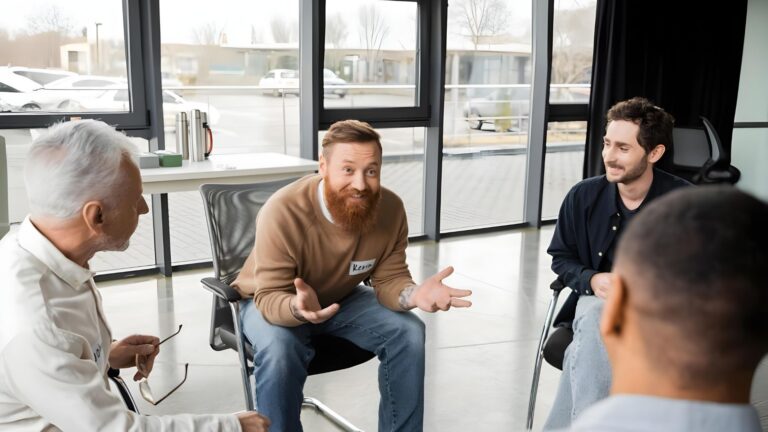
Group therapy and community support groups connect you with others who understand your struggles firsthand. Sharing experiences, celebrating milestones, and receiving encouragement from peers creates accountability and reduces the shame many individuals feel. Your recovery community becomes a vital resource during challenging moments when cravings intensify or life stressors threaten your progress.
Customizing Your Aftercare Approach
Effective aftercare plans vary based on your unique circumstances, treatment history, and support system. Your admissions team works with you before discharge to develop a comprehensive strategy addressing your specific needs. These factors will impact the design of your aftercare plan:
- Employment status
- Housing stability
- Co-occurring mental health conditions
- Family support
Some individuals benefit from sober living environments that provide structure while allowing greater independence than residential facilities. Others transition directly home with intensive outpatient support. The key is an honest assessment of your readiness and commitment to implementing your clinical team’s recommendations.
How Do I Make an Aftercare Plan After Addiction Treatment?
Creating an aftercare plan involves identifying your relapse triggers, scheduling ongoing therapy or counseling sessions, joining support groups like AA or NA, establishing a sober support network, and setting recovery goals. Work with your treatment team to outline specific steps, including medication management if needed, healthy lifestyle changes, and regular check-ins. Customize your plan to address your unique needs and circumstances.
Accessing Resources and Insurance Coverage
Cost concerns shouldn’t prevent you from accessing vital aftercare services. Many insurance plans cover outpatient programs, counseling, and medication-assisted treatment at rates comparable to other medical care. The admissions team at our Radix Recovery facility can verify your insurance coverage and explain the financial options available to you.
FAQs About Your Opioid Addiction Aftercare Plan
What is aftercare in addiction treatment?
Aftercare in addiction treatment includes ongoing support services following primary treatment completion. This encompasses outpatient therapy, support group participation, sober living arrangements, medication management, and regular check-ins with counselors. Quality aftercare programs provide relapse prevention strategies, mental health services, family counseling, and community connections.
What is the longest you can stay in rehab?
While standard residential rehab programs last 30 to 90 days, some facilities offer extended care lasting six months to a year or longer. Long-term residential treatment suits individuals with severe addiction, multiple relapses, or complex co-occurring disorders. There’s no fixed maximum stay, treatment duration depends on individual progress, insurance coverage, and clinical recommendations.
What’s considered long-term rehab?
Long-term rehab typically refers to residential treatment programs lasting 90 days or longer, often extending six months to a year. These extended programs provide intensive therapeutic intervention, skill development, and sustained support for individuals with severe addiction or previous treatment failures. Long-term rehab allows deeper work on underlying trauma, behavior patterns, and life rebuilding.
Building Your Aftercare Plan for Long-Term Opioid Recovery
Your opioid addiction aftercare plan represents the critical bridge between treatment and lasting recovery. By connecting you with outpatient services, mental health care, family counseling, and a supportive recovery community, comprehensive aftercare addresses the complex needs of individuals completing rehabilitation. Radix Recovery provides the full continuum of addiction services, from medically supervised detox through long-term outpatient support, ensuring you’re never alone in your recovery journey. If you or a loved one needs help developing a personalized aftercare strategy, contact our compassionate admissions team today to learn how we can support your path to lasting healing.