Quitting Xanax after extended use isn’t as simple as just stopping the medication. Xanax withdrawal symptoms can range from uncomfortable to potentially dangerous, making medical supervision essential for safety. Whether you’ve been taking Xanax for panic disorder or anxiety management, knowing what happens when you discontinue Xanax helps you prepare for the withdrawal process ahead. This article walks you through the timeline of withdrawal, why symptoms occur, and why medical detoxification offers the safest path forward for anyone dealing with Xanax dependence.
Quick Takeaways
- Xanax withdrawal symptoms typically begin 6-12 hours after the last dose due to its short half-life
- Physical and psychological symptoms can persist for weeks, with some experiencing post-acute withdrawal syndrome for months
- Stopping Xanax cold turkey significantly increases the risk of severe complications, including seizures
- Medical supervision during detox ensures appropriate medications manage withdrawal severity safely
- Treatment programs provide comprehensive care addressing both physical dependence and underlying mental health disorders
Xanax Addiction and Physical Dependence

Xanax, known generically as alprazolam, belongs to a class of medications called benzodiazepines. As a potent benzodiazepine, it works by enhancing GABA activity in the central nervous system, producing calming effects that help manage anxiety and panic attacks. However, when taken regularly over extended periods, your body begins adapting to the drug’s presence, developing physiological dependence.
Physical dependence differs from Xanax addiction, though they often overlap. Dependence means your body has adjusted its chemistry to function with the drug present. This happens even when taking Xanax exactly as prescribed by a healthcare provider. Someone with an addiction will misuse Xanax, even while knowing the negative consequences, with the loss of control being a key differentiator for those suffering from addiction. According to the National Institutes of Health, over 5 million adults misuse their benzodiazepine prescription every year.
The Xanax Withdrawal Timeline
Xanax withdrawal symptoms unfold in distinct phases, each presenting unique challenges as the body adjusts to functioning without the drug’s sedating effects.
Initial Phase (6-12 Hours)
The withdrawal experience begins remarkably quickly with short-acting benzodiazepines like Xanax. Within hours of your last dose, you may notice rebound anxiety, restlessness, and difficulty sleeping. This rapid onset occurs because Xanax has a short half-life compared to longer-acting benzodiazepine alternatives.
Acute Phase (1-4 Days)
The acute withdrawal symptoms intensify during this period. Common symptoms include:
- Increased heart rate
- Sweating
- Tremors
- Muscle aches
You might also experience heightened sensitivity to light and sound. Psychological symptoms such as irritability, difficulty concentrating, and mood swings become prominent. Severe symptoms can include hallucinations and, in rare cases, life-threatening seizures.
Peak Withdrawal (Days 5-14)
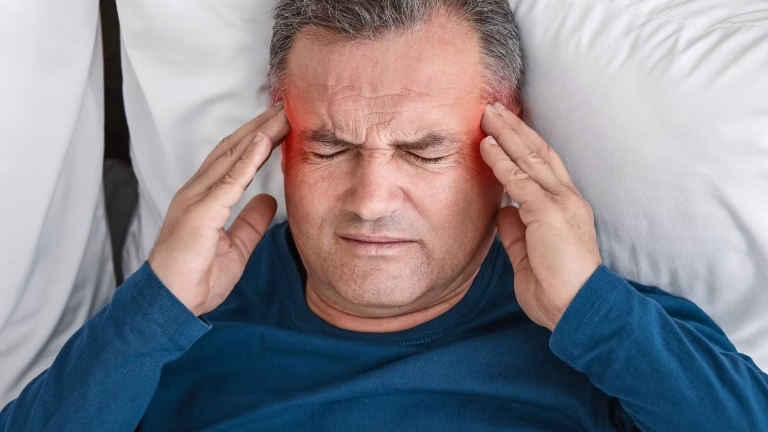
Withdrawal severity typically peaks during the second week. Physical withdrawal symptoms like muscle pain, headaches, and digestive issues continue alongside intense psychological distress. Many people experiencing withdrawal symptoms report feeling like they have the flu combined with severe anxiety. This phase requires close monitoring by healthcare professionals, especially for those who were taking Xanax at higher doses.
Protracted Symptoms (Weeks to Months)
Post-acute withdrawal syndrome (PAWS) affects some individuals for months after discontinuing Xanax. These lingering effects include anxiety, depression, insomnia, and cognitive difficulties. While less intense than acute withdrawal symptoms, these persistent symptoms significantly impact quality of life and increase relapse risk without proper substance abuse treatment.
Common Xanax Detox Symptoms
Detoxing from Xanax triggers a range of uncomfortable physical and psychological symptoms, reflecting the body’s dependence on this powerful benzodiazepine medication.
Physical Symptoms:
- Tremors and muscle tension
- Headaches and dizziness
- Nausea and digestive problems
- Increased heart rate and blood pressure
- Sweating and temperature sensitivity
Psychological Symptoms:
- Severe anxiety and panic attacks
- Depression and mood instability
- Irritability and agitation
- Difficulty concentrating
- Sleep disturbances and nightmares
Why Medical Detoxification Matters
Attempting to quit Xanax without medical professional oversight poses potentially dangerous risks. Benzodiazepine withdrawal ranks among the few drug withdrawals that can be life-threatening. Medical detoxification provides around-the-clock monitoring by healthcare professionals who can intervene if severe complications arise.
This level of medical supervision enables symptom management with appropriate medications. Healthcare providers may prescribe longer-acting benzodiazepines to taper you down gradually, reducing withdrawal effects while preventing seizures. This controlled approach makes the treatment process safer and more comfortable than stopping Xanax cold turkey.
Many people will develop Xanax dependence while managing underlying conditions like panic disorder. Comprehensive addiction treatment programs address both the substance use disorder and co-occurring mental health challenges.
Factors Affecting Withdrawal Severity

How long does Xanax withdrawal last? The answer varies based on several factors. Withdrawal depends on your dosage, duration of Xanax use, and individual physiology. Someone taking high doses daily for years will typically experience more severe and prolonged withdrawal than someone who used lower doses short-term.
Your overall health status influences the withdrawal process.
- People with existing mental disorders or other substance abuse issues often face complicated withdrawals.
- Age, metabolism, and whether you combined Xanax with other substances also affect your withdrawal experience.
- Your insurance carrier and insurance provider can help determine coverage for appropriate treatment programs tailored to your situation.
The Dangers of Quitting Cold Turkey
Stopping any commonly prescribed benzodiazepine abruptly creates an increased risk of medical emergencies. Your central nervous system, which adapted to the drug’s depressant effects, suddenly faces unopposed excitation. This neurological shock can trigger seizures, even in people without a seizure history.
Beyond seizure risk, the intensity of symptoms when quitting cold turkey often proves unbearable. Severe anxiety, panic attacks, and physical discomfort drive many people back to taking Xanax just to find relief. This cycle of stopping and restarting actually complicates future withdrawal attempts and deepens addiction patterns.
Finding Appropriate Treatment
Professional substance abuse treatment provides the structure and medical expertise needed for safely overcoming Xanax withdrawal symptoms. Treatment programs vary from medical detoxification to outpatient management, depending on withdrawal severity and individual circumstances. A medical professional assesses your situation to develop a personalized treatment plan.
Contact your healthcare provider or insurance provider to explore covered addiction treatment programs. Many facilities specialize in benzodiazepine withdrawal and understand the unique challenges of managing these symptoms. Don’t let concerns about cost prevent you from seeking help; a few days of professional care can prevent weeks of dangerous struggling alone.
Xanax Withdrawal Symptoms FAQs (Frequently Asked Questions)
What are the withdrawal symptoms of benzodiazepines?
Withdrawal symptoms include severe anxiety, panic attacks, tremors, sweating, and insomnia. Physical symptoms involve muscle pain, headaches, nausea, and heart palpitations. Serious complications include seizures, hallucinations, and delirium. Psychological effects encompass depression, depersonalization, and heightened sensory sensitivity. Symptoms can be life-threatening, requiring medical supervision during discontinuation.
When does benzo withdrawal peak?
Short-acting benzodiazepines like Xanax typically peak within 1-4 days after stopping. Longer-acting benzos like Valium may peak around 1-2 weeks. Peak severity varies significantly based on dosage, duration of use, and individual factors. Acute symptoms generally last 2-4 weeks, though protracted withdrawal can persist for months.
What’s the hardest day of withdrawal?
This varies individually, but many report days 3-7 as most challenging for short-acting benzos. Peak physical symptoms, intense anxiety, insomnia, and psychological distress converge during this period. Some experience the worst symptoms slightly earlier or later. Medical supervision is crucial, as seizure risk is highest during peak withdrawal days.
Begin Treatment With Safe, On-Site Detox
Recovery starts with the right foundation. At Radix Recovery, our medically-supervised detox transitions seamlessly into structured inpatient and outpatient treatment. We address addiction at its source with evidence-based care and a supportive recovery community. Contact us today to learn how we can help you or your loved one start the journey to lasting recovery.