Getting through opioid detox is a massive achievement, but the real work of recovery starts afterward. You might feel relieved that some of the pressing withdrawal symptoms have passed, yet also vulnerable and uncertain about what comes next. Preventing a relapse after opioid withdrawal requires a comprehensive approach that addresses not just the physical aspects of opioid addiction, but also the psychological, social, and lifestyle factors that contribute to opioid use disorder. This article will walk you through evidence-based strategies, medications for opioid use disorder treatment, and tools help you build a sustainable recovery and avoid returning to drug use.
Preventing a Relapse: Key Points
- Medication-assisted treatment with methadone, buprenorphine, or naltrexone reduces relapse risk significantly for opioid use disorder
- The first 90 days after detox present the highest risk for relapse, requiring intensive support and professional monitoring
- People may require 12-18 months, sometimes even longer, of active treatment for opioid use disorder to achieve stable recovery
- Both outpatient and inpatient settings can effectively support post-detox care when matched to individual needs
Opioid Addiction: Understanding Opioid Use Disorder (OUD) After Detox

Opioid use disorder is a chronic medical condition that affects brain chemistry in ways that persist long after you stop taking opioids. When you complete detox, your body has cleared the drugs, but your brain needs considerably more time to heal. The reward pathways in your brain that became dependent on opioids to function normally take months to recalibrate. This is why detox alone rarely leads to lasting recovery.
According to the National Institutes of Health, relapse rates for opioid addiction can be as high as 65 to 70% within the first 90 days. Most people who undergo detox will relapse at least once. Understanding that opioid use disorder requires ongoing treatment, not just initial detox, helps set realistic expectations for your recovery process.
Your brain learned to associate opioids with relief from physical or emotional pain, with feeling normal, or with social situations. These learned associations don’t just become unlearned when withdrawal symptoms end. Triggers can activate intense cravings months or even years later. That’s not a personal failing; it’s how substance use disorder works at the neurological level.
Post-Detox Relapse Risk After Withdrawal from Opiates
| Weeks 1-4 | Months 2-3 | Months 4-12 | Year 2+ |
| Significantly High Risk | High Risk | Moderate Risk | Stable Maintenance/Lowered Risk |
| Physical recovery, sleep issues | Psychological adjustment | Building new routines | Long-term maintenance |
| Managing intense cravings | Combating life stressors | Testing recovery skills | Remaining vigilant for complacency risks |
Medications for Opioid Use Disorder Treatment

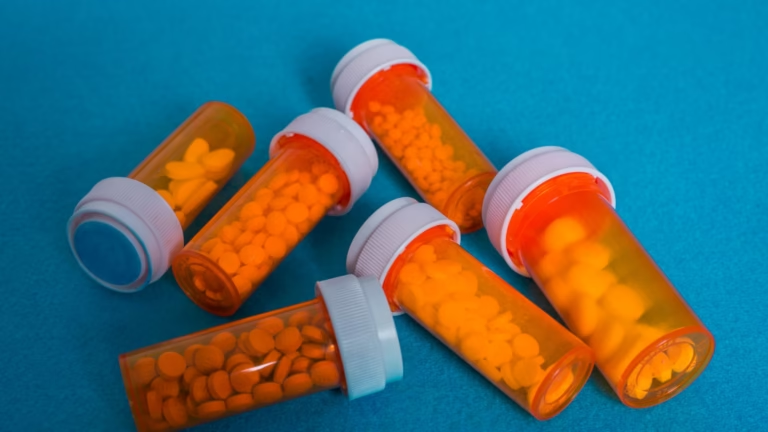
Three medications approved by the FDA form the backbone of effective treatment for opioid use disorder: methadone, buprenorphine, and naltrexone. These medications work through different mechanisms, but all help normalize brain chemistry, reduce cravings, and block the euphoric effects of other opioids.
- Methadone is a long-acting opioid agonist taken daily at specialized clinics. It prevents withdrawal symptoms and reduces cravings without producing a high when taken as prescribed.
- Buprenorphine, often combined with naloxone in medications like Suboxone, partially activates opioid receptors and can be prescribed in a doctor’s office for home use.
- Naltrexone blocks opioid receptors entirely, preventing any effect if you take opioids, but it requires complete detox first.
Research shows that medication-assisted treatment significantly improves treatment retention and substance abuse compared to limited medication application or abstinence interventions alone. Your treatment provider can help determine which medication best fits your situation, considering factors like the severity of opioid dependence, other medical conditions, and daily life circumstances.
Preventing a Relapse by Building Your Continuing Treatment Plan
It’s important to note that a comprehensive plan to treat opioids extends far beyond medications. Effective treatment combines medication with counseling, behavioral therapy, peer support, and addressing co-occurring issues like chronic pain or mental health disorders. Your plan should outline specific treatment goals, identify potential obstacles, and include strategies for managing high-risk situations.
Consider working with an addiction treatment specialist who can coordinate different aspects of care. This might include individual therapy to address underlying trauma or depression, group counseling to learn from others’ experiences, family therapy to repair relationships damaged by addiction, and medical monitoring of any medications. Your treatment plan should be flexible enough to adjust as your needs change during recovery.
Recognizing and Managing Withdrawal Symptoms
While acute withdrawal symptoms typically resolve within 7-10 days for most opioids, many people experience withdrawal symptoms, known as post-acute withdrawal syndrome, that can last weeks or months. These lingering symptoms include
- Trouble sleeping
- Mood swings
- Low energy
- Difficulty concentrating
- Occasional cravings
If you experience symptoms of withdrawal from opiates after your last dose, even weeks later, don’t try to tough it out alone. Contact your healthcare provider immediately. They can adjust medications, add symptom-specific treatments like sleep aids or anti-anxiety medications, or recommend increased therapy sessions. Managing these uncomfortable feelings appropriately reduces the risk that you’ll turn back to opioids for relief. Severe withdrawal symptoms greatly increase your chance of returning to opioid use and are best confronted in a professional setting.
Outpatient Setting Versus Inpatient Setting for Continuing Treatment
Post-detox care happens in various settings depending on your needs and resources.
- An outpatient setting allows you to live at home while attending regular treatment sessions, maintaining work and family responsibilities. This works well if you have stable housing, supportive family members, and strong motivation.
- An inpatient setting provides 24-hour supervision in a controlled environment, removing access to drugs and alcohol while you build recovery skills. This intensive approach suits people with severe addiction, co-occurring disorders, or unstable living situations.
Many people benefit from a stepped approach: starting in an inpatient setting for 30-90 days, then transitioning to intensive outpatient programs, and eventually to ongoing outpatient support. The key is matching treatment intensity to your current needs and adjusting as you progress.
Managing Chronic Pain Without Opioids
If you originally started taking opioids for chronic pain or severe pain, you face unique challenges in recovery. The pain that led to prescription opioids hasn’t disappeared, yet returning to opioid use puts you at high risk for relapse and opioid overdose. Working with pain management specialists who understand addiction is crucial, and non-opioid solutions may be helpful depending on your individual circumstances.
Non-opioid approaches to reduce pain include:
- Physical therapy
- Cognitive behavioral therapy for pain
- Nerve blocks, non-opioid medications like gabapentin or duloxetine
- Mindfulness techniques
Preventing a Relapse By Avoiding Common Triggers
Certain situations, emotions, people, and places trigger intense urges to use opioids. Feeling overly confident that you can “handle” being around drug use. Identifying your personal triggers and developing specific plans for each one is essential to preventing a relapse.
Common relapse triggers include:
- Stress from work or relationships
- Exposure to people who still use drugs
- Visiting locations where you previously used
- Experiencing strong emotions, whether positive or negative
- Having access to prescription opioids for medical procedures
- Feeling overly confident that you can “handle” being around drug use
Sometimes triggers catch you by surprise. That’s when having emergency coping tools becomes critical: keep phone numbers of supportive people readily available, know the address of nearby meetings, practice grounding techniques that bring you back to the present moment, and remember that cravings pass if you don’t act on them.
Frequently Asked Questions About Preventing a Relapse
How can relapse be prevented?
Relapse prevention requires medication-assisted treatment with methadone, buprenorphine, or naltrexone, ongoing therapy and counseling, strong support systems through family and peer groups, identifying personal triggers, developing healthy coping strategies, managing stress effectively, attending regular support meetings, and maintaining consistent follow-up care with addiction treatment providers throughout recovery.
What causes a person to relapse?
Relapse typically occurs from exposure to triggers like stress, chronic pain, people or places associated with past drug use, untreated mental health disorders, stopping medications prematurely, isolation from support systems, overconfidence in recovery, intense cravings, unmanaged withdrawal symptoms, or encountering prescription opioids without proper safeguards.
How Radix Recovery Supports Long-Term Relapse Prevention
Ready to break free from addiction? Radix Recovery offers comprehensive detox, inpatient rehab, and flexible outpatient programs designed to address both substance use disorder and underlying mental health conditions. Our compassionate team provides evidence-based treatment tailored to your unique journey. Don’t wait another day, call Radix Recovery now and take the first step toward lasting recovery and healing.