Getting clean from weed isn’t just about stopping use. If you’ve tried and failed to quit before, you know there is more to it than that. Instead, it’s about understanding what your body goes through, recognizing the signs of dependence, and knowing how to navigate recovery safely by preparing for what’s ahead. Whether you’ve been smoking daily for years or mixing weed with other substances, this guide walks you through everything you need to know about drug detox and breaking free from marijuana use.
We’ll cover how cannabis affects your brain and body, the real symptoms you’ll face during withdrawal, dangerous combinations like weed with alcohol, treatment options that actually work, and practical strategies for long-term recovery. If you’re reading this because you or a loved one is struggling to quit, you’re already taking the first step toward getting back on track.
Key Points
- Cannabis detox typically lasts 1-2 weeks for acute symptoms, though psychological effects can persist for months
- Withdrawal symptoms include irritability, sleep problems, reduced appetite, anxiety, and intense cravings
- Mixing weed and drinking alcohol increases the risk of dangerous situations, poor judgment, and uncomfortable side effects
- While not typically life-threatening, cannabis withdrawal causes real physical and mental symptoms that benefit greatly from professional support
- Inpatient treatment and outpatient programs offer structured environments with healthcare provider supervision for successful recovery
Understanding Cannabis Use and Dependence

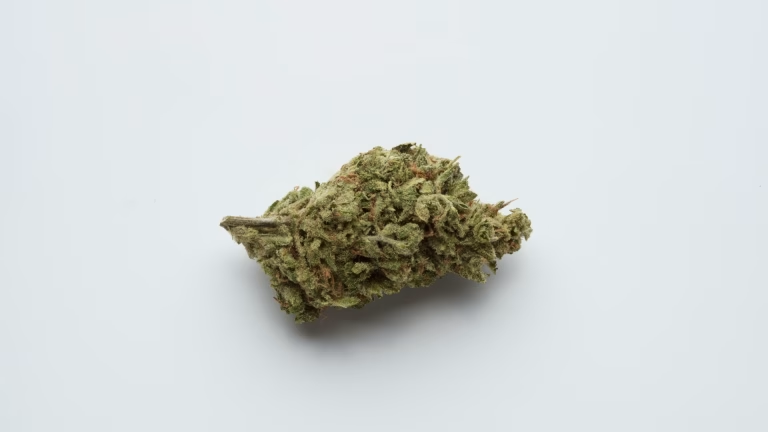
Cannabis use has become increasingly normalized, but that doesn’t mean it’s risk-free. The question “Is weed addictive?” gets asked constantly, and the answer is more complex than a simple yes or no. Marijuana impacts your brain’s reward system through tetrahydrocannabinol (THC), the primary psychoactive compound that creates the high you experience.
When you smoke weed regularly, your brain adapts to the constant presence of THC. It reduces your production of natural endocannabinoids and decreases receptor sensitivity. This means you need more of the drug to achieve the same effects, a clear sign of developing tolerance. Studies show that approximately 9% of people who use cannabis will develop dependence, but that number jumps to 17% for those who start during adolescence and up to 25-50% for daily users.
The real shift in understanding came when researchers recognized that psychological dependence is just as valid as physical dependence. If you’re organizing your day around when you can smoke, spending significant money on weed despite financial problems, or feeling unable to relax or sleep without it, these are signs of cannabis use disorder. Your brain has essentially learned to rely on external THC rather than producing its own natural mood-regulating chemicals.
How Addictive Is Weed Really?
The debate around how addictive weed is often gets clouded by comparisons to other drugs. While cannabis doesn’t create the same severe physical withdrawal as substances like alcohol or opioids, it absolutely can lead to dependence, and the American Psychological Association recognizes it as a form of substance use disorder. The addiction potential depends on several risk factors, including:
- Genetics
- Age of first use
- Frequency of consumption
- Underlying mental health conditions
Research involving blood and plasma cannabinoids measurements shows that THC accumulates in fatty tissues and is released slowly over time. This is why heavy users might test positive for weeks after stopping. It also explains why withdrawal can feel prolonged compared to substances that leave your system faster. Your body isn’t just clearing out yesterday’s joint but weeks or months of accumulated cannabinoids.
What makes weed or marijuana particularly tricky is the perception that it’s harmless. People often don’t recognize they’re developing a problem until they try to quit and can’t. You might rationalize continued use because weed doesn’t cause the dramatic consequences associated with other substances. But if you’ve tried to stop multiple times and failed, if your cannabis use is affecting relationships or responsibilities, or if you’re consuming larger amounts than you intended, you’re dealing with genuine addiction that deserves serious attention.
The Science Behind Cannabis Detox
When you stop using cannabis after regular consumption, your body enters a detox process. Cannabis detox just isn’t about flushing THC from your system overnight, despite detox drink advertisements that might have people believe. Instead, it’s a natural process your brain and body undergo as they recalibrate to function without external cannabinoids.
During the first 24-72 hours, you’ll likely experience the most intense symptoms as THC levels in your blood drop rapidly. Your brain’s endocannabinoid system, which regulates mood, appetite, sleep, and stress response, has to relearn how to function without marijuana. This adjustment period causes the uncomfortable side effects associated with withdrawal.
The timeline varies considerably based on how much you consumed and for how long. Someone who smoked occasionally might feel back to normal within a week, while daily users often struggle with symptoms for two to four weeks. However, some people report subtle changes in sleep, mood, and cognitive function lasting several months as the brain fully recovers. The good news is that, unlike some substances, cannabis withdrawal isn’t life-threatening, though it can certainly feel miserable.
What Is Quickest Way To Detox THC?
Unfortunately, no method truly detoxes THC quickly. It naturally metabolizes over days to weeks, depending on usage frequency, body fat, and metabolism. Staying hydrated, exercising, and eating fiber-rich foods may help slightly. Commercial detox products lack scientific support. For drug tests, abstinence is most reliable. Heavy users may test positive for 30+ days.
Common Withdrawal Symptoms You’ll Experience During Your Cannabis Detox
Knowing what to expect during cannabis detox helps you prepare mentally and physically. The symptoms of cannabis withdrawal are real and can be surprisingly intense. Physical symptoms often surprise people who expected purely psychological effects.
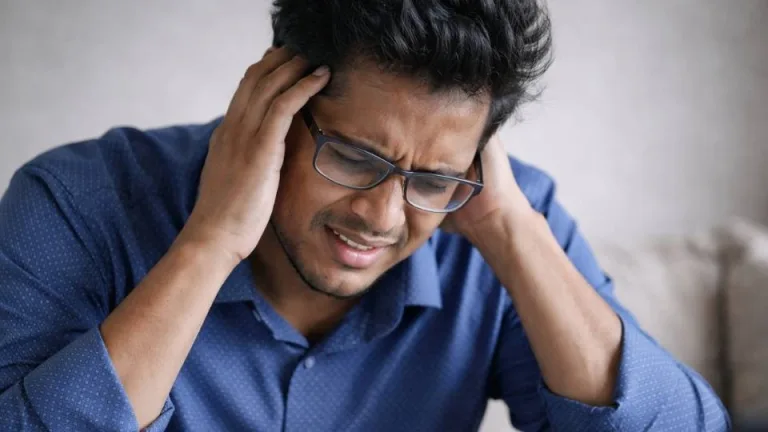
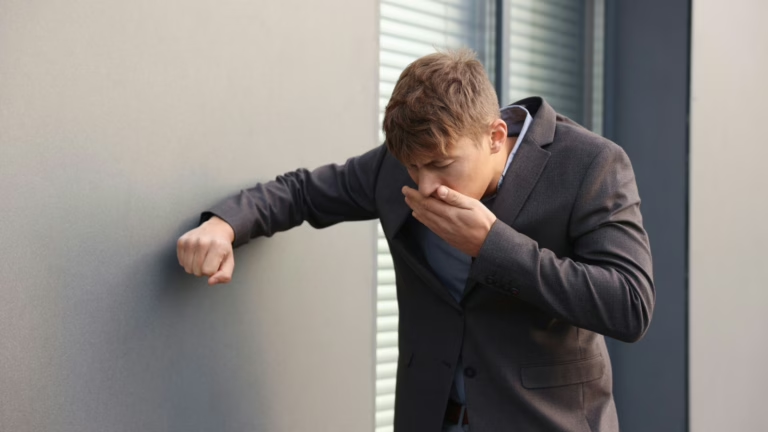
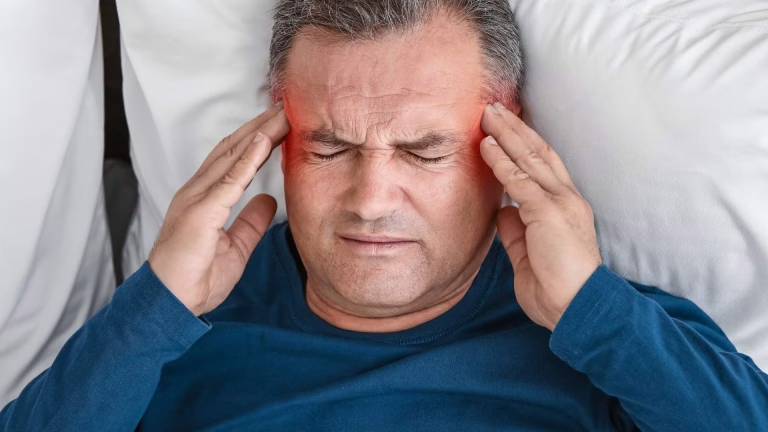
- Reduced appetite and even nausea are common, leading to weight loss during the first week or two. Some people develop headaches, increased sweating, or slight tremors.
- Anxiety can spike dramatically, especially if you were using cannabis to manage underlying anxiety disorders. Cravings come in waves, sometimes triggered by specific situations, people, or times of day associated with your previous marijuana use.
- Within the first few days of stopping, most people experience irritability and mood swings that can strain relationships. You’re not being difficult intentionally; your brain chemistry is genuinely unstable as it adjusts.
- Sleep disturbances rank among the most challenging symptoms. You might struggle to fall asleep, experience vivid or disturbing dreams, or wake frequently throughout the night. Many people used weed specifically as a sleep aid, so losing that crutch makes insomnia particularly frustrating. Your natural sleep architecture needs time to repair itself after being suppressed by THC.
Typical Cannabis Withdrawal Timeline
| Days 1-3 | Days 4-7 | Weeks 2-3 | Week 4+ |
| Peak physical symptoms | Continued sleep problems | Gradual improvement in sleep | Most acute symptoms resolve |
| Intense cravings | Mood swings | Persistent cravings | Occasional cravings |
| Severe Insomnia | Reduced appetite | Emotional instability | Improved focus |
| Irritability | Headaches | Low mood | Mental clarity |
Avoid Mixing Weed and Drinking Alcohol
Combining weed with alcohol creates unpredictable and potentially dangerous effects. When you’re high and drunk at the same time, each substance intensifies the other in ways that exceed their individual impacts.
The combination of alcohol and marijuana can lead to a phenomenon known as ‘greening out,’ which includes symptoms like nausea and dizziness. The term ” cross-faded ” (along with other slang terms like twisted or faded) describes the state of being simultaneously intoxicated by marijuana and drinking alcohol. What happens physiologically is that alcohol increases THC absorption in your blood and plasma, and cannabinoids reach higher concentrations faster. This means smoking weed after you’ve consumed alcohol produces a more intense high than you’d experience from weed alone, often catching people off guard.
The combined effects create serious risks. Alcohol is a depressant that impairs judgment and coordination, while cannabis affects perception, reaction time, and decision-making. Together, they dramatically increase the likelihood of accidents, injuries, and dangerous situations. You’re more likely to drive impaired, engage in risky recreational activities, make poor sexual decisions, or find yourself in vulnerable positions. The reduced inhibitions from alcohol, paired with marijuana’s perceptual changes, create a perfect storm for bad reaction scenarios.
Polysubstance Alcohol Poisoning Risks
While cannabis alone rarely causes medical emergencies, mixing alcohol and weed changes the equation. Alcohol poisoning becomes more likely when marijuana masks some of alcohol’s warning signs. Normally, drinking too much makes you feel obviously sick, prompting you to stop consuming more alcohol. But weed can dull these protective signals, leading you to drink dangerous amounts.
The danger intensifies because marijuana reduces nausea initially, one of your body’s primary defenses against alcohol poisoning. You might consume far more alcohol than your body can safely process without the usual warning of feeling sick. By the time symptoms become undeniable, you could already be in a life -threatening situation requiring emergency medical intervention.
Signs of alcohol poisoning include:
- Confusion
- Vomiting
- Seizures
- Slow or irregular breathing
- Blue-tinged skin
- Loss of consciousness
If someone who has been mixing weed with drinking shows these symptoms, call emergency services immediately. Don’t wait to see if they’ll sleep it off because alcohol poisoning can result in permanent brain damage or death. The presence of cannabis in someone’s system complicates medical assessment and treatment, making it even more critical to get professional help quickly.
The Dangers of Mixing Weed With Other Substances Besides Alcohol
Cannabis doesn’t exist in a vacuum for most people struggling with substance abuse. It’s one of the most commonly used substances alongside tobacco, alcohol, and increasingly, prescription medications. Each combination carries its own set of risks that multiply the dangers of any single drug.
Stimulants and Cannabis
Mixing weed with stimulants like cocaine or methamphetamine creates conflicting signals in your brain. The stimulant increases heart rate and alertness, while cannabis typically has sedating effects. Your cardiovascular system gets stressed by these competing demands, potentially leading to high blood pressure, irregular heartbeat, or even cardiac events. People often smoke weed to take the edge off stimulant-induced anxiety, creating a dangerous cycle of using multiple substances to manage the effects of others.
Marijuana and Other Drugs
Combining marijuana with depressants beyond alcohol, including benzodiazepines or opioids, dramatically increases the risk of over-sedation. Both substance classes slow breathing and reduce consciousness. Together, they can lead to respiratory depression, where you simply stop breathing adequately. This is particularly dangerous during sleep when you’re not aware of the gradual oxygen deprivation. The rise in high doses of potent cannabis concentrates has made these interactions more unpredictable and potentially fatal.
Risk Factors for Cannabis Addiction

Not everyone who tries marijuana develops a problem, but certain risk factors make addiction more likely. Understanding these can help you assess your own vulnerability or that of a loved one.
- Genetic predisposition plays a significant role; if addiction runs in your family, you carry a higher risk regardless of the substance involved.
- Age of first use stands out as one of the strongest predictors. Adolescent brains are still developing, particularly the prefrontal cortex, which is responsible for judgment and impulse control. Starting cannabis use before age 18 significantly increases the likelihood of developing dependence compared to adult-onset use.
- Mental health conditions create another major risk category. People with depression, anxiety disorders, PTSD, or ADHD often discover that marijuana temporarily alleviates their symptoms. This relief creates powerful reinforcement for continued use, turning into self-medication that masks underlying issues rather than treating them.
- Trauma history, chronic stress, and social factors like peer pressure or living in environments where substance abuse is normalized all contribute to increased risk of developing cannabis use disorder.
When Use Becomes a Problem, and You Should Consider Cannabis Detox
Recognizing when your marijuana use has crossed from casual to problematic isn’t always straightforward. The signs often accumulate gradually until you find yourself in a pattern that feels impossible to break. You might notice you’re smoking weed more frequently than you intended, or that the amount you use has crept up steadily over months or years.
One clear indicator is unsuccessful attempts to cut back or quit. If you’ve told yourself “I’ll just smoke on weekends” or “I’ll take a break next month” repeatedly without following through, that’s your brain’s dependence talking. You might spend considerable time obtaining marijuana, using it, or recovering from its effects, organizing your schedule around opportunities to get high.
Continued use despite negative consequences is perhaps the most defining characteristic. Ask yourself and honestly answer these questions:
- Are you smoking despite knowing it’s affecting your job performance, relationships, or health?
- Have you given up activities you used to enjoy because they interfere with your cannabis use?
- Do you smoke in situations where it’s physically hazardous, like before driving?
These patterns indicate that marijuana has moved from being something you do to being something that controls your life, requiring serious consideration of treatment options.
Treatment Options for Cannabis Addiction

Several evidence-based approaches have proven effective for cannabis use disorder, and the right choice depends on your individual circumstances, severity of use, and personal preferences.
- Inpatient treatment provides a structured, substance-free environment for people with severe addiction, co-occurring mental health conditions, or those who’ve failed at outpatient approaches.
- Residential programs typically last 30-90 days and offer intensive daily therapy, medical supervision, and separation from environments and relationships that enable continued use.
- Outpatient addiction treatment allows you to maintain work and family responsibilities while attending scheduled therapy sessions and support groups.
- Cognitive-behavioral therapy helps you identify triggers, develop coping strategies, and reshape thought patterns that maintain addictive behaviors.
- Motivational enhancement therapy focuses on building your internal motivation to change by exploring the discrepancy between your current situation and your personal values and goals.
While cannabis withdrawal isn’t medically dangerous like alcohol or benzodiazepine withdrawal, having a healthcare provider support makes the process significantly more comfortable and successful.
The Role of Medical Supervision in Recovery
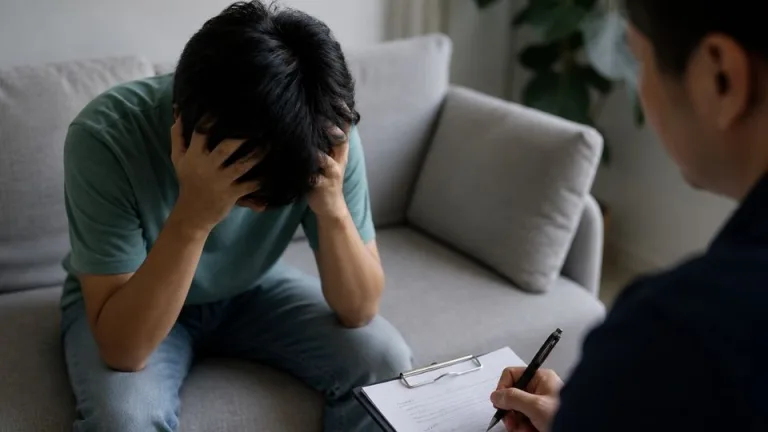
Working with a healthcare provider throughout your recovery journey offers multiple advantages. Medical professionals can assess for co-occurring conditions that might complicate withdrawal, prescribe medications to ease specific symptoms, and monitor your physical and mental health throughout the recovery process.
While there’s no FDA-approved medication specifically for cannabis withdrawal, doctors can prescribe targeted treatments for troublesome symptoms. Sleep aids might help during the initial insomnia phase, anti-anxiety medications can take the edge off panic or severe anxiety, and some people benefit from medications that reduce cravings. Your healthcare provider can also screen for underlying depression or anxiety that marijuana was masking and initiate appropriate treatment.
Medical supervision becomes particularly important if you’re dealing with polysubstance use. If you’re mixing weed with alcohol regularly, quitting both simultaneously requires careful management since alcohol withdrawal can be medically dangerous.
A healthcare provider can develop a safe tapering protocol and monitor for complications. They’ll also help you understand realistic expectations for the recovery timeline and provide referrals to specialists like addiction psychiatrists or licensed therapists when needed.
Building a Support System for Recovery
Lasting recovery from cannabis dependence rarely happens in isolation.
- Building a strong support system provides accountability, encouragement during difficult moments, and connection with others who understand what you’re going through. This network might include family, friends, therapists, support groups, and peers in recovery.
- Twelve-step programs like Marijuana Anonymous apply the principles of Alcoholics Anonymous specifically to cannabis addiction. These free meetings connect you with others navigating similar challenges and offer a structured approach to recovery grounded in peer support.
- SMART Recovery offers an alternative science-based program focused on self-empowerment and practical tools for managing cravings and avoiding relapse.
Also, don’t underestimate the importance of honest conversations with your loved ones or family members. Educate them about addiction as a brain disease rather than a moral failing. Let them know specific ways they can help, whether that’s removing triggers from your environment, accompanying you to appointments, or simply checking in regularly. At the same time, establish boundaries around enabling behaviors. True support means holding you accountable while offering compassion, not making excuses or facilitating continued use.
After Cannabis Detox: Lifestyle Changes That Support Long-Term Sobriety
Quitting cannabis creates a void in your daily routine and emotional regulation strategies. Filling that void with healthy alternatives is crucial for preventing relapse. Exercise becomes particularly valuable because it naturally boosts endocannabinoid production, helping your brain’s reward system heal while improving mood and reducing anxiety.
Developing new recreational activities gives you positive ways to spend time you previously devoted to obtaining and using marijuana. Whether it’s joining a sports league, taking up a creative hobby, volunteering, or learning new skills, these activities provide natural dopamine rewards that support recovery. They also help you build identity beyond being someone who uses drugs.
Dealing With Cannabis and Your Sleep Schedule
Sleep hygiene deserves special attention, given how cannabis affects sleep architecture. Establish consistent bed and wake times, create a dark and cool sleeping environment, avoid screens before bed, and consider relaxation techniques like meditation or progressive muscle relaxation. Your sleep will gradually improve as your brain relearns natural sleep patterns, but good habits accelerate this process. Nutrition also matters since marijuana withdrawal often disrupts appetite. Focus on regular, balanced meals even when you don’t feel hungry to stabilize blood sugar and energy levels.
Addressing Co-Occurring Mental Health Conditions
Many people who develop cannabis dependence are simultaneously managing mental health conditions. Depression, anxiety disorders, bipolar disorder, PTSD, and ADHD commonly co-occur with substance abuse. In fact, research suggests that people with mental health conditions are roughly twice as likely to develop substance use disorders compared to the general population.
The relationship works both ways. Sometimes mental health issues lead to cannabis use as self-medication. Other times, heavy marijuana use triggers or worsens mental health symptoms. Regular cannabis use during adolescence is associated with an increased likelihood of developing anxiety disorders and depression later in life. THC can also trigger psychotic episodes in vulnerable individuals, particularly those with a family history of schizophrenia.
The Benefits of Professional Mental Health Treatment
Effective treatment addresses both conditions simultaneously through integrated care. This means working with providers who understand how substance abuse and mental health interact rather than treating them as separate issues. You might need medication for depression or anxiety while also engaging in addiction treatment. Therapy approaches like dialectical behavior therapy are specifically designed for people dealing with both emotional regulation difficulties and addictive behaviors. Addressing only the addiction or only the mental health condition rarely produces lasting recovery because each feeds into the other.
Recognizing and Managing Triggers and Cravings
Cravings for cannabis don’t disappear immediately after you quit. Understanding triggers and developing strategies to manage cravings is essential for preventing relapse. Triggers fall into several categories:
- Environmental: places where you used
- Social: people you smoked with
- Emotional: feelings you used weed to cope with
- Temporal: times of day you habitually use
Environmental triggers can be surprisingly powerful. The smell of marijuana, seeing paraphernalia, driving past your dealer’s house, or even being in your usual smoking spot can trigger intense cravings. Early in recovery, it’s often necessary to avoid these triggers entirely. This might mean taking different routes, avoiding certain neighborhoods, or staying away from concerts and social settings where cannabis use is common.
Remember That Cravings Will Pass if You Let Them
When cravings hit, remember they’re temporary. Most intense cravings peak within 15-30 minutes and then subside. Distraction techniques like calling someone in your support system, engaging in physical activity, or practicing mindfulness can help you ride out the wave. The “urge surfing” technique teaches you to observe cravings without acting on them, noticing how they rise and fall like waves.
Over time, cravings become less frequent and less intense as your brain rewires itself. However, even years into recovery, occasional cravings can pop up, particularly during stress or when exposed to unexpected triggers.
Cannabis Detox Frequently Asked Questions
How long does it take to detox from cannabis?
Cannabis detox varies by usage patterns. Acute withdrawal symptoms peak within 3-7 days and resolve in 2-3 weeks for most people. However, THC can remain detectable in your system for 30-90 days, depending on frequency of use, metabolism, and body fat percentage.
How do you completely flush out your system?
You cannot instantly flush cannabis from your system. THC is stored in fat cells and released gradually. Staying hydrated, exercising regularly, eating fiber-rich foods, and simply allowing time to pass are the only legitimate methods. Detox drinks provide temporary dilution, not elimination.
What’s the fastest way to clean your urine for a drug test?
There’s no guaranteed fast method to clean urine naturally. THC metabolites leave your system on their own timeline. Abstinence, hydration, and exercise help over weeks, but not days. Commercial detox products may dilute urine temporarily, but don’t remove THC. Consider discussing your situation honestly with relevant parties.
How long do you need to detox to pass a drug test?
Detection windows vary significantly. Occasional users might test clean in 3-10 days, while daily heavy users may need 30-90 days or longer. Factors include usage frequency, THC potency, metabolism, body fat, and test sensitivity. Home testing kits can help monitor your status during abstinence.
What is more addictive, weed or caffeine?
Both can cause dependence, but this answer depends on your criteria. Caffeine creates stronger physical dependence with more severe withdrawal headaches, while cannabis produces greater psychological dependence, affecting motivation and daily functioning. While 9% of cannabis users develop addiction, higher rates are seen with more frequent users. By comparison, 35% of of caffeine users meet the criteria for caffeine dependence.
Take the First Step Toward Being Cannabis Addiction Free Today
Radix Recovery offers comprehensive addiction treatment tailored to your unique needs. Whether you require the immersive support of our inpatient program or the flexibility of outpatient services, our experienced team provides evidence-based care in a compassionate environment. Don’t let cannabis dependence control your life any longer. Contact us now to discuss which treatment option is right for you and begin your journey toward lasting sobriety and renewed purpose.