Before you read further, it’s important to remember you are not alone in struggling with prescription pain medicine. If you have found yourself searching for information about hydrocodone vs codeine, you might be dealing with physical dependence, wondering if these medications are the same, or trying to understand what you have been taking. The truth is that many people start with a legitimate prescription for severe pain and end up facing substance use disorder without fully understanding how they got there.
Quick Takeaways
- Hydrocodone and codeine are both opioid pain relievers, but hydrocodone does not contain codeine, and they are chemically distinct medications.
- Hydrocodone is approximately 6 times more potent than codeine for pain relief, making it more effective but also carrying a higher addiction risk.
- Both medications can cause physical dependence and withdrawal symptoms, even when taken exactly as prescribed by your doctor.
- Respiratory depression is a life-threatening side effect of both drugs that worsens when combined with alcohol or other CNS depressants.
- Treatment for opioid use disorder is available and effective, with multiple pathways to recovery.
Understanding Opioids and How They Work
As part of a class of drugs called opioid agonists, hydrocodone and codeine attach to opioid receptors in your central nervous system, blocking or disrupting pain signals while releasing dopamine that creates relaxation and euphoria. Codeine is naturally derived from opium poppies and converts to morphine in your liver, while hydrocodone is semi-synthetic (partially man-made). Your brain adapts to these drugs over time, requiring higher doses for the same effect. This biological response, causing habit formation, is a natural reaction that can affect anyone and can be life-threatening in large doses, where you can experience difficulty breathing and staying conscious.
Hydrocodone vs. Codeine: Is Codeine the Same as Hydrocodone?
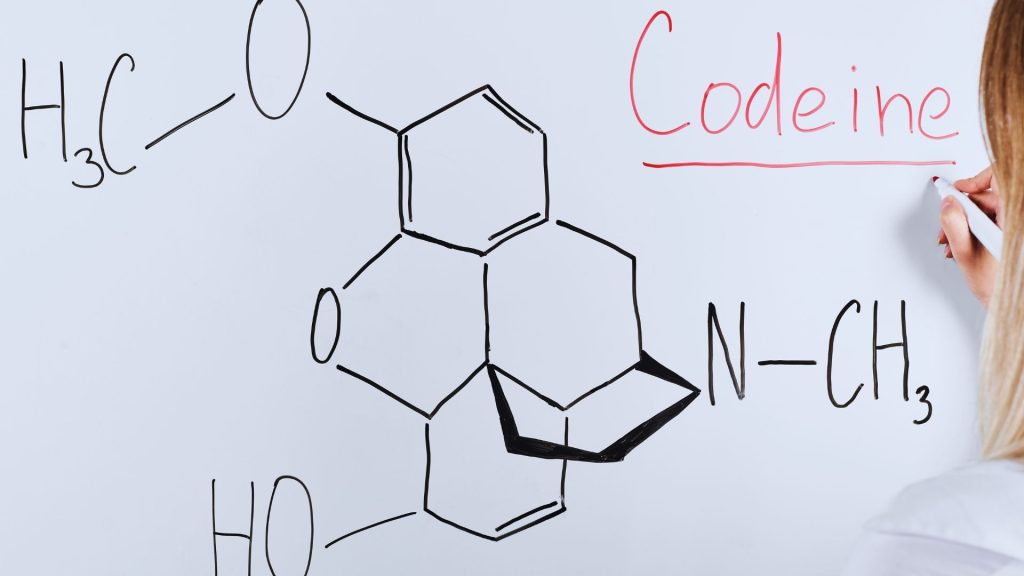
This is one of the most common questions people ask, and the answer is clear: no, codeine is not the same as hydrocodone. Does hydrocodone have codeine in it? No, hydrocodone does not contain codeine at all. They are two distinct medications with different chemical structures, even though both are prescribed for pain relief.
The confusion from hydrocodone vs. codeine often comes from the fact that both are opioid drugs that doctors prescribe for moderate to moderately severe pain. You might have been switched from one to the other, or you might have seen both names on different prescriptions. Some people also wonder “Is codeine in hydrocodone?” after seeing combination products like Vicodin (hydrocodone plus acetaminophen) or Tylenol with codeine (codeine plus acetaminophen).
Hydrocodone is significantly stronger than codeine, with 30 mg of codeine is roughly equivalent to just 5 mg of hydrocodone for pain relief. Because of this difference, hydrocodone carries a higher risk for addiction and respiratory depression, though both medications can lead to substance use disorder when misused or taken long-term.
Quick Comparison of Hydrocodone and Codeine
| Drug | Type | Strength Comparison | Treatment for | Popular Brand Names Containing It | Addiction Risk | Metabolism | Duration of Action |
| Hydrocodone | Semi-synthetic | 6x | Moderate to severe pain | Vicodin, Norco | Yes, slightly higher due to potency | Converted to morphine by liver | 4-6 hours |
| Codeine | Naturally derived | 1x | Mild to Moderate Pain | Tylenol with codeine | Yes | Active as taken | 4-6 hours |
Comparing Potency and Pain Relief Effectiveness
When your doctor tells you that hydrocodone is stronger, they are talking about how much medication you need to achieve the same level of pain relief. If codeine is not controlling your pain adequately, switching to hydrocodone might help because a smaller dose can provide more relief. However, this increased potency comes with increased risks.
For moderate pain like dental work or minor injuries, codeine might be sufficient and carries slightly lower addiction potential. For severe pain following surgery or from conditions like colon cancer or nerve damage, hydrocodone is often prescribed because it provides more powerful pain relief. The challenge is that your body builds tolerance to both medications over time, meaning you need increasingly higher doses to manage the same level of pain.
Taking Oxycodone
Taking oxycodone is another option your doctor might discuss. Oxycodone is even stronger than hydrocodone and is reserved for more severe pain situations. All three of these medications work on the same opioid receptors but differ in potency and duration of action. Understanding these differences helps you have informed conversations with your healthcare provider about the best treatment approach for your situation, but you must also be wary of the addiction risks that come with opioid pain relief.
Side Effects: What Your Body Experiences
Both hydrocodone and codeine share many common side effects because they work similarly in your central nervous system. The most frequently reported effects include nausea, vomiting, constipation, drowsiness, and dizziness. You might also experience trouble sleeping, even though the medication makes you feel drowsy. This happens because opioids disrupt your normal sleep cycles.
A runny nose is a common experienced side effect while soft foods becoming more appealing because of nausea. You may also feel anxious and restless. If you have lung problems, high blood pressure, or a history of a brain tumor, these medications require extra caution. Always tell your doctor about all other medications you are taking to avoid dangerous interactions.
Dangerous Side Effects
Respiratory depression is the most serious side effect of both medications and can be life-threatening. This means your breathing becomes slow and shallow, and in severe cases, can stop completely. The risk increases dramatically when you combine these opioid drugs with alcohol or other CNS depressants like benzodiazepines or sleep medications. Even if you have been taking the medication for a while, mixing it with other substances can trigger a fatal overdose.
You may also experience:
- Difficulty breathing
- Fast heartbeat
- Increased sensitivity to pain over time (a paradoxical effect called hyperalgesia)
Understanding Withdrawal Symptoms

When your body becomes physically dependent on hydrocodone or codeine, stopping suddenly triggers withdrawal symptoms. This is not the same as addiction, though the two often occur together. Physical dependence means your body has adapted to the presence of the drug and reacts when it is removed. You might experience withdrawal even if you have been taking the medication exactly as prescribed.
Withdrawal symptoms typically start within 6 to 12 hours after your last dose for short-acting formulations, or 24 to 48 hours for extended-release tablets or extended-release capsules. Early symptoms feel like a bad flu, and the severity depends on several factors, including how long you have been taking the medication, your daily dose, and whether you were using extended-release or immediate-release formulations. Withdrawal from opioids is extremely uncomfortable but rarely dangerous in otherwise healthy adults. However, the discomfort drives many people back to using, which is why medical supervision during detox is so important.
Hydrocodone vs. Codeine Frequently Asked Questions
What is stronger, hydrocodone or codeine?
Hydrocodone is approximately 6 times stronger than codeine for pain relief. This means a 5 mg dose of hydrocodone provides similar pain control to 30 mg of codeine. Due to its higher potency, hydrocodone carries greater risks for addiction and respiratory depression.
What pain is codeine best for?
Codeine works best for mild to moderate pain such as dental procedures, minor injuries, headaches, and post-operative discomfort. It’s also effective for suppressing persistent coughs. However, codeine provides inadequate relief for severe pain conditions, which typically require stronger opioid medications like hydrocodone or oxycodone.
Take Control of Your Recovery Today
Radix Recovery offers comprehensive inpatient and outpatient treatment programs specifically designed for codeine abuse. Our compassionate team provides a continuum of addiction and dual diagnosis treatment and personalized support to help you break free from opioid dependence. Call us today to start your healing journey.