Preparing for inpatient rehab can feel overwhelming, both emotionally and practically. Deciding what to pack is one of the first steps, yet it often adds stress at a time when focus is needed most. Bringing the right items ensures comfort, reduces unnecessary distractions, and helps you settle into treatment with peace of mind.
This guide includes a packing checklist, including what to leave at home, and practical tips to make you ready for rehab and make the transition easier.

Essential Documents and Medical Items
Addiction rehab programs typically require identification and medical records at admission. A government-issued photo ID and health insurance card are essential for verifying coverage and accessing care. Prescription medications should be in their original, labeled containers so staff can confirm dosage and authenticity.
Facilities also ask for a complete list of current prescriptions, including dosages, to coordinate safe treatment. Common medical items such as eyeglasses, contact lenses with solution, or hearing aids with batteries ensure you remain comfortable and independent during your stay.
Comfortable and Practical Clothing
Inpatient treatment programs, such as the one offered by Radix Recovery, emphasize therapy, structure, and wellness over appearance. The goal is to feel at ease and ready to participate in daily activities without distraction. Clothing should be simple, modest, and comfortable. Items like sweatpants, t-shirts, and hoodies are ideal for both group sessions and recreation.
It’s recommended to pack enough undergarments, socks, and pajamas for the duration of your stay, as well as athletic shoes for exercise or walking. Slippers or flip-flops are convenient for indoor use, while a light jacket, sweater, or other seasonal outerwear ensures comfort in changing weather. Most treatment centers also enforce dress codes, which typically prohibit revealing outfits or clothing with drug- or alcohol-related imagery.
Personal Hygiene and Self-Care Items
Basic toiletry items like a toothbrush, toothpaste, deodorant, shampoo, conditioner, and a brush or comb are essential for daily comfort. Most rehab facilities prohibit products that contain alcohol to prevent exposure to triggering substances.
For women, feminine hygiene products should be included. Grooming tools such as an electric razor may be allowed, but sharp items are usually restricted. Items like lip balm, sunscreen, or moisturizer can also help maintain comfort during longer stays.
Comfort and Entertainment
While a facility is highly structured, there are moments of downtime where quiet activities are encouraged. Bringing books, magazines, or puzzle books provides healthy distractions. A journal can be an important tool for self-reflection and tracking progress.
Many facilities allow non-internet, non-camera music players with basic headphones, which provide comfort without compromising security. Small personal items, such as family photos, can help ease homesickness. A reusable water bottle, if permitted, encourages hydration, which is important in addiction recovery.
What Not to Bring
To maintain a safe and focused environment, rehab centers place strict limits on certain items. Electronics with internet or cameras, including phones, laptops, and tablets, are typically not allowed. Substances such as alcohol, recreational drugs, or any related paraphernalia are strictly prohibited.
Facilities also recommend leaving valuables such as jewelry, large sums of cash, and expensive electronics at home to avoid theft or loss. Outside food or drinks are not usually permitted, though exceptions may be made for medical or dietary needs with prior approval.

Packing Tips for Packing Smart
Each facility has its own rules, so reviewing the specific packing list from your chosen rehab center is the best way to avoid issues at admission.
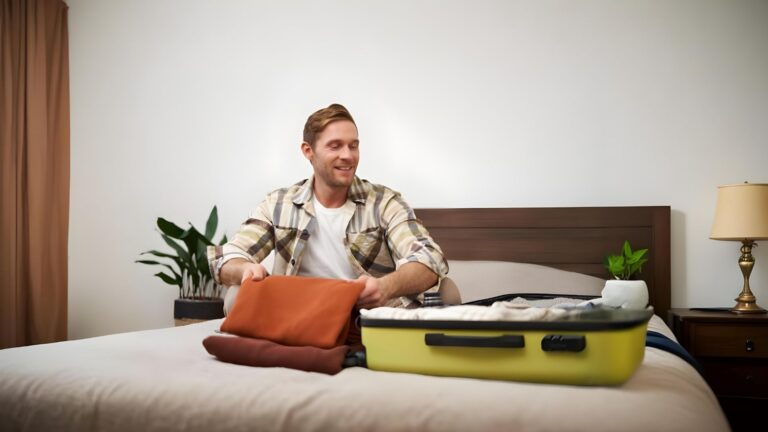
- Packing a week in advance helps reduce last-minute stress.
- Choose multipurpose items, such as layered clothing, saves space and keeps packing light.
- Labeling belongings clearly with your name helps prevent confusion in shared spaces.
- Keeping your luggage simple ensures that your focus remains on recovery, not belongings.
Packing for Outpatient Rehab
Unlike inpatient care, outpatient rehab does not require living at the facility. Instead, clients attend scheduled sessions several times a week while continuing to live at home. This includes programs like intensive outpatient (IOP) and partial hospitalization programs (PHP), which may involve longer treatment hours during the day but still allow you to return home at night.
Because of this, packing is minimal. Most people only need to bring a form of identification, insurance information, and any prescribed medications they may need during the day. A small notebook or journal, a water bottle, and comfortable clothing for therapy or wellness activities are also useful. Since outpatient and PHP clients go home after treatment, the focus is more on organization and consistency than on preparing for an extended stay. Learn more in our article How to Prepare for a Partial Hospitalization Program for Addiction Recovery.
Final Thoughts from Radix Recovery
Packing for rehab is more than a practical task. It’s an important step in mentally preparing for recovery. Focusing on essential items that support comfort, health, and sobriety allows you to transition into treatment with fewer distractions. With thoughtful preparation, you set the stage for a smoother start and give yourself the best chance to engage fully in the healing process.
At Radix Recovery, we offer an inpatient rehab program in Iowa designed to provide a safe, structured, and supportive environment for healing. Our team combines evidence-based treatment with compassionate care to help clients build lasting recovery. Whether you’re preparing for rehab for the first time or returning after a relapse, we’re here to guide you every step of the way.