Now accepting new clients across Iowa most insurance accepted.(319) 270-2890
Group therapy for addiction is clinical treatment delivered in a small group: a licensed therapist facilitates structured sessions where you process real struggles, learn skills, and practice honesty with peers who understand. At Radix Recovery in Cedar Rapids, Iowa, clinician-led process, psychoeducation, skills, and gender-specific groups are built into every program we offer, never sold separately. SAMHSA's clinical guidance calls group therapy one of the most effective formats for treating substance use disorders.

Last Reviewed
July 2026
Group therapy for addiction is clinician-facilitated clinical treatment delivered in a small group, and it sits at the center of how we treat substance use as a disorder of disconnection. Below: what it is, the evidence behind it, and how it differs from a recovery meeting.
Group therapy for addiction is clinician-facilitated clinical treatment delivered in a small group. It is one of the core modalities inside our addiction therapy program. Addiction is, at its root, a disorder of disconnection, and group restores connection: a licensed clinician guides structured sessions where you process real struggles, learn skills, and practice honesty with peers who understand.
The evidence behind addiction group therapy is strong. SAMHSA's Treatment Improvement Protocol (TIP) 41, Substance Abuse Treatment: Group Therapy, lays out why the format works,[1] and NIDA's Principles of Drug Addiction Treatment names individual and group counseling as complementary parts of effective treatment, not competitors.[2] Group is at least as effective as individual therapy for many people.
One distinction matters before anything else. Group therapy is not the same thing as a recovery meeting. AA, NA, and similar fellowships are peer-led mutual support: free, anonymous, run by members for members, and genuinely valuable. Many of our Radix community members attend them, and we encourage that. Clinical group therapy is different in kind: a licensed clinician facilitates, the content follows a treatment plan, evidence-based methods like CBT and DBT skills training structure the work, and your participation is documented and reviewed as part of your care. The two complement each other. One is community; the other is treatment.
Group therapy is one of the core modalities inside our addiction therapy program, included in every level of care, never sold separately.
Group counseling for addiction is not one thing. The mix shifts across treatment: psychoeducation early, process work as trust builds, relapse prevention near discharge. Select each to see how it works.
Here-and-now work. You talk through what is real in your life right now, and the group helps you see patterns and practice new responses as they happen.
In practice →Education about the brain, the body, and the family. Understanding how addiction actually works lowers shame and gives you language for what is happening to you.
In practice →DBT skills like distress tolerance and emotion regulation, plus structured relapse prevention: trigger mapping, craving response, and high-risk rehearsal you can use the moment you leave the room.
In practice →Men's and women's space to work on trauma, relationships, parenting, and shame with people who share the experience, where it is easier to be honest.
In practice →Groups are facilitated by licensed clinicians (LMHC, LISW, and CADC) working under Kayla Borja Frost, LMHC, with Iowa Department of Health and Human Services licensure and Joint Commission accreditation. Each group is kept small enough that every member can be heard. A typical session runs 60 to 90 minutes: a check-in, the day’s focus, and a close with something to practice before the next time.
Yes. Group therapy is an evidence-based treatment for substance use disorders, endorsed by SAMHSA and supported by decades of research. It reduces isolation, builds accountability, and lets people practice recovery skills with peers who understand addiction firsthand. It works best combined with individual therapy and, when appropriate, medication, not as a standalone approach.
Much of group therapy’s effectiveness is explained by Yalom’s therapeutic factors, curative elements like universality, cohesion, instillation of hope, and interpersonal learning that emerge naturally in groups but can’t be replicated in one-on-one treatment.[3]
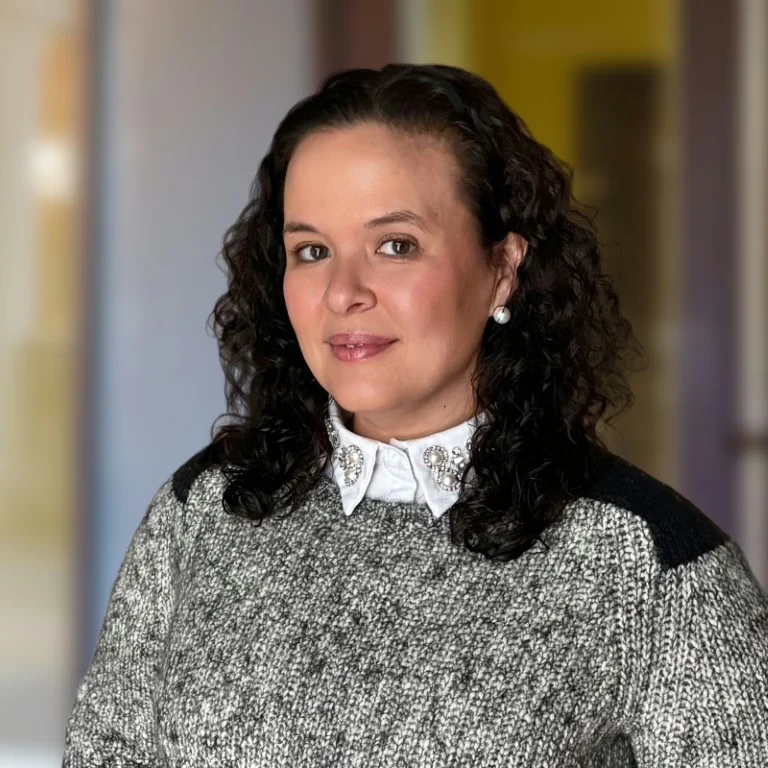
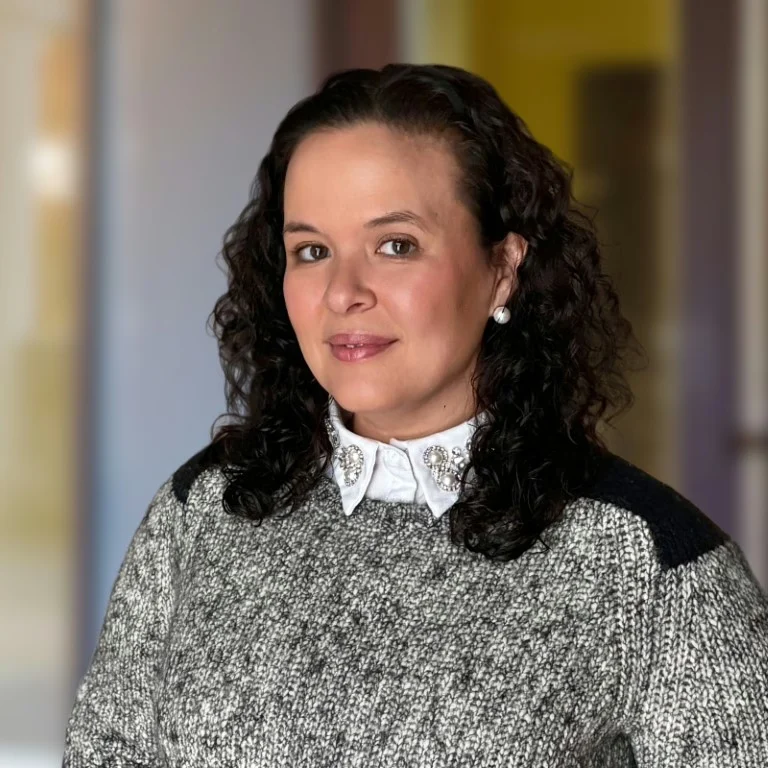
Chief Clinical Officer, Radix Recovery
You do not have to know what to say, or be ready to share. You only have to be willing to take the seat. One confidential call is where it starts.
Group therapy tends to help most if you recognize yourself here:
If most of these are familiar, group therapy is likely a strong fit. Our admissions team can talk it through with you, confidentially.
(319) 270-2890(319) 270-2890Speak With Admissions NowNo, you will not be forced to share before you are ready. The dread is normal, and most new members listen first. Listening is therapeutic in its own right. Our facilitators invite, never demand: they protect quieter members, pace disclosure, and set explicit confidentiality expectations so the room stays safe. Group sits alongside your individual and family work, never instead of it.
Supportive groups once medically stable. When you are ready, gentle groups help you feel less alone from the very first days.
Our most group-dense level. Residents attend daily groups, the backbone of the day.
The backbone of day programming. Community members in IOP attend group three days per week.
Weekly continuing-care and alumni groups. The connection that holds recovery for the long run, under the same insurance authorization.
Levels of care are places; group therapy is the thread that runs through all of them.
Therapy runs through every level. Group therapy is the constant thread across all six levels, so no single level is highlighted as the one to choose.
Most clinical → Independent
3 to 7 days of physician-led withdrawal management with 24/7 nursing. Learn about alcohol detox and drug detox in Iowa.
30, 60, or 90-day pathways with structured daily programming. Learn about inpatient rehab in Iowa.
4 to 8 hours of clinical programming daily with off-site living. Learn about PHP in Iowa.
3 days per week, 9 to 20 hours, built around work and family. Learn about IOP in Iowa.
Weekly therapy and relapse prevention. Learn about continuing care in Iowa.
An ongoing community of Radix community members across Iowa. Learn about our alumni program.
People search for addiction group therapy near me, but a skilled facilitator matters more than a zip code. Radix Recovery serves residents from across Iowa, including Iowa City, Des Moines, Davenport, Waterloo, Dubuque, and the Quad Cities. Our admissions team coordinates travel and logistics, and treatment outside your home city can help by creating distance from the people and places tied to using.
Our Location
~10 min
~30 min
~1.5 hrs
~1.5 hrs
Move through the facility one room at a time, the living spaces, the gathering rooms, and the grounds where residents reconnect with themselves.

Radix is a listed treatment provider on Your Life Iowa, the official addiction-help resource run by the Iowa Department of Health & Human Services.
Across the Radix clinical leadership team, from the founding partners to the chief clinical officer.

Across client reviews of admissions, counseling, detox, and residential care.
The national standard for safety, treatment quality, and staff training in healthcare.
Group therapy for addiction is clinician-facilitated clinical treatment delivered in a small group. A licensed therapist guides structured sessions where you process real struggles, learn skills, and practice honesty with peers who understand. Because addiction is, at its root, a disorder of disconnection, the group itself becomes part of the medicine. It follows a treatment plan and is documented as part of your care, which is what makes it treatment rather than a meeting.
Yes. SAMHSA’s Treatment Improvement Protocol (TIP) 41 finds group therapy is at least as effective as individual therapy for many people with substance use disorders, and NIDA names group counseling among the components of effective treatment. The reasons trace back to Yalom’s therapeutic factors: universality, instillation of hope, altruism, and interpersonal learning. The group reduces the isolation that feeds using and lets you rehearse recovery with people who understand.
A typical session runs 60 to 90 minutes and follows a steady shape: a check-in, the day’s focus, and a close with something to practice before next time. A licensed clinician facilitates. Depending on the group, you might process a current struggle, learn about the brain and body, build a DBT or relapse-prevention skill, or work in a men’s or women’s space. New members can listen first; participation is invited, never demanded.
No, you will not be forced to share before you are ready. The dread is normal, and most new members listen first, which is therapeutic in its own right. Our facilitators invite, never demand: they protect quieter members, pace disclosure, and set explicit confidentiality expectations so the room stays safe. As trust builds, talking tends to come on its own. Group sits alongside your individual and family work, never instead of it.
AA, NA, and similar fellowships are peer-led mutual support: free, anonymous, run by members for members, and genuinely valuable. Many of our Radix community members attend them, and we encourage that. Clinical group therapy is different in kind: a licensed clinician facilitates, the content follows a treatment plan, evidence-based methods like CBT and DBT skills training structure the work, and your participation is documented and reviewed as part of your care. One is community; the other is treatment. They complement each other.
Groups are kept small enough that every member can be heard, in line with SAMHSA’s clinical guidance. They are facilitated by licensed clinicians (LMHC, LISW, and CADC) working under Kayla Borja Frost, LMHC, Chief Clinical Officer, with Iowa Department of Health and Human Services licensure and Joint Commission accreditation. There are no peer-only sessions on the clinical schedule: every group on your treatment plan is clinician-facilitated.
Four kinds, mixed to fit your plan. Process groups do here-and-now work on what is real in your life. Psychoeducation groups teach you about the brain, body, and family. Skills-based groups build DBT skills like distress tolerance and emotion regulation, plus structured relapse prevention. Gender-specific groups give men and women space to work on trauma, relationships, parenting, and shame. The mix shifts across treatment: more psychoeducation early, more process and relapse prevention later.
It is included. You do not buy group therapy sessions from us a la carte, and you will never see it on a bill as an upsell. Group runs through every level of care, from supportive groups in detox once you are stable, through daily residential groups and the backbone of PHP and IOP, to weekly continuing-care and alumni groups. It is covered under the same insurance authorization as the rest of your treatment.
In most cases, yes. Because group therapy is woven into your clinical care rather than billed as a separate service, it is covered under the same authorization as the rest of your treatment. Radix works with Wellmark BCBS, TriWest Healthcare Alliance, Midlands Choice, Cigna Healthcare, Health Choice, and Medical Associates, among others. Our admissions team will verify your benefits confidentially and walk you through exactly what is covered before you commit.
You do not have to talk on day one. You do not have to be ready. You only have to take the seat we are holding for you, and we will take it from there.