When you decide to stop drinking after prolonged and heavy alcohol use, your body goes through a challenging adjustment process known as alcohol withdrawal. What are the signs of detoxing from alcohol? They can range from mildly uncomfortable sleep disturbances to a life-threatening medical emergency like a seizure. This guide offers a comprehensive look at what to expect when alcohol withdrawal occurs, and how to find the right support for a safe alcohol detox.
Key Points
- Alcohol withdrawal is the result of the central nervous system adapting to the absence of alcohol after a person develops alcohol dependence.
- Symptoms can appear within hours of the last drink and can range from mild anxiety and tremors to severe complications like seizures and delirium tremens.
- Medical supervision is critical for safely managing alcohol withdrawal, as severe alcohol withdrawal symptoms can be life-threatening.
- The severity and duration of withdrawal are influenced by many factors, including the amount and duration of alcohol use, overall health, and a past history of substance abuse.
- Treatment programs offering medically supervised alcohol detox provide the safest environment for managing withdrawal and beginning the journey to recovery from a substance use disorder.
Why Alcohol Withdrawal Symptoms Happen?

When a person with alcohol dependence chooses to significantly reduce alcohol intake, their entire system is disrupted. Alcohol is a central nervous system depressant. Over time, the brain responds to its consistent presence by increasing its excitatory input to maintain balance.
When alcohol is suddenly removed, the brain’s “go” signals are no longer counteracted, leading to a state of over-excitement. This is how alcohol affects the body chemistry, causing the physical and psychological symptoms of withdrawal. Chronic alcohol use enhances inhibitory GABA activity and suppresses excitatory glutamate signaling. When alcohol is removed, this imbalance leads to excessive brain excitability and withdrawal symptoms.
Approximately 50% of people with an alcohol use disorder will experience signs of alcohol withdrawal when they abruptly stop drinking or reduce their consumption habits. However, the exact timeline and severity can vary. For some, it begins with mild anxiety and shaky hands. For others, it can escalate quickly. It is essential to monitor symptoms closely from the moment you have your last drink.
What Are the Signs of Detoxing From Alcohol? Stages of Alcohol Withdrawal Syndrome

Alcohol withdrawal syndrome is a set of symptoms that arise when someone with a drinking problem stops. The experience is often categorized into stages, but the progression can be different for everyone.
Stage 1: Mild Symptoms (6-12 hours after the last drink)
Initial symptoms are often mild and may include:
- Anxiety and nervousness
- Nausea and vomiting
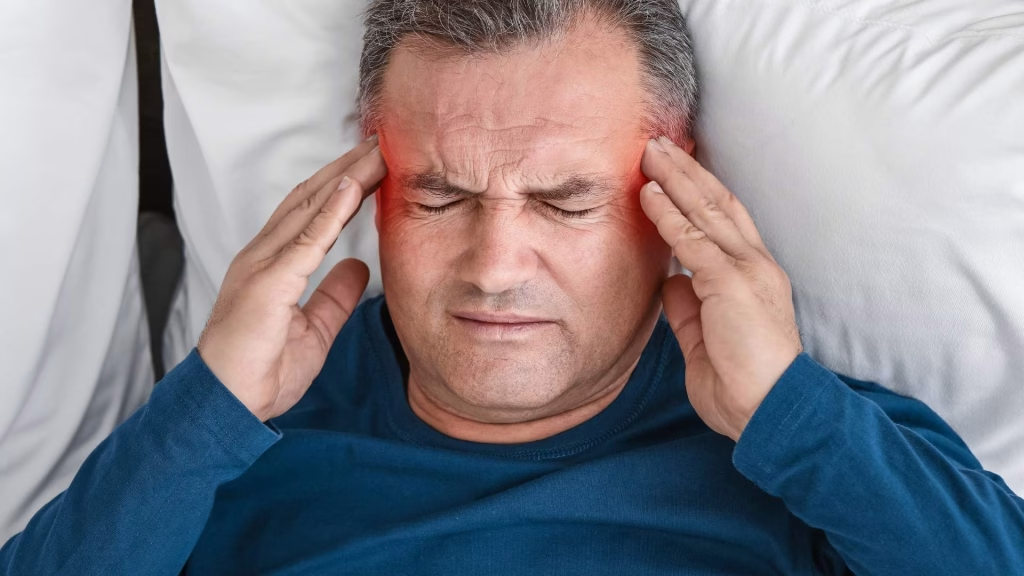
- Headache
- Insomnia and other sleep disturbances
- Sweating
Stage 2: Moderate Symptoms (12-24 hours after)
During this period, you might begin to experience more severe withdrawal symptoms, such as:
- Increased blood pressure and heart palpitations
- Irritability and mood changes
- Hand tremors
- Hallucinations (seeing or hearing things that aren’t there)
Stage 3: Severe Alcohol Withdrawal (24-96 hours after)
This is the most critical phase where severe alcohol withdrawal symptoms can manifest. It is strongly advised you seek immediate medical attention if you experience:
- Alcohol withdrawal seizures
- Severe confusion and agitation
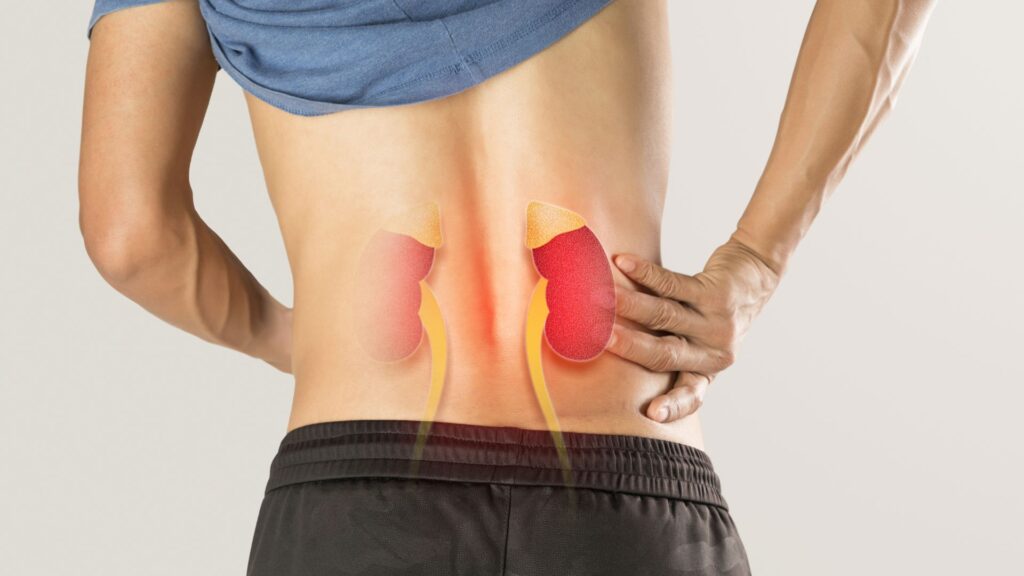
- Fever and heavy sweating
What is Delirium Tremens?
Delirium tremens (DTs) is the most severe form of alcohol withdrawal. It is a medical emergency that can be fatal if left untreated. Delirium tremens occurs in about 5% of individuals who go through alcohol withdrawal. It is characterized by severe confusion, a rapid heartbeat, high blood pressure, and a high body temperature. DTs require immediate medical intervention, often in an intensive care unit (ICU).
Can you die from alcohol withdrawal?
Yes, severe alcohol withdrawal can be fatal. Complications such as delirium tremens and withdrawal seizures pose a significant health risk and require immediate medical attention. A medically supervised detox is the safest way to manage withdrawal and prevent life-threatening conditions.
Factors That Influence Alcohol Detox
Many factors influence the severity and duration of alcohol withdrawal. No two individuals will have the exact same experience.
| Factor | Description | Impact on Withdrawal |
|---|---|---|
| History of Alcohol Abuse | The duration and intensity of alcohol consumption. | Longer periods of heavy drinking often lead to more severe withdrawal. |
| Co-occurring Health Problems | Presence of other medical or mental health conditions. | Conditions like abnormal liver function can complicate the detox process. |
| Previous Withdrawal History | If you have experienced withdrawal symptoms before. | Each withdrawal episode can increase the severity of subsequent ones. |
The Importance of Alcohol Withdrawal Treatment
Attempting to detox from alcohol on your own has negative effects and can be extremely dangerous. The risk of life-threatening complications makes professional medical help essential. A medically supervised alcohol withdrawal treatment program provides a safe and supportive environment to manage symptoms and prevent complications. Medical professionals can administer medications, monitor vital signs, and provide emotional support. This approach not only ensures your safety but also sets a stable foundation for long-term recovery from alcohol addiction.
Treatment Options for Alcohol Use Disorder
Once detox is complete, a comprehensive treatment program is the next step.
- Inpatient Treatment: Provides 24/7 care and a structured environment.
- Outpatient Programs: Allows you to live at home while attending therapy.
- Support Groups: Groups like Alcoholics Anonymous offer peer support.
- Therapy: Addresses the root causes of substance abuse and teaches coping skills.
| Treatment Component | Focus Area | Goal |
|---|---|---|
| Medical Supervision | Physical safety and symptom management. | To ensure a safe and comfortable detox process. |
| Individual Therapy | Addressing personal triggers and mental health. | To develop personalized strategies for sobriety. |
| Group Therapy | Building community and shared experiences. | To foster a sense of connection and reduce isolation. |
| Aftercare Planning | Creating a long-term recovery plan. | To support sustained sobriety after treatment. |
What helps reduce withdrawal symptoms?
The most effective way to reduce withdrawal symptoms is through medically supervised detox. Healthcare professionals may use medications like benzodiazepines to manage anxiety, prevent seizures, and ensure comfort. Staying hydrated and maintaining a calm, supportive environment is also crucial.
In addition to detox medications, doctors may prescribe longer-term medications to support sustained recovery from alcohol use disorder and reduce the risk of relapse:
- Naltrexone: This medication works by blocking the euphoric effects of alcohol in the brain, reducing cravings and making drinking feel unrewarding. It is available as a daily pill or a monthly injection and is often used as a cornerstone of long-term alcohol use disorder treatment.
- Acamprosate: Designed to restore the chemical balance in the brain disrupted by long-term alcohol use, acamprosate helps reduce the post-withdrawal distress and discomfort that can drive relapse in early recovery. It is typically started after detox is complete and taken three times daily.
- Disulfiram: This medication works as a deterrent rather than a craving reducer. If alcohol is consumed while taking disulfiram, it triggers an immediate and unpleasant physical reaction, including nausea, flushing, and rapid heartbeat. This strong negative association helps reinforce the commitment to abstinence.
Start Your Recovery Journey at Radix Recovery
Navigating the complexities of alcohol withdrawal requires professional guidance. Radix Recovery provides a full continuum of care, starting with on-site, medically supervised detox to ensure your safety and comfort. Our evidence-based treatment programs are designed to address addiction at its root, helping you build a foundation for lasting, long-term recovery. We are here to support you from detox through every stage of your journey.