Now accepting new clients across Iowa most insurance accepted.(319) 270-2890
Addiction recovery, DBT and CBT, and integrated dual diagnosis under one clinical team
Radix Recovery provides Ritalin addiction treatment in Cedar Rapids, Iowa, with residential nursing and behavioral-therapy-led care built on DBT and CBT, plus integrated ADHD assessment under one clinical team. Ritalin (methylphenidate) is a Schedule II prescription stimulant, and dependence often starts with a legitimate prescription or a borrowed pill during finals week. If your use has outgrown the label, we can typically arrange admission within 24 hours.

The DEA places methylphenidate in the same misuse-potential tier as other prescription stimulants
All methylphenidate in different release forms, treated with one protocol
Many who misuse Ritalin have ADHD that still needs real treatment
DBT, CBT, and motivational interviewing are the proven treatment

Last Reviewed
July 2026
Federal controlled substance The DEA places methylphenidate in Schedule II, the same misuse-potential category as other prescription stimulants.[1]
Typical supervised stabilization The acute stimulant crash peaks in the first week. Our nursing team manages sleep, mood, and safety through it.
Clinical support at residential Round-the-clock nursing with a dedicated detox team, including depression screening through the crash.
Typical admission timeline Same-day to next-day admission whenever a bed is available. One call starts the process.
Yes. Ritalin’s active ingredient, methylphenidate, works by blocking the reuptake of dopamine and norepinephrine, which leaves more of both chemicals active in the brain’s reward and attention circuits. Taken as prescribed for ADHD, that effect is therapeutic and the addiction risk is low. Taken in escalating doses, taken without a prescription, or crushed and snorted for a faster spike, the same mechanism becomes reinforcing in the way the National Institute on Drug Abuse describes for all misused prescription stimulants: tolerance builds, doses climb, and use becomes compulsive.[2] The clinical name for that pattern is stimulant use disorder, and Ritalin addiction is one form of prescription stimulant addiction covered by our broader stimulant treatment program.
Ritalin misuse and dependence rarely look like the popular image of addiction, which is exactly why they hide so well. The picture is a graduate student who cannot write without it, a nurse working doubles, a professional who started with a coworker’s pill during a deadline crunch and now plans the week around supply. SAMHSA’s National Survey on Drug Use and Health consistently finds that millions of Americans misuse prescription stimulants each year[3], and that misuse concentrates in students and young working adults. If that pattern sounds familiar, the problem is real even though the pills came from a pharmacy.
Most Ritalin dependence begins inside a real prescription: an extra dose to push through, running out early, then closing the gap however you can. Concerta, Ritalin LA, and generic methylphenidate are the same drug in different release forms, so the escalation looks the same whichever one you were handed.
For many students and working professionals, Ritalin became a performance crutch, the thing that makes the deadline, the double shift, or an impossible semester feel survivable. A lot of people put off help for fear of exposure; admission here is confidential and away from the campus and the office.
Many people who misuse Ritalin have ADHD that genuinely needs treatment, sometimes well-managed once, sometimes never properly diagnosed. We assess both and treat them together, which is the heart of our ADHD and addiction treatment.
Within the first 24 hours, rebound fatigue, irritability, anxiety, and mental fog set in, along with the first cravings and a surge in appetite. This is where most solo attempts quietly redose. We begin assessment, hydration, nutrition, and sleep support right away.
Hypersomnia takes over, with 10 to 14 hour sleep stretches, intense hunger, vivid dreams, slowed movement and thinking, a heavy depressed mood, and peak cravings. Our 24/7 nursing team monitors mood and safety and screens for depression and suicidal thinking, because this is the highest-risk window.
Sleep architecture starts to repair, energy returns in stretches, and mood lifts unevenly, though concentration is still poor. This is when structured therapy begins in earnest.
Intermittent low mood, low motivation, dulled pleasure, and cue-triggered cravings can linger, and underlying ADHD symptoms resurface and need a management plan. Continuum work is what keeps a hard week from becoming relapse.
Stopping Ritalin after heavy or high-dose use sets off a stimulant crash, deep fatigue, low mood, and strong cravings, and pushing through it alone is where most attempts fail. Here is exactly what the safe path looks like, from your first call to your first night at our Cedar Rapids facility.
Call us, any hour
Call (319) 270-2890. A real member of our admissions team answers 24/7, runs a brief confidential screening, and verifies your insurance, usually in under an hour. No judgment, no lecture.
Arrive and assess
We capture your true methylphenidate dose and pattern, including Concerta and generic formulations, review your ADHD diagnostic history, and screen for depression and suicide risk before anything else. The plan is built around what is actually going on.
Rest under supervision
The body crashes hard in the first day, and that is expected. You rest with nursing nearby and mood and safety checked around the clock, so the lowest hours happen somewhere safe instead of alone at home.
One confidential call. The fear that you cannot work, study, or think without it is exactly what we treat, and it is not the truth about you.
Honest answer first: there is no FDA-approved medication for stimulant use disorder, including Ritalin addiction. Unlike opioid or alcohol treatment, there is no maintenance pill that blocks or replaces it. NIDA is clear that the evidence-based standard for stimulant use disorders is behavioral treatment, and the data behind specific therapies is strong.[2]
Cognitive behavioral therapy
CBT targets the performance-belief thinking that keeps the pills in your life, the conviction that you cannot work, study, or function without them. It identifies triggers and builds coping skills, and it doubles as a validated non-medication tool for managing ADHD itself.
Motivational interviewing
Ritalin genuinely helped once, which is why ambivalence is the rule, not the exception. MI meets that honestly instead of lecturing, building the case for change on your own reasons: your studies, your work, the focus you actually want back.
There is no pill that cures stimulant use disorder, but a few are useful and honest: short-term sleep support through the worst nights, an antidepressant when low mood persists past withdrawal, and non-stimulant ADHD medication once an ADHD diagnosis is confirmed. Nothing addictive, and nothing that trades one dependence for another.
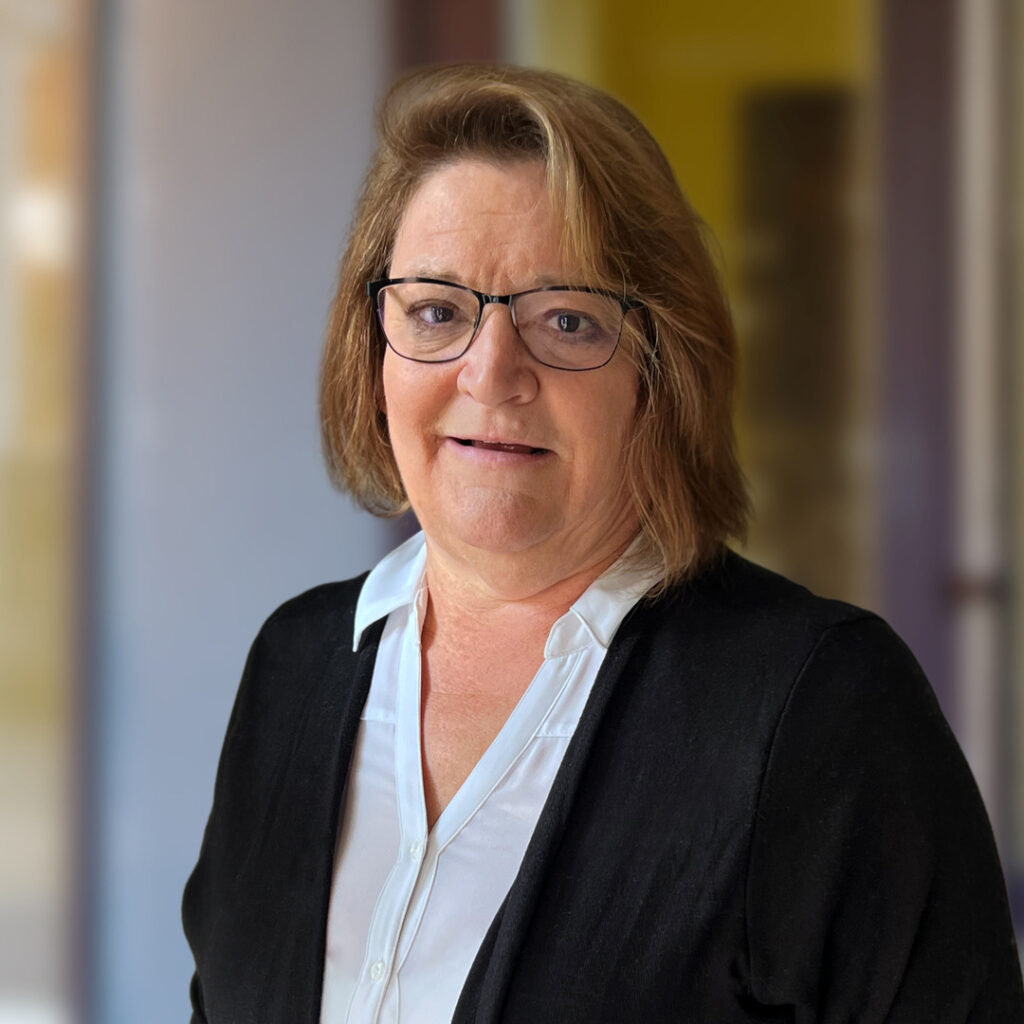
The hardest part of recovery can be believing a different life is actually possible. I know it is, because I’ve lived both sides of addiction. Your life can become more than you can see from where you are today.

Director of Marketing, Radix Recovery
Many people put off Ritalin treatment because of one fear: that getting help means losing the only thing that ever made their focus work. It does not. If you have ADHD, it still needs treatment, and our job is to treat both the addiction and the ADHD, not to strip one away to fix the other.
Our integrated assessment looks at your diagnosis history, how your prescription evolved, where use crossed from treatment into misuse, and any co-occurring anxiety or depression. It usually points to one of two pictures: a real ADHD diagnosis that needs a safer, non-stimulant management plan, or a thin original diagnosis that was masking something else. Either way, the answer comes from evaluation, not assumption.
Diagnostic clarity first
ADHD cannot be assessed accurately mid-crash, when focus and mood are wrecked by withdrawal. We re-evaluate once the crash resolves, so any diagnosis reflects you, not the stimulant leaving your system.
Non-stimulant management options
When ADHD is confirmed, the plan can include non-stimulant medications, executive-function coaching, and skill-based strategies that support focus without feeding the dependence.
One team, one plan
The addiction and the ADHD are managed by the same clinicians, in one plan, so the two never work against each other. That is the core of our ADHD and addiction treatment.
Getting through the crash is not the same as treating the addiction. The crash ends in days; the patterns that built the dependence, performance pressure, untreated ADHD, and the belief that you cannot function unmedicated, take structured work over weeks and months. NIDA’s research is consistent: longer engagement produces better outcomes, and stopping after stabilization alone leaves the underlying drivers untouched.[5] Our entire continuum lives under one roof in Cedar Rapids, with one clinical team that already knows your story, your ADHD evaluation, and your triggers by the time you finish stabilization.
Most clinical → Independent
3 to 7 days of physician-led withdrawal management with 24/7 nursing. Learn about alcohol detox and drug detox in Iowa.
30, 60, or 90-day pathways with structured daily programming. Learn about inpatient rehab in Iowa.
4 to 8 hours of clinical programming daily with off-site living. Learn about PHP in Iowa.
3 days per week, 9 to 20 hours, built around work and family. Learn about IOP in Iowa.
Weekly therapy and relapse prevention. Learn about continuing care in Iowa.
An ongoing community of Radix community members across Iowa. Learn about our alumni program.
Our facility sits in Cedar Rapids, and people come to us from every corner of the state. For the students and working professionals who make up much of our stimulant caseload, distance is itself a clinical advantage: room between yourself and the campus, the workplace, or the prescriber tied to your use removes a daily set of cues. Our admissions team coordinates travel logistics, school or work communication where you want it, and insurance for every Iowa community we serve.
Our Location
~10 min
~30 min
~1.5 hrs
~1.5 hrs
Move through the facility one room at a time, the living spaces, the gathering rooms, and the grounds where residents reconnect with themselves.

Radix is a listed treatment provider on Your Life Iowa, the official addiction-help resource run by the Iowa Department of Health & Human Services.
Across the Radix clinical leadership team, from the founding partners to the chief clinical officer.

Across client reviews of admissions, counseling, detox, and residential care.
The national standard for safety, treatment quality, and staff training in healthcare.
Yes. Ritalin (methylphenidate) is a Schedule II controlled substance, the same federal category as other prescription stimulants, because it carries a recognized potential for misuse and addiction. Taken as prescribed under medical supervision, that risk is low. Taken in higher doses, more often than prescribed, crushed and snorted, or used without a prescription, Ritalin raises dopamine sharply enough to drive compulsive use. The National Institute on Drug Abuse classifies this pattern as stimulant use disorder.[1]
When prescribed and taken as directed for ADHD, Ritalin has low addiction risk, studies suggest that treatment may even reduce later substance abuse.[6] However, it’s a stimulant with potential for misuse, especially at high doses, when crushed/snorted, or used without ADHD. Risk rises with personal or family history of addiction. Medical supervision keeps use safe.
There is no fixed timeline, because it depends on dose, route, frequency, and individual factors. Tolerance can build within weeks of regular misuse, which pushes doses higher and entrenches the cycle. People who crush and snort Ritalin reach dependence faster because the rapid dopamine spike is more reinforcing than slow oral absorption. The clearer question is whether use has become compulsive: needing more for the same effect, using to function, or failed attempts to cut back all signal stimulant use disorder.
Ritalin withdrawal often brings a “crash”: fatigue, low mood or depression, irritability, and trouble concentrating. People may feel sluggish, sleep more or struggle with insomnia, experience increased appetite, anxiety, and cravings. Symptoms vary by dose and duration, usually peaking within days. If you’re stopping, tapering with a doctor’s guidance makes the process safer and easier.
Yes. Concerta, Ritalin LA, Metadate, Daytrana, and generic methylphenidate are all the same active drug in different release formulations, and we treat them with the same protocol. Extended-release products are often misused by crushing, which defeats the release mechanism and delivers the full dose at once. Whatever formulation you have been using, our assessment captures your true dose and pattern so your treatment plan matches reality.
Supervised stabilization through the acute crash typically takes 3 to 5 days. From there, we recommend residential treatment in 30, 60, or 90-day pathways, then step-down care through PHP, IOP, and outpatient programming. The National Institute on Drug Abuse reports that longer engagement in treatment produces better outcomes [5], and because cravings and low mood can persist for weeks after stopping stimulants, we typically recommend at least 90 days across the full continuum.
In most cases, yes. We are in-network with Wellmark Blue Cross Blue Shield, TriWest Healthcare Alliance, Midlands Choice, Cigna Healthcare, Health Choice, and Medical Associates, and we work with many other plans. Substance use disorder treatment is an essential health benefit under federal parity law. Call (319) 270-2890 or use our confidential insurance verification form, and our admissions team will confirm your exact coverage at no cost and with no obligation.
No. Your treatment is protected by federal confidentiality law, including 42 CFR Part 2, which gives substance use treatment records stronger protection than most medical records. We do not contact your school, your employer, or your prescriber without your written consent. Many of the students and professionals we work with chose Radix specifically because Cedar Rapids gave them privacy and distance from their daily environment while they got well.
IOP at Radix means keeping your job, your family, your life while getting the real clinical support that makes lasting recovery possible. Start as soon as tomorrow.