You have probably heard plenty of stories about drug detox that made you hesitate. Maybe someone told you detox programs are unnecessary or that your body can naturally eliminate toxins without help. The unfortunate truth is, myths about medical detox prevent many people from getting the medical supervision they desperately need during withdrawal.
This article separates fact from fiction, addressing six common misconceptions that keep individuals from seeking effective treatment. You will discover why detox myths can be dangerous, what really happens during professional detoxification, and how proper medical care dramatically improves your chances of successful recovery from substance abuse.
Quick Takeaways
- Medical detox provides essential medical supervision that prevents life-threatening withdrawal symptoms
- Professional detox programs address physical dependence while preparing you for residential treatment
- Withdrawal from alcohol and certain drugs requires controlled environments for safety
- Evidence-based treatment programs offer better outcomes than attempting detox alone
Myths About Medical Detox #1: Your Body Can Detox Itself Without Professional Help

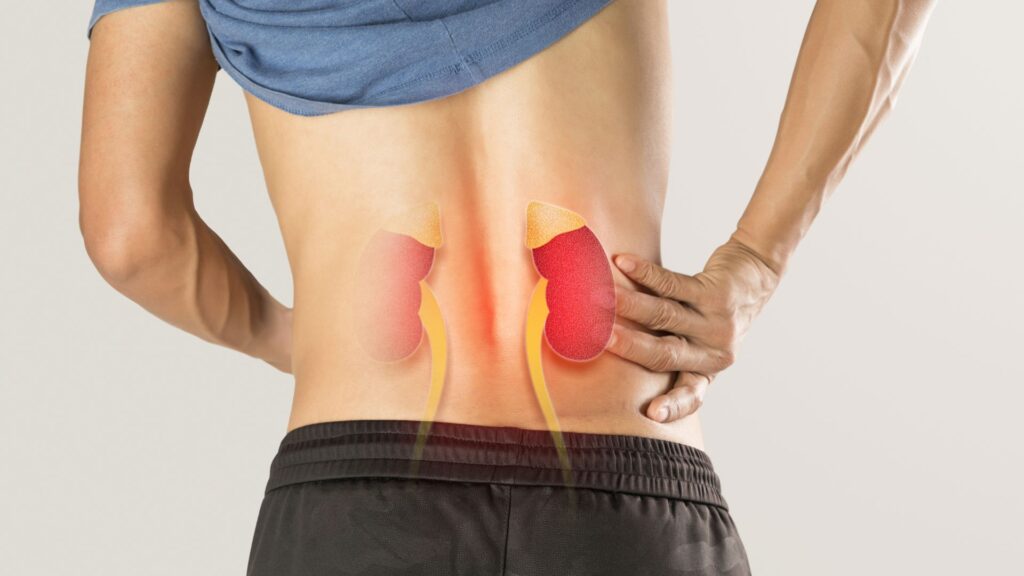
One of the first big myths about medical detox is that some people believe the human body’s detox system works perfectly on its own, and that fact makes seeking inpatient rehab unnecessary. While it’s true that your liver, kidneys, and digestive system do remove toxins naturally, this does not apply to severe substance dependence in the same way. When you drink alcohol heavily or use drugs regularly, your body becomes physically dependent on these harmful substances. Suddenly stopping can trigger dangerous withdrawal symptoms that require medical supervision to manage safely.
Liver Cells and Liver Disease
Your liver cells work continuously to filter waste products and other toxins from your blood, but years of substance abuse can cause liver damage that impairs this natural process. A fad commercial industry often promotes false claims that special diets or dietary supplements can speed up detoxification.
While scientific evidence shows that eating healthy and regular exercise support liver function, they cannot replace professional treatment when facing severe addiction. Medical professionals at treatment programs monitor vital signs, administer medications, and intervene immediately if complications arise during the withdrawal process.
Myths About Medical Detox #2: Detox Diets and Products Actually Cleanse Your System Better Than Medical Detox
Claims about body detox companion products have thankfully been losing popularity as more people learn the facts. Your liver and kidneys already perform detoxification naturally every single day without foot pads, special diets, or expensive detox products.
These marketing schemes prey on individuals hoping to lose weight quickly or eliminate toxins after substance abuse. No scientific evidence supports claims that detox diets or cleanses remove harmful substances faster than your body’s natural processes. These kinds of myths about medical detox may stop someone from seeking out necessary treatment that is necessary improve their outcomes.
Effective treatments will also address the physical and psychological aspects of dependence, preparing you for long-term recovery rather than offering quick fixes that provide no positive results for addiction.
Myths About Medical Detox #3: Medical Detox Is Only for Severe Addiction Cases

Another of these dangerous myths about medical detox is that this kind of treatment should only be reserved for the most severe cases. This dangerous misconception keeps people from seeking help until their situation becomes critical. The reality is that treatment options exist for various forms of substance use, severity, and early intervention through detox programs has been proven to help prevent progression to more severe addiction. Whether you drink alcohol occasionally but cannot stop, or you have developed dependence on prescription medications, a professional assessment is the best way to determine the appropriate level of care you need.
Inpatient Rehab vs Outpatient Rehab
Outpatient rehab works for some individuals with mild dependence and strong support systems at home. However, many people underestimate their addiction severity or overestimate their ability to quit without help. Withdrawal symptoms can escalate quickly, and having access to medical supervision in a controlled detox environment significantly reduces risks.
By contrast, medical detox provides 24-hour monitoring, immediate intervention for complications, and a structured setting free from triggers that lead to relapse. The medical team evaluates your specific situation and recommends whether residential treatment or outpatient care offers the safest path forward for your recovery journey.
Myths About Medical Detox #4: Detox Alone Cures Addiction
Completing detoxification represents an important first step for many struggling with substance abuse disorders, but viewing detox as the complete treatment program sets you up for eventual disappointment and relapse.
While your body eliminates the substances and stabilizes physically during detox, the true scope of addiction involves much more than physical dependence. The psychological components, behavioral patterns, and underlying issues that contributed to your substance use remain unaddressed after detoxification ends.
This explains why residential programs combine detox with comprehensive treatment that includes group counseling, individual therapy, and skills development. After your body rids itself of drugs or alcohol, the real work begins. You learn how to:
- Develop coping strategies
- Identify triggers
- Process trauma
- Build a foundation for sustained recovery
Limiting alcohol & drug consumption or completely abstaining requires lifestyle changes, support networks, and often ongoing treatment after leaving inpatient care. Studies show that patients who complete full treatment programs, not just detox, achieve significantly better long-term outcomes. Think of detox as clearing the slate so effective treatment can begin, rather than the solution itself.
Myths About Medical Detox #5: Natural Remedies Work as Well as Medical Treatment
Herbs, supplements, and natural approaches appeal to people who worry about medications or prefer alternative treatments. While nutrients, eating healthy, and quality sleep support overall health during recovery, they cannot replace medical supervision when withdrawing from substances like alcohol, benzodiazepines, or opioids. Certain withdrawal processes carry serious and potentially life-threatening health risks, including seizures, cardiovascular complications, and severe dehydration that require immediate medical intervention to prevent death.
The idea that your immune system just needs support from the right supplements ignores the complex medical issues involved in detoxification.
- Heavy metals and other toxins do accumulate in your body over time, but professional treatment addresses the immediate dangers of withdrawal first.
- Medications prescribed during medically-supervised detox ease symptoms, prevent complications, and make the process more tolerable.
- Your doctor monitors your blood pressure, heart rate, and other vital signs while adjusting medications as needed. This level of care simply cannot be replicated with herbs or alternative therapies, regardless of what the detox industry markets to desperate individuals seeking help.
Myths About Medical Detox #6: Insurance Does Not Cover Medical Detox Services
Financial concerns prevent many people from pursuing treatment, often based on the mistaken belief that insurance companies refuse to cover addiction services. However, federal legislation now requires most insurance plans to provide coverage for substance abuse treatment, including medical detox and residential programs. While specific benefits vary by plan, many patients discover their out-of-pocket costs are far lower than expected once they actually verify their insurance coverage.
Even without insurance, various treatment options exist, including sliding-scale payment plans, state-funded programs, and nonprofit facilities that work with patients regardless of financial circumstances. The cost of continuing active addiction, both financially and in terms of health consequences, typically far exceeds the investment in professional treatment.
Many residential treatment centers employ staff specifically to help you navigate insurance questions, verify benefits, and explore all available payment options. Making assumptions about costs without investigating your actual coverage options keeps you trapped in active addiction when help remains accessible.
Myths About Medical Detox Frequently Asked Questions
What is medical detox like?
Medical detox involves staying at a residential facility with 24-hour medical supervision. You receive medications to ease withdrawal symptoms, participate in health assessments, attend group counseling sessions, and follow structured daily schedules. Medical staff monitor your vital signs continuously while providing emotional support throughout the process, creating a safe, controlled environment for recovery.
Can you have your phone in medical detox?
Most detox programs restrict phone use during the initial days to help you focus on recovery without distractions. After stabilization, many facilities allow limited phone access during designated times. Some programs permit phones but restrict camera features or social media to protect patient privacy and maintain a therapeutic environment.
Ready to Start Your Medical Detox Safely?
Radix Recovery’s medical alcohol & drug detox program provides 24-hour medical supervision, proven medications, and compassionate care in a safe, controlled environment. Our experienced team guides you through withdrawal comfortably while preparing you for lasting recovery. Don’t face detox alone. Call Radix Recovery today for confidential support and take the first step toward freedom from addiction.