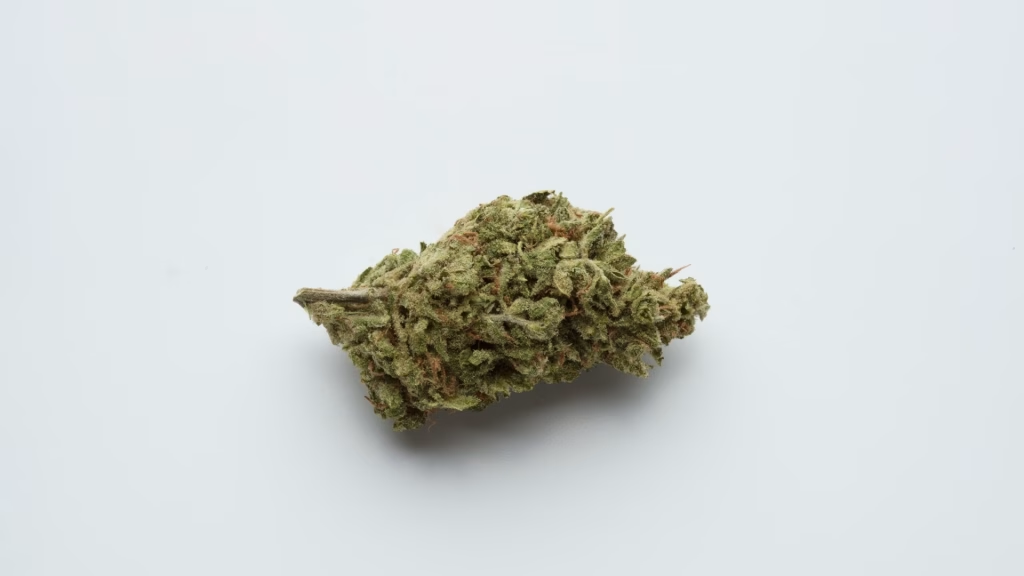
Is marijuana addictive? This question has become increasingly important as legalization expands across the United States. While cannabis is often perceived as harmless, research shows that regular marijuana use can lead to cannabis use disorder, a condition affecting approximately 30% of people who use marijuana. This article explores the science behind marijuana addiction, identifies risk factors, examines withdrawal symptoms, and explains treatment options for those struggling with problematic cannabis use and seeking lasting recovery.
Key Takeaways
- Marijuana is addictive for many users, who develop cannabis disorder at higher rates than one might expect.
- Cannabis withdrawal symptoms include irritability, sleep difficulties, decreased appetite, anxiety, and cannabis cravings that peak within the first week
- High-potency cannabis products like concentrates and synthetic cannabinoids carry an increased risk of developing cannabis dependence
- Mental health conditions frequently co-occur with marijuana use disorder, requiring integrated treatment approaches
- Behavioral therapies, including cognitive behavioral therapy and contingency management, effectively treat cannabis addiction
What Is Cannabis Use Disorder?

Cannabis use disorder represents a clinically significant pattern of marijuana use leading to impairment or distress. Marijuana can be addictive, with about 9% of users developing cannabis use disorder, rising to 17% for those who start as young adults and to 25-50% for daily users. The Diagnostic and Statistical Manual of Mental Disorders (DSM-5) defines this condition through specific 11 criteria. some of which include:
- Unsuccessful efforts to cut down
- Withdrawal symptoms when stopping
- Continued use despite negative consequences
Unlike occasional recreational use, cannabis use disorder involves loss of control over cannabis consumption and continued use despite physical or psychological problems. The condition exists on a spectrum from mild to severe based on how many criteria someone meets. People with cannabis use disorder often experience social or relationship problems, neglect important responsibilities, and continue smoking cannabis despite knowing it harms their health or mental well-being.
Is Marijuana Addictive? The Link Between Marijuana Addiction and Dependence
Yes, marijuana is addictive, though not everyone who uses cannabis develops addiction. Cannabis dependence involves both physical and psychological components. Physical dependence occurs when your brain adapts to regular cannabis exposure, leading to withdrawal symptoms when you stop. Psychological dependence involves compulsive use driven by cravings, habit, and the perceived need for marijuana to function normally or cope with stress.
The cannabis plant contains THC (tetrahydrocannabinol), which activates reward pathways in the brain similar to other substances. Repeated activation changes brain chemistry, making it increasingly difficult to experience pleasure without using cannabis. Heavy cannabis users often need more cannabis to achieve the same effects as tolerance builds, a hallmark sign of substance use disorders.
Young adults face a particularly elevated risk. Starting marijuana use before age 18 significantly increases the likelihood of developing cannabis use disorder. This heightened vulnerability relates to ongoing brain development during adolescence and young adulthood.
Cannabis Withdrawal: What to Expect
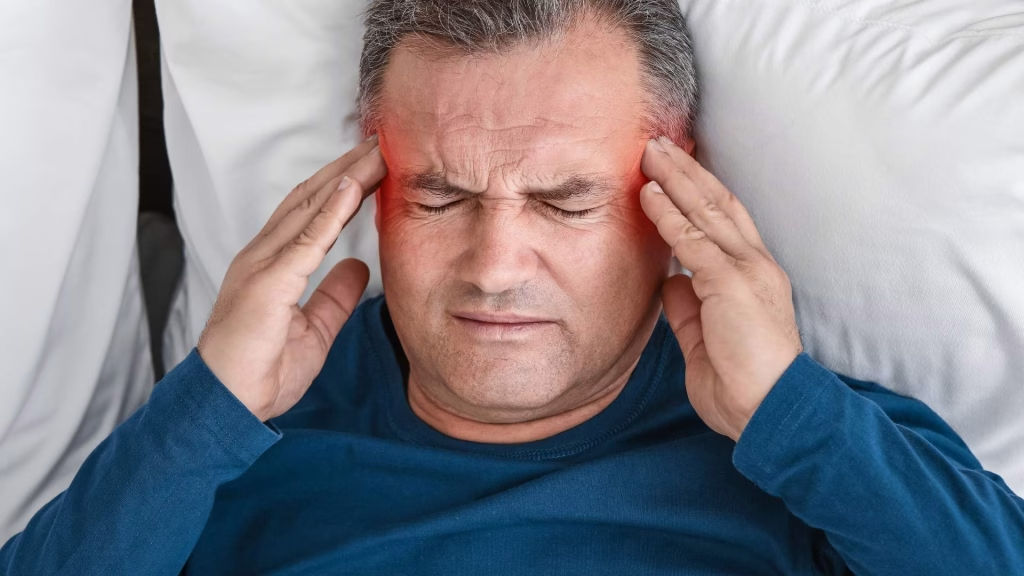
Cannabis withdrawal symptoms are real and can significantly challenge recovery efforts. When heavy cannabis users stop or reduce consumption, their bodies react to the absence of THC. Common cannabis withdrawal symptoms include irritability, anxiety, sleep difficulties, decreased appetite, restlessness, and depressed mood. Physical symptoms like:
- Headaches
- Sweating
- Chills
- Stomach problems
Withdrawal typically begins within 24-72 hours after last use, peaks during the first week, and gradually subsides over 2-4 weeks. Cannabis cravings can persist longer, sometimes for months, particularly when encountering triggers associated with past marijuana use. The intensity of withdrawal depends on usage patterns; daily users of high-potency cannabis typically experience more severe symptoms than occasional users.
Unlike alcohol or opioid withdrawal, cannabis withdrawal rarely causes dangerous medical complications. However, the psychological distress can feel overwhelming and contribute to relapse risk. Many people underestimate withdrawal difficulty, assuming marijuana use disorder will be easy to overcome independently. This misconception leads to unsuccessful efforts and repeated relapse cycles.
Risk Factors for Developing Cannabis Use Disorder
Multiple risk factors increase vulnerability to marijuana addiction.
- Genetics plays a significant role; people with a family history of substance use disorders face an increased likelihood of developing cannabis dependence.
- Mental health conditions, including depression, anxiety, and other psychiatric disorders, create a heightened risk. Many individuals initially use cannabis to manage symptoms of mental health disorders, leading to a problematic pattern of self-medication.
- Environmental factors matter substantially. Early exposure to drug use, peer groups where marijuana use is normalized, and easy access to cannabis all contribute to risk.
- Trauma history and adverse childhood experiences correlate strongly with later substance abuse.
- Social or relationship problems and a lack of supportive connections also increase vulnerability to developing cannabis use disorder.
The potency of cannabis products has increased dramatically over recent decades. High-potency cannabis containing 15% or higher THC carries a greater addiction risk than lower-potency products. Concentrates, wax, and synthetic cannabinoids deliver extremely high THC doses, accelerating the development of tolerance and dependence. People using these products multiple times daily face a substantially elevated risk of cannabis addiction compared to those using traditional marijuana flower occasionally.
How Marijuana Affects Mental Health
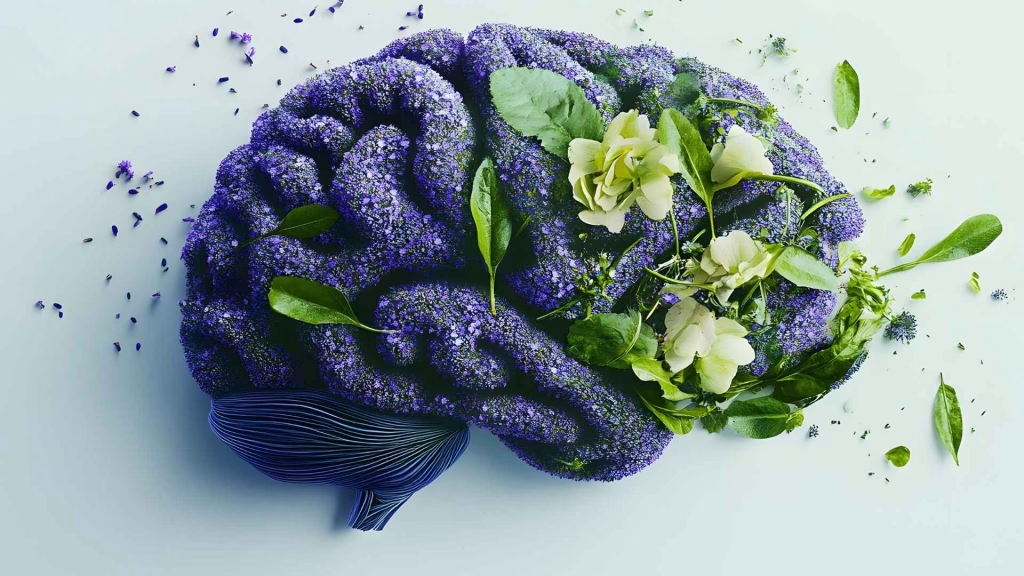
The relationship between marijuana use and mental health is complex. While some people initially use medical marijuana or cannabis to alleviate symptoms, problematic cannabis use often worsens mental health conditions over time. Research shows associations between heavy cannabis use and increased risk of depression, anxiety, and, in vulnerable individuals, psychotic disorder.
Cannabis consumption affects brain chemistry and function, particularly when use begins during adolescence. Altered brain development from early marijuana use can impact memory, attention, decision-making, and emotional regulation. These cognitive effects may persist even after stopping use, particularly in young adults whose brains are still developing.
Mental health disorders frequently co-occur with cannabis use disorder. This dual diagnosis requires integrated treatment addressing both substance use and mental health simultaneously for optimal outcomes.
Treatment Options for Cannabis Addiction
Effective treatment for cannabis use disorder combines several evidence-based approaches. Behavioral therapies form the foundation of treatment, helping people understand triggers, develop coping strategies, and build skills for maintaining recovery.
- Cognitive behavioral therapy teaches individuals to identify and challenge thought patterns that support continued marijuana use while developing alternative responses to cravings and stress.
- Contingency management uses positive reinforcement to encourage abstinence. This approach provides tangible rewards for verified periods without cannabis use, effectively strengthening motivation and supporting early recovery.
- Motivational enhancement therapy helps people resolve ambivalence about quitting and strengthens personal commitment to change through exploring values and goals.
- Family therapy addresses relationship dynamics that may contribute to or be affected by cannabis addiction. Involving loved ones in treatment helps rebuild trust, improve communication, and create supportive home environments conducive to recovery. Family members learn how to support recovery without enabling continued use.
Treatment settings vary based on individual needs and severity. Outpatient programs allow people to maintain work and family responsibilities while receiving structured support. Intensive outpatient programs (IOP) provide more frequent sessions for those needing higher levels of care. Residential treatment offers immersive experiences for people with severe cannabis use disorder or co-occurring conditions requiring intensive intervention.
Is Marijuana Addictive? Frequently Asked Questions
What does marijuana addiction do to the brain?
Marijuana addiction can alter brain chemistry by affecting the endocannabinoid system that regulates mood, memory, and reward processing. Chronic use may reduce natural endocannabinoid production, making the brain dependent on external THC. This causes changes in dopamine signaling, potentially impacting motivation, emotional regulation, and cognitive function, particularly when use begins during adolescence.
What is considered excessive marijuana use?
Excessive marijuana use typically means daily or near-daily consumption that interferes with responsibilities, relationships, or health. Using cannabis multiple times per day, needing increasing amounts for desired effects, or continuing despite negative consequences signals problematic use. Any pattern where marijuana use causes clinically significant impairment warrants evaluation for cannabis use disorder.
What is the addictiveness of marijuana?
Research indicates approximately 9% of marijuana users develop addiction, rising to 17% for those starting in adolescence and 25-50% among daily users. While less addictive than some substances, cannabis clearly carries addiction potential. High potency products, early age of initiation, and frequency of use all increase addiction risk substantially.
Take the First Step Toward Recovery at Radix Recovery
Knowing that marijuana can be addictive represents an important first step in recognizing when cannabis use has become problematic. Cannabis use disorder is a real medical condition requiring professional treatment, not a moral failing or lack of willpower. If you or someone you care about struggles with marijuana addiction, help is available through evidence-based treatment that addresses addiction at its root.
Radix Recovery provides comprehensive care beginning with on-site, medically supervised detox and continuing through our full continuum of evidence-based treatment services. Our integrated approach combines behavioral therapies, structured programming, and a supportive recovery community that empowers lasting change. We treat the whole person, addressing co-occurring mental health conditions alongside substance use in our Cedar Rapids, Iowa, facility.
Recovery from cannabis addiction is absolutely possible with proper support and treatment. Our team understands the complexities of marijuana use disorder and provides compassionate, professional care tailored to your unique needs. Don’t let cannabis control your life any longer. Contact Radix Recovery today to learn how our medically supervised detox and evidence-based treatment programs can help you build the foundation for long-term recovery and reclaim your life from addiction.