If you’ve ever experienced the sharp, excruciating pain of a kidney stone, you know it’s something you never want to go through again. For many adults, the question isn’t just about diet or hydration, but about their drinking habits. Does that nightly glass of wine or the beers on the weekend put you at risk?
Does alcohol cause kidney stones? While alcohol itself isn’t a direct stone-former in the same way a calcium supplement might be, the relationship between alcohol consumption and your kidney health is complex. It’s not a simple cause-and-effect, but rather a chain reaction involving dehydration, uric acid, and the overall strain on your body’s filtration system. Knowing how your drinking habits impact your vital organs might be a first step toward rebuilding your life and physical well-being while dealing with alcohol addiction.
Quick Takeaways
- Indirect Cause: Alcohol doesn’t directly form stones, but creates the perfect environment for them through dehydration.
- Dehydration Danger: Alcohol is a diuretic, causing too much fluid loss, which concentrates urine and leads to stone formation.
- Purine Risks: Alcoholic beverages like beer and grain liquor can be high in purines, increasing the risk of uric acid stones.
- Kidney Strain: Heavy drinking forces your kidneys to work harder, increasing the risk of chronic kidney disease over time.
- Double Threat: Combining smoking with heavy drinking increases the risk of chronic kidney disease by up to five times.
The Short Answer: Is There a Direct Link?

The clinical answer to “Does drinking alcohol cause kidney stones?” is technically “No, but…” It’s not as if the alcohol itself turns into a stone. However, alcohol use is a major catalyst for the conditions that allow stones to develop. Think of your kidneys as a delicate filtration plant. When you introduce harmful substances, such as excessive ethanol, you disrupt the balance.
Research presents a paradox here. Some clinical research suggests that moderate alcohol consumption (like occasional wine) might actually have a slight protective effect against stones due to increased urine output. However, this “benefit” is rapidly outweighed by the risks associated with binge drinking or chronic drinking. When you drink alcohol heavily, you are not just risking stones; you are risking long-term kidney damage.
According to the National Kidney Foundation, regular heavy drinking has been found to double the risk of developing kidney disease.
How Alcohol Intake Hijacks Your Kidney Function
Your kidneys are two bean-shaped organs that filter waste from your blood and balance fluids. Alcohol affects this process almost immediately. When you consume alcohol, it inhibits the release of vasopressin, an antidiuretic hormone. This signals your kidneys to dump water rather than reabsorb it.
This process forces your kidneys to work overtime. Instead of maintaining a healthy balance of fluid intake, your body flushes out water, allowing dangerous minerals like calcium and oxalate to accumulate in the kidneys. If these minerals can’t be flushed out because there is too much fluid loss, they crystallize into stones.
The Filter Failure:
- Toxic Overload: Your kidneys must filter the toxins from alcohol, diverting energy from other critical functions.
- Electrolyte Imbalance: Alcohol disrupts electrolyte balance, which is crucial for kidney function.
- Blood Pressure Spikes: Alcohol raises blood pressure, and high blood pressure is a leading cause of kidney failure.
Dehydration and the Root of the Problem With Alcohol Consumption
The most significant way alcohol interacts with stone formation is through dehydration. Dehydration is a leading cause of kidney stones. When you are dehydrated, your urine becomes concentrated. Dark, concentrated urine is a breeding ground for stone formation because there isn’t enough fluid to keep minerals dissolved.
For American adults who drink, this is a silent risk. You might feel fine while drinking, but your body is rapidly losing the fluids it needs to process waste. Dehydration is a primary risk factor for stone formation. Studies indicate that increasing fluid intake significantly reduces the risk of stone recurrence.
Beer, Wine, or Liquor: Does the Type of Alcohol Used Matter?

Not all alcoholic beverages carry the same risk profile when it comes to stones. The chemical makeup of what you drink matters just as much as the alcohol content.
The Purine Problem When You Drink Alcohol
Certain drinks, specifically beer and grain alcohols (like whiskey or vodka), are high in purines. Purines are chemical compounds that your body breaks down into uric acid. High levels of uric acid can lead to the formation of uric acid stones, a painful type of kidney stone that is entirely different from the more common calcium oxalate stones.
| Alcohol Type | Risk Factor | Why? | Stone Type Most Affected | Risk Reduction Tips |
| Beer | Higher | Rich in purines; leads to high uric acid levels. | Uric acid stones | Limit intake; increase water between drinks |
| Grain Liquor | Moderate/Higher | Can contain high purine content; causes rapid dehydration. | Uric acid & calcium oxalate stones | Alternate with water; avoid binge drinking |
| Sweet Cocktails | Higher | High sugar content (fructose) increases kidney stone risk. | Calcium oxalate stones | Choose low-sugar mixers; hydrate aggressively |
| Wine | Lower/Mixed | Lower purine content, but dehydration risk remains. | Calcium-based stones | Moderate intake; drink water alongside alcohol |
The “Double-Edged Sword”: Moderate vs. Heavy and Binge Drinking
It is important to distinguish between moderate drinking and heavy drinking. The CDC defines heavy drinking as more than 15 drinks per week for men and more than 8 for women. Binge drinking (5+ drinks in 2 hours for men and 4+ for women) is even more dangerous for your kidneys.
Can Heavy Drinking Cause Chronic Kidney Disease?
While a casual glass of wine might not harm your kidneys, crossing the line into excessive drinking changes the equation entirely. Heavy alcohol consumption causes “oxidative stress” in the kidney tissue, leading to inflammation and scarring. This damage can eventually lead to chronic kidney disease (CKD).
Beyond Stones: Other Kidney Disease Dangers
Focusing only on stones misses the bigger picture. Alcohol is a systemic toxin that can lead to far worse outcomes than a stone.
- Acute Kidney Injury (AKI): Binge drinking can cause a sudden drop in kidney function, known as acute kidney injury. This stops the kidneys from filtering blood, causing toxins to build up rapidly. This is a medical emergency.
- High Blood Pressure: Alcohol consumption raises blood pressure. Since high blood pressure is the second leading cause of kidney failure, this is a critical link.
- Liver-Kidney Connection: Liver disease (often caused by alcohol) puts immense strain on the kidneys. A failing liver reduces blood flow to the kidneys, potentially leading to Hepatorenal Syndrome, a life-threatening condition.
Warning Signs Your Kidneys Are Struggling
If you are a regular drinker, do not wait for a diagnosis. Watch for these signs that your kidneys are under stress:
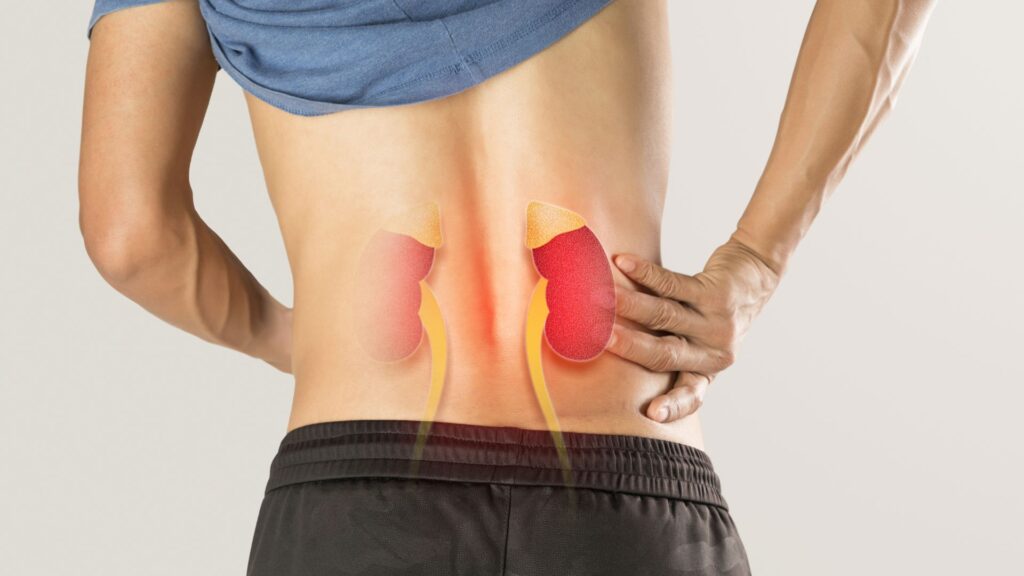
- Flank Pain: A dull ache in your mid-to-lower back (where your bean-shaped organs are located).
- Changes in Urination: Foamy urine, dark color (amber/brown), or needing to go more often at night.
- Swelling: Fluid retention in your legs, ankles, or feet (edema).
- Fatigue: Kidneys produce a hormone that helps create red blood cells; when they fail, you get tired.
Action Plan: Protecting Your Kidneys Starting Today
You can rebuild your health. If you are concerned about your drinking and your kidneys, here is a breakdown of immediate steps.
The Kidney-Safety Protocol:
- Hydrate Aggressively: If you consume alcohol, match every drink with a glass of water.
- Know Your Limit: Stick to moderate alcohol consumption guidelines (1 drink/day for women, 2 for men) or abstain completely.
- Monitor Blood Pressure: Check your blood pressure regularly. If it’s high, alcohol is likely a major contributor.
- Dietary Shift: Reduce salt and animal protein intake to lower the risk of developing stones.
- Seek Medical Help: If you have flank pain or difficulty urinating, see a healthcare provider immediately.
- Find Treatment for Alcohol Addiction: If you struggle to control your drinking, professional treatment can help. Rehabilitation programs offer medical supervision, counseling, and support to address alcohol use disorder and dependency before it causes irreversible kidney damage.
Taking proactive steps today can prevent lasting damage to your kidneys and overall health. Your body has a remarkable healing capacity when given the chance, so don’t wait to make these changes.
Does Alcohol Cause Kidney Stones? Frequently Asked Questions
Can alcohol directly cause kidney stones?
No, alcohol use does not directly create stones. However, it causes severe dehydration and increases uric acid levels. These two factors create the ideal environment for stones to form. Chronic drinking also damages overall kidney function, making it harder for your body to filter waste.
Why do I feel pain near my kidney after drinking?
Pain in the flank (side/back) after drinking is can be due to kidney swelling from the increased volume of urine or inflammation (nephritis). However, flank pain after drinking isn’t specific. If severe, persistent, or accompanied by fever, vomiting, or blood in urine, seek urgent care to rule out a stone, infection, or other cause
Is beer safer than spirits for the kidneys?
Not necessarily. While beer has more fluid, it is also very high in purines, which break down into uric acid. This increases the risk of uric acid stones. Spirits cause more rapid dehydration. The safest option for your kidneys is always water.
Final Thoughts From Radix Recovery
So, does alcohol cause kidney stones? It may not be the stone itself, but it is the architect of the environment where stones thrive. Through dehydration, uric acid spikes, and systemic inflammation, alcohol poses a serious threat to your renal health.
At Radix Recovery, we know that physical symptoms like kidney stones are often signals of a deeper imbalance. We help people rebuild their lives from the root up, addressing not just the physical consequences of addiction, but the underlying causes. If you are using alcohol to cope and suffering physically because of it, there is a better way. Contact us today to get started on the path toward recovery.