Blog Articles
Radix Recovery in Cedar Rapids, Iowa, provides comprehensive addiction and dual diagnosis treatment with detox, inpatient, and outpatient levels of care. We are building a community where all who want change are welcome with outpatient opening February 2025, and inpatient in June 2025.

Long-term, heavy alcohol use can result in a thinning of the brain’s cortex. The cortex is responsible for key functions such as decision making, emotion regulation, and self-control, and thinning may lead to difficulties in critical thinking and social interactions.
Researchers studying addictive behaviors have moved away from the notion of one fixed personality type that leads to alcoholism. Instead, they look at how certain personality traits, environmental factors, and brain chemistry interact.
A functional alcoholic may excel at work, hit deadlines, and look healthy on the outside. At the same time, the same person may rely heavily on alcohol after hours, hide bottles, or drink alone to take the edge off. The contrast between public image and private behavior is what makes high-functioning alcoholism so easy to miss.
Some estimates suggest alcohol-induced psychosis affects a small minority of individuals with alcohol use disorder, with rates varying by study and diagnostic criteria.
Gabapentin is not FDA-approved to treat alcohol use disorder or withdrawal, but research shows potential benefits when prescribed off-label thoughtfully under medical supervision.
DTs occur in a minority of individuals experiencing alcohol withdrawal symptoms, often estimated at around 3% to 5% in hospitalized withdrawal populations, and untreated cases can be fatal.
Wet brain symptoms are the physical and cognitive changes that show up when the brain is starved of thiamine, also called Vitamin B1. The medical term is Wernicke-Korsakoff Syndrome, sometimes shortened to WK Syndrome.
Wet brain, or Wernicke-Korsakoff syndrome, is a serious brain disorder from chronic alcohol misuse. Learn symptoms, causes, and treatment.
Prozac and alcohol influence the brain in different but overlapping ways. When active in the body simultaneously, they can interfere with each other and produce unpredictable outcomes.
Mixing oxycodone and alcohol creates a compounding depressant effect on the brain and nervous system. Because both drugs affect overlapping pathways in the their combined impact can be dangerously amplified.
While on beta blockers, it is important to understand how lifestyle choices, including alcohol consumption, can affect the way the medicine affects your body.
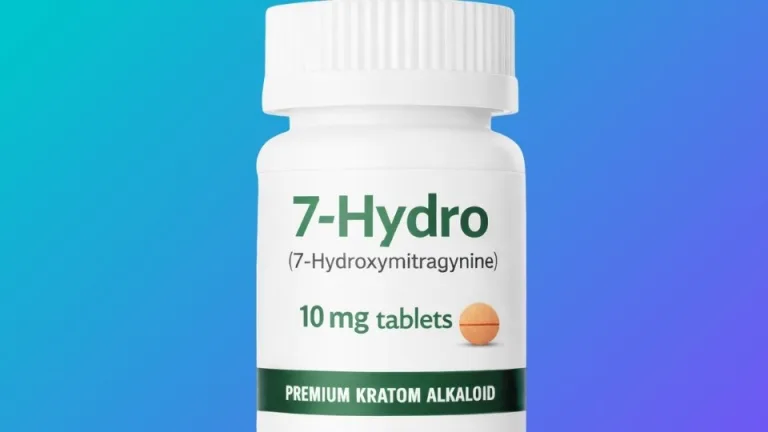
In cases of heavy, long-term use, 7 OH can lead to severe reactions requiring medical attention. Respiratory depression and liver toxicity are among the most serious concerns.
The distinction between standard kratom products and concentrated 7 OH tablets is critical for consumers to understand.
7 OH is widely used as a slang abbreviation for 7-hydroxymitragynine, a potent chemical compound derived from the kratom plant.
When taken together, the better-established concern is that alcohol and ibuprofen can both irritate the stomach and increase the risk of bleeding,.
Alcohol is a central nervous system depressant, and Zoloft can also cause side effects. When combined, it can worsen drowsiness, dizziness, and impair judgment.
The interaction between metformin and alcohol is complex. Discuss your alcohol intake with your healthcare provider before making changes.
Ativan withdrawal symptoms can begin within hours of the last dose and may include severe anxiety, sleep disturbances, and, in some cases, life-threatening complications.