Substance Use Disorder and Addiction
Addiction is a treatable medical condition, not a moral failing. Whatever the substance, there is a clear path out, and it starts here.


Substance use disorder (SUD) is a treatable medical condition in which a person keeps using alcohol or other drugs despite harm. The DSM-5 diagnoses it on a continuum from mild to severe, based on how many of 11 criteria are present.[1]
Admissions in under 24 hours
Trusted in-network insurance partnerships
- Wellmark BCBS
- TriWest Healthcare Alliance
- Midlands Choice
- Cigna Healthcare
- Health Choices
- Medical Associates
- Clinically Reviewed By

- Clinical and Medical Review Record
Last Reviewed
July 2026
- Medically Reviewed By
- The Basics
What Is Substance Use Disorder?
A Treatable Medical Condition
Substance use disorder is a medical condition in which a person continues using a substance despite the harm it causes, driven by changes in the brain's reward, motivation, and self-control systems. Naming it as a condition, rather than a character flaw, is the first step toward treating it like one.
From 'Abuse' to 'Use Disorder'
In 2013 the DSM-5, the standard diagnostic manual, replaced the older terms substance abuse and substance dependence with this single diagnosis, in part because abuse carried stigma that got in the way of care.[2]. Today clinicians describe SUD on a single continuum from mild to severe.
SUD is diagnosed on a continuum from mild to severe, based on how many of 11 criteria are present within a 12-month period (APA).
The DSM-5 Criteria
We paraphrase the criteria here for education. Only a licensed clinician can make a diagnosis, and our admissions team can arrange one.
The DSM-5 lists 11 criteria grouped into four areas. A clinician counts how many are present over a 12-month period to gauge severity (APA; NCBI):
Severity depends on how many criteria are present, which the next section explains.
How Severity Is Measured
Severity is based on how many of the eleven criteria are present within a 12-month period (NCBI):
- Severity
Mild 2 to 3 criteria
Two or three of the eleven criteria are present within a 12-month period.
Moderate 4 to 5 criteria
Four or five criteria present, reflecting a more established pattern.
Severe 6 or more
Six or more criteria, indicating a severe substance use disorder.
This is educational, not a self-diagnosis tool. If several criteria sound familiar, the next step is a conversation with our admissions team, not a label.
Do I Have a Substance Use Disorder?
These are common signs worth taking seriously. Only a clinical assessment can give a real answer, and starting one with us is free and confidential:
If several of these feel familiar, a free, confidential assessment is the right next step. Our admissions team can talk it through with you, confidentially.
(319) 270-2890Speak With Admissions NowSpeak With Admissions NowWhat are the types of substance use disorder? The DSM-5 recognizes substance use disorders across roughly ten classes of substances, including alcohol, opioids, stimulants, sedatives and anxiolytics such as benzodiazepines, cannabis, hallucinogens, inhalants, and tobacco, among others (APA). Each behaves differently in the body and calls for a different detox and treatment approach, which is why we treat each substance on its own dedicated program while sharing one clinical foundation.
- Substances We Treat
Substance Use Disorders in the DSM Explained
Alcohol Use Disorder
A pattern of alcohol consumption that continues despite negative effects on health, relationships, or daily functioning, ranging from mild to severe. It often involves tolerance, cravings, and withdrawal symptoms such as tremors, anxiety, or seizures when drinking stops.
Opioid Use Disorder
Compulsive use of opioids such as heroin, fentanyl, or prescription painkillers despite harmful consequences, driven by intense cravings and physical dependence. Withdrawal is deeply uncomfortable, and overdose risk is high, making it one of the most lethal substance use disorders. Explore: Opioid Use Disorder
Stimulant Use Disorder
Problematic use of drugs like cocaine, methamphetamine, or prescription stimulants that speed up the central nervous system, producing energy, euphoria, and alertness. Chronic use can lead to paranoia, cardiovascular damage, and severe psychological crashes between doses.Explore: Stimulant Use Disorder
Benzodiazepines & Sedative Use Disorder
Dependence on drugs like Xanax, Valium, or sleep aids that calm the nervous system, often beginning with legitimate prescriptions for anxiety or insomnia. Stopping abruptly can be dangerous, causing seizures and severe withdrawal that may require medical supervision.
Cannabis Use Disorder
Continued cannabis or synthetic cannabinoid use despite interference with work, school, or relationships, sometimes accompanied by tolerance and withdrawal. Synthetic versions ("K2," "Spice") are especially unpredictable and can cause severe agitation, psychosis, or medical emergencies.Explore programs: Cannabis Use Disorder
Hallucinogen & Dissociative Use
Misuse of substances like LSD, MDMA (ecstasy), ketamine, or psilocybin that alter perception, mood, and sense of reality. While physical dependence is less common, risks include dangerous behavior, lasting perceptual disturbances, and harm from adulterated or unknown doses.Explore: Hallucinogen Use Disorder · Anxiolytic Use Disorder
Inhalant Use Disorder
Repeated misuse of household or industrial products, such as aerosol sprays, glue, paint thinner, nitrous oxide, or cleaning fluids, that are inhaled to produce a quick, short-lived high. Because these chemicals are cheap, legal, and easy to access, inhalant use is especially common among younger people and often overlooked as a serious substance use disorder.Explore: Inhalant Use Disorder
Not sure which fits? Call (319) 270-2890 and our admissions team will point you to the right program.
- Take the First Step
Recovery Starts With One Conversation
Whatever the substance, our admissions team will help you find the right level of care, confidentially and without pressure. We are here 24/7.
How Substance Use Disorder Is Treated
There is no single one-size-fits-all treatment; effective care is individualized and usually combines several elements.[3]
Care
Medically Monitored Detox
Get through withdrawal safely with 24/7 medical support and stabilization.
Includes →- 24/7 nursing
- Withdrawal management
- Stabilization
Evidence-Based Therapy
Cognitive behavioral therapy, contingency management, and motivational interviewing address the drivers of use.
Includes →- CBT
- Contingency mgmt
- Motivational interviewing
Dual Diagnosis Care
Co-occurring mental health conditions treated at the same time, by one clinical team.
Addresses →- Anxiety
- Depression
- Trauma
Care is delivered across a continuum, so the level can step up or down as needs change. Medication-assisted treatment is detailed below.
Medication-Assisted Treatment at Radix
Where clinically appropriate, medication supports recovery from opioid and alcohol use disorders, always paired with therapy. At Radix that means two FDA-approved options:
- Levels of Care
A Full Continuum of Care at Radix
Treatment is delivered across a continuum, so the level of care can step up or down as needs change, all under one clinical team in Cedar Rapids.
Your care team adjusts the level as you progress, from medically monitored detox through long-term aftercare.
More intensive → Independent living
3 to 7 days of physician-led withdrawal management with 24/7 nursing. Learn about alcohol detox and drug detox in Iowa.
30, 60, or 90-day pathways with structured daily programming. Learn about inpatient rehab in Iowa.
4 to 8 hours of clinical programming daily with off-site living. Learn about PHP in Iowa.
3 days per week, 9 to 20 hours, built around work and family. Learn about IOP in Iowa.
Standard Outpatient & Continuing Care
Weekly therapy and relapse prevention. Learn about continuing care in Iowa.
An ongoing community of Radix community members across Iowa. Learn about our alumni program.
The hardest part of recovery can be believing a different life is actually possible. I know it is, because I’ve lived both sides of addiction. Your life can become more than you can see from where you are today.
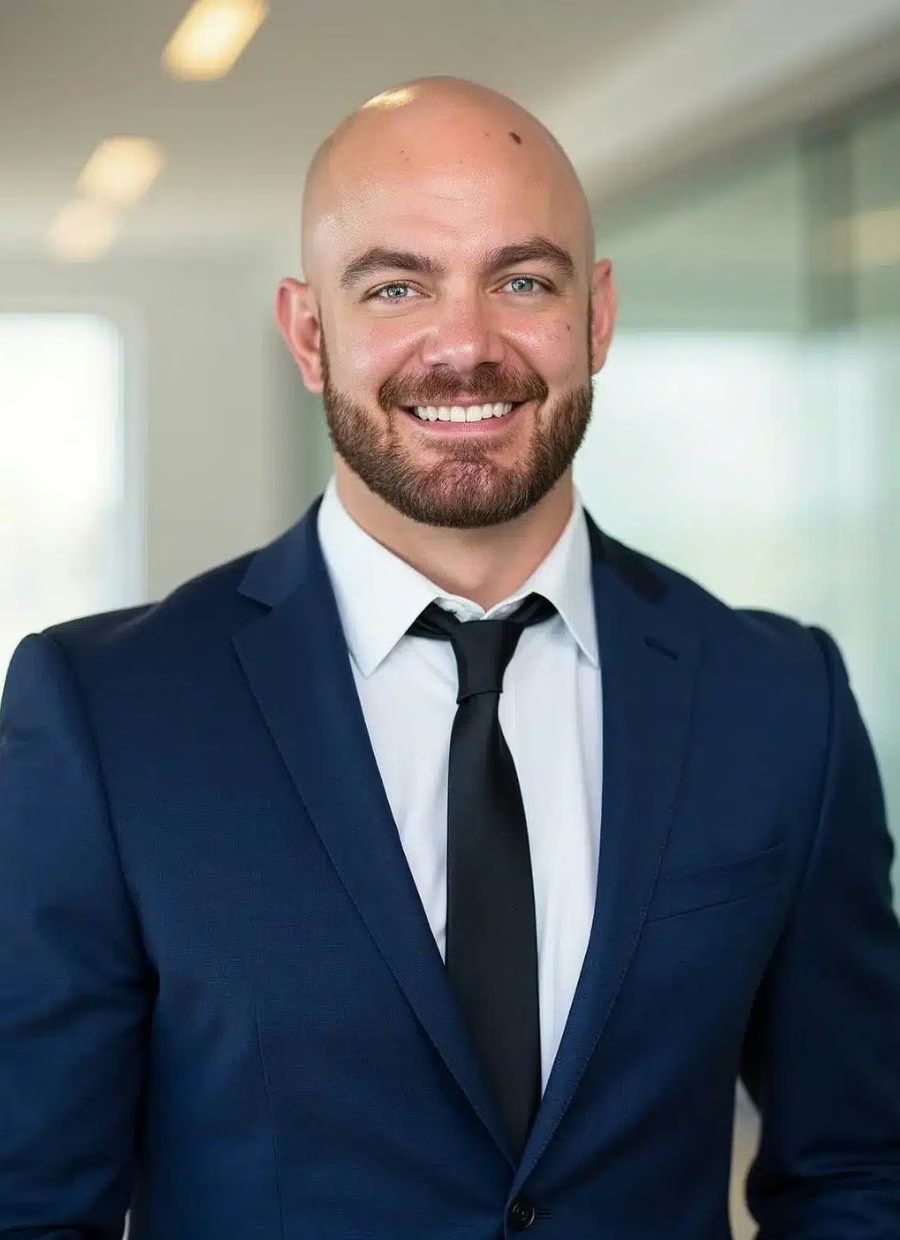
Director of Marketing, Radix Recovery
- Statewide
Serving All of Iowa
Radix Recovery treats substance use disorder in Cedar Rapids and serves residents statewide, including Des Moines, Iowa City, Davenport, Waterloo, Dubuque, and the Quad Cities.
- Eastern Iowa
Our Location
~10 min
~30 min
~1.5 hrs
~1.5 hrs
An Iowa Rehab Facility built for getting well
Move through the facility one room at a time, the living spaces, the gathering rooms, and the grounds where residents reconnect with themselves.
- Why trust Radix
Addiction & Dual Diagnosis Treatment Credentials
You Can Verify
- STATE LISTED

Listed by the State of
Iowa
Radix is a listed treatment provider on Your Life Iowa, the official addiction-help resource run by the Iowa Department of Health & Human Services.
- Clinical leadership
Years of combined
clinical experience
Across the Radix clinical leadership team, from the founding partners to the chief clinical officer.
- Client rating

Excellent Rating on
Google
Across client reviews of admissions, counseling, detox, and residential care.
- Accreditation
Joint Commission
Accredited
The national standard for safety, treatment quality, and staff training in healthcare.
- Real Stories
Why Families Trust Radix Recovery
- Common Questions
Frequently Asked Questions About Substance Use Disorder
What is substance use disorder?
Substance use disorder, or SUD, is a treatable medical condition in which a person keeps using alcohol or another drug despite the harm it causes. It involves changes in the brain’s reward and self-control systems, which is why willpower alone is rarely enough. The DSM-5 describes it on a continuum from mild to severe. It is a condition to be treated, not a moral failing, and effective, evidence-based treatment exists for every substance.
How is substance use disorder diagnosed?
Clinicians use the DSM-5, which lists 11 criteria grouped into four areas: impaired control, social problems, risky use, and physical dependence. A clinician counts how many are present over a 12-month period. Two or three indicate a mild disorder, four or five moderate, and six or more severe. A proper diagnosis comes from a clinical assessment, not an online checklist, and our admissions team can arrange one.
Is substance use disorder a mental health disorder?
Yes. Substance use disorder is recognized as a mental health condition in the DSM-5, the same manual used to diagnose conditions like depression and anxiety. It is a medical condition rooted in changes to the brain, not a lack of willpower. It also frequently occurs alongside other mental health conditions, which is why integrated treatment that addresses both at once tends to produce the best results.
What is the difference between substance abuse and substance use disorder?
They are largely the same thing under different names. Older editions of the diagnostic manual used the terms substance abuse and substance dependence. In 2013 the DSM-5 combined them into a single diagnosis, substance use disorder, on a mild-to-severe scale, in part because abuse carried stigma. So substance abuse is an older term for what clinicians now call substance use disorder.
Which substances does Radix Recovery treat?
We treat substance use disorder across every major class, including alcohol, opioids such as fentanyl and heroin, stimulants such as meth and cocaine, benzodiazepines such as Xanax and Klonopin, marijuana, prescription medications, and more. Each substance has its own dedicated treatment program built on the same clinical foundation. You can find the specific substance on this page and follow the link to its treatment page, or call us and we will point you to the right program.
What is co-occurring substance use disorder?
Co-occurring means a substance use disorder and a mental health condition, such as depression, anxiety, or trauma, are present at the same time. This is very common. Treating only one usually leaves the other to drive a return to use, so the conditions are best treated together. Our integrated dual diagnosis program addresses both at once, with the same clinical team managing therapy and any medication.
Do I have a substance use disorder?
If you find yourself using more than you mean to, wanting to cut down but not managing to, craving the substance, or continuing despite harm to your health, work, or relationships, those are signs worth taking seriously. Only a clinical assessment can give a real answer, and it is free and confidential to start one with us. Recognizing the pattern is the first step, and reaching out is the second.
Does Radix Recovery treat substance use disorder for people outside Cedar Rapids?
Yes. We serve residents from across Iowa, including Des Moines, Iowa City, Davenport, Waterloo, Dubuque, and the Quad Cities. Our admissions team coordinates travel and logistics, and treatment outside your home city can help by creating distance from the people and places tied to using. Call (319) 270-2890 to talk through the details for your situation.
- Take the First Step
Whatever the Substance, Recovery Is Possible
Substance use disorder is treatable, and you do not have to figure out the path alone. Whatever the substance, our team will help you find the right level of care. Admissions is here whenever you are ready, day or night.
- 100% Confidential
- Free Assessment
- No Commitment
- Available 24/7
Sources & References
- Primary sources backing every fact-based claim on this page