Now accepting new clients across Iowa most insurance accepted.(319) 270-2890
Recreational therapy for addiction uses structured, goal-directed activity, sports, outdoor components, creative work, and community recreation, to rebuild your physical health and teach you how to enjoy life sober. At Radix Recovery in Cedar Rapids, Iowa, therapeutic recreation is included in every program as part of our holistic addiction treatment, never sold separately. It targets two of the most common relapse drivers head-on: boredom and isolation. Learning to have fun sober is a clinical skill, and we treat it like one.


Last Reviewed
July 2026
Recreational therapy, also called therapeutic recreation, is the structured use of recreation and activity to reach clinical goals. It is not free time, and it is not a perk. A trained specialist assesses how addiction has affected your physical health, your social life, and your relationship with your own free time, then prescribes activities the way other clinicians prescribe sessions: with a goal, a plan, and documented progress. In addiction treatment, those goals usually include rebuilding physical health, practicing connection with other people, managing stress through movement instead of substances, and relearning enjoyment itself.
The evidence base for this approach starts with how addiction actually relapses. The National Institute on Drug Abuse (NIDA) teaches that effective treatment must attend to the whole person, not only the substance use, and that recovery requires learning to manage the stress, negative moods, and people-places-things cues that trigger cravings.[1]
Unstructured time sits near the top of that trigger list. When the substance leaves, it takes most of a person's social life and leisure routine with it, and the empty hours that remain, the boredom, the isolation, the absence of anything that feels good, are exactly the conditions where relapse thinking grows. SAMHSA's wellness framework for behavioral health makes the same point from the other direction: recovery is supported across multiple dimensions of wellness, including the physical, social, and emotional dimensions that recreation directly trains.[2]
Recreational vs. experiential therapy, in one line. Recreational therapy builds healthy leisure patterns you keep for life; experiential therapy uses action to process emotion in the moment. We deliver both, with different goals on the treatment plan.
Recreation therapy in our rehab programs is scheduled, structured, and tied to your treatment plan. After your clinical assessment, our team builds your activity programming around your physical condition, your history, and honestly, what you used to love before addiction crowded it out. Programming rotates across four categories, and each one is doing specific clinical work:
Every session follows the same arc: a purpose set up front, the activity itself, and a short processing conversation afterward about what showed up, the frustration, the laughter, the urge to quit, the surprise of enjoying something. That last step is what separates therapeutic recreation from a rec center. Our team documents progress alongside the rest of your clinical record, and your recreational programming adjusts as you do.
Some treatment centers list recreation as an amenity, an upsell, or a weekend filler. We built it the other way: recreational therapy is part of the holistic programming inside every Radix level of care, included in the program your insurance authorizes, never a separate purchase. Here is how it shows up across the continuum:
Gentle movement and low-demand activity as your body allows, under the supervision of our 24/7 nursing team. The goal in detox is comfort and stabilization; structured recreation begins once you are ready.
The most recreation-dense level. Our residents have daily wellness and activity programming, sports and fitness blocks, outdoor time on the grounds of our Cedar Rapids campus, and creative workshops woven between clinical sessions.
Recreation and wellness blocks inside the 4 to 8 hour clinical day, balancing intensive therapy with the activity practice that makes the skills stick.
Our Radix community members practice healthy leisure in real life between sessions, with recreation-focused planning and accountability built into group work 3 days per week.
Weekly sessions keep leisure planning on the agenda, because the calendar is where relapse prevention either happens or does not.
Sober recreation events and alumni gatherings that keep the community, and the fun, going long after formal treatment ends.

Director of Nursing, Radix Recovery
Your recreational programming is built into the program you enter and starts the day you arrive, not weeks later. One confidential call begins it.
Almost everyone in treatment, but it does its deepest work for people who cannot remember the last time they enjoyed anything sober. That is more common than most families realize. By the time someone reaches treatment, substance use has usually become the hobby, the social life, the reward, and the coping mechanism all at once. Remove it, and the question “what do I actually like to do?” can be genuinely unanswerable. Recreational therapy for substance abuse recovery exists to answer it, in practice, with witnesses.
If most of these are familiar, anxiety dual diagnosis treatment is likely the right fit. Our admissions team can talk it through with you, confidentially.
(319) 270-2890(319) 270-2890Speak With Admissions NowLevels of care are places; recreational therapy is a thread that runs through all of them.
Therapy runs through every level. There is no ‘you are here’ marker on this continuum, because recreational therapy is everywhere on it. From gentle movement in detox to the alumni softball game years later, structured recreation is the constant. The level of care changes; the practice of living well sober continues.
Most clinical → Independent
3 to 7 days of physician-led withdrawal management with 24/7 nursing. Learn about alcohol detox and drug detox in Iowa.
30, 60, or 90-day pathways with structured daily programming. Learn about inpatient rehab in Iowa.
4 to 8 hours of clinical programming daily with off-site living. Learn about PHP in Iowa.
3 days per week, 9 to 20 hours, built around work and family. Learn about IOP in Iowa.
Weekly therapy and relapse prevention. Learn about continuing care in Iowa.
An ongoing community of Radix community members across Iowa. Learn about our alumni program.
Radix Recovery serves residents from across Iowa, including Iowa City, Des Moines, Davenport, Waterloo, Dubuque, and the Quad Cities. Recreational therapy inside a full continuum of care is rare in Iowa, so people travel to Cedar Rapids for programming that treats learning to live well sober as a clinical skill, included at every level of care, never sold separately.
Our Location
~10 min
~30 min
~1.5 hrs
~1.5 hrs

Radix is a listed treatment provider on Your Life Iowa, the official addiction-help resource run by the Iowa Department of Health & Human Services.
Across the Radix clinical leadership team, from the founding partners to the chief clinical officer.

Across client reviews of admissions, counseling, detox, and residential care.
The national standard for safety, treatment quality, and staff training in healthcare.
Recreational therapy, also called therapeutic recreation, is the structured use of recreation and activity to reach clinical goals. A trained specialist assesses how addiction affected your physical health, social life, and free time, then prescribes activities with a goal, a plan, and documented progress, the way other clinicians prescribe sessions. It is not free time and it is not a perk. In addiction treatment the goals usually include rebuilding physical health, practicing connection, managing stress through movement, and relearning how to enjoy life sober.
A recreational therapist assesses your physical condition, history, and interests, then designs activity programming tied to your treatment plan. They lead sports and fitness, outdoor and adventure components, creative workshops, and community-building recreation, and they run a short processing conversation after each session about what came up. They document your progress alongside the rest of your clinical record and adjust the programming as you change, so every game, hike, and workshop does deliberate clinical work rather than just filling time.
It targets two of the most common relapse drivers head-on: boredom and isolation. NIDA teaches that effective treatment must attend to the whole person and that recovery requires managing the stress, moods, and cues that trigger cravings, and unstructured time sits near the top of that list. Recreational therapy rebuilds physical health, retrains the brain’s reward response through movement, rebuilds a sober social world, and teaches that fun without substances is real, which dismantles the fear that recovery means a gray life.
No. They are related but answer different clinical questions. Recreational therapy builds healthy leisure patterns and a sober social life you keep for the long term. Experiential therapy uses action, such as psychodrama or role play, to process specific emotions and memories in the moment. Radix delivers both, with different goals written on your treatment plan. If you want the emotion-processing modality, see our experiential therapy page; this page is about building a life you enjoy sober.
Programming rotates across four categories. Sports and fitness includes group exercise, strength work, and court and field games. Outdoor and adventure components include walks, hikes, and outdoor group challenges that change with Iowa’s seasons. Creative activities include art, music, writing, and project-based workshops. Community-building recreation includes team games, shared meals, and sober social events. Each category is chosen for specific clinical work, and our team scales every activity to your physical condition so you can start where you are.
It is included, never sold separately. Some centers list recreation as an amenity or an upsell; we built it the other way. Recreational therapy is part of the holistic programming inside every Radix level of care and is covered by the same program your insurance authorizes, with no separate purchase. It runs through detox, residential, PHP, IOP, outpatient, and alumni events, so the practice of living well sober continues no matter which level of care you are in.
No. The program is adaptive and you do not need to be athletic, artistic, or outdoorsy. Our team scales every activity to your physical condition and starts where you are, because the goal was never the activity itself. The goal is who you become while doing it, rebuilding health, connection, and a sober identity. Whether that looks like a gentle walk, a painting workshop, or a team game, the clinical work is the same.
In most cases, yes. Because recreational therapy is built into the program you enter rather than billed as a separate service, it is covered inside the level of care your plan authorizes. Radix is in network with Wellmark BCBS, TriWest Healthcare Alliance, Midlands Choice, Cigna Healthcare, Health Choice, and Medical Associates. The fastest way to know your specific coverage is to verify your benefits; one confidential call confirms what your plan covers before you commit to anything.
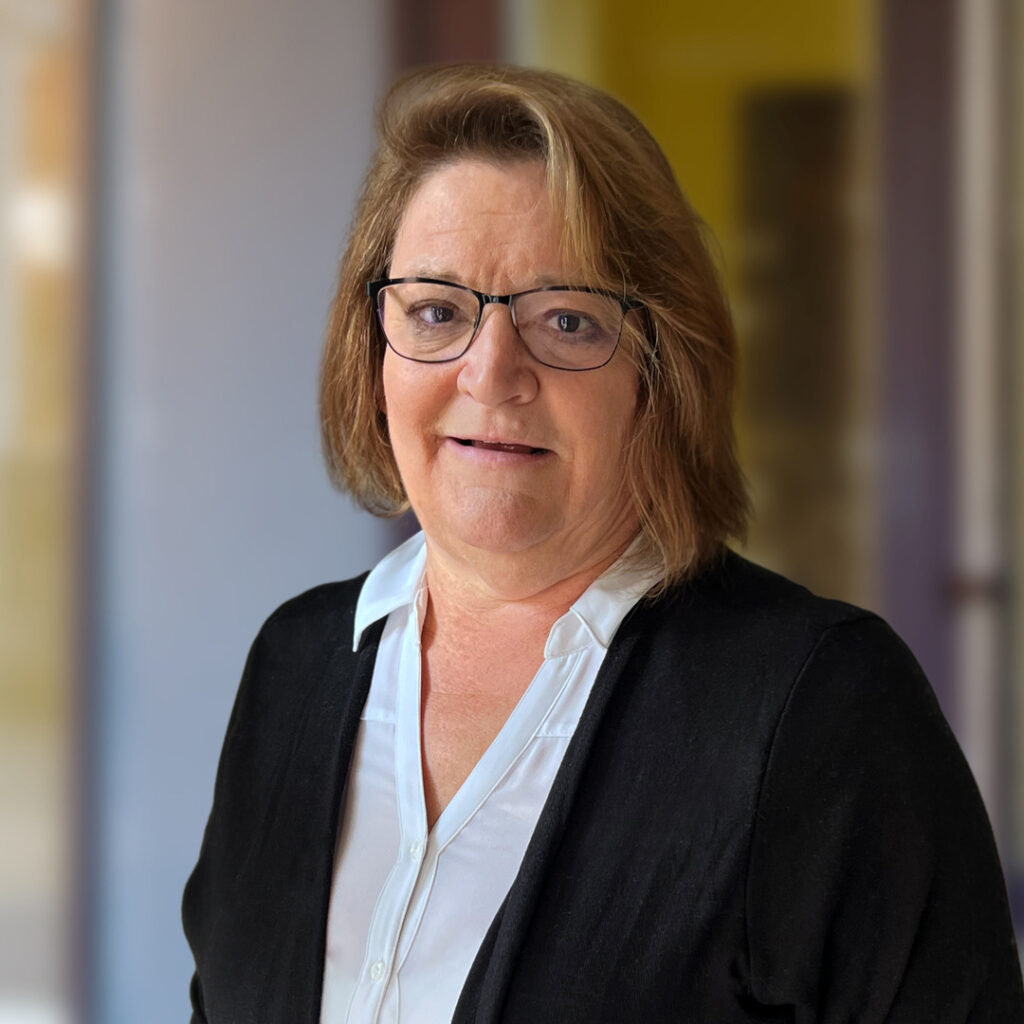
Reviewed by Vanessa Christenson, Certified Life Coach — Wellness Programming, Radix Recovery. Reviewed June 3, 2026.
Recovery is not a lifetime of white-knuckled discipline. It is a life you actually want to be present for, and building that life is part of treatment here from day one. One confidential call connects you with our admissions team, and we can usually have you admitted within 24 hours.