Now accepting new clients across Iowa most insurance accepted.(319) 270-2890

Club Drugs Addiction Treatment in Iowa

The umbrella for MDMA, ketamine, GHB, Rohypnol, and the mixed party-drug patterns that rarely involve just one substance

Radix Recovery provides club drugs addiction treatment in Cedar Rapids, Iowa, with a comprehensive medical assessment, medical supervision when physical dependence is present, behavioral therapy, and trauma-informed dual diagnosis care under one clinical team. Club drugs such as MDMA, ketamine, GHB, and Rohypnol are often not used alone, and that polysubstance pattern is where much of the danger lives. Whatever brought you here, you are welcome, and we can typically arrange admission within 24 hours.


The club drugs picture, in brief

5+

Substances, one umbrella

MDMA, ketamine, GHB, Rohypnol, and methamphetamine in nightlife settings, often used in combination

GHB

Needs medical supervision

GHB withdrawal can be life-threatening and should always be managed under medical supervision

CBT

Therapy-led treatment

No single medication treats club drug addiction, so care is built on behavioral therapy and dual diagnosis

24h

Care within 24 hours

Same-day to next-day admission whenever a bed is available; one confidential call starts the process

Trusted in-network insurance partnerships

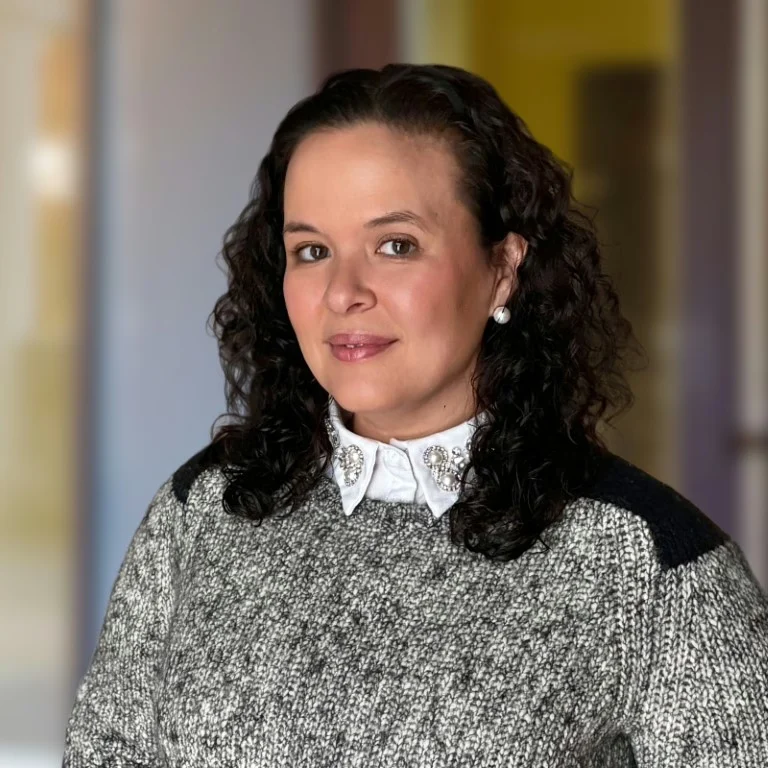
Kayla Borja Frost

Chief Clinical Officer

This page was clinically and medically reviewed for accuracy and alignment with current addiction medicine standards.

Last Reviewed

July 2026

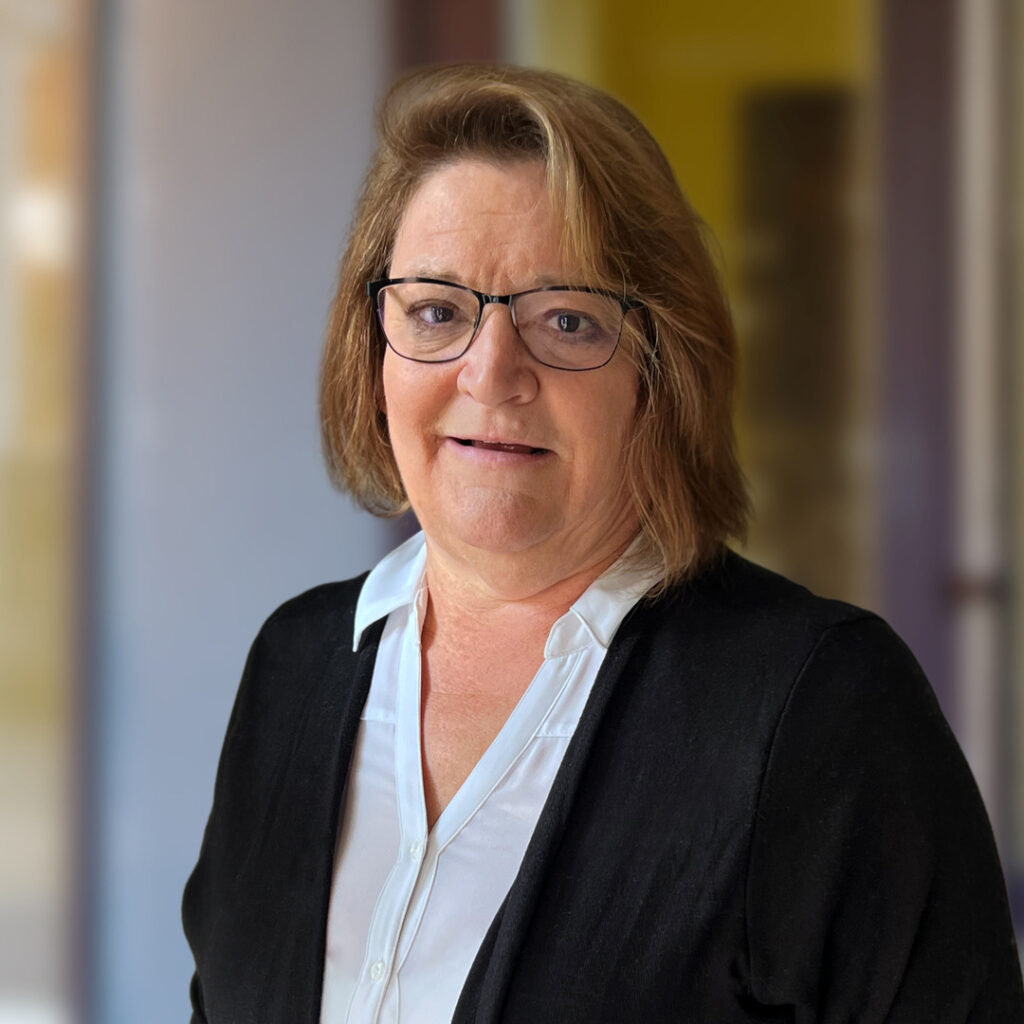
Rachel Fry 1024x1024 2 1 1

Director Of Nursing

What to Expect, in Numbers

5+

Substances under one umbrella MDMA, ketamine, GHB, Rohypnol, and methamphetamine in nightlife settings, often used in combination rather than alone.

GHB

Needs medical supervision GHB withdrawal can be life-threatening and should always be managed under medical supervision, never alone at home.

24/7

Nursing & monitoring Vital sign checks per protocol and as needed by our nursing team.

<24h

Typical admission timeline Same-day to next-day admission whenever a bed is available. One confidential call starts the process.

What Are Club Drugs?

Club drugs are a loose group of substances tied together less by chemistry than by setting: nightclubs, bars, music festivals, raves, and house parties.[1] The category typically includes MDMA (ecstasy or molly), ketamine, GHB, Rohypnol, and methamphetamine when it shows up in nightlife. They act on the brain in very different ways. Some are stimulants, some are dissociatives, and some are sedatives, but they share a social world and one risky habit: they are frequently used together.

NIGHTCLUBSBARSFESTIVALSRAVESHOUSE PARTIES MDMA Methamphetamine Ketamine GHB Rohypnol
Different chemistries, one room. Tied together less by chemistry than by setting, and frequently used together.

That polysubstance pattern is the reason we treat club drug use as its own clinical picture rather than a single substance. The person in front of us has usually been combining things, often without knowing exactly what was in a pill or powder. Our job is to figure out what is actually driving the use, what physical dependence may be present, and what mental health and trauma history sits underneath it. Several of these substances overlap with our dedicated MDMA addiction treatment and ketamine addiction treatment programs, and this page is the umbrella that connects them.

If your use, or your loved one’s use, has started bleeding into weekdays, draining money, hurting relationships, or carrying you into situations that frightened you, that is worth taking seriously, with or without a formal diagnosis.

The Substances Under the Umbrella

Different drugs, different mechanisms, one social world. They do not even pull the nervous system in the same direction: some speed it up, some slow it down, one detaches it from both. That is the spectrum a single night out can cross.
SPEEDS THE SYSTEM UP DETACHES SLOWS THE SYSTEM DOWN Methamphetamine MDMA Ketamine Rohypnol GHB ONE NIGHT OUT CAN TRAVEL THE WHOLE LINE

Methamphetamine in nightlife

Long-lasting stimulant energy, high addiction potential, and serious cardiovascular and mental health risks, worsened when mixed with other stimulants in hot venues.

MDMA, ecstasy, and molly

MDMA floods the brain with serotonin to produce euphoria and a feeling of closeness. It can cause dependence-type symptoms, and heavy use may harm the serotonin system, driving the low, anxious midweek crash. Ecstasy addiction and molly use are covered in depth on our MDMA addiction treatment page.

Ketamine

Produces a detached, dreamlike dissociation. Repeated recreational use can lead to tolerance, cravings, and compulsive use, plus serious bladder and urinary tract damage. Recreational use is separate from supervised clinical ketamine therapy. Covered in depth on our ketamine addiction treatment page.

Rohypnol, “roofies”

A powerful sedative not legally available in the United States. Heavy sedation and memory loss, and one of the substances used to facilitate sexual assault. Sedative dependence, including Rohypnol addiction, requires a careful, supervised taper.

GHB

A CNS depressant causing sedation and euphoria at low doses, unconsciousness at higher ones. Produces real physical dependence, and withdrawal can be life-threatening, which makes medical supervision essential.

Polysubstance use is the common thread.
Many people we treat were not using just one. Our assessment maps the whole pattern, not a single drug, because the substance that matters most clinically is often not the one that brought someone in.

Why Is Mixing Club Drugs So Dangerous?

Mixing club drugs multiplies the danger.

The single most important fact about club drugs is that they are often not used alone. In nightlife settings, people layer stimulants, depressants, dissociatives, and alcohol over a night, and that is where the most serious harm comes from. The interactions are unpredictable and can turn dangerous fast.

Down + down

= breathing that can stop

Breathing can slow or stop

GHB with alcohol or other depressants can slow or stop breathing, and GHB has a narrow margin between a recreational dose and an overdose.

Up + up

= a heart pushed past its limit

Overheating and cardiovascular strain

MDMA plus methamphetamine, or heavy exertion in a hot venue, can cause overheating, dehydration, and dangerous cardiovascular strain.

One pill

= whatever was pressed into it

Adulteration is routine

The DEA reports that pills and powders sold as one drug are frequently adulterated with others, including methamphetamine, synthetic cathinones, and fentanyl.

Many substances

= one quiet dependence

The quiet one matters most

When use spreads across substances, dependence can build quietly on the one that matters most clinically, often GHB or a sedative.

Why Is GHB Withdrawal So Dangerous?

Of all the common club drugs, GHB carries the most dangerous withdrawal, and it is why so much of our club drug care begins with a careful medical assessment. People who use GHB regularly, sometimes every few hours around the clock, can develop a powerful physical dependence without realizing how serious stopping will be.
MIDNIGHT NOON a dose every few hours
A dependence that redoses around the clock never gets a night off, and neither does withdrawal once it starts.

Do not stop GHB on your own.

If you or your loved one is using GHB daily, please do not try to quit alone. Call us at (319) 270-2890 and our medical staff will explain exactly what safe, supervised care looks like for your situation.

If a Club Drug Was Used Against You

Some club drugs, particularly GHB, Rohypnol, and ketamine, are sometimes used to facilitate sexual assault, because they can cause sedation, incapacitation, and memory loss.

Some struggled with their own use. Some were harmed by someone else. Some carry both.

People come to us from many directions. All are welcome.

Our clinicians are trained to recognize how trauma shapes a person’s safety, trust, and choices, and to treat substance use and the effects of assault together.

We move at your pace.

We do not require you to retell anything before you are ready.

We can connect you with confidential advocacy, medical care, and survivor resources, including the national resources available through RAINN. If you are in immediate danger, please call 911.

Therapy-Led Care for a Pattern, Not Just a Drug

There is no single medication that treats club drug addiction the way Suboxone treats opioids, so our approach is clinical and therapeutic, built around a careful assessment and evidence-based behavioral therapy. The first step is always understanding exactly what someone has been using and whether physical dependence, especially GHB or sedative dependence, requires medical supervision before therapy begins.
Assessment EVERY ADMISSION Medical supervision WHEN DEPENDENCE IS PRESENT Behavioral therapy & dual diagnosis TOGETHER · ONE TEAM, ONE PLAN TRAUMA-INFORMED CARE, WOVEN THROUGH EVERYTHING
Four parts of one plan, one clinical team, under one roof in Cedar Rapids.

A comprehensive medical assessment

Full medical and psychiatric assessment, substance and polysubstance history, dependence screening with particular attention to GHB and sedatives, mental health and trauma screening, and lab work, because the right plan depends on knowing exactly what is in the picture.

Behavioral therapy: CBT and motivational interviewing

Cognitive Behavioral Therapy helps individuals identify and reframe the thought patterns that drive substance use, while Motivational Interviewing draws out their inner desire and commitment to change. Together, these evidence-based approaches address both the emotional and behavioral dimensions of addiction, building a strong foundation for lasting recovery.

Integrated dual diagnosis care

Millions of American adults live with co-occurring mental health and substance use disorders. We screen every resident and treat both together, one team, one plan, under one roof.

Trauma-informed treatment

Trauma-informed care is not a separate track here; it shapes how every part of treatment is delivered. We treat substance use and trauma together, at your pace.

Tell Us What the Pattern Looks Like, We Will Map the Way Out

You do not need to know exactly what you took or have the right words for it. Tell our admissions team what the nights and the mornings after look like, and we will explain what assessment and treatment would mean for your situation, in one confidential call.

Where Club Drug Treatment Fits in Your Full Recovery

Assessment and medical supervision resolve the physical side. They do not treat the pattern, the triggers, or the mental health and trauma underneath it. Our entire continuum lives under one roof in Cedar Rapids, so club drugs treatment continues seamlessly: the team that completed your assessment walks you through residential treatment and beyond. No discharge gap. No referral to a stranger across town.

All six levels of care one campus in Cedar Rapids, one clinical team.

Most clinical → Independent

Medical supervision

Comprehensive medical assessment for every admission, with medically supervised care where physical dependence is present. Not every club drug requires medical supervision, but GHB and sedative dependence do, and that is exactly what the assessment determines. The safe front door to everything that follows.

Residential inpatient

Structured daily programming, individual and group therapy, dual diagnosis and trauma-informed care, and wellness in our restored Higley Mansion facility. Our residents step in directly from assessment.

Partial hospitalization (PHP)

4 to 8 hours of clinical programming daily with off-site living, bridging residential structure and real-world independence.

Intensive outpatient (IOP)

3 days per week, 9 to 20 hours, designed around work and family. Our Radix community members practice recovery skills in real life with structured accountability.

Standard outpatient and continuing care

Weekly therapy, relapse prevention, and ongoing mental health support, the long-tail care that matters most when the social scene keeps calling.

Alumni and aftercare

Long-term connection to our alumni community, recovery events, and a team that picks up the phone if you ever wobble.

Behind every diagnosis is a story that deserves to be heard and a future that deserves to be fought for. That is why we show up, every single day

Kayla Borja Frost

Kayla Borja Frost, LMHC, IADC

Chief Clinical Officer, Radix Recovery

Club Drug Rehab for Residents Across Iowa

Our facility sits in Cedar Rapids, and people come to us from every corner of the state, whether the search began as party drug rehab or club drug rehab. When club drug abuse is tied to a specific scene, distance is a clinical advantage: it puts real space between you and the clubs, festivals, and social circles your use is tied to while assessment and treatment complete safely. Our admissions team coordinates travel, family communication, and insurance for every Iowa community we serve.
Cedar Rapids

Our Location

Iowa City

~30 min

Davenport

~1.5 hrs

Quad Cities

~1.5 hrs

Dubuque

~1.5 hrs

Marion

~10 min

Des Moines

~2 hrs

Ankeny

~2 hrs

West Des Moines

~2 hrs

Ames

~1.5 hrs

Waterloo

~1 hr

Cedar Falls

~1 hr

Sioux City

~3.5 hrs

Council Bluffs

~3 hrs

Cedar Rapids, Iowa

A space built for getting well

Move through the facility one room at a time, the living spaces, the gathering rooms, and the grounds where residents reconnect with themselves.

Now viewing Your first step in
Reception
Bedrooms
Lounge
Dining
Fitness
Therapy
01 · Arrival Reception Where arrival feels less like checking in and more like being expected.
02 · Living Bedrooms Comfortable, restful rooms that feel like a real place to heal, not a hospital.
03 · Comfort Lounge and library Quiet corners to read, reflect, or simply sit with your thoughts.
04 · Dining Dining and kitchen A warm, shared table where residents gather over real, home-style meals.
05 · Wellness Fitness center Equipment and open room to rebuild physical strength alongside the mind.
06 · Healing Therapy rooms Private, comfortable rooms built for honest individual and group work.
1 / 6

Credibility you can verify

Every figure here is documented, licensed, or independently reviewed, so you can check it yourself before you ever call.

Listed by the State of
Iowa

Radix is a listed treatment provider on Your Life Iowa, the official addiction-help resource run by the Iowa Department of Health & Human Services.

0 +

Years of combined
clinical experience

Across the Radix clinical leadership team, from the founding partners to the chief clinical officer.

154 1548379 google 5 stars png star transparent png removebg preview 1

Excellent Rating on
Google

Across client reviews of admissions, counseling, detox, and residential care.

Joint Commission
Accredited

The national standard for safety, treatment quality, and staff training in healthcare.

Why Families Trust Radix Recovery

Real outcomes from real people. Hear what our clients and their loved ones have to say about their time in our program.

Your Questions, answered

Club drugs are a loose group of substances commonly used at nightclubs, bars, festivals, raves, and parties. The category typically includes MDMA (ecstasy or molly), ketamine, GHB, Rohypnol, and methamphetamine in nightlife settings. They differ widely in how they act on the brain and body, but they share a social context and a common pattern: they are frequently used together, which sharply raises the risk of dangerous, unpredictable interactions.

Yes, several club drugs can lead to dependence and addiction. NIDA reports that MDMA, ketamine, and GHB can all produce compulsive use, tolerance, and withdrawal-type symptoms in some people.[2] GHB in particular causes physical dependence and a withdrawal that can be life-threatening. The risk is not uniform across these substances, and because club drug use is so often polysubstance, untangling what someone is actually dependent on is a core part of a proper clinical assessment.

GHB has the most dangerous withdrawal of the common club drugs. Medical literature describes GHB and GBL withdrawal as similar to severe alcohol or benzodiazepine withdrawal, with the potential for agitation, hallucinations, rapid heart rate, seizures, and delirium that can be life-threatening without medical care. For this reason, stopping regular GHB use should always happen under medical supervision. At Radix Recovery, GHB dependence is managed with medical supervision and 24/7 nursing.
GHB, Rohypnol (“roofies”), and ketamine are sometimes used to facilitate sexual assault because they can cause sedation, memory loss, and incapacitation. If this has happened to you, it was not your fault. We provide trauma-informed care, meaning our clinicians are trained to treat substance use and the effects of assault and trauma together, at your pace and without judgment. We can also connect you with confidential advocacy and medical resources. You deserve support, whatever brought you here.

Ketamine can be addictive. NIDA and a growing body of research describe tolerance, cravings, and compulsive use with repeated recreational ketamine use, along with serious physical harms such as ketamine-associated bladder and urinary tract damage.[4] Medically supervised ketamine therapy in a clinical setting is a separate, controlled use and is not the same as recreational use. If recreational ketamine has become a regular part of your nightlife, that pattern is worth taking seriously.

Polysubstance use is the norm in nightlife, and it is where much of the danger lives. Combining GHB with alcohol or other depressants can stop your breathing. Stimulants like MDMA and methamphetamine strain the heart and can cause dangerous overheating, especially in hot, crowded venues. The DEA also reports that pills and powders sold as one drug are frequently adulterated with others, including fentanyl, so people often do not know what they have actually taken.[5] Unpredictable interactions are the rule, not the exception.

Treatment starts with a comprehensive medical assessment, because the right plan depends on exactly what someone has been using and whether physical dependence is present. Where dependence exists, particularly with GHB, we provide medical supervision. From there, the evidence-based foundation is behavioral therapy, primarily cognitive behavioral therapy and motivational interviewing, alongside integrated dual-diagnosis care and trauma-informed treatment. There is no single medication that treats club drug addiction, so the work is clinical and therapeutic, tailored to the person.
In most cases, yes. We are in-network with Wellmark Blue Cross Blue Shield, TriWest Healthcare Alliance, Midlands Choice, Cigna Healthcare, Health Choice, and Medical Associates, and we work with many other plans. Substance use disorder treatment is an essential health benefit under federal parity law. Call (319) 270-2890 or use our confidential insurance verification form, and our admissions team will confirm your exact coverage at no cost and with no obligation.
We work to admit you the same day or within 24 hours whenever a bed is available, which matters most when GHB dependence makes medical supervision urgent. Call (319) 270-2890 any time, day or night. Our admissions team will complete a confidential phone screening, verify your insurance, and coordinate your arrival at our Cedar Rapids facility, including travel guidance for families coming from across Iowa.

Dual diagnosis treatment addresses a substance use disorder and a co-occurring mental health condition at the same time, with one team and one plan. SAMHSA reports that millions of American adults live with co-occurring mental health and substance use disorders.[3] Depression, anxiety, and trauma are common alongside club drug use, and they often become clearer once substances are removed. We screen every resident during intake and treat both together rather than referring you elsewhere.

Yes. Our facility is in Cedar Rapids, and people come to us from across Iowa, including Des Moines, Iowa City, Davenport, Waterloo, Dubuque, and the Quad Cities. For many people whose use is tied to a specific club, festival, or social scene, putting distance between themselves and those settings is a clinical advantage. Our admissions team coordinates travel, family communication, and insurance for every Iowa community we serve.

Take the First Step Toward a Life Beyond the Scene

Whatever the pattern looks like, and whatever brought you to it, there is a way out: a careful assessment, medical supervision where it is needed, and real therapy for everything underneath. One confidential call starts it, and we can usually arrange admission within 24 hours.
Primary clinical sources

01

National Library of Medicine (PMC / NIH)

02

National Institute on Drug Abuse (NIDA)

03
Substance Abuse and Mental Health Services Administration (SAMHSA)
04

National Institute on Drug Abuse (NIDA)

05

U.S. Drug Enforcement Administration (DEA)