Figuring out how to detox from alcohol is one of the most critical steps you can take toward a healthier future. For many, it’s the turning point in their struggle with alcohol addiction. The detox process, however, is more than just stopping your alcohol consumption; it’s a complex medical event that requires careful management to be safe and effective. The initial stage of stopping, known as alcohol withdrawal, can bring a host of challenging and even dangerous symptoms. This comprehensive guide will explain the best way to detox from alcohol, why medical supervision is essential, and how to set yourself up for a successful, long-term recovery process.
Quick Takeaways
- Medical Supervision is Essential: Attempting to detox alone is filled with health risks, including seizures and, in rare cases, even death. A medically supervised alcohol detox is the safest and best way to detox from alcohol-
- Detox Manages Withdrawal Symptoms: The primary goal of detox is to safely manage the withdrawal symptoms that occur when a person with alcohol dependence stops drinking-
- Nutrition and Hydration Are Key: Supporting your body through detox means focusing on hydration and nutrition. Drinking water and eating foods high in vitamins and minerals can help ease withdrawal symptoms-
- Detox is the First Step: Successfully completing detox is the start, not the end, of the recovery journey. A long-term treatment plan involving therapy and support is crucial for preventing relapse-
- Multiple Factors Influence Detox: The detox experience varies based on several factors, including the duration and intensity of alcohol misuse-
The Reality of Alcohol Withdrawal

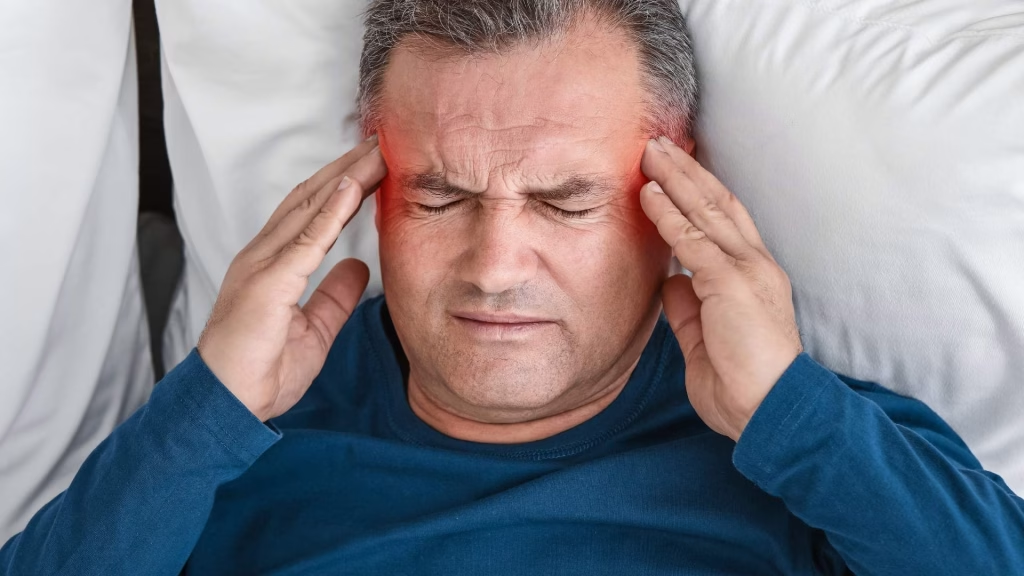
When you have an alcohol dependency, your central nervous system adapts to the constant presence of alcohol. When you stop drinking, your brain and body go into a state of shock, triggering alcohol withdrawal. This experience can range from mild symptoms like headaches and insomnia to severe withdrawal symptoms that pose serious health risks.
Withdrawal symptoms can begin as early as six hours after your last drink. A significant percentage of people with an alcohol use disorder will experience some level of withdrawal. One 2021 study published in American Family Physician estimates that around half of those with alcohol use disorder who abruptly stop will develop alcohol withdrawal syndrome. These symptoms can escalate quickly, which is why professional medical help is so strongly recommended. Without it, you are vulnerable to dangerous complications like dehydration from nausea and vomiting, electrolyte imbalances, and a rapid heart rate.
Why Medical Supervision Is the Best Way to Detox From Alcohol

While the idea of detoxing at home might seem appealing, the risks are substantial. A supervised medical detox in a dedicated facility provides a safe and controlled environment designed to manage the complexities of alcohol withdrawal.
Here’s why it’s the superior choice:
- Safety and Monitoring: Medical professionals can monitor your vitals 24/7. They watch for signs of distress, like an increased heart rate or high blood pressure, and can intervene immediately to prevent complications. This is crucial, as some people can experience alcohol withdrawal seizures within the first 48 hours.
- Medication Management: A healthcare provider can administer medications to ease withdrawal symptoms and reduce cravings. This not only makes the process more comfortable but also prevents the development of more severe issues like delirium tremens, a severe form of withdrawal that can cause severe confusion and hallucinations.
- Nutritional and Hydration Support: Dehydration and nutritional deficiencies are common results of chronic alcohol misuse. In a medical setting, you receive the support needed to stay hydrated and replenish your body. In hospital settings, this often includes intravenous (IV) fluids to correct electrolyte imbalances. A diet focused on whole grains and nutrient-dense foods is also recommended.
The Dangers of Unsupervised Detox
Quitting on your own exposes you to significant risks that professional care mitigates.
| Risk of Unsupervised Detox | Description | Potential Outcome |
|---|---|---|
| Seizures | Sudden, uncontrolled electrical disturbances in the brain- | Can lead to injury from falls or loss of consciousness- |
| Delirium Tremens (DTs) | A rare but severe form of withdrawal- | Can cause extreme agitation, hallucinations, and cardiovascular collapse, which can be fatal- |
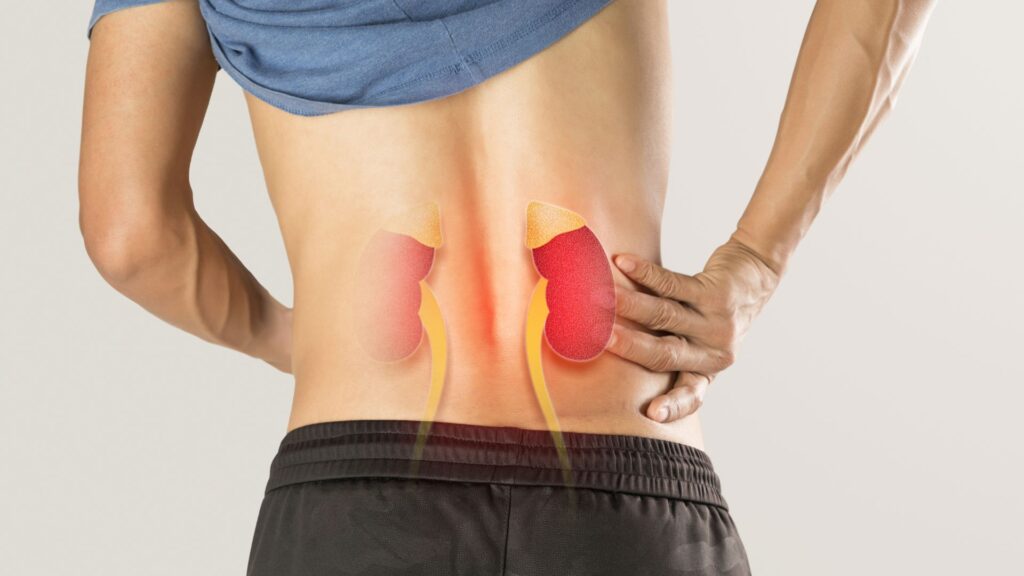
| Dehydration | Severe loss of body fluids from vomiting or diarrhea- | Can lead to kidney failure, shock, and other serious medical issues- |
| Medical Emergencies | Breathing affected, heart rhythm changes- | Without immediate medical help, these can result in permanent disability or death- |
The Alcohol Detox Timeline: A General Guideline

While the detox experience is unique for each person, it generally follows a predictable pattern. This general timeline shows how your body works to heal after you stop drinking.
Stages of Alcohol Detox
[Stage 1: 6-12 Hours]
- Initial symptoms appear-
- Anxiety, insomnia, nausea, headaches-
- Cravings for alcohol begin to intensify-
[Stage 2: 12-48 Hours]
- Peak withdrawal symptoms-
- Increased heart rate, sweating, confusion-
- Risk of hallucinations and seizures is highest-
[Stage 3: 48-72 Hours]
- Symptoms may persist-
- Delirium tremens (DTs) risk remains high, and may start later than 72 hours-
- Symptoms for most people begin to stabilize and subside-
[Stage 4: Post-Detox (Beyond 72 Hours)]
- Acute symptoms lessen-
- Psychological symptoms (PAWS) like mood swings and sleep issues can linger-
- Focus shifts to long-term recovery and therapy-
Supporting Your Body During Detox
Whether you are in a medical facility or preparing for one, knowing how to support your body is crucial. The physical toll of alcoholism and withdrawal is immense, affecting everything from your brain to your liver. The goal is to give your body the tools it needs to heal.
The Importance of Hydration
Alcohol is a diuretic, meaning it causes you to lose fluids. This is why it’s so important to drink plenty of water during detox. Dehydration can worsen headaches, cause dizziness, and put a strain on your organs.
- Aim for staying hydrated every day-
- Include drinks with electrolytes, like broths or specific rehydration solutions, but avoid sugary sports drinks-
- Staying hydrated helps your body flush out toxins and supports overall brain function-
Foods That Aid Recovery
Your body has been starved of essential nutrients. Focusing on a healthy diet can ease withdrawal symptoms and boost your energy levels.
- Complex Carbohydrates: Whole grains, vegetables, and legumes provide a steady source of energy.
- Lean Proteins: Chicken, fish, beans, and tofu help rebuild muscle and stabilize blood sugar-
- Vitamins and Minerals: Foods high in B vitamins (found in leafy greens and fortified cereals) are especially important, as alcohol depletes them-
- Healthy Fats: Avocados, nuts, and seeds support brain health-
Who Is at Risk for Severe Alcohol Withdrawal?

Not everyone who stops drinking will experience the same intensity of withdrawal. Understanding your personal risk level is an important part of planning a safe detox. Several factors determine how severe your withdrawal experience might be.
History of Previous Withdrawals
One of the strongest predictors of severe withdrawal is whether you have gone through it before. A neurological phenomenon known as “kindling” means that each withdrawal episode can sensitize the brain, making future withdrawals more intense and harder to manage. If you have experienced seizures or delirium tremens in a previous detox, your risk of experiencing them again is significantly elevated.
Duration and Quantity of Alcohol Use
The longer and heavier your drinking history, the more your central nervous system has adapted to the presence of alcohol. Someone who has consumed large amounts of alcohol daily for years will typically experience more severe withdrawal than someone who has been drinking heavily for only a few months. Heavy daily drinking creates a deeper neurological dependence that takes more time and care to unwind safely.
Age and Overall Health
Older individuals tend to experience more intense withdrawal symptoms, partly because the body processes alcohol more slowly with age and because pre-existing health conditions can complicate the process. Conditions such as liver disease, heart problems, or nutritional deficiencies, all common in people with long-term alcohol use disorder, increase the risk of serious complications during detox.
Co-Occurring Mental Health Conditions
Anxiety disorders, depression, and PTSD are frequently found alongside alcohol use disorder. These conditions can amplify withdrawal symptoms, particularly psychological ones like panic attacks, paranoia, and severe mood instability. A dual-diagnosis approach that addresses both the addiction and the underlying mental health condition is essential for a safe and effective detox.
Medications Used During Alcohol Detox
Medical detox is not simply about monitoring symptoms and waiting for them to pass. In many cases, medication plays a central role in keeping patients safe and comfortable throughout the process.
Benzodiazepines
Benzodiazepines are the most widely used and well-researched class of medications for managing alcohol withdrawal. Drugs like diazepam (Valium) and lorazepam (Ativan) work by calming the overactive nervous system, reducing the risk of seizures and severe agitation. They are typically administered on a tapering schedule, with doses gradually reduced as withdrawal symptoms stabilize.
Anticonvulsants
In some cases, anticonvulsant medications such as gabapentin or carbamazepine are used either alongside benzodiazepines or as an alternative. These medications help prevent seizures and can also assist with managing anxiety, sleep disturbances, and cravings during and after the acute withdrawal phase.
Beta-Blockers and Alpha-2 Agonists
Medications like propranolol and clonidine are sometimes used to manage physical symptoms such as elevated heart rate, high blood pressure, and tremors. While they do not prevent seizures on their own, they can significantly improve patient comfort and reduce cardiovascular strain during detox.
Thiamine (Vitamin B1) Supplementation
Chronic alcohol use depletes thiamine, a critical nutrient for brain function. Thiamine deficiency can lead to Wernicke’s encephalopathy, a serious neurological condition involving confusion, loss of muscle coordination, and vision problems. For this reason, thiamine supplementation can be a part of medical alcohol detox, often given routinely for patients at a higher risk due to poor nutrition or malabsorption issues.
What Happens to Your Body After You Stop Drinking?
Understanding the physical changes your body goes through after stopping alcohol can be both motivating and reassuring. While the first few days are the hardest, the healing that follows is remarkable.
Days 1–3: The Acute Phase
During the first 72 hours, your body is working hard to recalibrate. Your nervous system, which had adapted to the depressant effects of alcohol, is now in a hyperactive state. This is why symptoms like tremors, sweating, elevated heart rate, and anxiety are so common. Your liver begins prioritizing the clearance of alcohol and its byproducts, which can initially cause fatigue and nausea.
The First Week: Early Stabilization
By the end of the first week, acute withdrawal symptoms typically begin to subside for most people. Sleep may still be disrupted, and mood can remain unstable, but the most dangerous phase has generally passed. Your blood pressure and heart rate start returning to healthier levels, and your digestive system begins to recover.
The First Month: Visible and Invisible Changes
Within the first month of sobriety, many people begin to notice meaningful physical improvements. Skin hydration and complexion often improve as the body rehydrates. Liver enzymes, which can become dangerously elevated with heavy drinking, may begin to normalize. Cognitive function, including memory and concentration, starts to sharpen as the brain clears the fog left by prolonged alcohol use.
Long-Term Recovery: Months to Years
The brain continues to heal for months and even years after stopping alcohol. Studies have shown that areas of the brain responsible for decision-making, emotional regulation, and impulse control gradually recover over time. Many people in long-term recovery report significant improvements in mood, sleep quality, relationships, and overall sense of well-being.
How Can You Detox From Alcohol Safely?
Alcohol detox can be dangerous and should never be done alone. Withdrawal can cause seizures, confusion, and life-threatening complications. Medical supervision is essential. A doctor may prescribe medications like benzodiazepines to manage symptoms safely. Hydration, nutrition, and monitoring are critical throughout the process. Always consult a healthcare provider before stopping alcohol if dependence has developed.
Beyond Detox: Creating a Plan for Long-Term Recovery
Successfully completing alcohol detox is a major victory, but it is the first step in a much longer recovery process. Addiction is a chronic and progressive disease, and without a solid plan for continued care, the risk of relapse is high. Your treatment plan should be comprehensive and tailored to your unique needs.
This is where treatment programs come in. They provide the structure, therapy, and skills needed to maintain sobriety.
- Residential/Inpatient Treatment: This offers the highest level of care, providing 24/7 support in a structured, sober environment. It’s ideal for those with a long history of heavy drinking or co-occurring mental health conditions.
- Outpatient Treatment (PHP/IOP): These programs offer flexibility, allowing you to live at home while attending counseling sessions multiple times per week. They focus on relapse prevention, coping skills, and reintegrating into daily life.
- Family Programming: Alcoholism doesn’t just affect the individual; it impacts the entire family. Family support and psychoeducation helps heal damaged relationships and turns your family members into a strong part of your support system.
- Support Groups: Groups like Alcoholics Anonymous (AA) and Celebrate Recovery provide a community of peers who understand the struggle. They are a vital tool for long-term accountability and connection.
Building Relapse Prevention Skills
A key part of long-term recovery is learning to identify and manage triggers that could lead you to drink again.
| Relapse Prevention Strategy | Description | How It Works |
|---|---|---|
| Cognitive Behavioral Therapy (CBT) | A type of therapy that helps you identify and change negative thought patterns and behaviors- | Teaches you to recognize cravings and respond to them in a healthy way- |
| Mindfulness and Stress Management | Techniques like meditation, deep breathing, and yoga to manage stress- | Reduces the urge to use alcohol as a coping mechanism for stress- |
| Building a Sober Social Network | Developing friendships with people who support your sobriety- | Creates a positive social environment free from the pressure to drink- |
| Healthy Hobbies and Activities | Finding new interests to replace the time once spent on alcohol consumption- | Provides a sense of purpose and fulfillment, reducing boredom and cravings- |
How to Talk to a Loved One About Getting Help
Watching someone you care about struggle with alcohol use disorder is painful and frustrating. Knowing how to approach the conversation can make a real difference in whether they are willing to seek help.
Choose the Right Moment
Timing matters enormously. Trying to have this conversation when your loved one is intoxicated, defensive, or in the middle of a stressful situation is unlikely to go well. Choose a calm, sober moment when both of you have time and privacy to talk without interruption.
Use Compassionate, Non-Judgmental Language
The way you frame your concerns shapes how they are received. Focusing on observable behaviors and expressing worry from a place of care rather than frustration tends to be more effective than accusatory language. Saying “I’ve noticed you seem to be struggling and I’m worried about you” opens a very different door than “You have a drinking problem and you need to stop.”
Be Prepared for Resistance
Denial is a hallmark of alcohol use disorder, and it is important not to take initial resistance personally. Your loved one may not be ready to hear your concerns the first time you raise them. Planting the seed is still valuable. Continuing to show up with patience and consistency, rather than ultimatums alone, often matters more than a single conversation.
Consider a Professional Intervention
If direct conversations have not been effective, a structured intervention with the guidance of a professional interventionist or counselor may be appropriate. These professionals are trained to facilitate productive conversations that help motivate individuals toward accepting treatment.
Take Care of Yourself Too
Supporting someone with alcohol use disorder can take a significant toll on your own mental and emotional health. Organizations like Al-Anon exist specifically for family members and loved ones of people struggling with addiction. Seeking your own support is not a betrayal, it is a necessary part of being able to show up consistently for someone you love.
The Role of Mental Health in Alcohol Recovery
Alcohol use disorder and mental health conditions are deeply intertwined, and addressing one without the other significantly reduces the chances of lasting recovery.
Understanding Dual Diagnosis
A dual diagnosis refers to the presence of both a substance use disorder and a co-occurring mental health condition. Research consistently shows that a large proportion of people with alcohol use disorder also meet the criteria for at least one psychiatric condition. Depression, anxiety, bipolar disorder, and PTSD are among the most common.
Which Came First?
The relationship between alcohol and mental health is bidirectional. Some people begin drinking heavily to self-medicate the symptoms of an existing mental health condition. Others develop depression, anxiety, or other issues as a direct result of prolonged alcohol use and its effects on brain chemistry. In many cases, both are true simultaneously, which is why integrated treatment that addresses both conditions together produces better outcomes.
The Importance of Integrated Treatment
Treating alcohol use disorder without addressing underlying mental health conditions often leads to relapse, because the emotional pain or psychological symptoms that drove drinking in the first place remain unresolved. Integrated treatment programs that combine addiction counseling with psychiatric care and evidence-based therapies like CBT and DBT (Dialectical Behavior Therapy) are considered valuable tools in dual-diagnosis recovery.
How to Detox From Alcohol: Frequently Asked Questions
How can I detox my body from alcohol at home?
While a home detox may seem convenient, it is often not recommended for alcohol due to serious health risks. Severe withdrawal symptoms can escalate quickly. The best way to detox from alcohol is always under medical supervision to ensure your safety and prevent complications. Milder cases may be managed on an outpatient basis, but many people need consistent medical monitoring.
What is the fastest way to get alcohol out of your system?
There is no magic way to speed up the process. Your liver metabolizes alcohol at a set rate, and things like coffee or cold showers don’t change that. The only “cure” is time. The focus should be on safely managing withdrawal symptoms as your body clears the alcohol.
How long do you have to drink to get withdrawals?
Alcohol dependence can develop at different rates for different people. It depends on factors like genetics, frequency of alcohol intake, and overall health. Generally, consistent heavy drinking over a period of weeks to months can lead to physical dependence and subsequent withdrawal when you stop.
Begin Your Recovery from the Root Up with Radix Recovery
You don’t have to figure out how to detox from alcohol on your own. Lasting recovery from alcohol addiction begins with a safe, supportive first step. At Radix Recovery, we provide on-site medical detox to ensure your journey starts with comfort and dignity. Our integrated treatment programs are here to guide you from detox into a life of stability and purpose. Contact us today to learn how we can help you or your loved one rebuild from the root up.