Relapse is one of the most feared parts of recovery, and also one of the most misunderstood. When someone who has worked hard to stay sober starts drinking again, it can feel like everything has been undone. The truth is more hopeful: relapse is common, it does not erase the progress a person has made, and it is a reason to renew support rather than a cause for shame. Relapse often has recognizable warning signs, although it does not follow the same pattern for everyone. Anyone weighing that decision can start with clinically managed alcohol detox and a full clinical assessment.
Understanding what happens when an alcoholic relapses can help people catch those signs early and get back on track. Relapse can be driven by many factors, and individuals struggling to stay sober deserve support rather than judgment. For those who need to restart care, a structured program such as alcohol rehab can provide a safe place to stabilize and rebuild.
This article explains why relapse happens, a common framework for understanding it, what the statistics really show, and how people recover afterward. For a broader overview of related topics, you can also explore our full alcohol addiction guide.
Understanding Alcohol Relapse and Alcohol Use Disorder
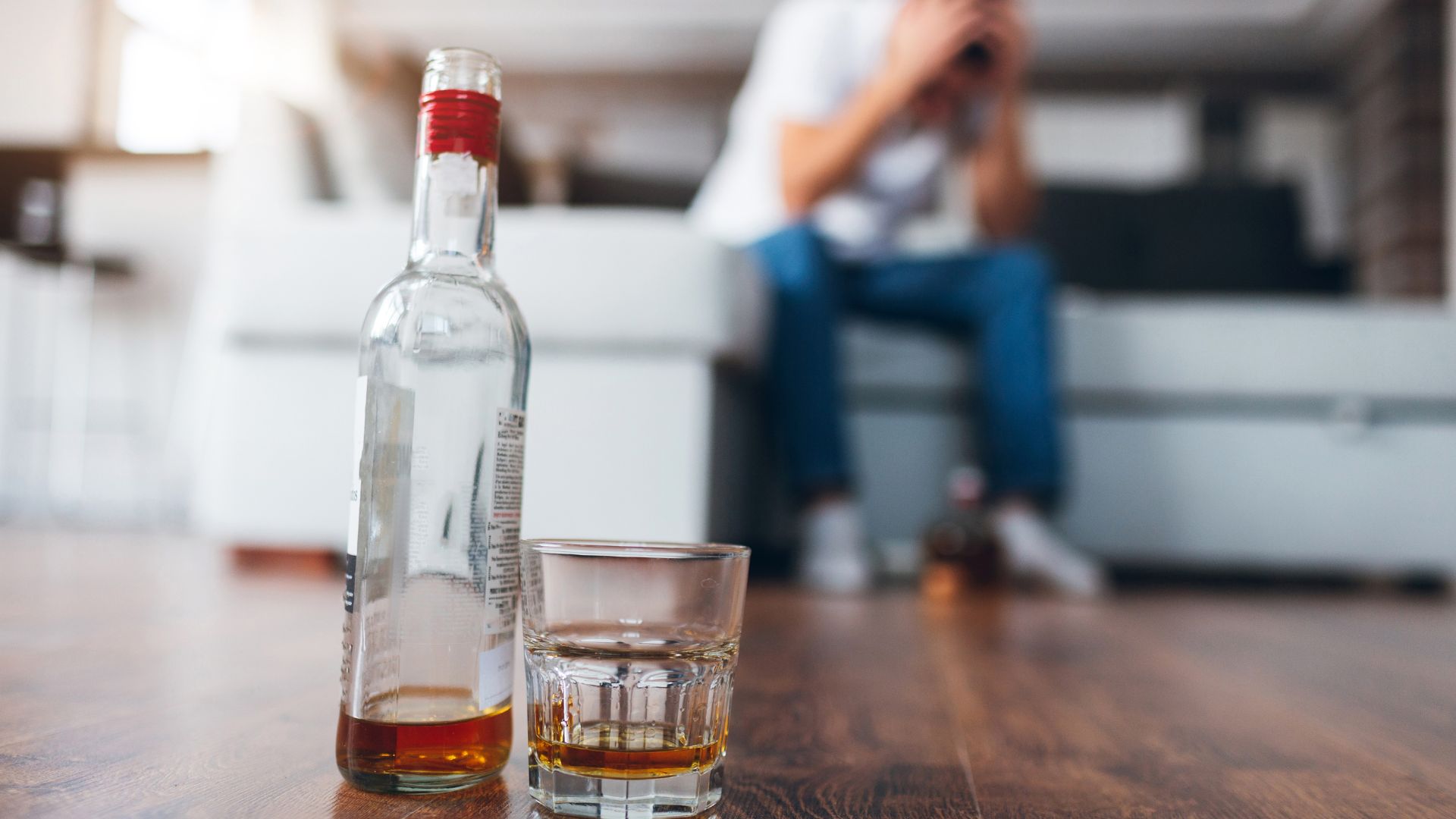
In an abstinence-based recovery plan, an alcohol relapse is a return to drinking after a period of abstinence. It is helpful to distinguish a brief lapse, meaning a short episode of drinking followed by a return to recovery efforts, from a full relapse, where a person returns to sustained alcohol use. Both matter, and both are best addressed quickly as part of the recovery process. It is worth noting that recovery goals can vary, and while this guide focuses on abstinence, some people also make progress through reduced heavy drinking and remission of symptoms.
Alcohol use disorder is a medical condition, not a lack of willpower. Because it changes how the brain responds to stress and reward, the pull to use alcohol can persist long after someone has achieved sobriety. This is why relapse can occur even after a considerable period of recovery.
Why Alcohol Addiction Is a Chronic Condition
Alcohol addiction behaves like other chronic conditions, such as hypertension or asthma, which are managed over time rather than cured in one step. Relapse is common and, importantly, is not automatically a sign that treatment has failed. The National Institute on Drug Abuse has reported estimated relapse rates of roughly 40 to 60 percent among people treated for substance use disorders, although rates vary by substance, population, treatment setting, and how relapse is defined.[1]
Seen this way, a relapse is often a signal that a treatment plan needs to be resumed or adjusted, not a reason to give up. It may mean a person needs more support, a new coping mechanism, or a return to a higher level of care. Some people require more than one treatment episode or recovery attempt before achieving lasting stability. Our guide on why detox and ongoing treatment matter explains how these pieces fit together.
How Alcohol Relapse Starts: The Three Stages
One of the most useful ideas in relapse prevention is that relapse often does not start with the first drink. One widely used relapse-prevention model, described in the Yale Journal of Biology and Medicine, divides the process into emotional, mental, and physical stages.[2] Not every relapse follows these stages in a clear sequence, since stress, alcohol-related cues, social pressure, or an unexpected opportunity can contribute to a quick return to drinking. Still, the model can help people recognize early warning signs before drinking resumes.
Emotional Relapse
Emotional relapse is described as the first stage, when a person is not yet thinking about drinking. Instead, their emotions and behaviors may quietly set the stage. Possible warning signs may include:
- Bottling up emotions and not sharing them
- Isolation and pulling away from a support system
- Skipping meetings, therapy, or self-care
- Poor sleep, mood swings, and rising anxiety or stress
Because the person is not actively thinking about alcohol, these signs are easy to miss, which is exactly why they are worth noticing.
Mental Relapse
Mental relapse is described as the second stage, a tug of war inside the mind where a person begins thinking about drinking. This stage often includes romanticizing past alcohol use, bargaining, and growing alcohol cravings. Occasional thoughts about alcohol can occur during recovery and do not necessarily mean a person will relapse. Concern rises when the thoughts become more frequent or persistent, or turn into planning. Our article on how to curb alcohol cravings offers practical tools for this stage.
Physical Relapse: When Drinking Alcohol Returns
Physical relapse is the stage when a person actually starts drinking alcohol again. A single drink may increase the risk of continued or uncontrolled drinking, particularly for someone with a history of severe alcohol use disorder, but it does not inevitably lead to a prolonged relapse. Catching relapse in the emotional or mental stage is generally easier than stopping it once physical relapse has begun.
Alcohol Relapse Statistics and What They Mean

Alcohol relapse statistics are often misunderstood. Reported rates vary widely depending on how relapse is defined, the severity of alcohol use disorder, the population studied, and the length of follow-up. Research suggests that the risk of returning to alcohol or other drug use is higher during early recovery and that relapse rates generally decline as stable recovery continues. These trends describe general patterns and should not be treated as a prediction of what will happen to any one person. The table below summarizes the three stages of the framework above and when to act.
| Stage of Relapse | What Happens | When to Act |
|---|---|---|
| Emotional relapse | Self-care declines, isolation and stress build | Earliest and easiest point to intervene |
| Mental relapse | Cravings and thoughts of drinking begin | Reach out for support before acting |
| Physical relapse | Drinking alcohol resumes | Seek help quickly, and get medical care if symptoms are severe |
What Happens Physically and Emotionally When Alcoholics Relapse
When alcoholics relapse, the effects can be both physical and emotional, and the two often feed each other.
Physical Effects of Returning to Alcohol Use
Returning to heavy drinking can increase the risk of injuries, alcohol poisoning, and organ damage, and mixing alcohol with opioids, benzodiazepines, or other sedating medications can sharply raise overdose risk. A brief lapse does not automatically cause alcohol withdrawal.
Withdrawal risk is greater when a person has returned to sustained heavy drinking and then suddenly stops, at which point symptoms such as tremors, anxiety, and insomnia can occur. Repeated episodes of alcohol withdrawal may also make future withdrawal more severe for some people, an effect known as kindling and explained in our guide to alcohol and the kindling effect. Because stopping again after heavy drinking can be risky, our article on the risks of quitting cold turkey explains why medical support helps.
Some symptoms are medical emergencies. Seizures, hallucinations, severe confusion, an inability to wake someone, slow or irregular breathing, or repeated vomiting require immediate medical care.
Emotional Fallout: Guilt, Shame, and Isolation
The emotional side can be just as hard. Many people who relapse feel guilty about their past use, and intense guilt and shame can lead a person to drink more in an attempt to numb the pain. Isolation is another common consequence, causing people to withdraw from the very support that could help them. Relapse can also strain relationships and create interpersonal problems, along with disrupting work, finances, and daily responsibilities, adding stress that raises the risk of continued drinking. Addressing the triggers, coping difficulties, co-occurring mental health conditions, and social pressures connected to the drinking can help interrupt this cycle.
How Alcoholics Recover After a Relapse
A relapse is a setback, not the end of recovery. It does not erase previous progress or the skills a person has built. What matters most is what happens next, and reaching out quickly makes a real difference.
Returning to Alcohol Rehab and Aftercare
The right response to a relapse depends on the person. After an assessment, some people may need withdrawal management or residential care, while others benefit from outpatient treatment, medication for alcohol use disorder, more frequent therapy, or stronger recovery support. Support groups such as Alcoholics Anonymous allow people to share experiences and feel less alone, and returning to treatment can offer hope and healing.
A family member can play a key role in encouraging someone to seek treatment again after a slip. Recognizing potential relapse early also creates opportunities to intervene and strengthen the alcohol recovery process before drinking takes hold. For some people, that means starting again with structured inpatient care, while others do well with outpatient support. Our overview of the first 7 days in inpatient rehab shows what re-entry can look like.
If it is someone you love who has started drinking again, our page on helping a loved one after relapse offers calm, practical next steps.
Preventing Relapse and Protecting Long-Term Recovery
Relapse prevention focuses on spotting early warning signs and acting before drinking resumes. To help prevent alcohol relapse, it helps to know your personal risk factors and plan ahead for high-risk situations. Helpful steps include:
- Attend meetings and stay connected to people in recovery
- Practice self-care, including sleep, nutrition, and stress management
- Identify personal triggers and plan for difficult moments
- Address mental health needs and consider medication for alcohol use disorder with a clinician
- Keep a written relapse-response plan, so you know who to call and what to do
- Reach out early when warning signs appear rather than waiting
Building and using a strong support system can be an important protective factor, and these habits support long-term recovery. Our articles on cutting back on alcohol and how drinking affects relationships offer further support.
When to Seek Support to Reduce Alcohol Consumption
If you notice early warning signs in yourself or a loved one, that is the moment to seek treatment, not after alcohol consumption has spiraled. Stress and negative emotional states are strongly linked to relapse, and exposure to people, places, moods, or situations associated with earlier drinking are common triggers.[3] Anxiety may also contribute to drinking for some people, particularly when alcohol has been used as a coping strategy. A medical professional or treatment center can help individuals struggling with cravings identify triggers and adjust a treatment plan before a lapse becomes a full relapse.
It is also important to separate ordinary warning signs from medical emergencies. Someone who has returned to prolonged heavy drinking, or who has a history of withdrawal seizures or delirium tremens, should seek a medical assessment before abruptly stopping. Recognizing where recovery fits alongside overall wellbeing, including brain recovery over time, can also help people stay motivated through the recovery process.
Frequently Asked Questions About Alcohol Relapse
Does a relapse mean treatment failed?
No. Relapse is common in recovery from a chronic condition and is better understood as a signal to resume or adjust the treatment plan than as a failure. Many recovering alcoholics who relapse go on to achieve long-term sobriety. That said, relapse is still serious and worth addressing promptly.
What is the difference between a lapse and a relapse?
In many relapse-prevention models, a lapse is a brief episode of drinking followed by a quick return to recovery efforts, while a relapse is a more sustained return to alcohol use. The boundary is not always sharp, but acting quickly after a lapse can keep it from becoming a full relapse.
How can someone lower their risk of relapse?
Staying connected to support, practicing self-care, managing stress, treating co-occurring mental health conditions, and considering medication for alcohol use disorder can all help. Recognizing emotional and mental warning signs early, before physical relapse, can improve the chance of interrupting the process before drinking resumes.
Sources
- National Institute on Drug Abuse. “Treatment and Recovery.” https://nida.nih.gov/publications/drugs-brains-behavior-science-addiction/treatment-recovery
- Melemis SM. “Relapse Prevention and the Five Rules of Recovery.” Yale Journal of Biology and Medicine. 2015;88(3):325-332. https://www.ncbi.nlm.nih.gov/pmc/articles/PMC4553654/
- National Institute on Alcohol Abuse and Alcoholism. “The Cycle of Alcohol Addiction.” https://www.niaaa.nih.gov/publications/cycle-alcohol-addiction