If you’ve searched “do detox drinks work for drugs or alcohol,” you’re likely in a stressful situation and looking for a fast answer. These products are marketed as ways to flush, mask, or dilute drug metabolites in urine, but there is no strong evidence that they rapidly remove those metabolites from the body. However, the clinical and scientific picture of these products is more complicated than the marketing suggests. This article walks through what the evidence says, what the risks are, and why the best way to detox from drugs points somewhere different entirely.
Key Points
- Detox drinks marketed for passing urine drug tests are not clinically validated and may carry real health risks.
- The body processes and eliminates substances through the liver, kidneys, and other systems on its own timeline, not on a commercial detox product schedule.
- Dietary supplements and herbal remedies marketed as drug detox solutions lack rigorous scientific evidence for the specific claim of clearing drug metabolites.
- Laboratory urine drug tests have become increasingly sophisticated and can detect many common adulteration or dilution tactics.
- For people with substance use disorders, detox kits do not treat the underlying disorder and are not evidence-based addiction treatment
What Are Detox Drinks and What Do They Claim to Do?

Detox drinks and drug detox kits are commercial products sold online and through retail supplement channels. They come in various forms, ready-to-drink beverages, powders, capsules, and dietary supplements, and are marketed with claims that they can flush, mask, or reduce detectable drug metabolites, especially in urine samples
The specific claims vary by product, but the general pitch is consistent: drink the product within a certain window before a urine drug test, and the drug metabolites that would trigger a positive result will be undetectable. Some products add language about supporting liver function, immune system health, or offering a “cleanse.”
The Science Behind What Detox Products Actually Do
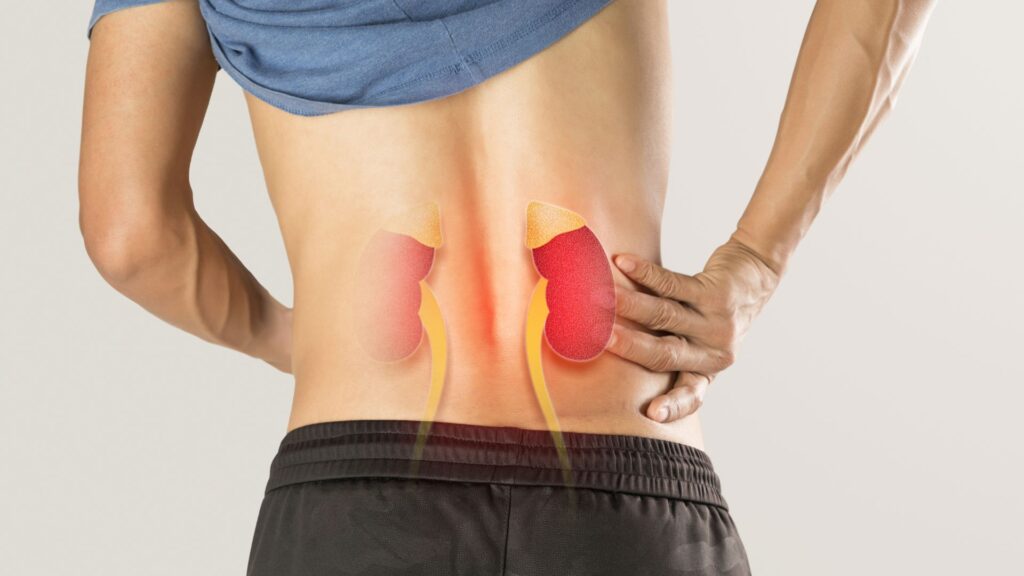
The human body processes substances through well-established biological pathways. The liver metabolizes drugs into water-soluble compounds, and the kidneys filter those compounds into urine. This process takes a physiologically determined amount of time that varies based on the substance, the person’s metabolism, hydration, body composition, and how heavily the substance was used.
There is no strong clinical evidence that commercial detox drinks meaningfully accelerate drug metabolism or reliably shorten drug-test detection windows. What many of these products do is cause significant dilution of urine through large volumes of water alongside diuretic compounds, temporarily lowering the concentration of metabolites rather than eliminating them.
How Urine Drug Tests Actually Work
Standard urine drug tests often detect drug metabolites, though some tests may also target parent compounds depending on the substance. Immunoassay tests, the most common form of initial screening, are calibrated to specific concentration thresholds. A result is positive when metabolite concentration exceeds that threshold.
This is relevant to how detox kits work, or attempt to work. Products that rely primarily on dilution lower the concentration of metabolites in urine. Modern laboratory testing has adapted accordingly.
| Detection Window by Substance | Approximate Timeline | Key Variables |
|---|---|---|
| Cannabis | highly variable; often days for infrequent use, potentially weeks for frequent/heavy use | Frequency, body fat percentage |
| Opioids | often a few days, depending on the specific drug | Specific compound, dosage |
| Benzodiazepines | variable; can range from days to weeks depending on the drug and duration | Specific compound, duration of use |
| Stimulants | variable; can range from days to weeks, depending on the drug and duration | Specific compound |
What Labs Test For Beyond Metabolites
Laboratories running urine drug tests also evaluate samples for common markers of adulteration and dilution: creatinine levels, pH, specific gravity, and, in some cases, the presence of known adulterants. When specimen validity markers are abnormal, the sample may be reported as dilute, substituted, invalid, or adulterated rather than simply negative.
The Risk Profile of Commercial Detox Products
Using detox drinks and detox kits is not without health consequences. Because these products are marketed as dietary supplements, they fall outside the same regulatory review process as medications, which means their safety and labeling are regulated differently from medications, and they are not subject to the same premarket approval standards as prescription drugs.
Documented and potential risks associated with commercial detox products include:
- Electrolyte imbalances from aggressive diuresis
- Upset stomach, nausea, and diarrhea
- Adverse side effects from undisclosed or poorly characterized herbal ingredients
- Dangerous interactions with prescription medications
- These products may create false reassurance and can distract some people from seeking evidence-based addiction treatment
The last point is clinically meaningful. Detox kits are frequently used by people who are aware they have a substance use problem but are not yet engaged with treatment. The false promise of a quick fix can delay entry into evidence-based care.
Detox Diets and Herbal Remedies: What the Evidence Shows
The broader category of detox diets and herbal remedies makes similar claims through different mechanisms, supporting liver function, improving immune system response, or “removing toxins” from the body. These concepts have been absorbed into popular health culture, but there is no clinical evidence for them as drug-test solutions.
In people without liver disease, there is no good evidence that commercial ‘detox’ products meaningfully improve liver function or speed drug clearance for testing purposes. In individuals without liver disease, the liver processes metabolism effectively. Products that market themselves around vague “toxin removal” language often leverage concepts that sound medical but lack clinical substantiation.
A critical distinction worth noting: medical detoxification, the supervised clinical process used in addiction treatment, is entirely different from commercial detox products. Medical detoxification involves clinical monitoring, medication management, and care coordination. It is not a beverage or a supplement.
What Research Actually Supports
Research into substance use disorders consistently points toward evidence-based treatment, cognitive behavioral therapy, medication-assisted treatment, and structured support as the approaches with documented outcomes for addiction treatment. No comparable evidence base exists for commercial detox kits.
Why the Underlying Question Matters More

The question of “do detox drinks work” is often a surface expression of a more significant concern: someone is using substances in a way that has consequences, and they’re looking for a way to manage those consequences without changing anything. That’s a common place to be. It’s also a place where the advice “try a detox drink” leaves the actual problem entirely unaddressed.
Signs that substance use may warrant a clinical conversation include:
- Using prescription medications at doses or frequencies beyond what was prescribed
- Finding that stopping or cutting back triggers withdrawal symptoms
- Continued use despite negative effects on work performance, relationships, or health
- Spending significant time acquiring, using, or recovering from substance use
- Feeling like use is no longer fully within your control
None of these is a moral judgment. They’re clinical markers that substance use has moved into a territory where professional support, not detox products, is the appropriate response.
Do Detox Drinks Work? Frequently Asked Questions
Are there any detox drinks that actually work for drug tests?
No commercially available detox drink has been clinically validated to reliably produce negative drug test results. Most products rely on dilution, which modern lab testing can identify and flag. The only reliable way to produce a negative drug test result is to have the substance clear your system naturally over time.
Do detox diets help clear drugs from your system faster?
Standard detox diets do not meaningfully accelerate the metabolism or clearance of drug metabolites. The body’s clearance timeline is driven by liver function, kidney function, hydration, and individual metabolic factors. Staying hydrated and maintaining general health supports normal biological function, but no diet product has demonstrated the ability to significantly shorten detection windows.
What is the difference between commercial detox products and medical detoxification?
Commercial detox products are usually marketed as supplements or wellness products, sometimes with implied or explicit claims about helping with drug-test outcomes. Medical detoxification is a supervised clinical process used in addiction treatment to safely manage withdrawal symptoms as a substance clears from the body. They are fundamentally different, in purpose, in clinical basis, and in outcomes.
The Clearest Path Forward Starts at the Root
For people navigating substance use disorders, the path that has clinical backing, medically supervised detox, evidence-based treatment, and a supportive recovery community, is also the path that addresses what’s actually driving the situation. You shouldn’t rely on detox drinks, kits, or similar products to get clean.
At Radix Recovery in Cedar Rapids, Iowa, medical detox is provided on-site as the first phase of an integrated treatment system. There are no gaps between detox and treatment, and care doesn’t stop when the acute phase ends. If you’re ready to look beyond short-term fixes, Radix Recovery is built to support that process from the beginning.