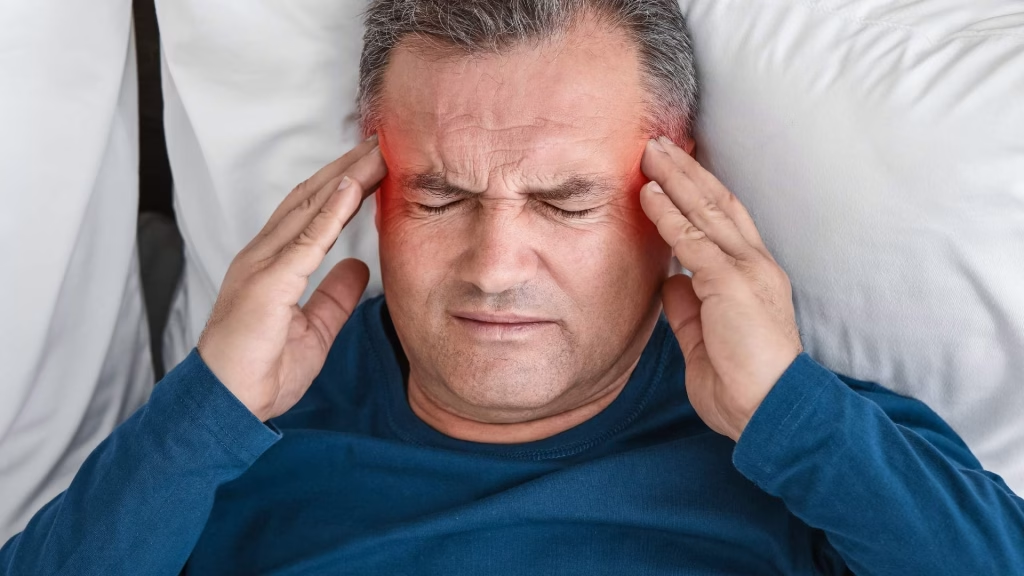
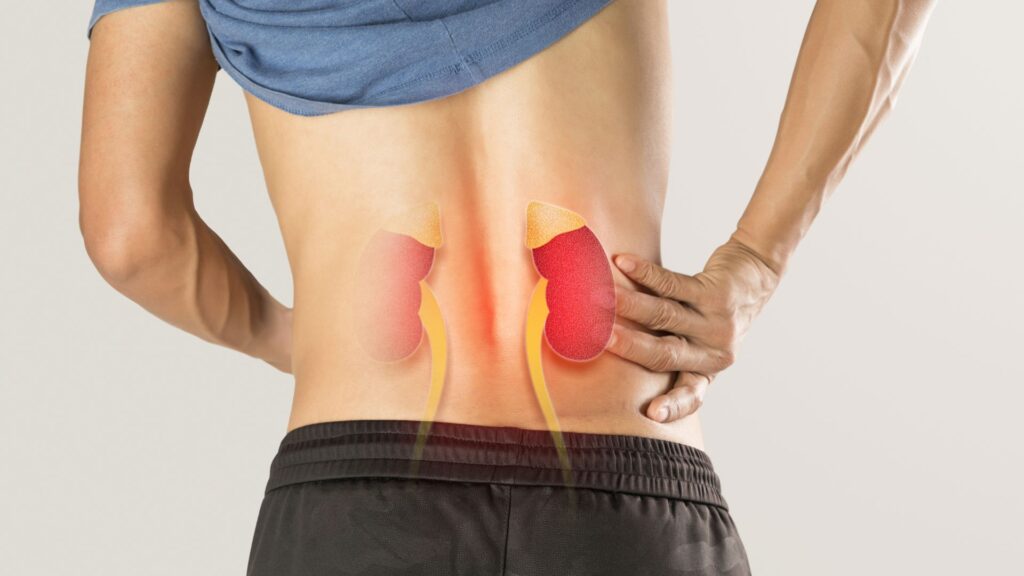
If you’ve been taking codeine regularly, whether prescribed or through codeine misuse, stopping suddenly will trigger uncomfortable withdrawal symptoms. Understanding what happens during codeine withdrawal is your first step toward safely breaking free from opioid dependence. This guide walks you through everything about codeine withdrawal symptoms, from physical discomfort to recovery timelines and available support.
Codeine withdrawal affects everyone differently, but knowing what to expect reduces anxiety and helps you prepare. Whether you’re considering stopping prescription opioids or you’ve already taken that step, this article provides honest, practical information to navigate withdrawal safely and move toward recovery.
Quick Takeaways
- Codeine withdrawal symptoms begin 8-24 hours after the last dose and peak within the first 48-72 hours
- Physical symptoms include muscle aches, nausea, stomach cramps, and flu-like feelings
- Psychological symptoms like anxiety can persist for weeks beyond physical discomfort
- Medications can significantly ease opioid withdrawal symptoms
- Professional treatment reduces the risk of relapse and complications, and is highly recommended to set up a sustainable recovery.
- Long-term recovery requires addressing both physical dependence and underlying patterns
Understanding Codeine and How Dependence Develops

Codeine is an opioid medication derived from the opium poppy plant, typically prescribed to manage mild to moderate pain or suppress coughs. When you take codeine phosphate in pill form, it binds to opioid receptors in your brain, blocking pain signals and creating a feeling of relaxation. While effective for short-term relief, regular opioid use changes brain function when used to manage pain in the long term.
The problem with codeine is that your body adjusts to the drug over time through tolerance, requiring larger amounts to achieve the same effect. This leads to a cycle of physical dependence, where your system expects codeine to function normally. When you suddenly stop, your body struggles to rebalance, triggering opioid withdrawal syndrome. According to the Substance Abuse and Mental Health Services Administration (SAMHSA) 2024 national report, ten percent of people 12 and older who suffered from prescription opioid misuse struggled with codeine in the past year.
Millions of Americans struggle with opioid use disorder involving prescription opioids. It’s critical to recognize that dependence develops even when taking medications as prescribed, which helps reduce shame and encourages seeking help.
The Timeline of Codeine Withdrawal
Withdrawal from codeine follows a predictable pattern, though the intensity varies based on duration of use, typical dose, and individual factors. As a fast-acting opioid when taken orally, codeine clears your system quickly compared to other opioids.
Early Symptoms (6-12 Hours)
Within a few hours of your last dose, early symptoms emerge. Restlessness and anxiety appear first, followed by muscle aches and unease. You experience a runny nose, watery eyes, and increased sweating, which initially feel like catching a cold.
Peak Withdrawal (24-72 Hours)
The most intense withdrawal symptoms hit between one and three days after stopping. You’ll likely experience severe withdrawal symptoms, including:
- stomach cramps
- nausea
- vomiting
- diarrhea
Aching muscles also become pronounced, and many describe feeling like they have a bad case of the flu. Your blood pressure and heart rate may fluctuate, and disturbed sleep becomes common.
Recovery Phase (Week 1-2)
After the peak, physical symptoms gradually decrease over a few weeks. Your body slowly adjusts to functioning without the drug. However, psychological symptoms like depression, anxiety, and cravings may persist as the acute phase passes.
Physical and Psychological Codeine Opioid Withdrawal Symptoms

The side effects of codeine withdrawal range from uncomfortable to distressing. Physical symptoms will be very noticeable, while psychological symptoms can be more subtle to develop at first. While codeine withdrawal is rarely life-threatening compared to alcohol withdrawal or other more potent opioids, dehydration from vomiting and diarrhea poses real risks.
| Mild to Moderate Symptoms | Moderate to Severe Symptoms |
| Muscle aches and joint pain | Nausea and vomiting |
| Sweating and temperature changes | Severe stomach cramps |
| Runny nose and watery eyes | Rapid heartbeat |
| Restlessness and agitation | Intense anxiety and cravings |
Psychological symptoms often surprise people expecting primarily physical discomfort:
- Anxiety and irritability spike as brain chemistry rebalances
- Depression commonly emerges as natural endorphin production struggles to recover
- Many experience intense drug cravings that feel overwhelming.
- Sleep disturbances persist beyond acute withdrawal, contributing to fatigue and emotional instability
These psychological symptoms explain why relapses often occur, even though you think your physical symptoms have resolved. The psychological pressure to relieve anxiety and stress is one of the main drivers of relapse, and research suggests that relapse prevention is the primary motivation for most people seeking treatment.
Medical Withdrawal Management and Treatment Options

Professional opioid withdrawal management methods dramatically improve comfort and success rates. Multiple approaches exist depending on your situation, severity of opioid dependence, and co-occurring conditions.
Medication-assisted treatment (MAT) uses specific medications to ease withdrawal symptoms and reduce cravings. Buprenorphine partially activates opioid receptors, satisfying dependence while preventing the high associated with codeine use. Clonidine helps manage anxiety, sweating, and other autonomic symptoms like diarrhea and vomiting. These medications make the process significantly more tolerable.
Outpatient programs, like the ones we offer at Radix Recovery, allow you to receive treatment while maintaining the flexibility for daily responsibilities. We help clients navigate through partial hospitalization (PHP), intensive outpatient (IOP), and dual diagnosis treatment for combating drug addiction and mental health disorders head-on.
Inpatient detoxification programs provide 24-hour medical supervision, particularly beneficial if you’ve been taking high doses for an extended period or withdrawing from other drugs like alcohol. It is common practice to attempt withdrawal management with medically-guided support; otherwise, you will see an increased risk of severe complications and relapse. Even though codeine withdrawal isn’t typically dangerous, the discomfort drives many back to drug use within days. Professional support addresses both physical symptoms and underlying codeine addiction patterns.
Self-Care Strategies During Withdrawal
While medical supervision is recommended, certain self-care strategies can supplement professional treatment to make withdrawal go better. Hydration becomes critical when experiencing nausea, vomiting, and diarrhea. You should take small, frequent sips of water or electrolyte drinks to help more than large amounts at once. Over-the-counter medications like ibuprofen can reduce pain from muscle aches, though you should consult your healthcare provider before combining with other medicines. Other strategies include:
- Warm baths temporarily relieve muscle tension and promote relaxation
- Light exercise, even walking, helps your body produce natural endorphins
- Establishing a sleep routine signals to your body that you’re working toward normalcy
- Nutrition often gets overlooked, but eating small, bland meals helps stabilize blood sugar and provides energy for healing
Risk Factors and When to Seek Help

While most people experience withdrawal without severe complications, certain factors increase the risk of it going wrong. Using codeine alongside other drugs, particularly alcohol or benzodiazepines, complicates withdrawal and increases danger. Underlying health conditions, especially heart or respiratory issues, require closer monitoring. This is why undergoing withdrawal alone is not recommended; you should guarantee medical supervision to avoid other complications. Also, pregnant women need specialized care as withdrawal affects the fetus and the baby may experience withdrawal symptoms of its own after birth, commonly referred to as Neonatal Opioid Withdrawal Syndrome (NOWS).
Mental health conditions like depression or anxiety disorders may worsen during withdrawal. Previous suicide attempts or current suicidal thoughts represent emergencies requiring immediate medical attention. An increased risk of relapse exists throughout withdrawal and early recovery. This is why returning to drug use after abstinence is dangerous because tolerance drops rapidly, making it more likely that you will experience an overdose at previously tolerated doses. Although codeine makes up a small percentage of all opioid drug overdose deaths every year, overdosing on codeine should not be taken lightly.
Building Support for Long-Term Recovery
Recovery from drug abuse rarely succeeds in isolation, and the data experts have been collecting for decades that backs that idea up.. Building a support system significantly improves outcomes. This network might include healthcare providers, therapists, family members, and peer support groups.
- Professional treatment programs connect you with addiction specialists who understand opioid dependence complexities.
- Individual therapy helps explore underlying issues contributing to substance use disorder, while group therapy provides validation and shared experiences.
- Peer support groups like Narcotics Anonymous offer free, ongoing support throughout long-term recovery.
Getting through withdrawal represents a major accomplishment, but you should realize it is just the beginning. Long-term recovery requires ongoing effort to maintain sobriety. Research in recent years has shown how many benefit from continued medication-assisted treatment even after acute withdrawal ends. MAT treatment over the long term is highly associated with improved outcomes and reduced mortality.
Addressing why you started using codeine matters as much as stopping the drug. Whether managing pain, coping with trauma, or escaping difficult emotions, these underlying issues require attention. Therapy helps develop healthier coping mechanisms. Lifestyle changes, such as establishing routines, pursuing meaningful activities, and avoiding triggers, all support sustained recovery.
Frequently Asked Questions About Codeine Withdrawal Symptoms
What is the timeline for opioid withdrawal?
Acute physical codeine withdrawal symptoms typically last one to two weeks, with peak intensity occurring within 72 hours after your last dose. However, psychological symptoms like anxiety, depression, and cravings may persist for several weeks or months. Your withdrawal timeline will depend on factors including usage length, dosage, and individual physiology.
Can I die from codeine withdrawal?
Unlike alcohol or benzodiazepine withdrawal, codeine withdrawal is rarely life-threatening on its own. However, complications like severe dehydration can become dangerous without proper care. The greatest risk comes from relapse during or after withdrawal when reduced tolerance makes overdose more likely. You should opt for medical supervision to ensure safety and address complications.
Should I quit codeine cold turkey or taper?
Medical professionals typically recommend tapering rather than quitting cold turkey. Gradually reducing your codeine dose over time minimizes withdrawal symptoms and improves success rates. A healthcare provider can design an appropriate tapering schedule. Some patients transition to longer-acting medications like buprenorphine.
What medications help with opioid withdrawal management?
Several medications ease opioid withdrawal symptoms effectively. Buprenorphine reduces cravings and withdrawal discomfort by partially activating opioid receptors. Clonidine manages autonomic symptoms like sweating, anxiety, and rapid heartbeat. Over-the-counter medications may help specific symptoms, but prescription medications provide more comprehensive relief during withdrawal management.
How can I prevent relapse after codeine withdrawal?
Preventing relapse requires ongoing treatment beyond initial withdrawal. Your continuing therapy should also address the underlying issues driving codeine addiction. Medication-assisted treatment (MAT) reduces cravings substantially, while building strong support through groups like Narcotics Anonymous can help provide accountability and emotional support.
Final Thoughts on Withdrawal and Codeine Addiction
Facing codeine withdrawal symptoms requires courage, but you are not the only one undertaking it. Thousands successfully navigate this challenge every year and build fulfilling lives in recovery. Understanding what to expect during withdrawal, knowing your options for medical support, and building a strong foundation dramatically improve your chances of success.
Remember that withdrawal is temporary, even when it feels endless. Your physical symptoms typically resolve within two weeks, and while psychological healing takes longer, each day moves you closer to freedom from opioid dependence. Professional treatment makes this journey safer and more manageable, providing medications to ease discomfort and therapy to address underlying issues.
You don’t have to face codeine addiction alone. If you or someone you love struggles with codeine withdrawal or opioid use disorder, call our specialized admissions team at Radix Recovery to see why we believe in your potential, and why you should, too. Your recovery journey can begin with a single phone call or by submitting our admission form. Wherever you are in your current journey, the life waiting on the other side of addiction is worth every difficult moment of getting a step further.