
In recent years, a new dangerous trend has emerged among teenagers involving the seemingly innocuous recreational use of nitrous oxide, also known as Galaxy Gas. Often dismissed as harmless fun or a “laughing gas” party trick, the misuse of Galaxy Gas is far from benign. Local support is available through Radix Recovery programs, including inpatient, PHP, intensive outpatient, and every stage of recovery.
This article delves into the hidden dangers of this teen trend, exploring the physical, psychological, and social risks associated with inhaling nitrous oxide.
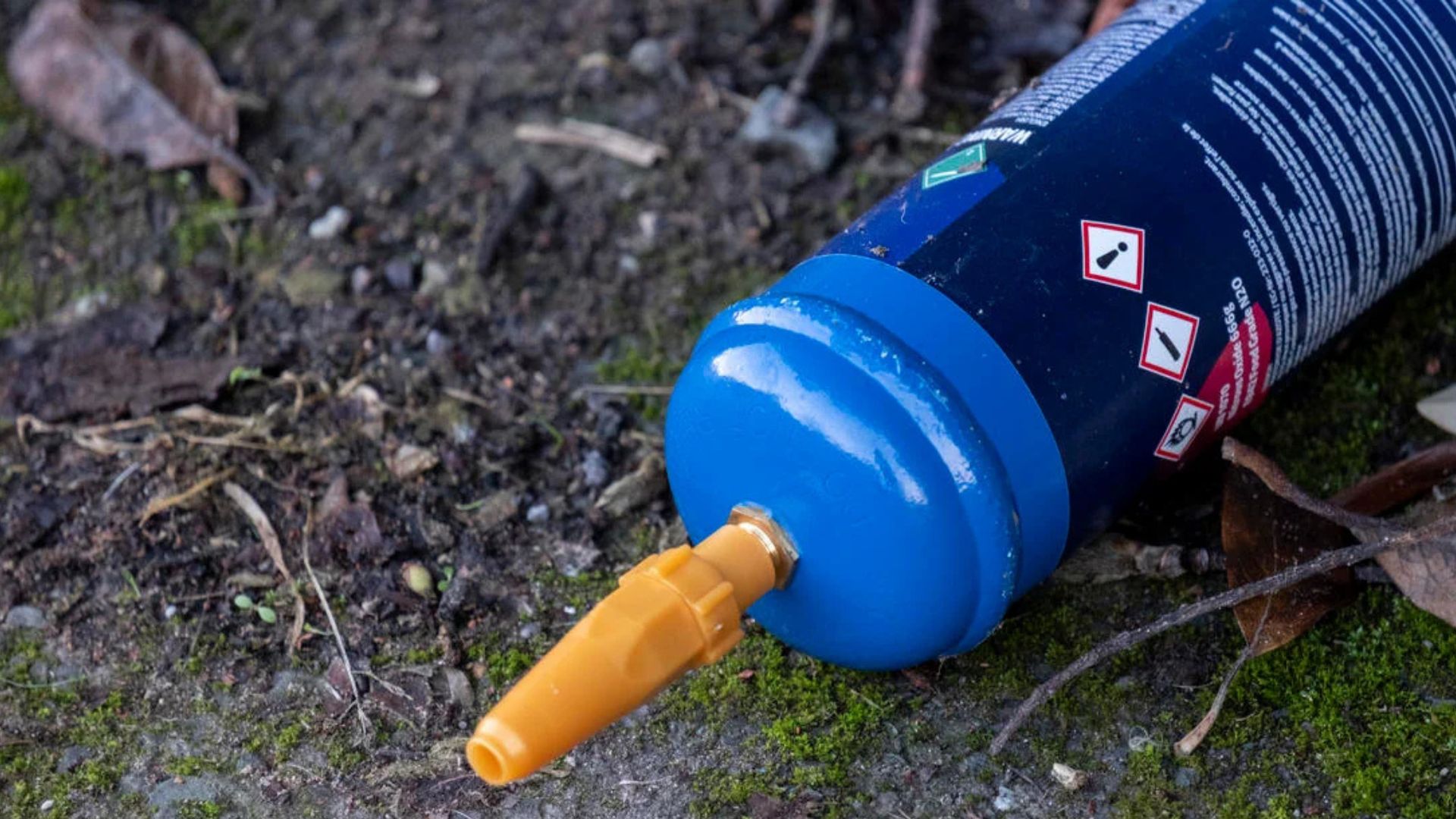
What is Galaxy Gas?
Galaxy Gas, a seemingly innocuous term, refers to the recreational inhalation of nitrous oxide (N2O), a colorless and sweet-smelling gas that’s commonly used in medical settings for pain relief and in culinary applications for making whipped cream.
When inhaled, nitrous oxide produces euphoric effects, leading to laughter and giddiness, making it an attractive recreational drug for young people. This kind of casual, social experimentation is often where the earliest stages of addiction begin, long before anyone recognizes a problem is forming.
However, this practice also poses serious health risks that many teens may not be aware of. Inhaling nitrous oxide can cause oxygen deprivation, potentially leading to brain damage and other severe consequences.
If you’ve noticed your teen is struggling with dependence on Galaxy Gas, seek help from a treatment program to address the issue and protect your child’s long-term health. Because teens rarely use just one substance, it also helps parents to understand how to know if a loved one is using drugs more broadly, not only the signs specific to inhalants.
The Appeal of Galaxy Gas to Teens
Galaxy Gas canisters are easily accessible and widely available in stores, often marketed for culinary purposes like making whipped cream, which makes them seem less dangerous or illicit than other substances.
This accessibility is a significant draw for many users. Additionally, using Galaxy Gas is often a social activity, associated with parties or gatherings, providing a sense of belonging and peer acceptance.
The immediate effects of nitrous oxide, including a short-lived “high” characterized by euphoria, laughter, and a sense of disconnection from reality, offer a quick escape from the pressures of everyday life, especially for teenagers.
This “buzz” is often perceived as a fun and harmless way to unwind or experiment with altered states of consciousness. Such activities are often displayed on platforms like TikTok, where teens are easily influenced by their peers’ actions.
Short-Term Effects and Immediate Risks
When teens inhale Galaxy Gas, they may experience a rapid onset of euphoria, dizziness, and slurred speech, which can impair their judgment and increase the risk of accidents.
The short-term effects of this substance use can lead to mild hallucinations and a false sense of safety, encouraging reckless behavior while intoxicated.
Immediate risks include potential seizures and loss of consciousness due to oxygen deprivation, which can result in serious injuries or even death.
The danger of asphyxia is heightened when large quantities are inhaled or when used in poorly ventilated spaces.
These health issues underscore the importance of educating teens about the hazards associated with Galaxy Gas use, as the allure of quick highs can quickly lead to dangerous consequences.

Long-Term Health Consequences
Long-term use of nitrous oxide can lead to vitamin B12 depletion, causing serious nerve damage and potential cognitive impairments. You may experience cognitive decline, including memory loss and difficulties in concentration that can go unnoticed until significant impairment occurs.
Regular inhalation may also cause irreversible lung damage, affecting your respiratory health and overall physical endurance. Chronic use can increase your risk of anemia due to interference with red blood cell production, leading to fatigue and other complications.
Signs of Galaxy Gas Abuse and Addiction
Signs of abusing Galaxy Gas include the presence of small metallic canisters or empty whipped cream containers, indicating possible inhalant use.
You may observe sudden, uncontrollable laughter, dizziness, or slurred speech—immediate effects of nitrous oxide inhalation. Physical symptoms like blue or pale lips and fingertips can signal low oxygen levels due to inhalant use, a dangerous situation.
The use of a “cracker” device significantly increases the risks of Galaxy Gas overdose and harm. If you notice increased cravings and prioritization of Galaxy Gas over responsibilities or relationships, it may suggest developing dependence or addiction.
Seeking Help for Nitrous Oxide Addiction
If your teen is struggling with nitrous oxide addiction, seeking help is essential to prevent long-term health consequences. Nitrous oxide use can cause severe cognitive impairment, vitamin B12 depletion, and nerve damage.
You may notice your teen experiencing withdrawal symptoms like mood swings and irritability. It’s crucial to find professional support, such as counseling and support groups, to address the psychological and physical aspects of their dependence. Families don’t have to navigate this alone either, and resources like Family Anonymous meetings can help loved ones cope while supporting a teen through recovery.
Educational programs are available to help you understand the risks and promote healthier choices for your teen. Early intervention and open communication about the dangers of nitrous oxide can significantly improve their recovery outcomes.
Parents who want the bigger picture can read our guide to how addiction develops, from first experiment to dependence.
Final Thoughts from Radix Recovery
At Radix Recovery in Cedar Rapids, Iowa, we provide an outpatient addiction treatment program tailored to support individuals as they navigate the complex challenges of addiction. Our program offers education and tools necessary for a successful recovery journey. With a deep understanding of the unique difficulties faced by teens and their families, we deliver a compassionate and evidence-based approach to recovery.